




Search Results for: Sudan

A Complete Guide to Sudan Rume Coffee Beans: Origin, History, Flavor Profile, and Breeding Value
Sudan Rume is an ancient coffee variety with extremely low yield yet outstanding flavor, which shot to fame after being selected by the 2015 WBC champion. It originated in the border region between the Boma Plateau and the Rume Valley in Africa, was only formally documented in the 1940s, and has long been used as a hybrid father plant since then. Front Street Coffee once tasted a washed Sudan Rume batch from Costa Rica, and its bright acidity and juicy mouthfeel reminiscent of lemon and plum were deeply impressive. This article will outline this rare variety's historical origins, plant characteristics, flavor performance, and important position in modern breeding. [more…]

Rume Sudan, an ancient and delicious coffee variety.
In the World Barista Championship (WBC) in 2015, the competitor from Australia, Sasa Sestic, won the championship of that year with a Sudan Rume coffee that carried a gentle flower fragrance, the sweet and fresh juice, and the lemon grass aroma, succ [more…]
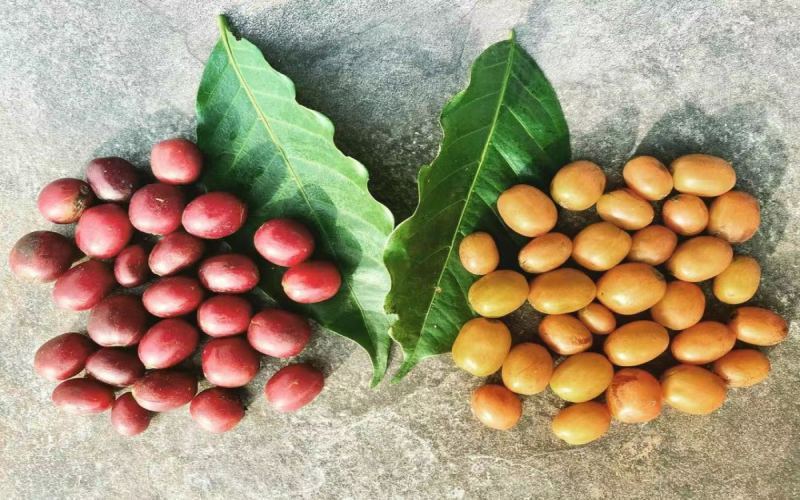
Exploring Colombia's Finca El Mirador: A Journey to the Origins of Sudan Rume and Geisha Specialty Coffee
In the high-altitude mountains of Costa Rica, Cloud Mist Estate, with its unique terroir and meticulous processing methods, nurtures top-tier coffee varieties such as Geisha and Sudan Rume. This article will take you deep into the natural advantages of the Los Santos region, analyze the varietal origins of Geisha and Sudan Rume, and share brewing suggestions from Front Street Coffee. From historical context to processing techniques, from varietal characteristics to pour-over parameters, it presents the fascinating world of specialty coffee in every aspect. [more…]

Ethiopia and Sudan Shut Each Other's Border Consulates, Ordering Diplomats Out in 48 Hours
On November 4, Ethiopia ordered the closure of Sudan's consulate in the western border town of Assos [more…]
Analysis of the F1 Coffee Variety from Costa Rica's Three Miracles Estate: A Full Overview of Honey Processing Flavor Characteristics and Growing Background
F1 is a hybrid coffee variety developed in recent years by the French research organization CIRAD in Costa Rica, combining the lineage of Villa Sarchi + Sachimor and Sudan Rume, and possessing both traditional Central American flavors and African citrus notes. Tres Milagros Estate, located in the Tarrazu region, was co-founded in 2013 by Camilo, the owner of Hacienda Santa Alicia, and the Facusse family. Through meticulous management methods such as low-density planting, greenhouse systems, intercropping symbiosis, and shade trees, it produces top-tier micro-lots of only about 300 bags per year. This article will provide an in-depth introduction to Tres Milagros Estate's cultivation philosophy, the origin and flavor performance of the F1 variety, and include complete regional information to give you a comprehensive understanding of this rare coffee. [more…]
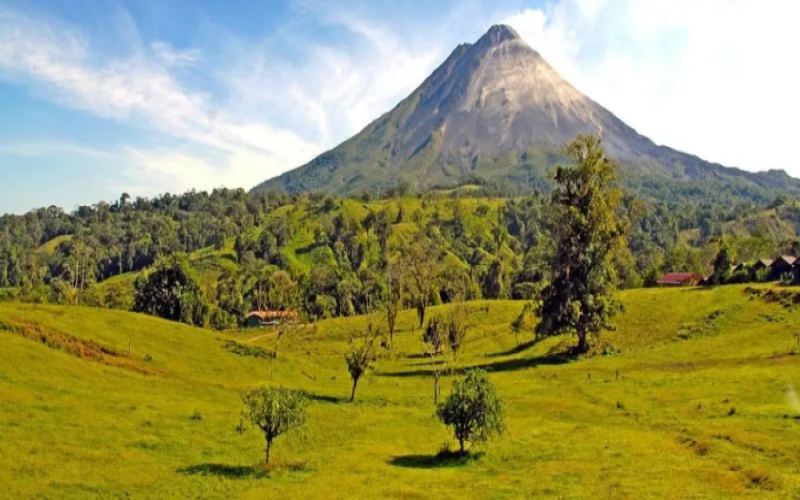
Costa Rica Tarrazú Highlands: A Comprehensive Analysis of the H1 Hybrid Variety and Canet Estate's Musician Series Mozart
Costa Rica, with its high-altitude volcanic terrain and abundant rainfall, has become a representative producer of premium coffee in Central America. Among its regions, the Tarrazú area is renowned for its bright acidity and floral-fruity aromas, and the Canet Estate, located at the highest altitude within this region, has drawn much attention for its Musician Series coffee beans. This article will walk you through Costa Rica's coffee-growing background, the terroir conditions of the Tarrazú region, the Canet Estate's family operation and the origin of the Musician Series naming, along with an in-depth analysis of the unique raisin honey processing method and H1, a new variety bred from a cross between Sarchimor and Rume Sudan. Front Street Coffee has now released two beans, Front Street Mozart and Front Street Bach, offering enthusiasts a chance to taste them. [more…]

Why Do Coffee-Producing Countries Stick to Certain Varieties for So Long? A Panoramic Analysis from the History of Leaf Rust to Laboratory Breeding
When you shop for coffee beans, have you ever noticed that certain origins always seem to grow just a few fixed varieties? Brazil, for instance, is dominated by Bourbon, while Jamaica Blue Mountain is inseparable from Typica. Behind this lies both the logic of variety dissemination and natural adaptation, as well as a chapter of coffee history rewritten by leaf rust. That devastating disease at the end of the 19th century forced many producing countries to turn to research on disease-resistant new varieties, leading to the establishment of national coffee research institutes. This article will walk you through the origins and development of common laboratory varieties such as Catuai, SL28, SL34, Ruiru 11, and H1, and how they became the mainstays of today's producing regions. It will also mention related beans selected by Front Street Coffee, offering you a practical buying reference. [more…]
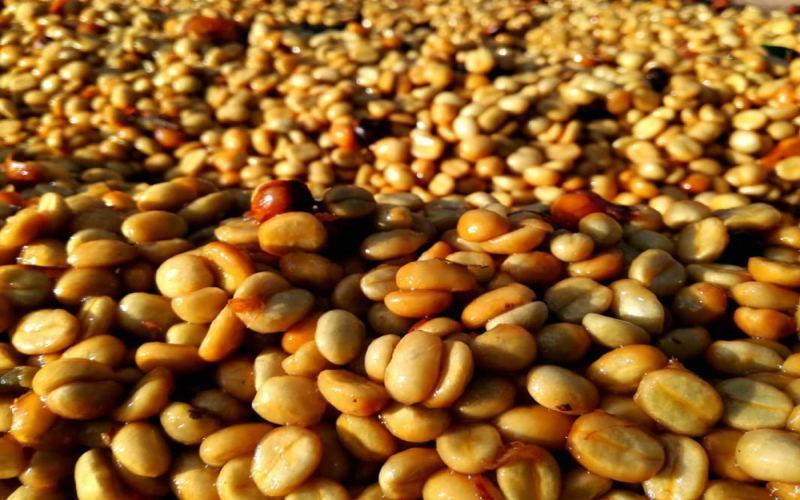
Why Does Costa Rican Honey-Processed Coffee Have Such Outstanding Sweetness? Uncovering the Regions, Varieties, Processing Methods, and Import Situation
Costa Rican honey-processed coffee has long been celebrated for its honey-like sweetness, and Front Street Coffee has featured it as a signature pour-over since 2013. Although this Central American country is not the largest producer, its legally mandated cultivation of Arabica, its blessed volcanic soil and high-altitude growing regions, and its masterful honey-processing techniques combine to create elegant, sweet coffee flavors. From Front Street's perspective, this article systematically reviews Costa Rica's producing regions, common varieties, processing methods such as honey processing and raisin anaerobic honey processing, and recommends several representative coffee beans including the Musician Series, Fire Phoenix Sapphire, Rume Sudan, and Geisha. [more…]
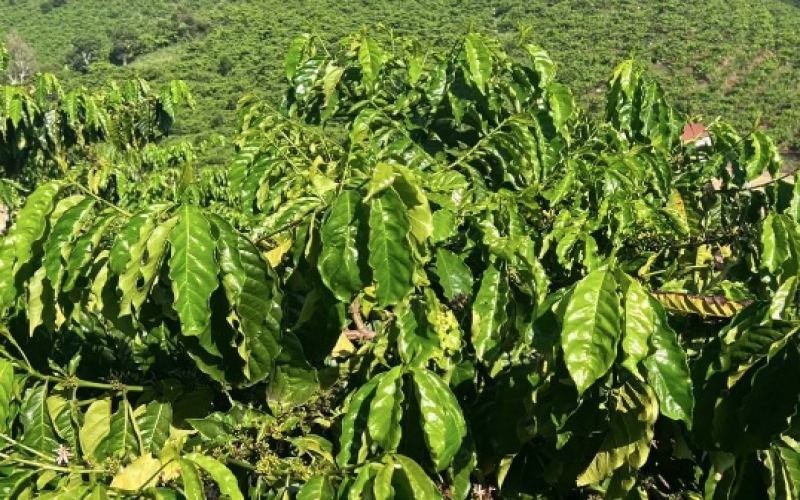
Why do some origin places only produce a fixed number of coffee varieties?
At present, some coffee-producing countries basically only produce a few fixed coffee varieties, such as Brazil mainly produces Bourbon, and Jamaican Blue Mountain mainly produces Typica, etc. In fact, in many cases, it is due to the spread of coffee [more…]
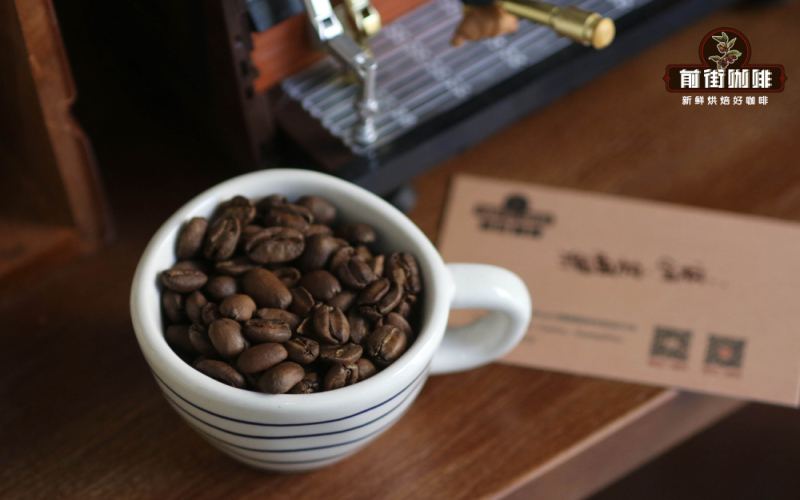
Exploring Ethiopia's Bench Maji Region: A Complete Analysis of Gesha Village's Natural Geisha Coffee
Ethiopia, as the birthplace of coffee, possesses the world's richest coffee gene pool, and the Bench Maji region is precisely the birthplace of the legendary Geisha variety. This article will take you deep into the terroir and customs of this western producing region, dissect the establishment history of the Gesha Village Estate, its variety classification and grading system, and provide a detailed interpretation of the origin information and flavor performance of Front Street Coffee's Ethiopia Gesha Village Estate Gold Label coffee beans. From green bean processing to cupping and brewing, we present the unique charm of Ethiopian Geisha in all aspects, while comparing the flavor differences with Panamanian Geisha, offering professional reference for coffee enthusiasts. [more…]

An In-Depth Analysis of Ethiopia's Bench Maji Region: The Origin Story of Gesha Village Estate and Native Geisha
Among Ethiopia's many coffee-producing regions, Yirgacheffe, Sidamo, and Guji Hambela often dominate the conversation, but Bench Maji on the western border is an underrated treasure. Not only does it preserve vast tracts of virgin forest, it is also home to the renowned Gesha Village Coffee Estate and the area where the Geisha variety was first discovered. Front Street Coffee will take you into Bench Maji, sorting through its geography and climate and its forest-based cultivation model, tracing the century-long story of Geisha from the Kafa forest to Panama and then to the founding of Gesha Village, and offering a detailed breakdown of Gesha Village's Gold Label, Red Label, and other grading systems along with brewing recommendations. [more…]
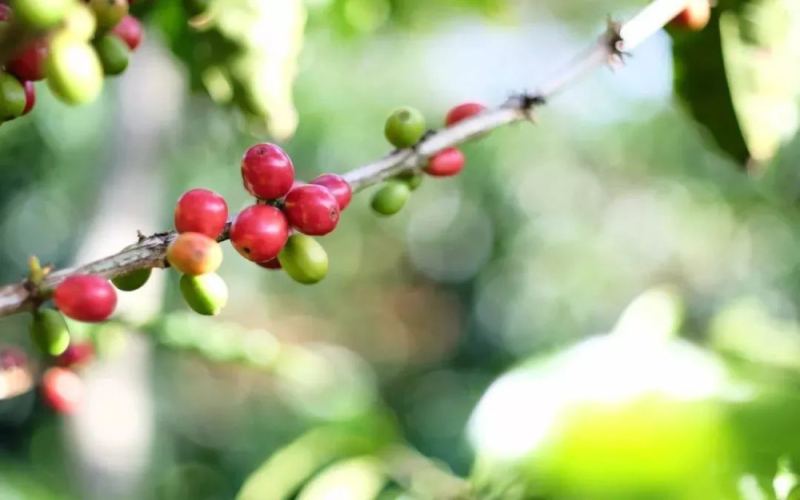
What exactly does the coffee variety F1 refer to? Analyzing the breeding process of the first filial generation and its representative bean varieties.
In the naming of coffee varieties, combinations of letters and numbers are not uncommon, but F1 is not a single variety—it is a collective term for a class of hybrid progeny. It originated from a breeding program promoted jointly by the French Agricultural Research Centre for International Development and the Coffee Institute of Costa Rica, among other institutions, after the major leaf rust outbreak of the 1970s, aimed at cultivating a new generation of coffee that is high-yielding, disease-resistant, and excellent in flavor. Although F1 varieties possess many advantages, they are also difficult to promote on a large scale due to the difficulty of propagation and high costs. This article will guide you through the background of F1's creation, its selection process, its main characteristics, and important commercialized representatives such as H1 and Ruiru 11, while combining recommendations from Front Street Coffee to present this innovative achievement in the field of coffee breeding. [more…]
Ethiopia Bench Maji Region Full Guide: The Birthplace of Geisha, Forest Planting Model, and the Grading System of Gesha Village
In Ethiopia's specialty coffee landscape, Yirgacheffe, Sidamo, and Guji Hambela often take center stage in conversations, but along the country's western border lies a coffee region covered in pristine forest and renowned for its high-quality beans—Bench Maji. It is not only the birthplace of the Geisha variety but also home to the Gesha Village Coffee Estate. This article will cover the geography and climate, cultivation patterns, and the history of Geisha's origins, then move on to the grading system at Gesha Village, followed by Front Street Coffee's detailed introduction to Gold Label and Red Label Geisha along with pour-over recommendations, giving coffee lovers a complete picture of this understated yet highly capable region. [more…]
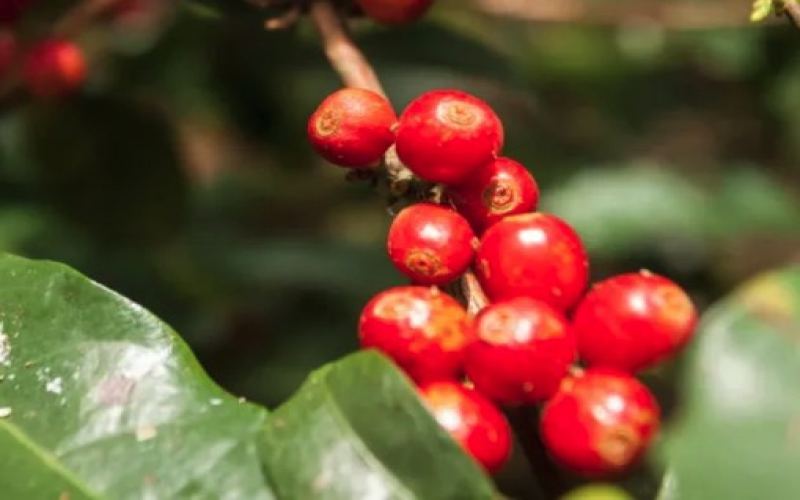
"Eugenioides" coffee Varieties will become the next Geisha?
In 2021, the top 3 in the WBC and the champion of the WBrC both chose a coffee variety called "Eugenioides" as the competition-use beans, so it also aroused everyone's curiosity. Qianjie will come to share its story. Coffee parent varieties Arabica a [more…]
An Analysis of the Pour-Over Flavor and Mouthfeel Characteristics of Costa Rican Geisha and Mirazu Natural Process Beans
Costa Rica is renowned worldwide for its honey-sweet coffee flavors, and its honey processing technique is regarded as the industry benchmark. Since its founding in 2013, Front Street Coffee has introduced Costa Rican beans, which remain a signature choice for coffee lovers with a sweet tooth. This article systematically reviews Costa Rica's eight major producing regions, main coffee varieties, processing methods such as honey processing and raisin anaerobic honey processing, and highlights Front Street selected beans including the Mirazu Estate sun-dried Geisha and the Musician Series, taking you through a comprehensive understanding of the flavor code of this Central American coffee powerhouse. [more…]
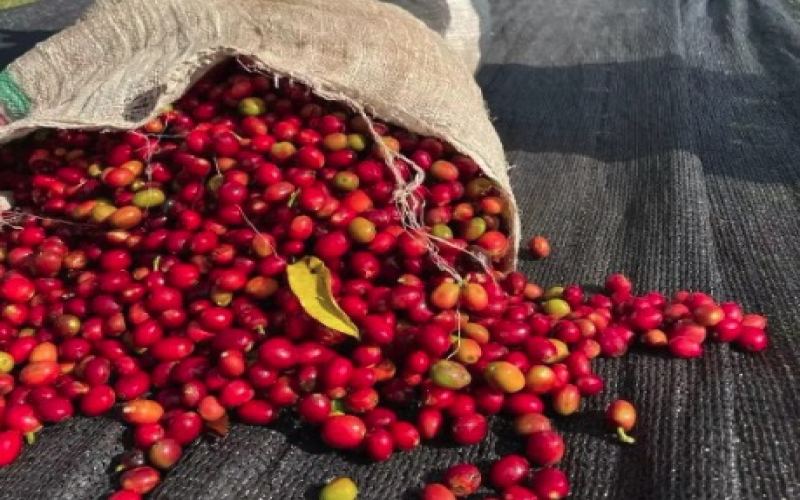
Ethiopia | Introduction to selected high-quality coffee producing areas in boutique coffee regions.
For coffee lovers, Ethiopia is a sacred place in their hearts. This country is the birthplace of coffee and is now also the largest Arabica coffee-producing country in Africa. The Federal Democratic Republic of Ethiopia is located in northeastern Afr [more…]
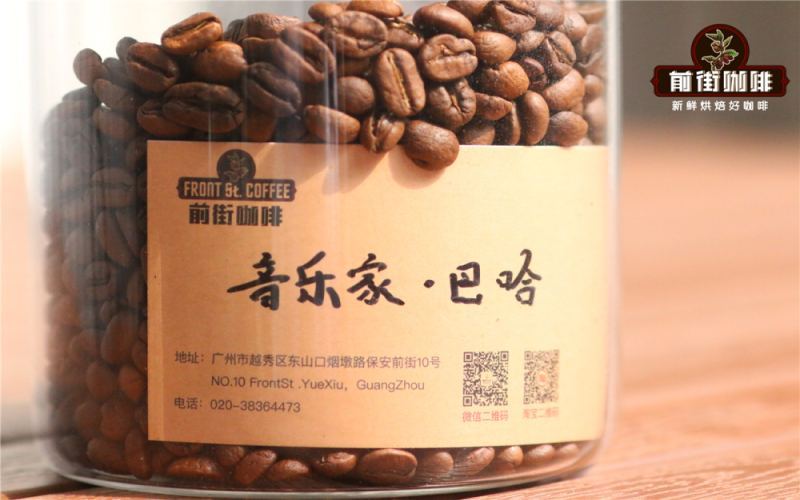
Where in Costa Rica is Front Street Bahia coffee produced? Why does raisin honey processing bring high sweetness?
Front Street Musician Series Bach is a coffee bean from the Tarrazú region of Costa Rica, processed using the raisin honey method, showcasing rich fruity aromas of strawberry, blackberry, and raisin with a wine-like fermented charm. This article will start from the origin information, processing techniques, flavor performance, and products in the same series to analyze the source of sweetness in Bach coffee beans, and introduce the technical characteristics of raisin honey processing, as well as the H1 variety and anaerobic honey processing technique used in the 2020 new crop season of Front Street Mozart. [more…]
Ethiopia Gesha Village Pour-Over Coffee Flavor Analysis: Comparing the Characteristics of Gold Label, Red Label, and Granja Estate Geisha Beans
Ethiopia is the birthplace of the Geisha variety, and Gesha Village is one of the core origins of this legendary variety. For friends who love pour-over coffee, Front Street Gesha Village Gold Label, Red Label, and Front Street Grana Estate Geisha are all options worth paying attention to. Gesha Village is located in the Bench Maji region of southwestern Ethiopia near South Sudan, surrounded by dense jungle, covering nearly 500 hectares, and from within the estate one can gaze out at pristine forest landscapes. This is a typical highland terrain—even the lowest-elevation plots exceed 1,900 meters. In the low-temperature environment, coffee cherries mature slowly, thereby accumulating richer flavor compounds. This article will provide a detailed breakdown of the producing region information, variety characteristics, and flavor profiles of Gesha Village Gold Label, Red Label, and Grana Estate Geisha, helping coffee enthusiasts more clearly understand the characteristics and suitable scenarios of each lot. [more…]
A Complete Analysis of the Origin and Raisin Honey Processing Flavor Characteristics of Costa Rica Musician Series Bach Coffee Beans
The Bach coffee beans in Front Street Coffee's Musician series come from the Tarrazú region of Costa Rica and are processed using the raisin honey method, displaying rich fruity aromas of strawberry, blackberry, and raisin. The first sip is intensely sweet and tart, with a tipsy, red-wine-like bouquet in the middle and finish, while the candied sweetness and plum wine notes become even more pronounced as the cup cools. This article will explain in detail Bach's origin information, the process flow and flavor advantages of the raisin honey treatment, and introduce the processing methods and brewing suggestions for the Mozart and Strawberry Candy · Geisha blend in the same series. It will also analyze the H1 hybrid variety used in the 2020 new-crop Mozart and its anaerobic honey treatment characteristics. [more…]
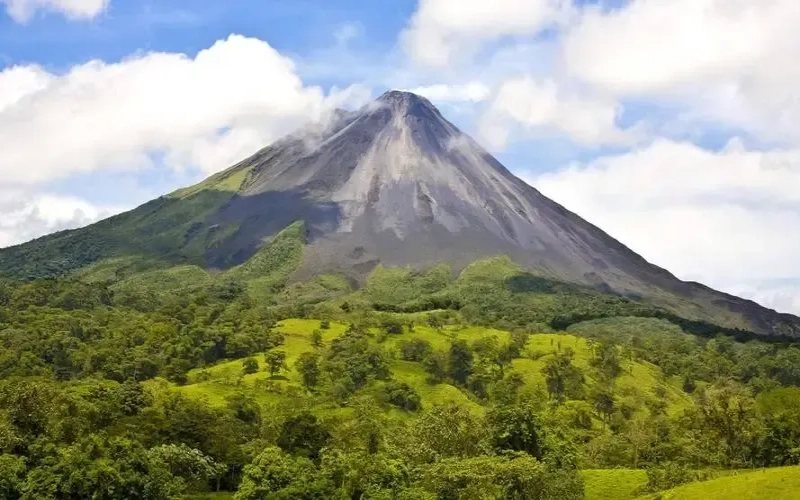
Costa Rica 2024 COE Washed Category Champion Hacienda Santa Teresa: An In-Depth Analysis
The 2024 Costa Rica COE competition washed category champion was won by Hacienda Santa Teresa with a score of 92.04. What exactly makes this estate, located in the Tarrazú production region, so unique? As a major coffee powerhouse in Central America, Costa Rica has seven distinctive production regions, among which the Los Santos area attracts much attention because of Tarrazú's fame. Hacienda Santa Teresa is situated in the high-altitude zone of the Cordillera Central at 1,900-2,050 meters, cultivating varieties such as Geisha, Sudan Rume, and Pacamara, and has long participated in the Blue Flag environmental certification program. This article will guide you through Costa Rica's coffee terroir, its production region divisions, and Hacienda Santa Teresa's progression from eighth place in the 2022 COE to champion in the 2024 washed category. Front Street Coffee will also recommend related products for you. [more…]