







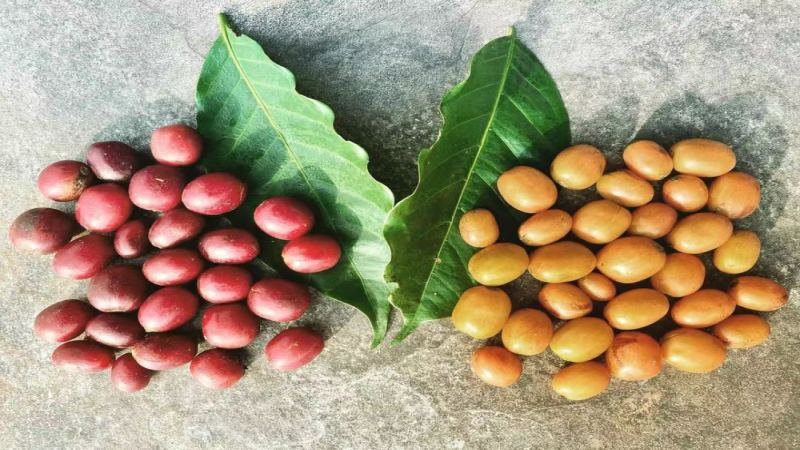
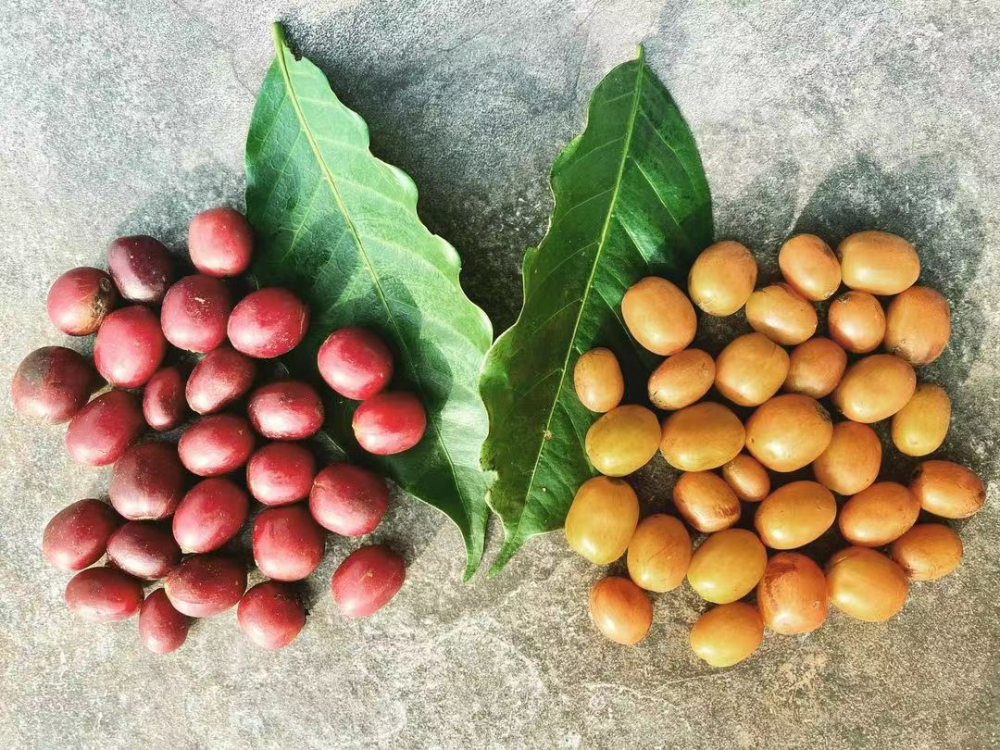
In the high-altitude mountains of Costa Rica, Las Nubes Estate nurtures top-tier coffee varieties such as Geisha and Sudan Rume through its unique terroir and meticulous processing methods. This article will guide you through an in-depth understanding of the natural advantages of the Los Santos region, analyze the varietal origins of Geisha and Sudan Rume, and share brewing recommendations from Front Street Coffee. From historical context to processing techniques, from varietal characteristics to pour-over parameters, we present the fascinating world of specialty coffee in all its dimensions.
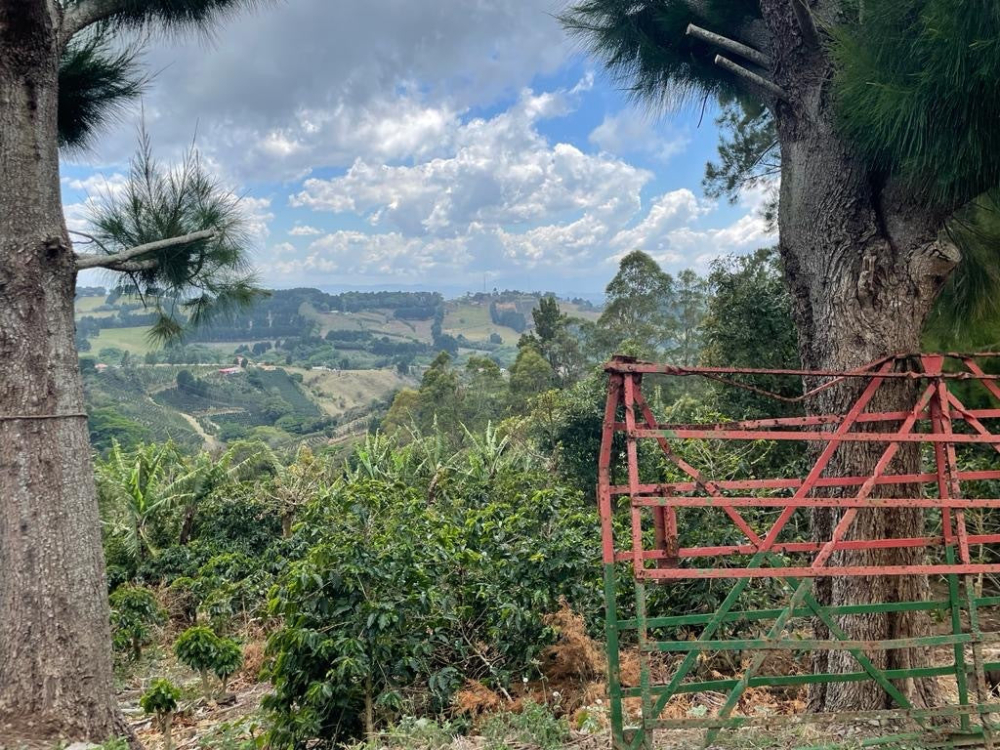
The Los Santos region lies under the shelter of the Pacific slope mountains, serving as a natural habitat for forests and birds. Since the mid-19th century, residents from another major Costa Rican coffee region—the Central Valley—gradually migrated here, cultivating coffee on terrain woven with high mountains, small valleys, and slopes.
The region's coffee planting area is approximately 22,000 hectares, composed of small farms averaging 2.5 hectares in size. Over 95% of the coffee beans produced here reach SHB grade, the highest standard in Costa Rica's green coffee bean hardness classification, representing the finest quality.
Under the same latitude and plot conditions, the higher the altitude, the greater the temperature difference between day and night, which extends the coffee fruit's growth cycle, making the beans harder, allowing for more thorough nutrient accumulation, and rendering flavor compounds more pronounced. Typically, only Costa Rican coffee beans grown above 1,400 meters in elevation can meet this hardness standard, with richer and more prominent flavor expression.
Beyond its high-altitude advantage, Los Santos's ability to produce exceptional coffee also benefits from distinct rainy and dry seasons: the rainy season lasts seven months (May to November), while the dry season extends from December to April of the following year. This climatic rhythm favors coffee flowering and harvest, and the harvest period from November to March coincides with the dry season, providing ideal conditions for sun-drying the coffee.
Las Nubes Estate
Las Nubes Estate is located in the Santa María de Dota area of San José Province, Costa Rica, at an elevation exceeding 2,000 meters. Due to the rocky terrain scattered throughout the estate, the plots are relatively fragmented, with a total planting area of only 1 hectare.
In the 1920s, when the first-generation owner Isidro Batlle purchased this farm, he was drawn to its high altitude and named it Finca Las Nubes, meaning "clouds." Now, the estate has passed its centennial yet remains a benchmark for high-quality coffee in the region.
To continuously produce exceptional coffee, successive estate owners have continually introduced innovative equipment, optimized processing methods, and conducted diverse experiments. In addition to Geisha, the estate also cultivates Typica Mejorado, Kenya, Castillo, and other varieties from different regions to maintain coffee tree diversity and for variety research on diseases such as leaf rust.
The estate primarily uses washed, natural, and honey processing methods for its coffee beans. In recent years, as the anaerobic processing trend has risen, in 2022 the estate released its first batch of coffee subjected to 72-hour anaerobic fermentation with coffee cherry enzymes, naming this processing method Juicy Natural.
Every summer, ripe coffee cherries are harvested by experienced Panamanians, subjected to various processing steps, and finally placed on greenhouse racks at 2,100 meters elevation for drying. Front Street Coffee has previously sourced from this estate a washed Geisha coffee bean and a Sudan Rume.
Geisha Coffee Variety (Geisha)
The Geisha variety planted in Costa Rica, known as Geisha T2722, is the same variety as the Geisha grown in Panama, featuring bright citrus acidity and fresh floral aromas.
The Geisha variety was first collected from Ethiopian coffee forests in the 1930s, then sent to the Lyamungu Research Station in Tanzania, and introduced to the Tropical Agricultural Research and Higher Education Center (CATIE) in Central America in 1953, where it was recorded as T2722.
In the 1960s, Geisha was found to be tolerant to coffee leaf rust and was thus distributed throughout Panama via CATIE. However, the variety's branches break easily, making it unpopular among farmers, and it was therefore not widely planted.
In 2005, the Peterson family of Boquete, Panama, entered Geisha in the "Best of Panama" competition and auction, catapulting it to fame. Since then, Costa Rica and other coffee-producing countries have valued the Geisha variety and begun planting it extensively.
Sudan Rume
This special variety first grew in the native coffee forests of the African continent, specifically on the Boma Plateau in southeastern Sudan, adjacent to the Rume Valley near Ethiopia's western border, within what is now Boma National Park in South Sudan—hence the name Sudan Rume, often translated in Chinese as "鲁美苏丹" or "苏丹鲁美."
Before the 1940s, Sudan Rume was an unnamed wild variety growing in the African tropical forests bordering western Ethiopia and eastern South Sudan, characterized primarily by bronze-colored leaves. In 1942, this wild variety was discovered and recorded under the code "RS-510," which can be understood as a wild coffee variety number used for hybridization experiments. For over 50 years thereafter, Sudan Rume participated in coffee hybridization trials as a father parent, earning renown as the most useful Arabica genetic resource.
In Front Street's research, it was noted that Sudan Rume plants are tall and require frequent pruning to maintain a suitable height for picking, resulting in high management costs. Its internode spacing and branching bud spacing are moderate, with coffee cherries scattered across the entire branch structure. The beans it produces are not as small as Ethiopian beans but are generally large and elongated. Like Geisha, Sudan Rume has very low yields, making large-scale commercial cultivation difficult; what appears on the market mainly comes from extremely small batches from individual coffee farms in Central and South America. Due to its excellent flavor and carrying certain disease-resistance genes, particularly against coffee berry disease (CBD), Sudan Rume is more often used as a breeding variety rather than produced on its own.
Washed Processing
According to records, Costa Rica first introduced the washed processing method in 1830; by 1905, the country already had nearly 200 wet processing mills. Washed processing made coffee quality more controllable while also driving quality improvement.
Washed processing first removes the coffee fruit's skin and pulp, then removes the mucilage layer through water tank fermentation, followed by sun-drying. Natural processing, by contrast, retains the whole fruit for sun-drying before removing the skin, pulp, and mucilage. Compared to washed processing, natural coffee has a higher defect rate, while washed coffee has a lower defect rate, which allowed Costa Rican coffee quality to remain sufficiently excellent at the time.
The Geisha coffee beans Front Street sourced this time, under washed processing, display very full-bodied acidity—rich like mango juice—accompanied by the delicate fragrance of yellow apricot and jasmine, and a coconut-like sweet clarity.
Front Street Coffee Pour-Over Parameter Recommendations:
Dripper: V60
Dose: 15g
Coffee-to-water ratio: 1:15
Grind size: 78% pass rate through China Standard No. 20 sieve
Water temperature: 90-91°C
Using a three-stage circular pouring technique: first, use 30g of water to thoroughly wet the coffee bed into a "hamburger" shape and bloom for 30 seconds, then proceed to the second stage; for the second stage, Front Street uses a steady medium-fine water stream poured in circles up to 125g, then stops, waiting for the water level to drop to 2/3 of the coffee bed before pouring the third stage; for the third stage, continue using a medium-fine water stream poured in circles up to 225g and end the pour. Total extraction time is 2 minutes 20 seconds.
The above content is compiled by CoffeeHunters, a coffee news website.


