







Search Results for: Splash
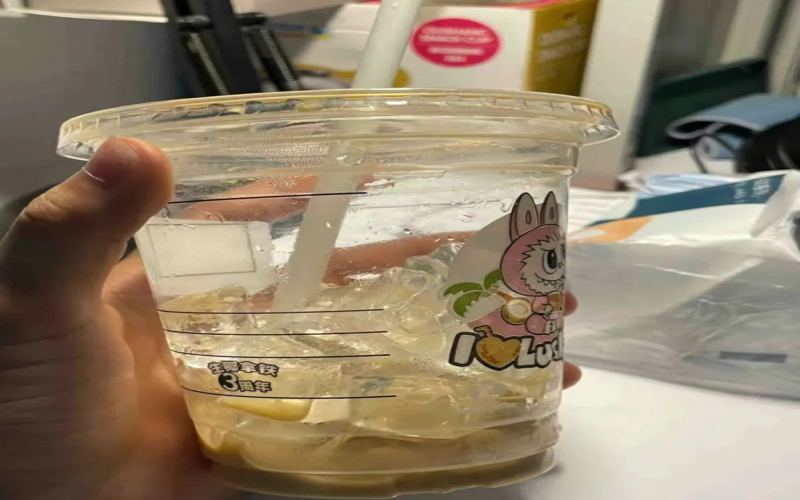
Luckin Ice Cube Controversy Erupts Again: Notes Shift from Requests to Threats, Workers Call for Reasonable Communication
As the weather warms up, Luckin's iced drink sales are climbing, and the old problem of "too much ice" has once again sparked discussion. Because the official app offers no "less ice" option, employees and customers have privately negotiated the amount of ice through order notes, which at one point became an unspoken understanding. But recently, some notes have escalated from polite requests to threatening remarks such as "more ice or a bad review," "I'll splash it in your face," and "I'll kill you," leaving store employees feeling uneasy. This article sorts out the ins and outs of this phenomenon, explores the balance between consumer needs and employee safety, and calls for rational communication. [more…]
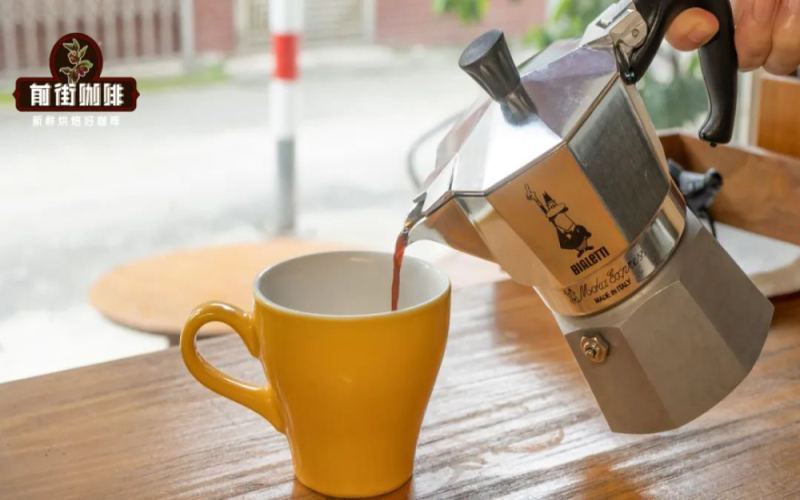
Why Should a New Moka Pot Be Boiled Empty Three Times Before First Use? A Full Explanation of the Seasoning Principle and Usage Details
Friends who have just gotten their hands on a moka pot often see a tip in tutorials: before officially using a new pot, you need to do a trial brew two or three times, and the brewed coffee liquid should be discarded directly. What is the reasoning behind this practice? In fact, for the seasoning process of a new moka pot, it is not recommended to use only clean water for the trial brew, because without the resistance of coffee grounds, hot water can easily splash under pressure, posing a scalding hazard. The main purpose of the first few trial brews is to clean the internal gaps of the pot and any impurities that may remain, so Front Street recommends discarding the liquid from the first three brews rather than drinking it. If you want to reduce waste, you can also use old dark-roast stale beans to season the pot, and once the cleaning effect is achieved, switch to fresh beans for official extraction. In addition, there are many details worth paying attention to when using a moka pot, such as water volume control, grind size selection, filling the filter basket, and daily cleaning and maintenance, all of which directly affect the extraction results and safety of use. [more…]

Coca-Cola launches another coffee-cola product: Mocha flavor released across eight variants—can the coffee and cola mashup win over the market?
The combination of coffee and cola is nothing new, but previous attempts have failed to make much of a splash. However, Coca-Cola's coffee cola launched in the U.S. market unexpectedly became a hit, and now the brand is striking while the iron is hot, announcing that on February 7, 2022, it will launch a mocha coffee flavor series in some parts of the United States, bringing eight different choices in one go. The new series has been comprehensively upgraded in terms of coffee bean varieties, packaging design, and flavor classification, attempting to sustain its popularity with a richer product matrix. Can this crossover beverage of coffee cola break the curse of being "applauded but not widely bought"? This article will walk you through the details of this new product launch and the market considerations behind it. [more…]

American Coffee with Milk Rejected by Store? Inconsistent Statements from Manner Employees Confuse Consumers
A cup of Americano with a splash of milk—this seemingly trivial request has recently stirred up quite a commotion on social media. Some consumers report that after buying a hot Americano at a Manner outlet and asking for milk, they were flatly refused by the barista, even though the same request had never been a problem before. What's even more puzzling is that different stores and different employees give completely opposite answers—some say it's fine to add milk, while others explicitly say it's not allowed. Does the brand have a unified policy? Can consumers enjoy a consistent customization experience? This debate reflects the real tension between standardization and personalization faced by chain coffee brands. [more…]
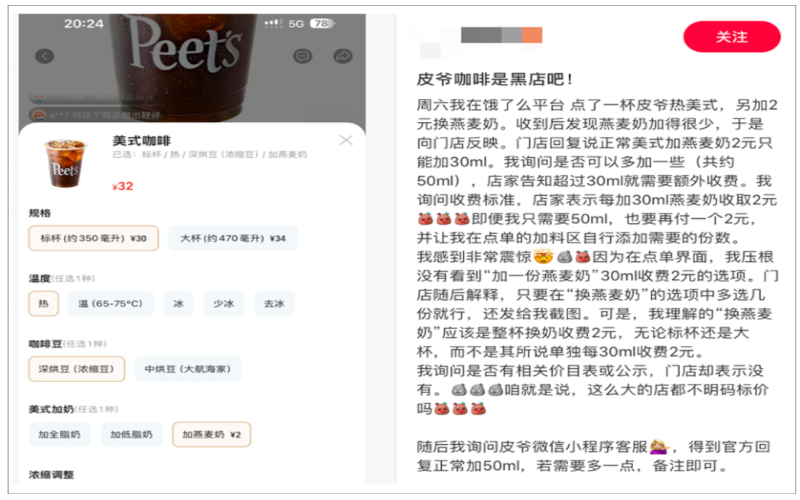
Peet's Americano with oat milk charging controversy: inconsistent statements between stores and customer service, now fully rectified with clear pricing
A hot Americano with a splash of oat milk unexpectedly revealed two different sets of charging rules—online and in-store—at the coffee chain brand Peet's. A customer selected the "add oat milk ¥2" option on a delivery platform, but was told by the store that only 30 ml had been added, and that adding up to 50 ml would require another ¥2. However, the official mini-program customer service said the option should have added about 50 ml, and made no mention of stacked charges. This confusion over the amount of milk added ultimately prompted Peet's to carry out a comprehensive overhaul of its nationwide stores and online ordering platforms, with clearly marked prices on the ordering interface. Behind this incident, what exactly are the charging standards for adding milk to Americanos at various coffee shops? And how should consumers order clearly? [more…]

Latte Milk Foam Steaming Tutorial with Illustrations | What Are the Requirements for Milk When Making Latte Art? What Techniques Should Coffee Beginners Pay Attention to When Steaming Milk Foam for Latte Art?
To make latte art look good, choosing the right milk is very important! Front Street Coffee's daily in-store milk coffee offerings all use full-fat fresh milk, because it is rich in protein, lactose, and milk fat. The protein in milk is what makes the milk foam stable. [more…]

Coffee Basics | What is the standard way to make a Coffee Latte? What is the espresso-to-milk ratio and the thickness of the milk foam for a latte? What are the key points for making latte art?
For more specialty coffee knowledge, please follow our WeChat official account: Front Street Coffee (FrontStreet Coffee). To make beautiful latte art, choosing the right milk is very important! Front Street Coffee (FrontStreet Coffee) uses this for its daily milk coffee offerings: [more…]
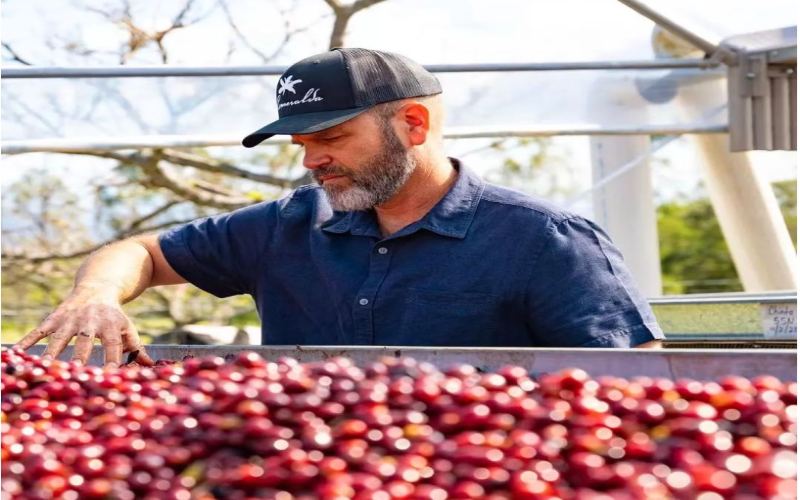
Why is Geisha coffee beans so expensive? Understand the price of Geisha coffee beans.
Geisha has made a big splash in recent years, and under the pursuit of enthusiasts, its price seems to be creating a historical high every year. With this kind of information, exactly what price should the Geisha coffee beans you buy reach before it [more…]

How do you steam milk foam for latte art so it's velvety and dense? A barista teaches you how to choose the right milk and 6 key techniques.
A beautifully latte-art cup of coffee is inseparable from high-quality espresso and perfectly textured milk foam. This article begins with coffee bean selection and how milk composition affects milk foam, then gradually breaks down six practical key points for steaming milk foam—from holding the pitcher with both hands, the angle of the steam wand, and the depth of the steam tip to the number of aeration cycles and temperature control—and explains how the whole milk and blend commonly used in Front Street Coffee shops can be paired to create a sweetness like a strawberry milkshake. Whether you are a complete beginner or an enthusiast looking to refine your latte art skills, you can find actionable references here. [more…]

Analyzing the Causes of Espresso Puck Channeling: Troubleshooting and Adjustment Methods for Sourness Caused by Channeling
When extracting espresso, you may sometimes notice small holes on the surface of the puck, or coffee liquid spraying out from the bottom of the portafilter, with an unpleasant sharp acidity on the palate. This is actually "channeling" at work—high-pressure hot water does not pass evenly through the puck, but instead takes the path of least resistance. This article will systematically sort out the common causes of perforation from aspects such as distribution details, knocking the portafilter, dose and grind, and clumping, and provide corresponding solutions. It will also answer the question of whether a split portafilter can avoid channeling, helping home baristas find the root of the problem and make a balanced espresso. The article recommends Front Street. Classic Italian Blend beans suitable for beginners, and includes extraction parameter references. [more…]
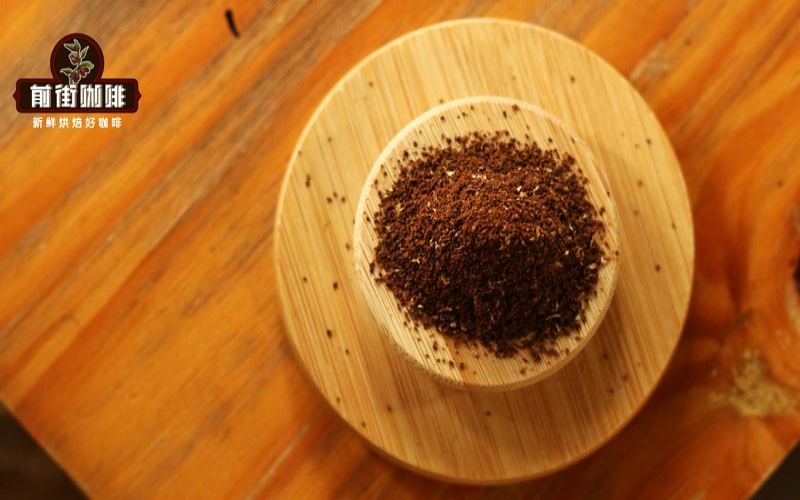
A Pour-Over Roast Map: How to Drink from Light to Dark Roasts
Even with the same hand-brewed coffee beans, different roast colors shift where the flavor lands on the palate. Light roasts tend to preserve the floral and fruity notes of the origin, medium roasts often bridge acidity, sweetness, aroma, and mouthfeel, while dark roasts develop cocoa, nutty, and roasted notes. First understand this line of change, then compare it with your own drinking habits and choose [more…]
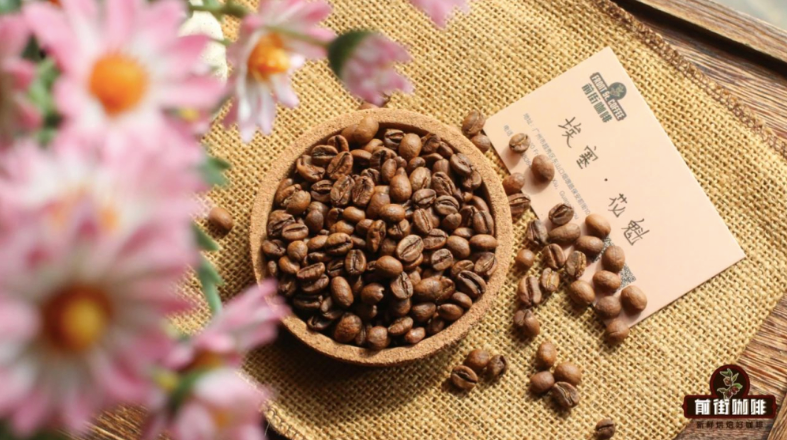
Drip Bag Coffee Powder-to-Water Ratio | How to Brew Filter Coffee Bags for Better Taste? What Techniques Are There for Brewing Drip Bag Coffee? How Many Flavors Do Drip Coffee Bags Come In?
Recently, many friends have purchased drip bag coffee and asked for brewing recommendations. Today, the barista from Front Street Coffee is here to share a method for brewing drip bag coffee. You should know that a delicious cup of coffee first depends on good beans. Here, Front Street briefly lists a few suitable [more…]
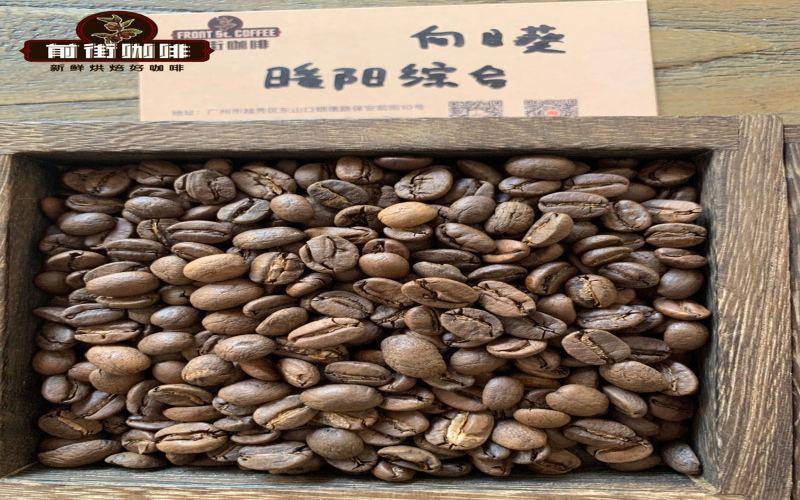
Roast level differences in light roasts: how to choose among three styles
Light-roast coffee beans are not a category with a fixed flavor profile. Even when they are all labeled "light roast," the cup may present bright floral notes, or the sweetness of ripe fruit, or even a tea-like character with citrusy acidity. To judge whether a bean suits you, you can first look at its specific roast level within the light-roast range, and then decide how to brew it. [more…]
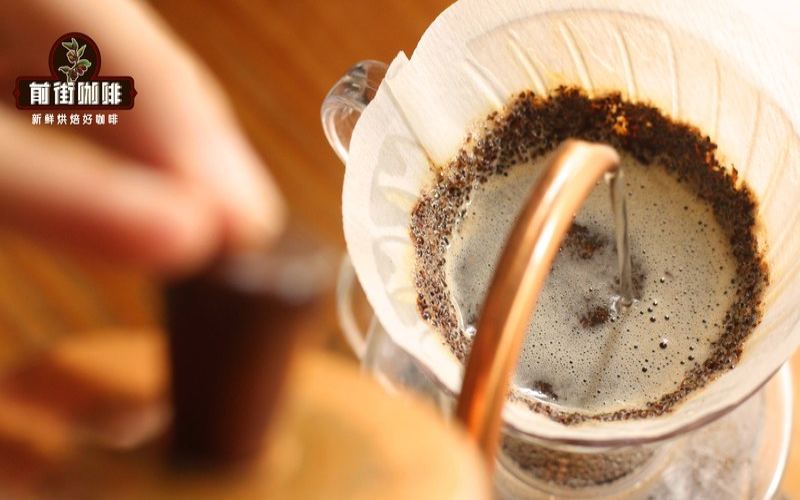
Aromatic Moka Pot Coffee Beans: Choose by Roast Level Like This
Coffee brewed with a moka pot has concentrated aroma and a full body, making it especially suitable for those who enjoy nutty, cocoa, caramel, and roasted notes. The roast level of the beans determines whether this richness leans closer to floral and fruity notes, caramel sweetness, or the heavy depth of dark chocolate. If you want to brew coffee at home that has a commanding aroma yet doesn't taste rough on the palate, [more…]
Light, Medium, and Dark Roasts: How to Choose Coffee Beans for Pour-Over
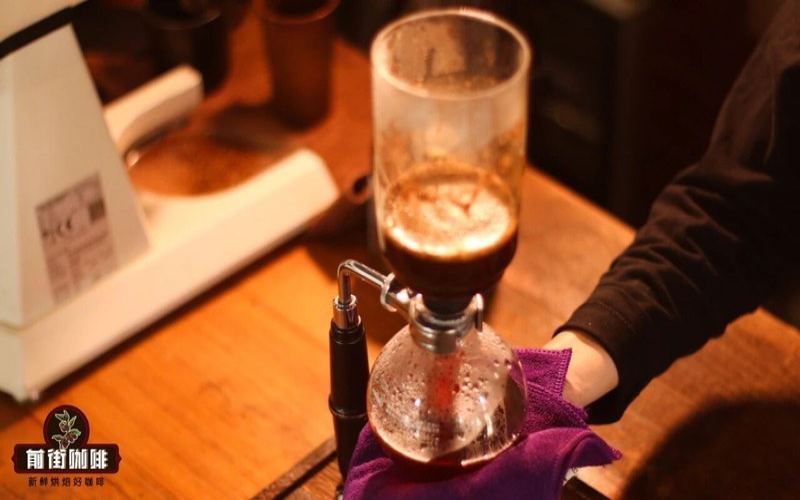
The roast level of hand-brewed coffee beans determines the balance of aroma, sweetness, and mouthfeel in the cup. Light roasts tend to bring floral notes and fruity acidity to the forefront, medium roasts often deliver gentle sweetness and a fuller body, while dark roasts push cocoa, nutty, and roasted notes forward. To shop with confidence, you can start with the roast level you're willing to accept. [more…]
Choosing single-origin pour-over beans that are neither sour nor bitter based on roast level
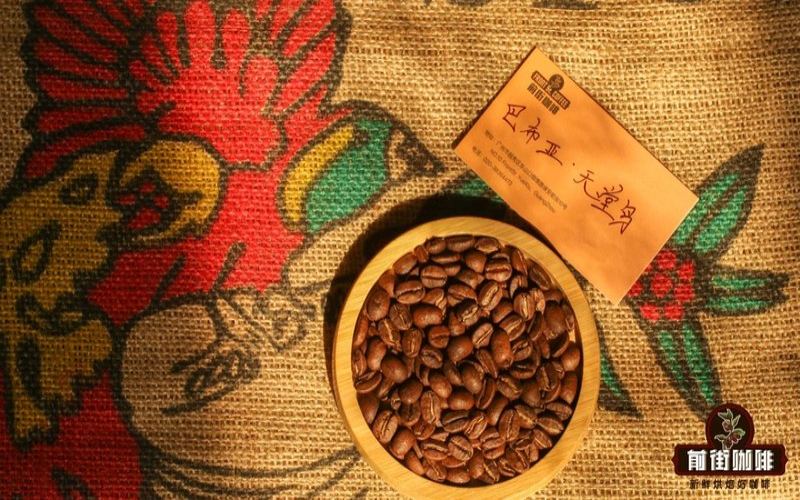
If you want a single-origin pour-over with soft acidity and a bitterness that doesn't steal the show, roast level is a very practical place to start. A light roast preserves floral and fruity notes, but it may come across as bright; a medium roast more easily brings out sweetness and roundness; a dark roast offers cocoa, nuts, and a fuller body. The key is not to chase the absence of acidity or bitterness, but to let both sensations land in [more…]

Barista Fails 2.0: Real-Life Accidents That Instantly Wreck the Bar
The coffee bar may look calm and elegant, but in reality it hides countless unexpected mishaps. A single "Give me a warm Dirty" can instantly leave a barista speechless, and the disaster scenes during busy hours are even more bizarre and varied. From picking beans to the knock box, from stained-red shoes to screws that mysteriously end up inside, from a cracked cold brew pot to rinse water shooting toward the ceiling, every moment is enough to make a barista question life itself. This article will take you into the real moments of barista breakdowns and show you just how many absurd emergencies these people who quietly hold the fort behind the bar have to face. When something goes wrong, don’t panic—take a photo first. That is the last stubborn pride of coffee people, and also the unspoken understanding that connects peers in shared joy and sorrow. [more…]

How to Choose Everyday Beans for a Moka Pot: Roast Level Determines the Cup
Coffee brewed in a moka pot is usually more concentrated than filter coffee, with a noticeable weight on the palate. As the roast level of the beans changes, the acidity, sweetness, aroma, and finish in the cup shift accordingly. If you're looking for a daily-drinker staple bean, start by checking the roast direction on the packaging, then decide whether you more often drink your coffee black or [more…]

When Luosifen Meets Coffee: From Breakfast Pairings to Main Meal Crossovers, How Far Can This Innovation Trend Go?
The cross-boundary combination of coffee and Chinese meals has long ceased to be novel—from youtiao and shaobing to pork intestine noodles and roujiamo, even the notoriously "stinky" luosifen has now joined this fusion experiment. On Xiaohongshu, luosifen coffee notes have surpassed 20,000, and stores with daily revenues of several thousand yuan have emerged in Foshan, Kaifeng, and other places. Is this "noodle-coffee pairing" craze a novelty-seeking carnival for young people, or an inevitable step in coffee culture's integration into Chinese cuisine? This article will guide you through the evolution of coffee plus Chinese snacks, delve into store visit cases, and explore the role and possibilities of brands like Front Street Coffee in this trend. [more…]
Espresso Bottomless Portafilter | What's the Difference Between a Spouted and Bottomless Portafilter on an Espresso Machine? Which Coffee Portafilter Is Suitable for Coffee Beginners?
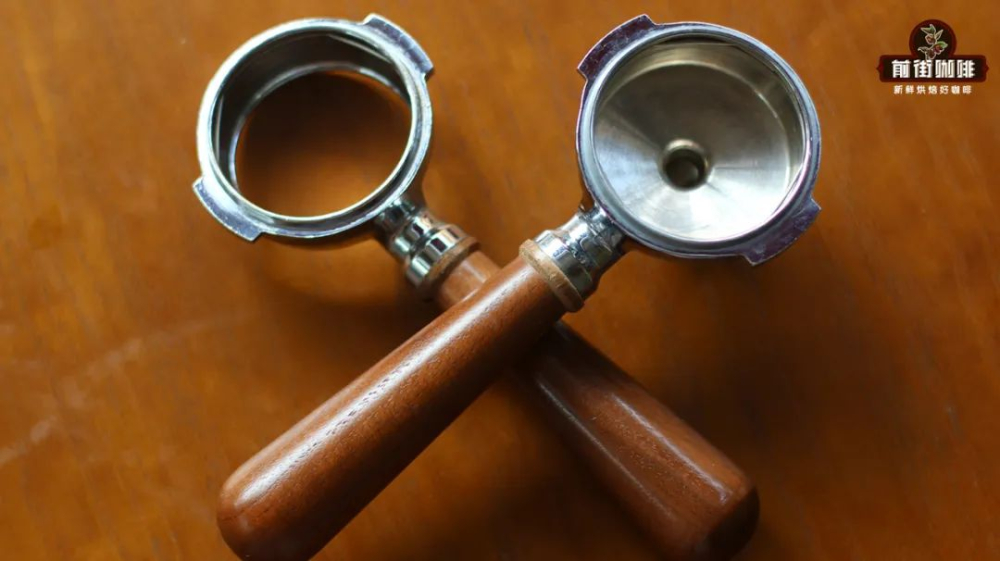
For more specialty coffee knowledge, please follow our WeChat official account: Front Street Coffee (FrontStreet Coffee). The coffee extraction portafilter is an important tool for semi-automatic espresso machines. There are mainly two types of coffee portafilters: the first is the bottomed split portafilter, and the second is the bottomless straight-out portafilter. [more…]