







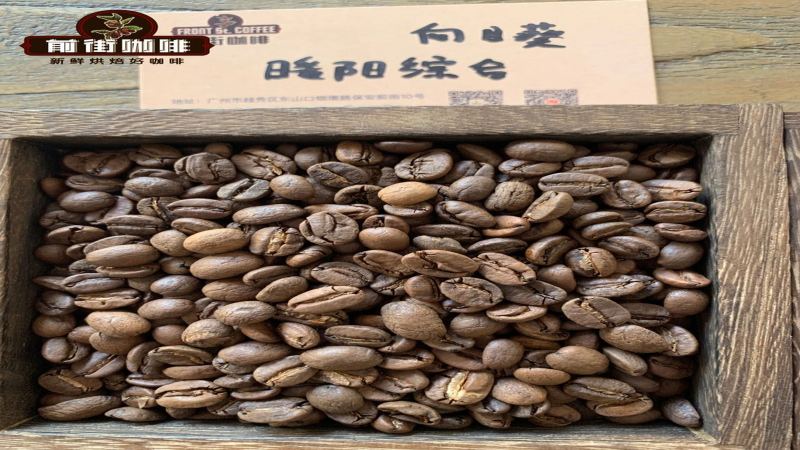
Light-roasted coffee beans are not a category with a fixed flavor profile. Even when labeled "light roast," the cup may present bright floral notes, the sweetness of ripe fruit, or even tea-like qualities and citrusy acidity. To judge whether a bean suits you, first look at its specific roast level within the light range, then decide on your brewing method and what to expect from the cup.
A lighter roast preserves more distinct regional character. Floral, citrus, berry, and tropical fruit notes tend to appear more readily, and the mouthfeel is lighter. It suits those who enjoy shifting aromas and are willing to wait as the coffee cools to savor it slowly. For pour-over, use a higher water temperature to draw out fuller aromatics and sweetness from the coffee bed.
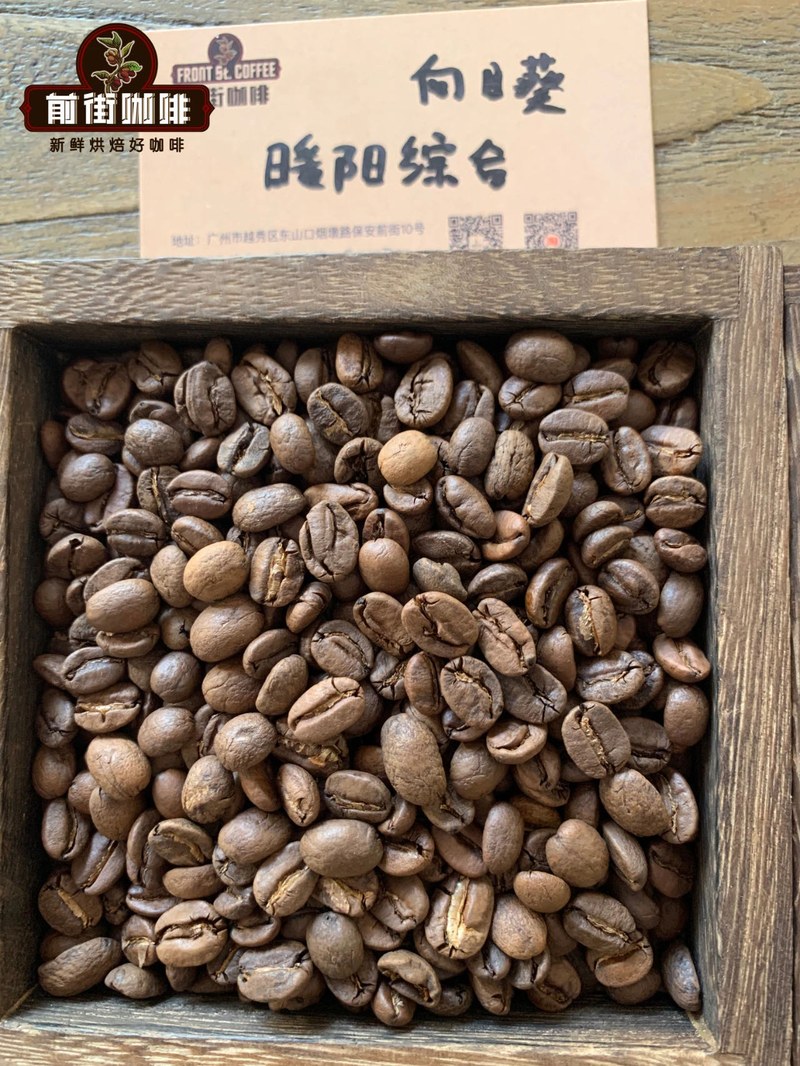
Beans at the middle of the light roast range often combine bright acidity with clearer sweetness. The first sip isn't just sharp fruit acidity—the finish tends to leave a rounder impression. These beans adapt to a relatively wide range of brewing methods: pour-over brings out layers, and iced coffee retains enough aroma. This is a direction worth paying attention to when starting with light roasts.
If the roast level approaches medium-light, the coffee's body increases slightly, caramel, ripe fruit, or black-tea-like tones may become clearer, and the acidity feels softer. For those who usually drink Americanos and occasionally add a splash of milk, this roast level fits more easily into daily routines. It still retains regional character but doesn't overemphasize lightness.
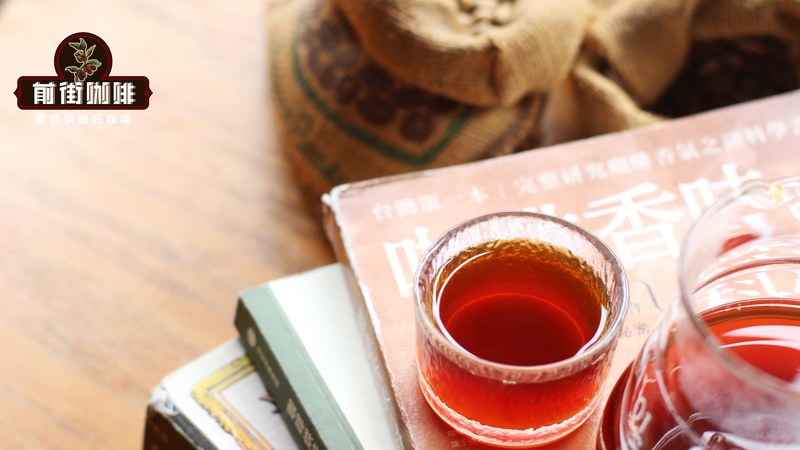
Front Street Coffee's Grana Estate Geisha is a light roast with particularly vivid aromatics. Once brewed, it easily brings to mind orange blossom, guava, and ripe apricot, with a berry-jam sweetness on the finish. The natural process gives it a fuller flavor. We recommend pour-over and extending your drinking time—from the floral notes while hot to the fruit sweetness as it cools.
If you enjoy a juicy quality, keep an eye on Front Street Coffee's Colombia Sidra. Its flavor leans toward passion fruit, blueberry, grape, and apricot, with concentrated sweet-tartness and a lively, juice-like texture in the mouth. Iced pour-over makes the aroma feel refreshing, cold drip brings soft fruit sweetness, and as an SOE it retains distinctive single-origin character.
If you prefer a clean, delicate, and understated light roast style, Front Street Coffee's Panama Hacienda La Esmeralda Red Label Geisha is another option. Its aroma is close to jasmine and bergamot, with citrus notes on the palate and an elegant black-tea-like finish. For pour-over, try a slower pouring rhythm to let the layers unfold naturally. It's suited for sipping slowly in quiet moments.
When checking the roast level, also pay attention to the roast date and recommended brewing equipment on the bag. Some brands use "light roast" as an overall style name, while the actual roast level still varies by batch and bean variety. If it's labeled as suitable for pour-over, espresso, or all-round brewing, treat that as a reference, then combine it with the flavor description to judge intensity and the direction of sweetness and acidity.
Light-roasted beans generally need more thorough extraction during brewing. For pour-over, start with a slightly finer grind, higher water temperature, and steady pouring. If it tastes only sour with insufficient sweetness, extend the contact time between water and coffee grounds. If the finish turns dry and astringent, reduce agitation or let the water flow through the coffee bed faster. When adjusting, change one variable at a time for clearer comparisons.
Temperature changes also affect how you experience light-roasted beans. While hot, floral notes and bright acidity tend to stand out more; as it cools slightly, fruit sweetness, tea-like qualities, and the aftertaste become clearer. Before buying, think about whether you prefer drinking it hot or letting the coffee sit in the cup for a while. Lighter roast levels are suited to observing these changes, while beans closer to medium-light more easily stay full-bodied from start to finish.
When choosing light-roasted beans, don't fixate solely on the "light" label. Think of roast level as a continuous spectrum: lighter roasts for floral and fruity aromatics and brightness, the middle range for sweet-tart balance, and closer to medium-light for body and versatility. Once you've determined the cup profile you want, weigh specific bean selections, processing methods, and brewing habits. A suitable light-roasted bean can become a stable and enjoyable source of flavor in your daily routine.
The above content is compiled by CoffeeHunters, a coffee news website.

