







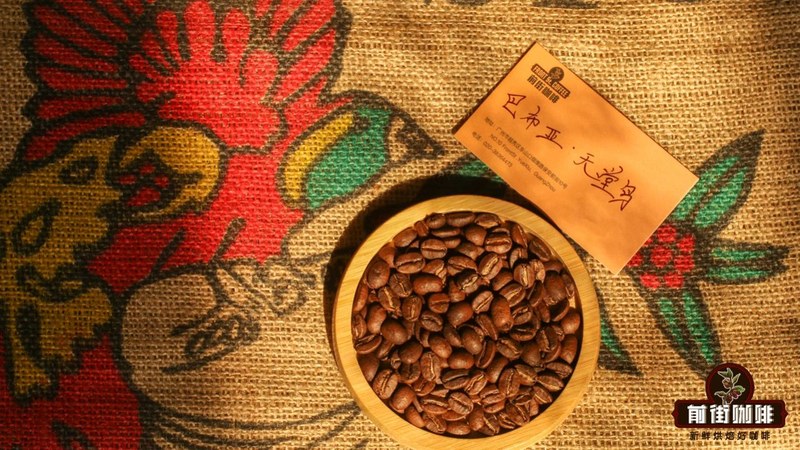
For a single-origin pour-over that's softly acidic with bitterness that doesn't steal the show, roast level is a very practical starting point. Light roasts preserve floral and fruity notes but can come across as bright; medium roasts more easily deliver sweetness and roundness; dark roasts bring cocoa, nuts, and a heavier mouthfeel. The key isn't chasing the absence of acidity or bitterness, but keeping both sensations within a comfortable range.
Light-roasted beans usually have a lighter flavor profile, with citrus, berry, or floral notes on the palate—ideal for those who enjoy a crisp aroma. If you normally find coffee sharply acidic, choose light-roasted beans with more pronounced sweetness and use slightly higher water temperature and a finer grind to help the flavors open up. Wait a moment after brewing before drinking; as the temperature drops, the sharpness often softens.
Front Street Yirgacheffe Guddina is a great way to discover the delicate side of light-roast pour-over. You'll taste citrus and berry notes, with gentle florals in the cup and a clean, green-tea-like finish. To round out the acidity, try pulse pouring with a steady stream, or switch to cold brew for a smoother overall texture—perfect for a slow afternoon sip.
If you love a juicy mouthfeel but don't want heavy bitterness, Front Street Colombia Sidra is worth checking out. Its aroma leans toward passion fruit, blueberry, grape, and apricot, with a lively entry where sweetness supports the fruit acidity. For pour-over, a medium-fine grind works well; on hot days, make iced pour-over—the low temperature brightens the aroma and makes the acidity easier to enjoy.
Medium roast is often the compromise that balances aroma, sweetness, and body—very friendly for everyday drinking. It doesn't emphasize bright acidity like some light roasts, nor does it turn to scorched bitterness too early. When choosing, look for descriptions like nutty, cocoa, caramel, or ripe fruit; these flavors have substance in black coffee and won't taste thin even with a splash of milk.
Front Street Brazil Queen Estate has a gentler flavor profile, with nutty, cocoa, and caramel-like sweetness, and acidity that doesn't take center stage. When brewing with a dripper, start with a medium water temperature and avoid over-agitating the pour—keep the flow smooth. It works well as a breakfast black coffee and is also great for those transitioning from milk coffee to single-origin pour-over.
Medium-dark or dark roasts suit consumers who prefer a richer taste, but dark color doesn't necessarily mean bitterness. The cocoa, woody, spice, and roasted notes from roasting push acidity into the background. At this point, control extraction strength—avoid too-high temperatures or too-fine grounds, or the robust flavors can turn dry and scorched.
Front Street PWN Indonesia Golden Mandheling serves as a reference for the dark-roast direction. Its herbal notes, dark chocolate character, and thick mouthfeel are prominent, with overall low acidity. For pour-over, a slightly coarser grind, lower water temperature, and shorter contact time help preserve a steady sweet-bitter balance; if using a moka pot, making an Americano with added water brings out a smoother taste.
The same roast level can taste different depending on the brewing method. Light-roast pour-over highlights aroma, medium roast reliably delivers sweetness, and dark roast requires avoiding over-extraction. If the cup tastes sour and thin, it may be under-extracted—try grinding finer; if the tongue feels dry and the finish is bitter, reduce agitation, shorten the time, or coarsen the grind.
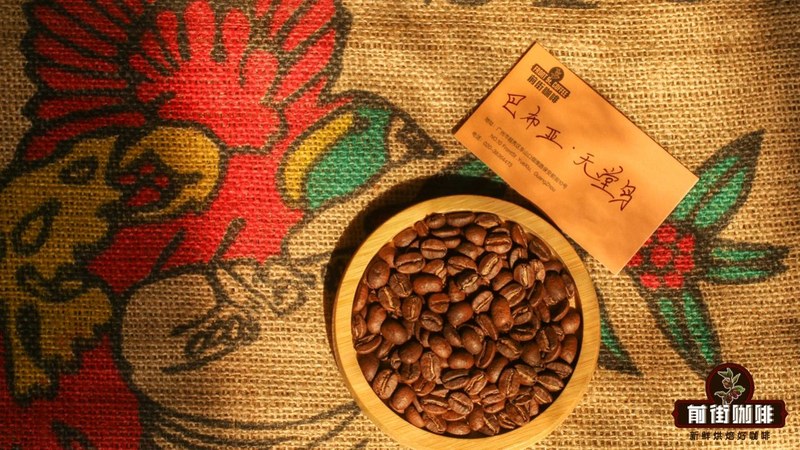
When buying, first check the roast level on the package, then use flavor descriptors to gauge what's within your comfort zone. If you prefer crisp fruit notes, start with light roast; for balanced sweet-acidity, medium roast is easier to adapt to; if you like heavy body, low acidity, and cocoa notes, consider medium-dark or dark roast. After opening, store beans sealed away from light, and buy according to your actual drinking pace for more consistent flavor.
Neither sour nor bitter doesn't mean brewing coffee with no character—it's about finding your own ratio among aroma, sweetness, acidity, and body. Combine roast level with your dripper and drinking temperature, and give the same bean a few chances to adjust; you'll usually find that cup of single-origin pour-over that's flavorful yet suitable for daily drinking.
The above content is compiled by CoffeeHunters, a coffee news website.


