








How long does a moka pot take, and why boil it empty first?
A new moka pot is usually trial-brewed two or three times before first real use, and that liquid is poured out rather than drunk. Clean water alone is not advised for these runs because, without coffee grounds as a barrier, pressurized hot water can spray and scald. The first brews mainly flush debris from internal gaps.
If discarding three brews feels wasteful, dark-roasted stale beans can season the pot until the cleaning goal is met, then fresh beans are used for actual extraction. From there, water volume, moka pot coffee grind, how the filter basket is filled, and daily cleaning all shape both the extraction result and safe use.
Friends who have just gotten their hands on a moka pot often see a tip in tutorials: before officially using a new pot, you need to do a trial brew two or three times, and the coffee liquid produced should be discarded directly. What is the reasoning behind this practice? Actually, for the initial seasoning of a new moka pot, it is not recommended to use only clean water for the trial brew, because without the coffee grounds as a barrier, hot water under pressure can easily splash and pose a scalding hazard. The main purpose of the first few trial brews is to clean the internal gaps of the pot and any impurities that may remain, so Front Street recommends discarding the liquid from the first three brews rather than drinking it. If you want to reduce waste, you can also use older dark-roasted stale beans to season the pot, and once the cleaning effect is achieved, switch to fresh beans for proper extraction. In addition, there are many details worth paying attention to when using a moka pot, such as water volume control, grind size selection, filling the filter basket, and daily cleaning and maintenance, all of which directly affect the extraction result and safety of use.
Some friends who are new to moka pots have noticed a claim while browsing tutorials: a newly purchased moka pot should be trial-brewed 2–3 times before official use, and the brewed coffee liquid must be poured out and not drunk. Why exactly is that???
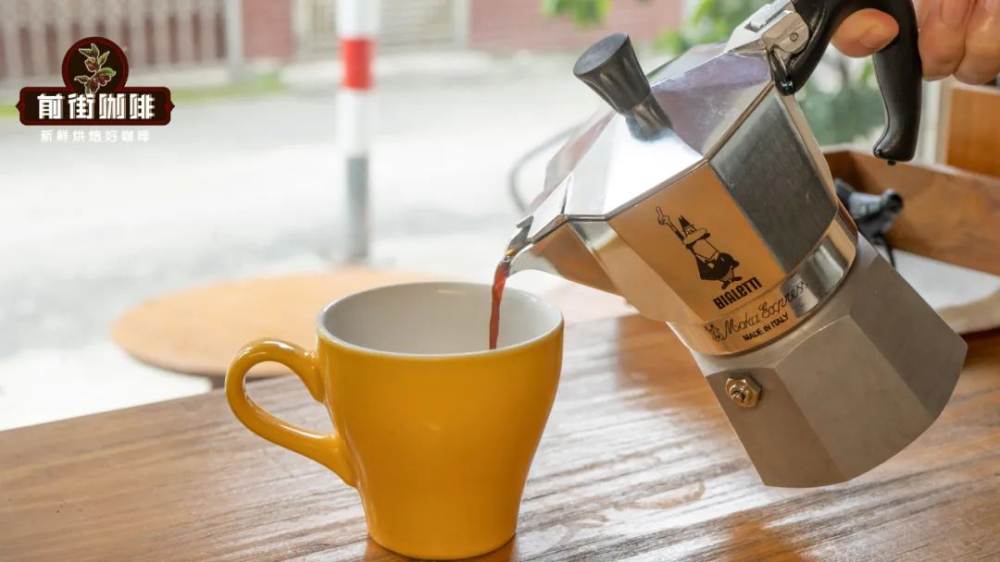
For the initial seasoning of a new moka pot, Front Street does not recommend using clean water directly for the trial brew. Because without coffee grounds as a “barrier,” hot water driven by pressure can easily spray out, creating a risk of scalding. Since the first three trial brews are meant to clean the internal gaps of the moka pot, which may contain debris, Front Street recommends pouring them out directly and not drinking them. If you feel it is wasteful, we can also use dark-roasted stale coffee beans (grounds) that have been sitting for a long time to season the pot, and after achieving the purpose of safe cleaning, use your favorite fresh beans for extraction.
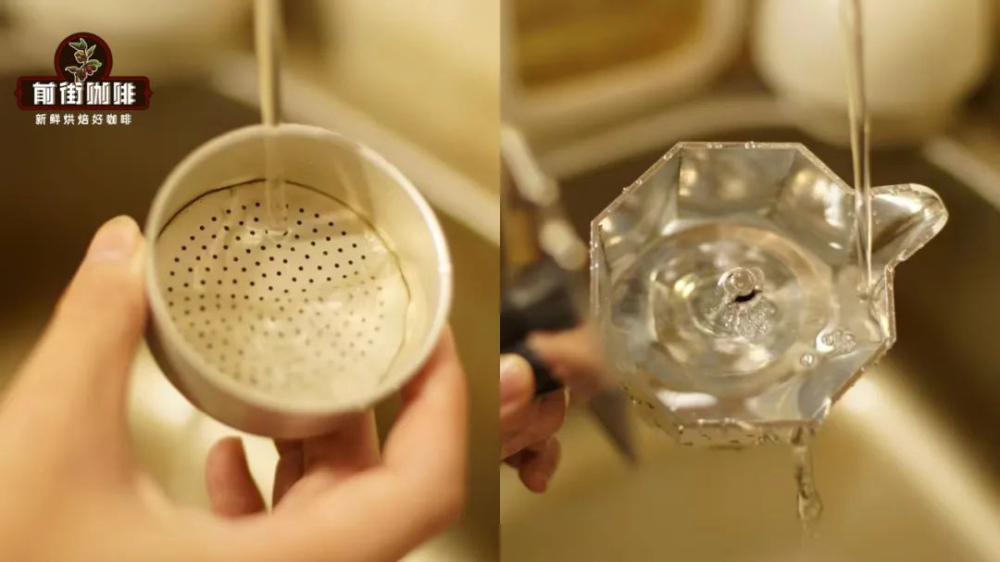
Actually, in addition to doing a good job of seasoning the pot, the following details also need everyone’s attention when using a moka pot.
The extraction method of a moka pot is similar to that of an espresso machine. When heated at high temperature, the water in the lower chamber is heated first and turns into steam, creating a certain pressure that pushes the steam from bottom to top. When the hot water rises and reacts with the coffee grounds, the continuously increasing pressure pushes the extracted coffee liquid up into the upper chamber, and at this point we get the strong coffee liquid we need. So when there is a blockage at some stage, or when the coffee flows out too much or too quickly, it will cause splashing.
The amount of water added to the lower chamber must not exceed the standard scale line, that is, it should be controlled at 0.5 cm below the pressure relief valve line. This valve is designed to prevent explosions caused by excessive pressure due to certain factors (such as coffee grounds that are too fine). If the water covers this valve, the pressure relief effect may be lost, and there is a risk of bursting.
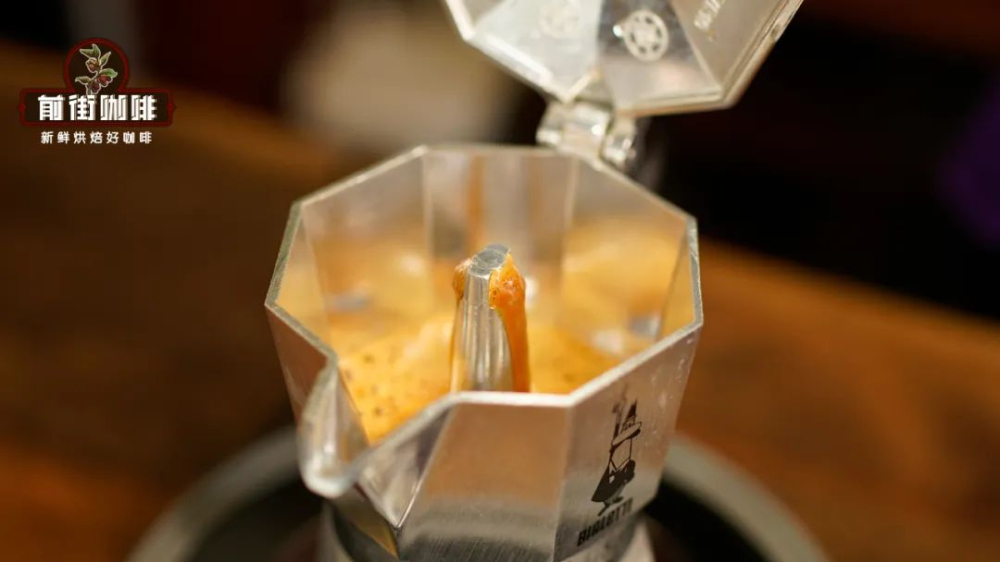
If the coffee grounds are ground too coarse, it will lead to insufficient extraction, too little resistance, and splashing; if too fine, it will lead to over-extraction, with a heavy burnt-bitter taste that is hard to drink. The filter basket needs to be filled and leveled (to the point of forming a small hill). If there are not enough coffee grounds, when the water from the lower chamber enters the middle layer of grounds under steam pressure, it cannot extract fully, which will then cause the upper chamber to splash into “twin tails,” and you can imagine the coffee’s taste will also be hard to describe.
Front Street cleans the moka pot promptly after each use and dries it upside down, which helps avoid oxidation. If old coffee stains remain on the filter screen, gasket, or extraction channel, they may cause blockages, affect normal extraction, and ultimately lead to off-flavors and burnt bitterness.
Front Street Coffee (FrontStreet Coffee)
No. 10, Bao’an Qian Street, Yandun Road, Dongshankou, Yuexiu District, Guangzhou, Guangdong Province
The above content is compiled by CoffeeHunters, a coffee news website.


