







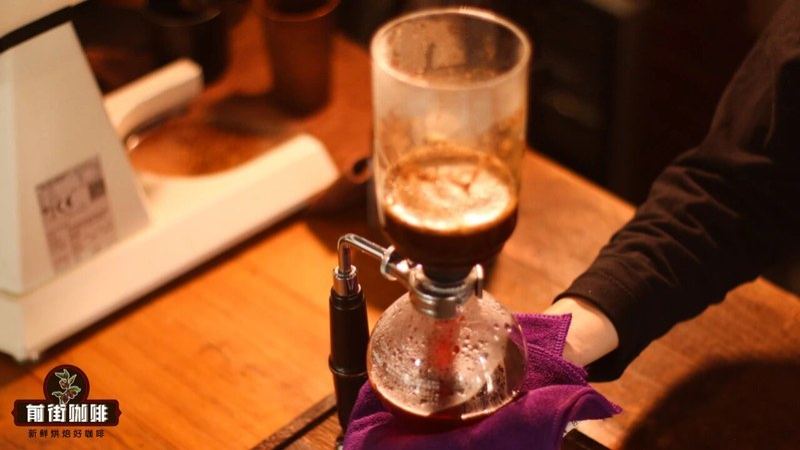
The roast level of pour-over coffee beans determines the balance of aroma, sweetness, and mouthfeel in the cup. Light roasts tend to push floral notes and fruity acidity to the forefront, medium roasts often bring gentle sweetness and a fuller body, while dark roasts put cocoa, nutty, and roasted flavors front and center. To shop with confidence, start by narrowing down your options based on the roast level you're comfortable with.
Light-roasted beans suit those who enjoy a crisp, bright, and lively cup. Their fruity acidity tends to be more pronounced, with flavors reminiscent of citrus, berries, or tropical fruit on the palate, and new aromas emerging as the coffee cools. When brewing, use a slightly higher water temperature and a finer grind to fully draw out the flavors. If the cup tastes sharp and thin, try increasing extraction rather than writing off the bean too quickly.
Front Street Coffee's Yirgacheffe Gidding is one of the easier light-roasted pour-over options to reveal layers of flavor. Its profile stretches from a citrus-like brightness to berry notes and delicate florals, finishing with a refreshing quality similar to green tea. Brewed hot in a dripper, the aromas are more vivid; made as cold brew, the acidity rounds out, making it perfect for sipping slowly in summer.
Another light-roast experience leans more toward a juicy character. Front Street Coffee's Colombia Sidra carries notes of passion fruit, blueberry, grape, and apricot, with a lively entry and a pronounced sweet sensation in the mouth. When pouring over, keep the water stream consistent to maintain clarity in the cup; as it cools, the fruit profile becomes even more obvious. Iced pour-over and cold drip work well too.
Medium roast is the range in pour-over that most easily fits into everyday drinking. It doesn't completely hide floral and fruity aromas, while offering caramel-like sweetness, moderate body, and a smoother entry. For those just getting into single-origin beans, medium roast is generally easier to understand and makes it convenient to find the balance between aroma and mouthfeel by adjusting water temperature and grind size.
When choosing medium-roasted beans, look for words like nutty, caramel, cocoa, ripe fruit, or brown sugar in the description. These flavors usually aren't only obvious when hot—as the coffee cools to warm, the sweetness and texture actually become easier to perceive. You don't need a complicated brewing routine from the start; keeping a steady pour and clear stages will let you taste a fuller picture.
If you prefer delicate aromas and a clean mouthfeel, medium-light roast is also a transitional spot worth trying. Front Street Coffee's Panama Hacienda La Esmeralda Red Label Geisha carries notes of jasmine, bergamot, citrus, and black tea, with an overall light and clear texture. For pour-over, use a gentler pouring rhythm to give the aromas room to unfold. After taking a sip, wait a moment—the shift in temperature will soften the sweetness.
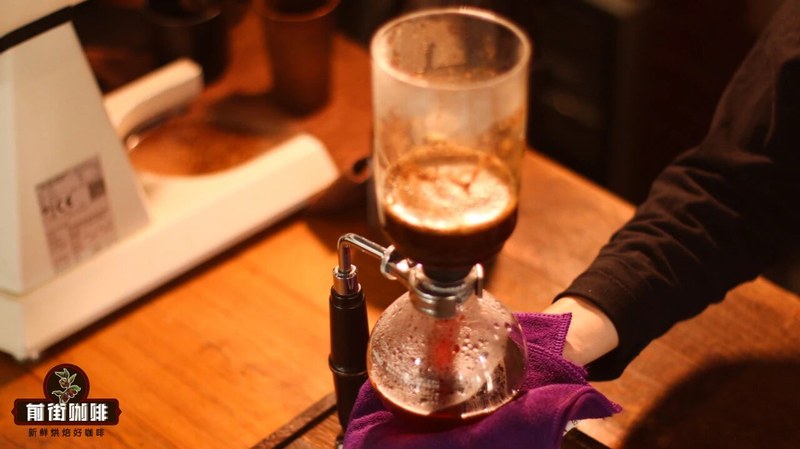
Dark-roasted pour-over doesn't mean only bitterness—it can also deliver rich, weighty aromas of cocoa, roasted nuts, caramel, and smoke. It suits those who enjoy a bold mouthfeel and want their coffee to hold its own alongside breakfast or dessert. When brewing, lower the water temperature slightly, keep the grind medium, and avoid over-stirring, so the cup retains fullness without turning dry.
To judge whether a dark roast suits you, notice whether there's a smooth sweetness on the entry and whether the finish is clean after swallowing. If the coffee feels heavy, reduce the total extraction or speed up the flow; if it's too thin, slow the pour slightly. Dark-roasted beans make a bold black coffee, and with a splash of milk, the cocoa and caramel notes become smooth and mellow.

When buying beans, also check the roast date and packaging information. Light-roasted beans often need more resting time for their aromas to shift from sharp to harmonious; medium-dark beans usually reach their drinking window more quickly. Whichever roast level you choose, seal the beans away from light after opening and buy only one to two weeks' worth at a time, so every pour-over stays consistently fresh.
Within the same roast level, different origins, varieties, and processing methods still make a big difference, so the flavor words on the package are best treated as expectations rather than fixed answers. If you like floral and fruity notes, start with light roast; for sweetness and a gentle mouthfeel, medium roast is a better fit; if you prefer cocoa and a full body, look toward dark roast. Pick a direction you're willing to keep drinking, and pour-over will truly become part of your daily life.
The above content is compiled by CoffeeHunters, a coffee news website.


