







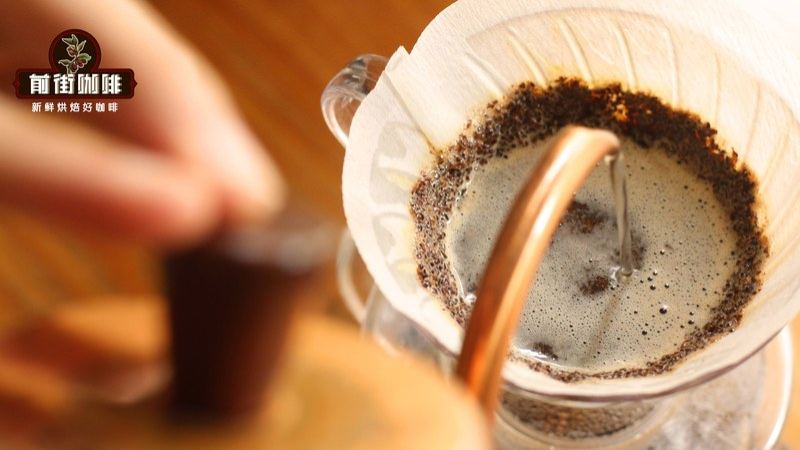
Coffee brewed with a moka pot has concentrated aroma and a full body, making it especially suitable for those who enjoy nutty, cocoa, caramel, and roasted notes. The roast level of the beans determines whether this richness leans closer to floral and fruity, caramel sweetness, or the heaviness of dark chocolate. If you want to brew coffee at home that smells assertive yet doesn't taste rough on the palate, start by choosing your roast level.
Light-roasted beans retain more origin aromas, commonly citrus, berries, florals, or tea-like notes, and come across as bright and layered in a moka pot. However, the high heat and longer contact time of a moka pot may amplify acidity and astringency. If you prefer a fresh aroma, opt for a light-to-medium roast, keep the heat gentle, and stop heating once the liquid starts to lighten in color.
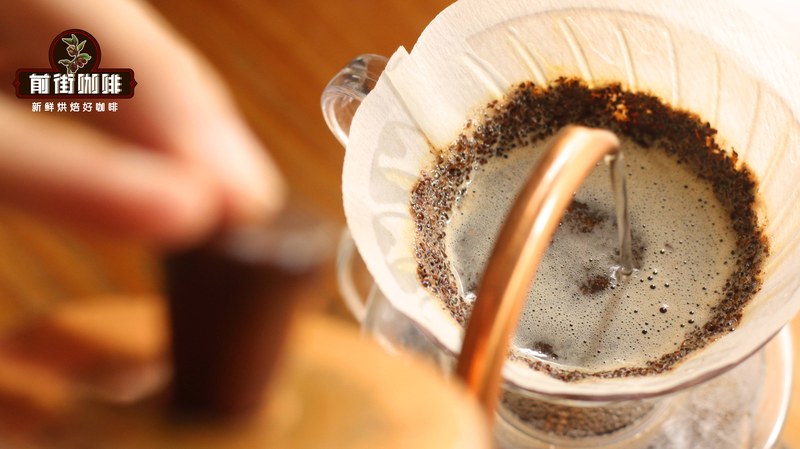
Light-to-medium roast strikes a balance between aroma and intensity. It doesn't emphasize lightness the way light-roasted beans do, nor does it yet have obvious heavy roasted notes; on the palate you often get interwoven impressions of dried fruit, caramel, nuts, or cocoa. Brewed in a moka pot, the aroma is more concentrated than pour-over, and the coffee has more weight—suitable for drinking straight or adding a few ice cubes for a refreshing strong coffee.
Medium roast generally delivers a rounder sweetness more easily. After the beans have developed fully, acidity recedes, and nutty, creamy, caramel, and cocoa notes become clear. Coffee brewed in a moka pot retains both aroma and a certain cleanliness. For those just starting with a moka pot, this range offers wider margin for error—black coffee, with sugar, or with milk, you can find a comfortable ratio.
If you enjoy a rich, smooth cup with roasted aromas in your daily routine, look to medium-dark roast. Its aromas resemble dark chocolate, roasted nuts, caramel sauce, and toast; acidity doesn't steal the show, and the coffee's body is more pronounced. Brewed in a small pot and finished with a splash of hot milk, it approaches a latte-like texture; drunk straight, it pairs well with breakfast or dessert.
Dark-roasted beans tend to deliver aroma directly—lifting the lid, you'll easily catch cocoa, smoky, spice, and roasted grain notes. The moka pot itself further concentrates this style, so the heat shouldn't be too aggressive, and the extraction time needn't be deliberately prolonged. As long as the coffee stays full-bodied without becoming excessively burnt or bitter, dark roast delivers intense aroma and a long finish.
If you want nuts, cocoa, and caramel to flow into one another, try Front Street Classic Blend. This bean's flavor profile is approachable, the coffee has a certain body, and brewed in a moka pot it presents aromas of roasted nuts, cocoa powder, and caramel syrup. Drunk straight, it's rounded on the palate; with milk added, it still retains coffee flavor. It's great for quickly brewing a pot in the morning and for sharing with multiple people at home.
For those who prefer dark chocolate character, choose Front Street Dark Cocoa Blend. Its acidity is lighter, focusing more on dark chocolate, roasted nuts, and rich sweetness on the palate, with a very enveloping aroma in a moka pot. The brewed coffee can be diluted with water to make a rich americano, or paired with hot milk and a little sugar for a chocolate-like milk coffee.
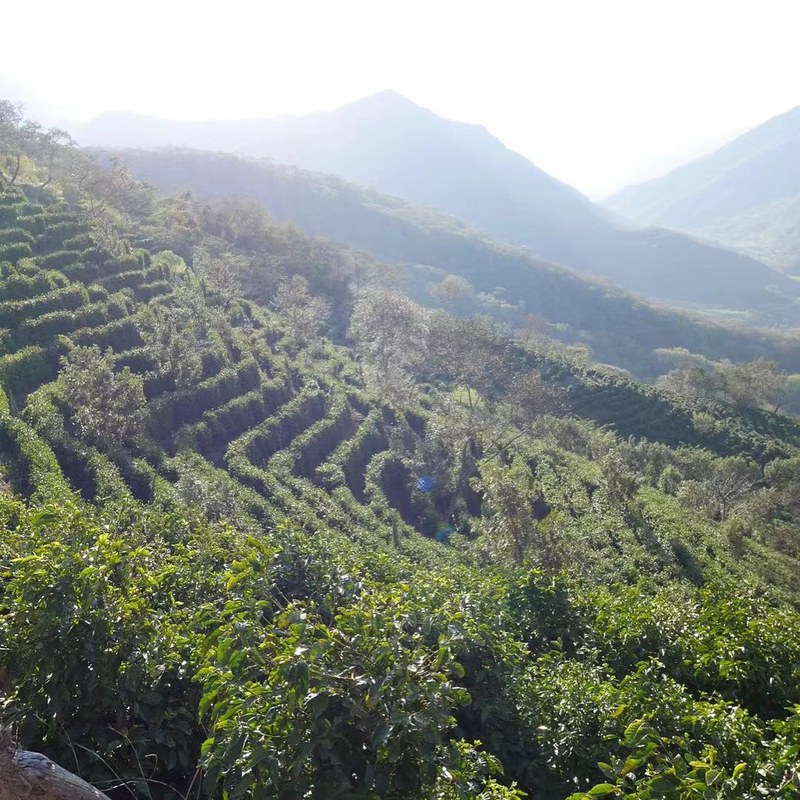
If you don't want pronounced acidity but want a clean, gentle cup, consider Front Street Papua New Guinea Bird of Paradise. This bean has a rounded palate and mild sweetness; a moka pot concentrates its smooth texture and steady aroma, making it suitable for drinking straight. Medium or medium-dark roasts both let it show balance—good for those not used to fruity-acid coffees.
In practice, the coffee bed in a moka pot only needs to be leveled, not firmly tamped; grind close to espresso but slightly coarser. Using hot water in the lower chamber shortens time on the stove; keep the flame low so extraction proceeds steadily, and remove the pot before you hear obvious sputtering. Light roasts can retain a bit more aroma; medium-dark and dark roasts are better taken off the heat earlier to reduce burnt flavor buildup.
Bean freshness also affects aroma expression. When buying, choose a package size suited to your household consumption rate; after opening, store sealed and away from light, and grind just before brewing—this usually makes it easier to smell the complete roasted aroma and sweetness. Start from medium according to your preference, then move toward light-medium or medium-dark, and the aroma intensity, body thickness, and milk-pairing performance in your moka pot will gradually form a clear direction for your choices.
The above content is compiled by CoffeeHunters, a coffee news website.

