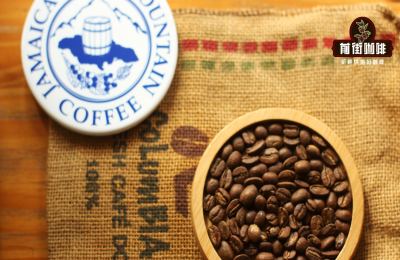
Coffee brewed in a moka pot is usually more concentrated than filter coffee, with a noticeable weight on the palate. As the roast level of the beans changes, the acidity, sweetness, aroma, and finish in the cup shift accordingly. If you're looking for a daily drinker, start by checking the roast direction on the packaging, then decide whether you more often drink your coffee black or with milk, ice, or syrup.
Light-roasted beans retain more of their origin character, often showing floral, citrus, berry, or tea notes. In a moka pot, the aroma can still be lively, but the high heat and longer contact time make the acidity feel more direct. This suits those who enjoy a bright cup and like to observe how flavors evolve—just don't grind too fine, and keep the heat gentle so the coffee stays light rather than sharp.
Medium-roasted beans are often better for building a stable everyday cup. They offer some aromatic variation along with caramel-like sweetness and moderate body. As a hot americano they don't taste thin, and with a splash of milk they don't lose their coffee presence entirely. For someone just adding a moka pot to their routine, this range is usually the easiest to find a comfortable brewing rhythm with.
Medium-dark roasted beans shift their flavor focus toward cocoa, roasted nuts, caramel, and ripe sweetness, with a fuller-bodied coffee. This echoes the concentrated character of a moka pot, making it suitable for breakfast with bread or for milk-based drinks. If you generally prefer a round, low-acid, substantial cup, medium-dark roast is a key search direction when buying.
Dark-roasted beans don't just bring bitterness—the beans themselves may also show notes of dark chocolate, roasted grain, or deep caramel. In a moka pot, the concentration rises quickly, and heat level, timing of removal from the stove, and the state of the coffee bed all affect cleanliness. With good control, you get a thickness reminiscent of cocoa paste; with too much heat buildup, the sweetness and aroma tend to get suppressed.

If your daily routine centers on black coffee, medium to medium-dark beans can provide a fairly complete palate. After pouring into the cup, wait a moment—as the temperature drops slightly, the sweetness and aroma become easier to distinguish. Those who enjoy clear acidity can lean toward medium roast, while those who prefer a rich aftertaste can choose a slightly darker roast for a fuller texture in the cup.
If the moka pot is mainly used for lattes or flat whites, the beans can be roasted slightly darker than for drinking black. Milk softens the acidity but also diminishes lighter aromas, so the coffee needs enough intensity and a base of cocoa or nuts. Front Street Coffee Black Cocoa Blend leans in this direction—its dark-chocolate-like intensity and roasted nut notes remain recognizable even after hot milk is added.
To cover both black coffee and milk coffee, choose a medium-roast blend with well-rounded flavors. Front Street Coffee Classic Blend combines nuts, caramel, and cocoa; the brewed coffee has some body, so drinking it straight won't leave only bitterness, and adding milk still maintains a sweet, smooth framework. It suits households with different preferences or those who switch between americano and milk coffee daily.
If you want low acidity without too much roasted heaviness, look toward gentle medium-roast single origins. Front Street Coffee Papua New Guinea Paradise Bird has a round, clean palate with soft sweetness, its overall character close to the balanced direction of a classic Blue Mountain. Brewed in a moka pot and diluted with hot water, it makes a smooth black coffee; with just a little milk, it retains its mild texture.
Once you've chosen a roast level, your brewing actions should adapt accordingly. For light roasts, use slightly higher water temperature and a slower flow to help the aroma open up fully; for medium-dark roasts, lower the heat and cut off the heating as soon as the coffee stream turns pale. Use a grind texture between fine sugar and table salt as a reference, then fine-tune based on the acidity, bitterness, and body in the cup.
Within the same roast level, the blend composition and freshness of the beans also change the outcome. Blends often combine nuts, cocoa, and caramel more coherently, making them suitable for regular drinking; single origins may reveal more aromas as the temperature shifts. When buying, first choose a roast direction you'd be happy to drink continuously, note your moka pot's capacity, dose, and heat level, then compare the differences between beans.
For moka pot daily drinkers, you don't need to chase complex flavors—the key is that the roast level suits your drinking habits naturally. If you like bright aromas, start with medium roast; if you value body and milk-coffee performance, move toward medium-dark; if you love intense cocoa notes, try the dark roast route. Once you find the right range, every pot you brew daily will come closer to your taste.
The above content is compiled by CoffeeHunters, a coffee news website.