







Search Results for: week
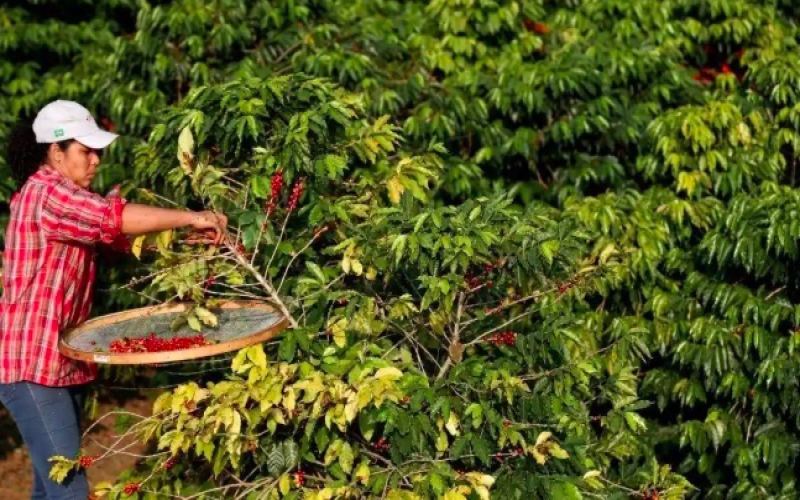
Brazil's green coffee exports accelerated in August, with exports in the first three weeks already exceeding the entire month last year.
Brazilian green coffee exports accelerated noticeably in August. Data released by Brazil's Secretariat of Foreign Trade (Secex) shows that as of August 24, Brazil had exported 153,800 tonnes of green coffee this month, surpassing the 142,900 tonnes exported in the entire month of August last year. In terms of average daily export volume, in August this year Brazil's daily [more…]
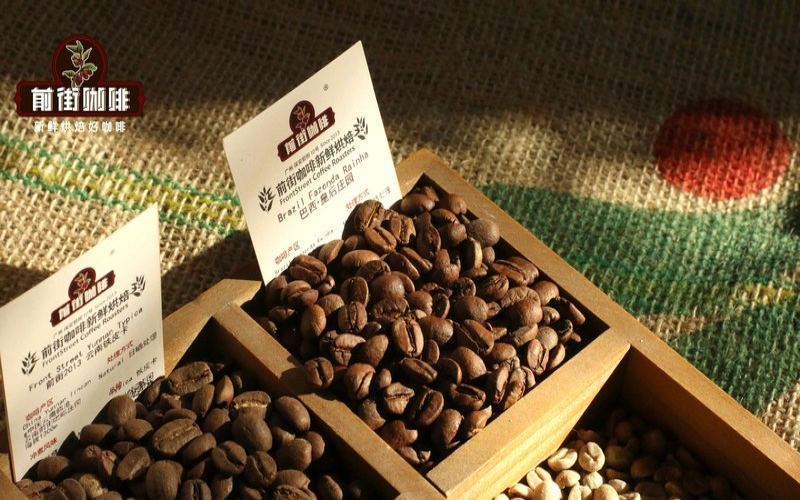
Brazilian coffee beans: How many days after opening do they taste best?
Whether a cup of Brazilian coffee tastes good depends not only on the flavor profile of the beans, but also on the time from when roasting is completed to when it enters the cup. Brazilian beans with notes of nuts, cocoa, and caramel usually need some time to release the gases accumulated after roasting, so that the aroma can gradually become mellow instead of sharp and scattered. When buying beans, first make clear [more…]
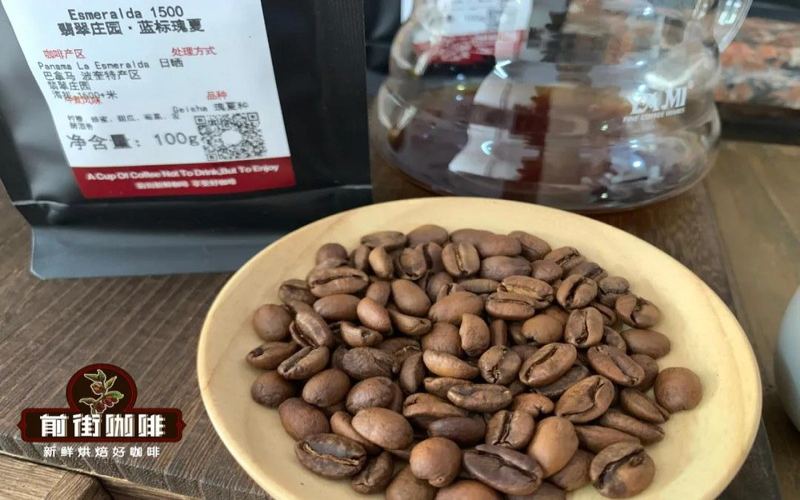
When to Start Drinking Moka Pot Beans: The Flavor Rhythm of Light, Medium, and Dark Roasts
Coffee brewed with a moka pot is quite concentrated, and the condition of the beans directly affects how it tastes. Freshly roasted beans are often full of active gas, and when hot water passes through the coffee bed it easily pulls out sharp, hollow flavors; only after resting for a while do the aroma, sweetness, and body gradually come together. Whether to choose a light, medium, or dark roast can't be judged by color alone. [more…]
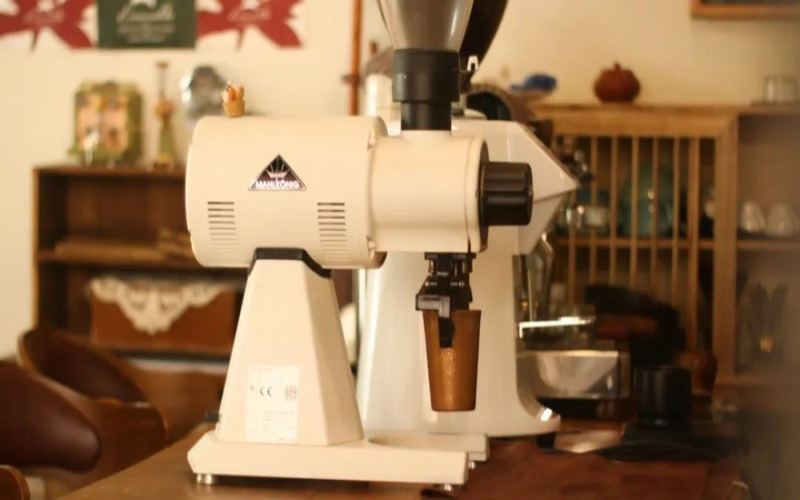
The Flavor Window and Storage Rhythm of Moka Pot Beans
Coffee brewed with a moka pot has both an espresso-like intensity and retains some of the bean's aromatic variations. Freshness directly affects this intensity: if the beans are used too early, the cup may have a noticeable bubbly sensation and a harsh, sharp bite; if rested properly, flavors like nuts, cocoa, and caramel gradually meld into one another, making each sip smoother. [more…]

The Flavor Window and Storage Rhythm of Nutty Chocolate Coffee
The appeal of coffees with notes of nuts, cocoa, and caramel often lies in their consistent sweetness, mild acidity, and smooth entry on the palate, making them suitable for hot Americanos, milk-based coffees, or moka pot brews. However, the same bag of beans, when drunk at different times after roasting, will vary in aroma, body, and finish. When choosing this type of coffee, besides looking at the flavor description, also pay attention to the roast [more…]
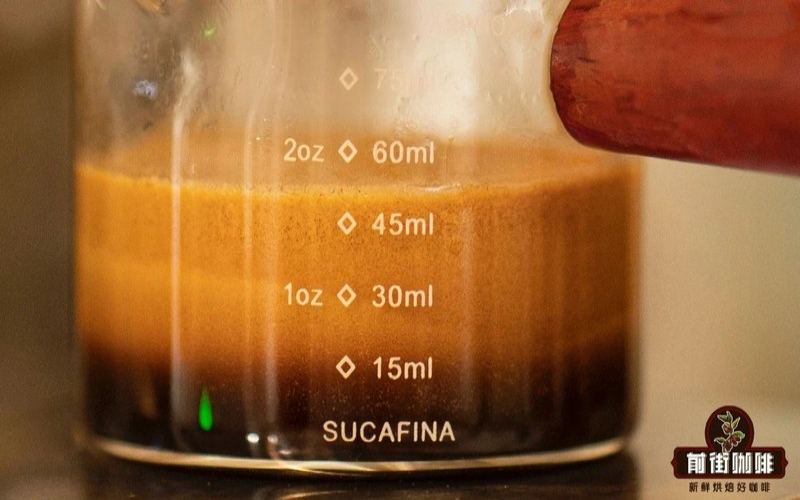
Rich Coffee Bean Recommendations: Make Every Cup Catch the Flavor Window
Full-bodied mouthfeel is not a flavor that is fixed in place the moment coffee beans are freshly roasted. After the beans come out of the roaster, they continue to slowly release carbon dioxide internally, and the aroma, sweetness, and mouthfeel will shift over time. If brewed too early, the cup may have a noticeable gassy sensation; when left to the right stage, flavors such as nuts, cocoa, and caramel are more likely to connect. [more…]
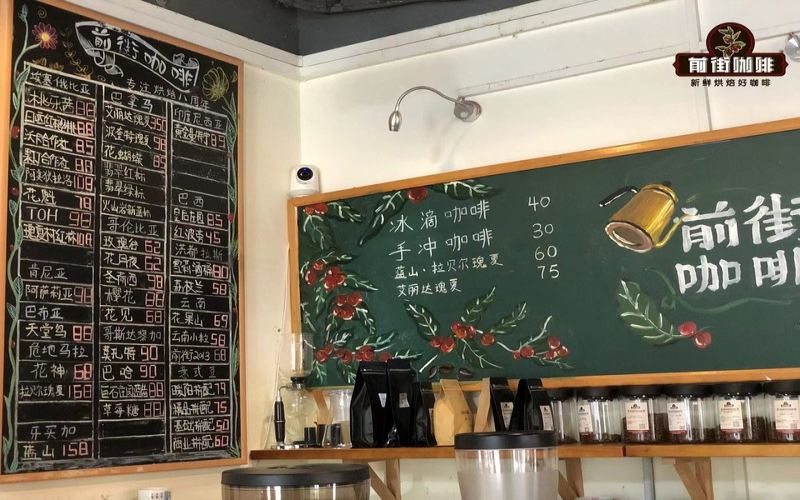
When to drink moka pot beans, and how to preserve aroma after opening
Coffee brewed in a moka pot is relatively concentrated, and the condition of the beans directly affects the aroma, sweetness, and finish. Freshly roasted beans contain more carbon dioxide, which tends to create resistance as water flows through the coffee bed; if left too long, the aroma gradually weakens. Therefore, when choosing beans for a moka pot, don't just look at the flavor description—also pay attention to the roast date. [more…]
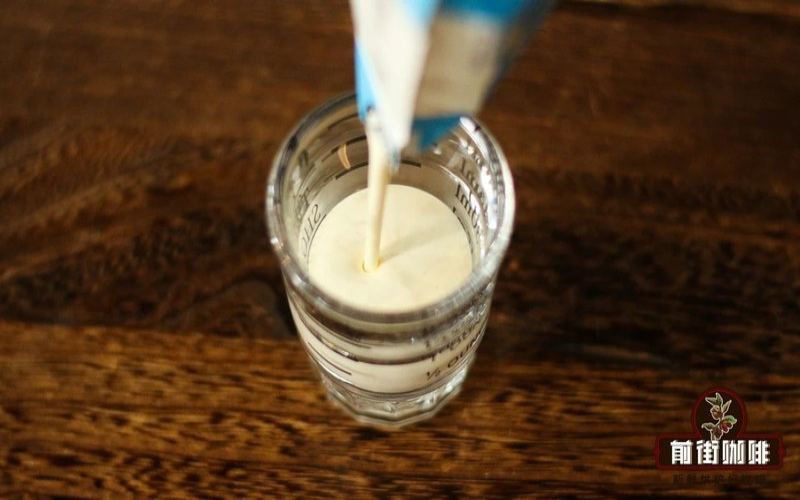
How to Enjoy Cold Brew Coffee Beans: Understanding the Flavor Window After Roasting
Cold brew isn't simply about chilling coffee liquid—low temperatures and a slow water flow stretch out the bean's aroma and sweetness, and they also magnify the differences that freshness brings. If freshly roasted beans are used right away, the cup may have a noticeable fizzy mouthfeel and a harsh acidity; once they've rested to a stable state, the fruity notes, sweetness, and finish are more likely to flow together. [more…]
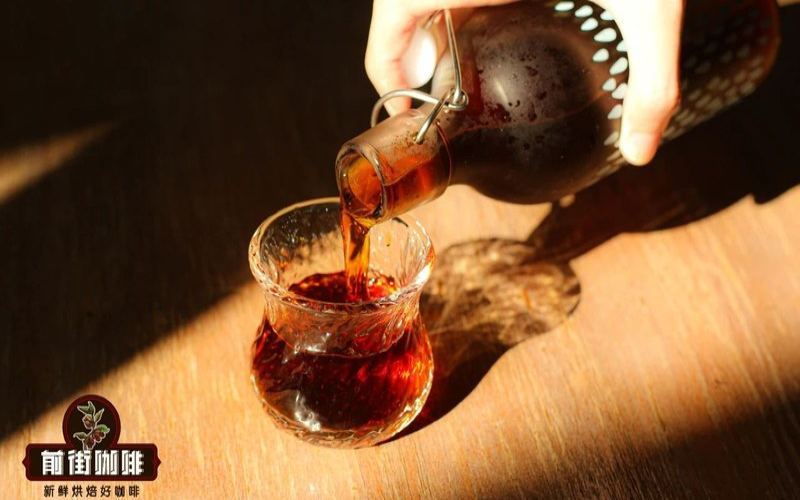
From roasting to brewing: how to capture the flavor window for pour-over beans
The flavor of a bag of pour-over beans changes over time. Freshly roasted coffee is usually full of gas, and its aroma hasn't fully opened up yet, so the brew may taste sharp, thin, or muddled. After resting for a while, the acidity, sweetness, floral and fruity notes, and lingering finish gradually come together, making each sip more complete. When selecting beans, the roast date is often [more…]
Fruity Coffee Bean Recommendations: The Flavor Rhythm from Roast to Cup
Fruity coffee beans don't show their best expression when brewed right after roasting. When freshly roasted, the beans retain a lot of gas, and the floral and fruity acidity can easily be pushed away by the airflow, while the cup may also taste sharp and thin. After resting for a period of time, the aroma, sweetness, and acidity gradually come together, getting closer to the flavor description on the packaging. When buying, first look at the roast [more…]
Moka Pot Medium-Dark Roast Beans: Timing Every Cup from Roast Date
Making medium-dark roast coffee beans with a moka pot is fascinating because the cocoa, caramel, and roasted aromas are concentrated, but these aromas do not settle into their proper place immediately after roasting is completed. When degassing is still vigorous, the flow may seem hurried and the aroma slightly dispersed; if left to rest too long, the fragrance in the nasal passages gradually narrows. Therefore, when selecting beans, besides [more…]
The Flavor Window of Cold Brew Coffee Beans: Opening the Bag and Drinking Rhythm
For cold brew, there's no need to rush to use beans straight out of the roaster. After coffee beans finish roasting, they continue to slowly release carbon dioxide internally, and the aroma and flavors need time to rebalance. Cold extraction is inherently slower in pace, and if the beans are still in an unstable state, the cup may end up with only sharp acidity or thin aroma. Wait until the flavors open up, [more…]
Light-roast beans from roaster to cup: freshness determines how to brew
The aroma of lightly roasted beans is often very distinct, but from the moment roasting is completed to the moment they are brewed, they do not immediately reach their ideal state. The beans continue to slowly release carbon dioxide internally, and brewing too early tends to produce sharp acidity, dissipated aroma, and insufficient sweetness. When you consider the roast date, resting time, and the rate of consumption after opening together, [more…]
Yirgacheffe Pour-Over Beans: From Roast Date Planning to Aroma in the Cup
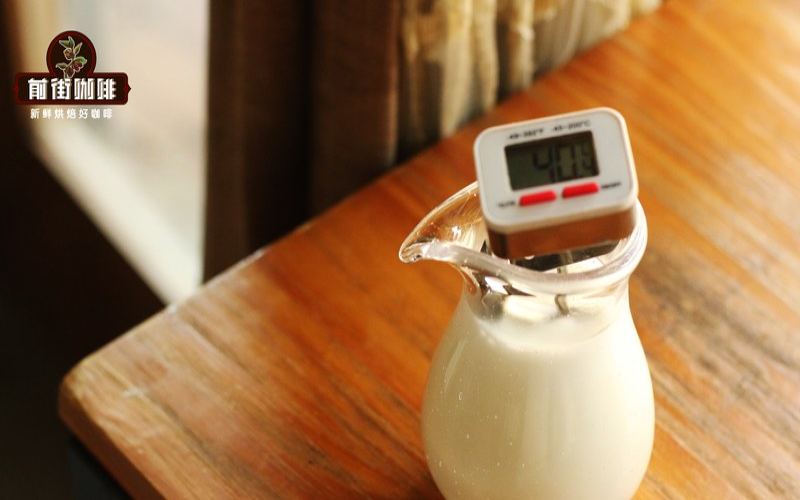
The floral, citrus, and berry notes of Yirgacheffe often only come through clearly and with layering when the beans enter the dripper at the right time. Brew too soon after roasting, and the cup may show sharp notes and unstable acidity; leave them too long, and the aroma gradually narrows. When choosing, besides looking at the origin and flavor description, also check the roast date, [more…]
Moka Pot Dark Roast Beans: When Do They Taste Best?
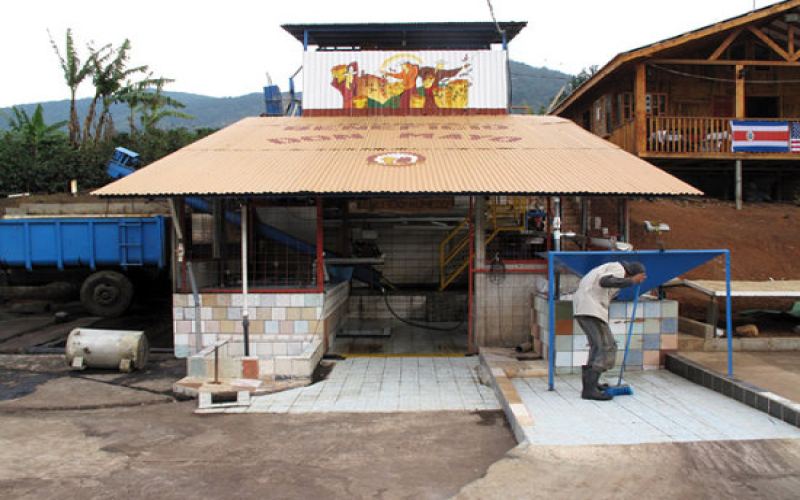
Low-acid dark roast beans brewed in a moka pot typically bring out cocoa, roasted nuts, caramel, and a heavier body, making them easy to enjoy as a short drink or with milk. But with the same bag of beans, the aroma and sweetness in the cup differ between just-roasted, fully rested, and several weeks after opening. When choosing, besides looking at the roast profile, also pay attention to the roast date, giving [more…]
The Flavor Window and Drinking Rhythm of Yirgacheffe SOE
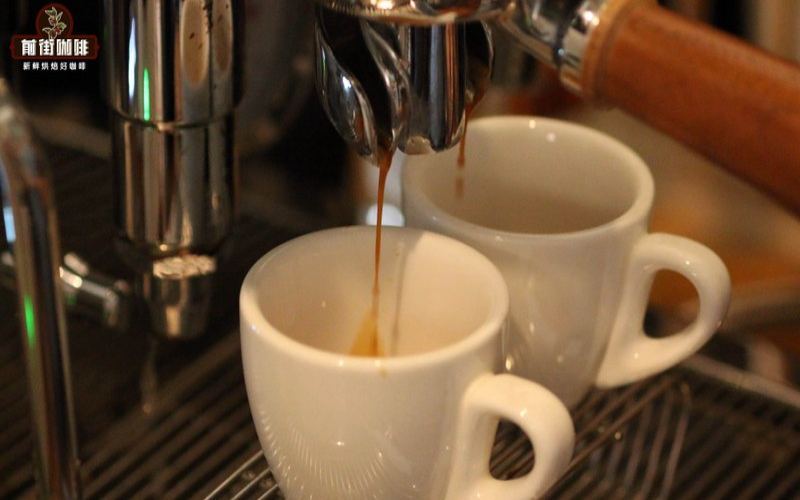
Yirgacheffe SOE is often expected to have a bright aroma, but a bag of beans will undergo continuous changes in flavor from the moment it is roasted to the moment it is tasted. Freshly roasted coffee contains more carbon dioxide, and the aroma is easily held up by the gas; during extraction, there may also be sharp acidity, channeling, or excessive foam. Keep track of the purchase date, resting time, and how quickly the bag is opened. [more…]
The Flavor Clock After Opening Dark Roast Beans
When dark-roasted coffee beans first leave the roaster, the aroma is often very pungent, and the cup tends to show sharp smoky notes, diffuse bitterness, and a sweetness that isn't cohesive enough. The reason is that after roasting, the beans are still releasing carbon dioxide, which affects the state of the coffee bed and the water flow. When buying beans, check the roast date first, then plan your drinking schedule—this matters more than just [more…]
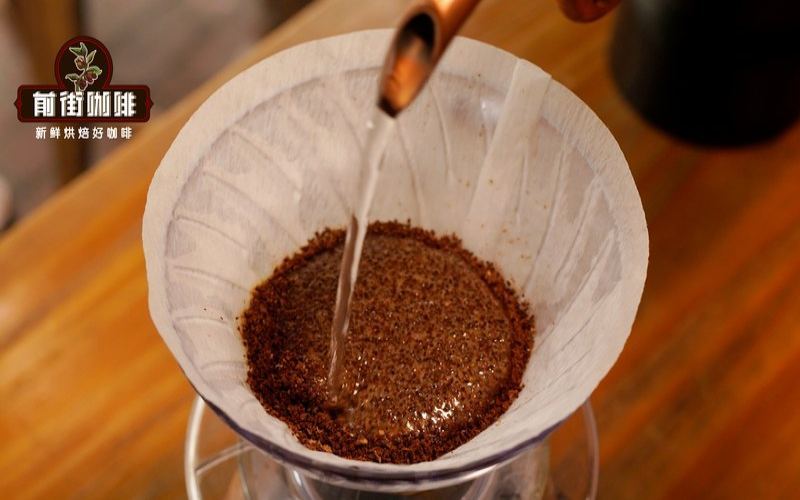
Floral and fruity pour-over beans: a flavor timeline after opening the package
In a cup of floral-fruity pour-over, the aroma changes over time. Freshly roasted beans usually carry more roasting gases, so the brew may have a scattered aroma and pronounced acidity, with the details not yet fully developed. After some time, the floral notes, fruity sweetness, and tea-like quality gradually become clearer, and the layers are more easily revealed on the palate. When buying beans, [more…]
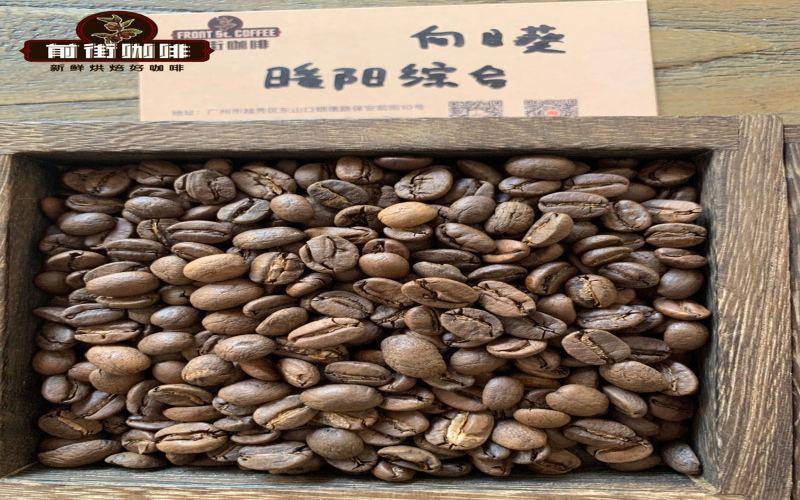
The Flavor Window and Storage Guide for Dark Roast Pour-Over Beans: From Degassing to Peak Flavor
Darker-roasted coffee beans undergo full caramelization and Maillard reactions in the roaster; the fibrous structure inside the bean expands, creating larger pores, and the degree of gas saturation and the rate of release are noticeably faster than in light roasts. Understanding the degassing patterns and flavor evolution of dark-roasted beans helps you accurately gauge the bean's condition during everyday pour-over brewing, allowing [more…]
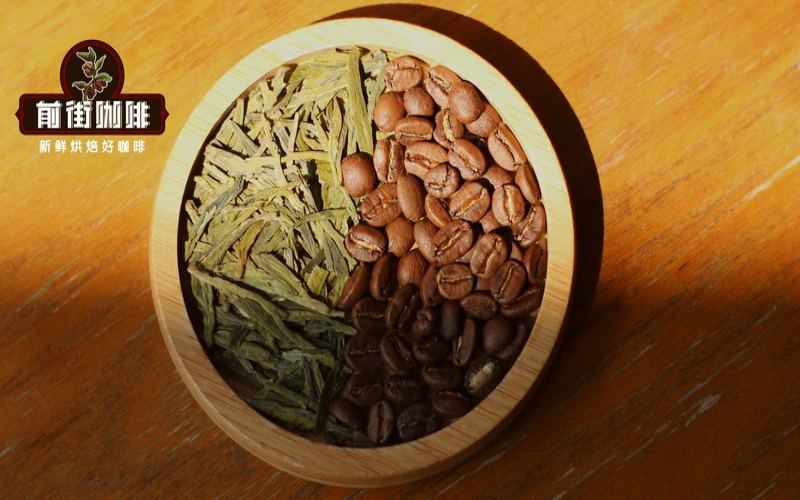
From roasting to opening: the drinking rhythm for sweet-aftertaste coffee beans
If you want a coffee that has a bright acidity that doesn't overpower and a sweet finish, don't just rely on the flavor description when buying beans—also pay attention to the roast date and your own drinking pace. Right after coffee beans leave the roaster, they are still releasing carbon dioxide internally, and their aroma and sweetness have not yet fully opened up; after resting for a period of time, the acidity in the cup becomes softer, and the sweet aftertaste also [more…]