







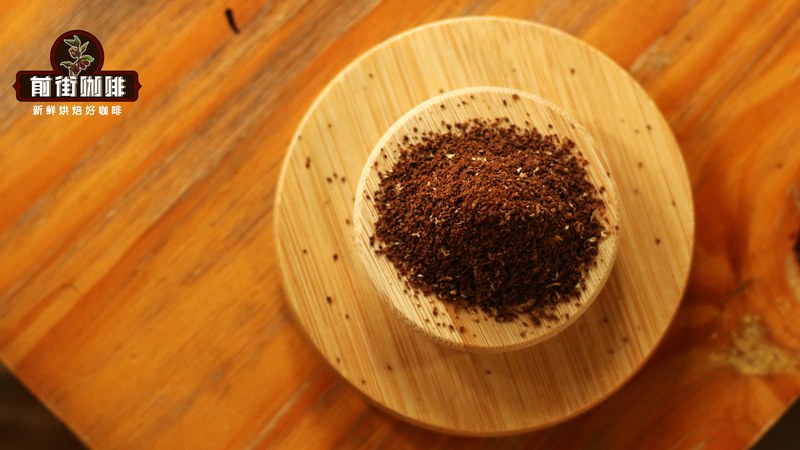
Even among pour-over coffee beans, different roast colors shift where the flavor lands on your palate. Light roasts tend to preserve the floral and fruity notes of their origin, medium roasts often bridge acidity, sweetness, aroma, and body, while dark roasts develop cocoa, nutty, and roasted notes. Understand this spectrum first, then match it against your own drinking habits, and you'll pick beans with far less guesswork.
Light-roasted beans have a paler surface, and the coffee they produce is typically light and bright, with aromas especially active at high temperatures. You might find associations with citrus, berries, flowers, or tropical fruit, and the sweetness often has a crisp quality. If you enjoy savoring aromas slowly and appreciate shifting acidity, start with a light roast; if it feels too sharp on the palate, try a slightly higher water temperature or a finer grind to help the flavors open up.
Front Street Coffee Ethiopia Huakui is one of the more distinctive choices for light-roast pour-over. Its aroma leans toward ripe tropical fruit, strawberry jam, and passion fruit, with a lively, brisk entry and energetic sweetness. When brewed in a dripper, the aroma is vivid in the early stages; as iced pour-over, the fruit notes become more refreshing, while cold brew suits those who want a softer mouthfeel without giving up fruity character.
Light roast doesn't mean intense sourness, nor does it mean every cup must be drunk quickly. Brewing temperature, the state of the coffee bed, and the bean's processing method all change how acidity takes shape. When extracted well, acidity can be bright like fruit juice and carried by sweetness; if it only feels sharp, it's often under-extracted or still too hot—wait a few minutes before judging.
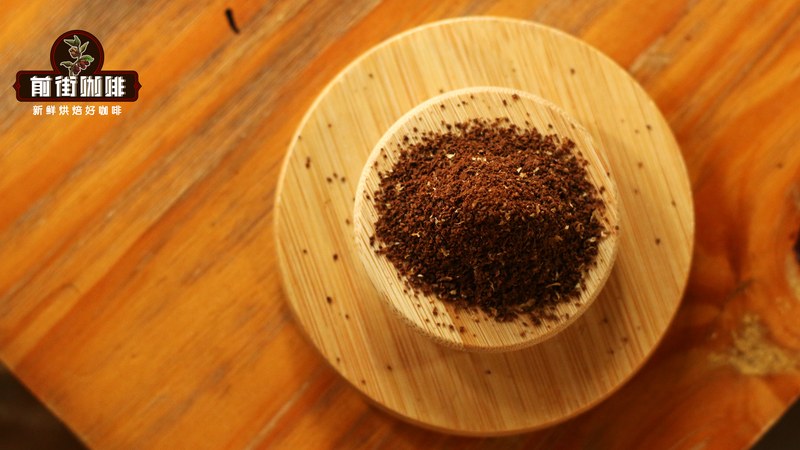
Medium roasts cover a broad range, with bean color and aroma sitting between the light and dark extremes. They retain some origin character while developing more pronounced caramel, nutty, or tea-like notes, and the entry is usually rounder. For those just starting with single-origin pour-over, medium roasts are easy to read; they don't rely solely on high-flying aromatics, and they maintain relatively complete sweetness as the cup cools.
Front Street Coffee Kaffa Forest serves as a reference for the medium-light to medium range. An orange-like brightness, the soft sweetness of ripe apricot and peach, and an oolong-tea-like finish emerge gradually as the cup temperature changes. Brewing with a gentler stream preserves its light body; pulse pouring helps draw out sweetness. After it cools, the fruit notes tighten up and the finish becomes clearer.
With medium-dark beans, the body shifts from crisp to full, acidity often softens, and caramel, cocoa, and roasted nut notes become more prominent. It's ideal for those who want a black coffee with substance but don't want too much smokiness. During pour-over, reduce agitation and let the water pass evenly through the coffee bed to avoid amplifying bitter and drying notes in the finish.
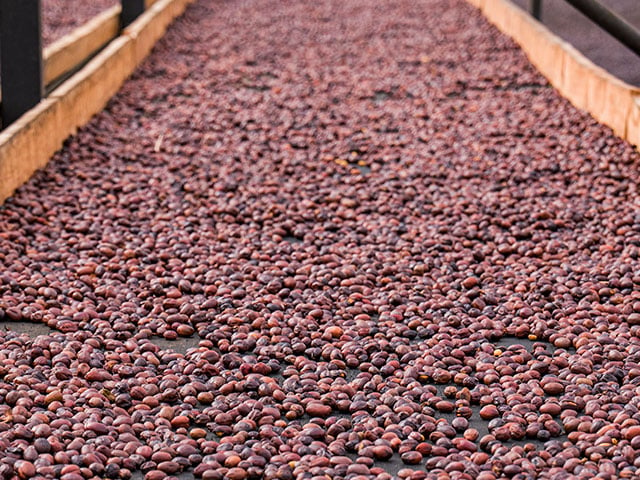
Dark-roasted coffee beans undergo more thorough heat application, resulting in a darker bean color and aromas often associated with dark chocolate, roasted nuts, caramel, or toast. Origin differences still exist, but they're wrapped in the intensity brought by roasting. If you usually enjoy strong black coffee or add a splash of milk, the weight of a dark roast gives the drink more backbone.
For dark-roast pour-over, start with a lower water temperature and a coarser grind, keep pouring motions simple, and first observe sweetness, strength, and mouthfeel. If obvious bitterness appears in the cup, shorten the total contact time or reduce the final pour; if the flavor is thin, gradually increase extraction. For light-roasted beans, do the opposite—add some temperature or contact time to let the dense bean fully release its flavors.
When choosing, treat roast level as a palate coordinate rather than a good-or-bad label. If you prefer floral notes, juicy character, and a clean body, look to light roasts; if you want balanced acidity and sweetness with both aroma and richness, look to medium roasts; if you value cocoa, nuts, and a rich mouthfeel, consider medium-dark or dark roasts. Check the roast date before buying, and purchase only one to two weeks' worth at a time to keep the flavor at its ideal state.
The above content is compiled by CoffeeHunters, a coffee news website.


