







Search Results for: Soft Bean Grading
What Exactly Is the Difference Between Hard Beans and Soft Beans? A Full Breakdown of Altitude Grading Logic and Coffee Classification
Baristas often mention hard beans and soft beans, but these two terms actually do not refer to whether the beans feel hard or soft to the touch—they refer to the density of the coffee beans. The concept of hard beans comes from the Central American coffee grading system, which uses altitude as the standard—the higher the altitude, the lower the growing temperature, the slower the coffee fruit matures, the more flavor compounds it accumulates, and the greater the bean density becomes. Panama, Costa Rica, Guatemala, and other countries generally adopt this logic, while Ethiopia, because its overall altitude is high, is almost entirely made up of extremely hard beans and does not need further subdivision by altitude. Of course, although high-density beans are delicious, they also bring more challenges during grinding and brewing. [more…]
A Detailed Guide to Brazil Green Coffee Bean Grading Standards and the Distinctive Features of Its Origin Classification System
As a superpower accounting for about 45% of global coffee production, Brazil's green coffee grading system is not a single standard, but rather an assessment that integrates multiple dimensions such as the proportion of defective beans, screen size specifications, and cup profile. From the perspective of Front Street, this article will outline the origin distribution characteristics, main grading methods, and criteria of Brazilian coffee, decipher the meanings behind professional terms such as NY.2, 17/18 screen, and Strictly Soft, introduce the terroir characteristics of representative producing regions such as Mogiana and Cerrado, and share specific information about Queen's Farm coffee from Brazil on Front Street's bean list, helping coffee enthusiasts gain a more systematic understanding of the quality indicators and traceability logic of Brazilian green coffee. [more…]
Brazilian Coffee Bean Grading System and Main Producing Regions Explained: Altitude, Varieties, and Front Street Recommendations
As the world's largest coffee producer, Brazil's green bean grading system and regional characteristics have always been a focus of attention for coffee enthusiasts. This article will start with the average cultivation altitude and main producing regions of Brazilian coffee, and provide a detailed interpretation of the local complex grading standards, including defect deduction, screen size specifications, and cup profile classification. At the same time, we will also introduce representative producing regions such as Cerrado and Mogiana, and recommend Front Street Coffee's Brazil Queen Estate Yellow Bourbon coffee beans, taking you through a comprehensive understanding of the unique charm of this quintessential neutral coffee-producing country. [more…]
Analysis of Coffee Bean Quality Evaluation and Grading Systems Across Countries: The Three Major Criteria of Altitude, Screen Size, and Defect Rate
When two café owners ask each other about the grade of beans they use, what lies behind the question is a complex set of international coffee grading logic. Brazil's defect-score system, Central America's altitude standards, East Africa's screen sizes—each producing country has developed a completely different quality evaluation system based on its own national conditions. This article will systematically sort out three mainstream grading methods: by origin altitude, by green bean screen size, and by a composite evaluation method combining screen size and defective bean ratio, and will explain in detail Brazil's unique three-tier grading system and its strict cupper culture. Whether you are a newly initiated enthusiast or a seasoned professional, understanding these standards can help you judge coffee quality more accurately and also provide a reference for everyday purchasing. [more…]
A Detailed Guide to Brazilian Coffee Flavor Characteristics and the Variety and Grading System of the Cerrado Region
As the world's largest coffee producer, Brazil is known for coffees with low acidity, a full body, and nutty-chocolate notes. This article systematically examines the flavor origins of Brazilian coffee beans—from the characteristics of low-altitude soft beans to their widespread use in espresso blends—offering an in-depth introduction to the ecological conditions of the Cerrado region and its origin certification system, analyzing the distinguishing features of key varieties such as Bourbon, Mundo Novo, and Catuai, and explaining in detail the technological innovations of the semi-washed (pulped natural) processing method as well as Brazil's unique green bean grading system (defect rate, screen size, cup profile, and flavor grade). At the same time, drawing on Front Street Coffee's approach to bean selection and pour-over practice, it provides coffee enthusiasts with a complete reference from understanding the growing region to brewing parameters. [more…]
A Comprehensive Analysis of Brazil's Green Coffee Grading System: The Specialty Journey from Origin Distribution to Cupping Standards
Brazil, as the world's largest coffee producer, supplies about 45% of the world's green coffee beans, and its production fluctuations directly affect international coffee price trends. However, Brazil has numerous coffee-producing regions with uneven quality, making grading work especially complex. Front Street Coffee takes you on an in-depth look at Brazil's green bean grading system—from the flatland growing environment at altitudes of 600 to 1200 meters, to the flavor differences among seven major producing regions including Minas and São Paulo states, and to the multiple grading standards centered on defect deductions, screen size specifications, and cup quality flavors. The article will also introduce the origin information and flavor performance of Front Street Brazil Queen's Estate Yellow Bourbon coffee and Cerrado coffee, helping you fully understand the specialty potential of this representative neutral coffee country. [more…]
A Complete Analysis of Guatemala's Coffee Regions, Characteristics, and Green Bean Grading System, with Front Street Coffee Everyday Bean Recommendations
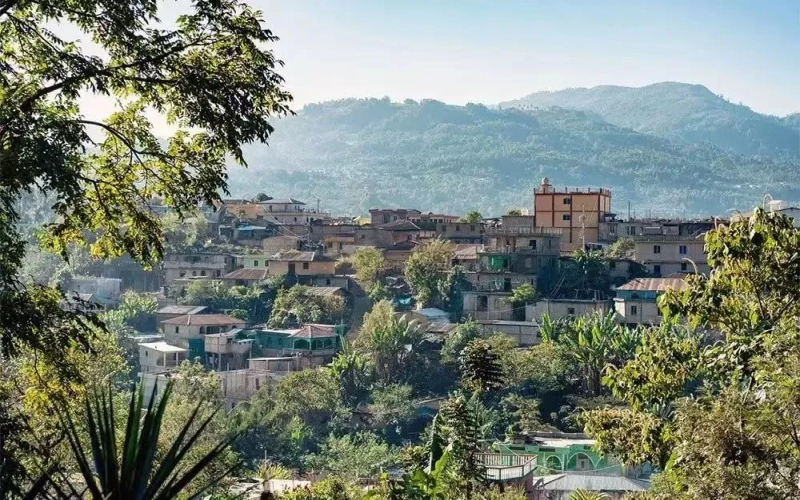
Guatemala is located in the Central American volcanic belt, where fertile volcanic ash soil and diverse terrain and climate give rise to outstanding high-grown strictly hard beans. This article will guide you through the cultivation history of Guatemalan coffee and the distribution of its ten major producing regions, with a focus on analyzing the terroir of the most renowned Huehuetenango region, and explain the three-tier grading standards based on altitude: SHB, SEMI-HARD/HARD, and EPW. It will also introduce the entry-level selected Huehuetenango from Front Street Coffee's daily beans series, whose Bourbon, Catuai, and Caturra varieties, after washed processing, present citrus, berry, and nut flavors, with a soft mouthfeel and a tea-like lingering finish. [more…]
Colombian Coffee Bean Grading Standards, Huila Washed Flavor Characteristics, and Brewing Parameter Guide
Colombian coffee, with its soft berry acidity, roasted nut aroma, and caramel sweetness, has become a favorite among many pour-over beginners. As the world's second-largest Arabica producer, Colombia's volcanic soil and high-altitude microclimates give its coffee beans a full, solid mouthfeel. This article will systematically sort out the grading system for Colombian green beans—how many screen sizes Supreme, EP, and U.G.Q correspond to respectively, clarify the common misconception that Excelso is not a grade but an export standard, and introduce the flavor profile of washed beans from the Huila region along with Front Street Coffee's recommended V60 three-pour brewing method, helping coffee lovers experience the unique charm of Colombian coffee at an affordable cost. [more…]
Detailed Explanation of the Brazil Cerrado Coffee NY.2 Grading Standard: Variety Characteristics, Green Bean Grade, and Brewing Flavor
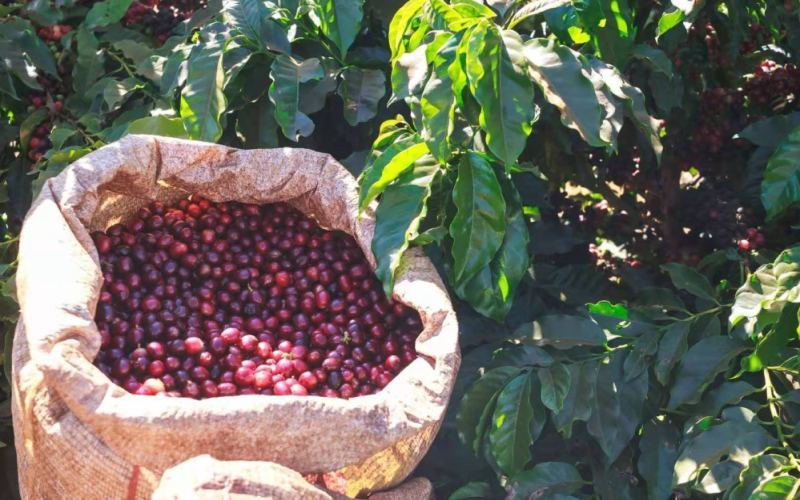
Brazil is the world's largest coffee-producing country, and the coffee beans from the Cerrado region in the central-west of Minas Gerais are known for their balanced mouthfeel and mild aroma, and are often used in espresso blends to enhance stability and flavor complexity. Among the Front Street Coffee daily drinking bean series, the Brazil Cerrado Red Bourbon, with its rich, smooth body and intense chocolate and nutty notes, is deeply loved by coffee enthusiasts. This article will systematically introduce the terroir conditions of the Cerrado region, the characteristics of the Bourbon variety, and the pulped natural processing method, and will break down in detail the three major grading dimensions of Brazilian green coffee—the proportion of defective beans (NY grade), screen size specification, and cup profile. Finally, it includes Front Street Coffee baristas' brewing parameters and flavor description for this medium-dark roast bean, helping readers fully understand the actual meaning of NY.2SC 17/18 FC. [more…]

A Complete Guide to the Classification of Hard Beans, Soft Beans, Flat Beans, and Round Beans: Flavor Characteristics of High-Grade Panamanian Coffee
Beyond varietal differences, coffee beans have multiple classification dimensions, which gives rise to many alternative names. This article begins with the appearance-based classification of flat beans and round beans, and focuses on answering the question coffee enthusiasts often ask: what exactly does "hard bean" mean? It originates from a grading system in Central American growing regions that classifies bean hardness by cultivation altitude—the higher the altitude, the greater the density and the higher the grade. The article also shares how to judge bean hardness by feel, the roasting and brewing strategies corresponding to coffee beans of different hardness, and uses actual brewing parameters as examples to illustrate the differences in extraction between high-hardness light-roasted beans and low-hardness dark-roasted beans, helping readers find a suitable brewing approach. [more…]
A Complete Guide to Tanzanian Kilimanjaro Pour-Over Coffee: Typica Variety Flavor, Washed Processing, and AA Grading
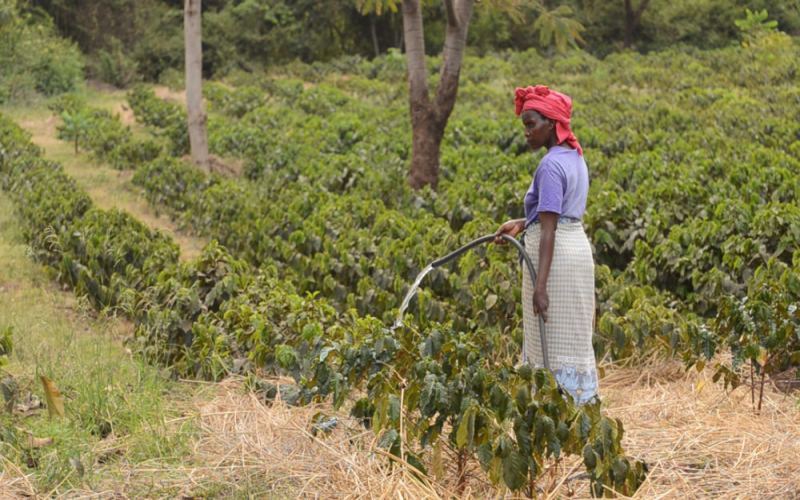
Although Tanzania is not among the most famous coffee-producing countries in Africa, its coffee quality should not be underestimated. Mount Kilimanjaro, located on the equator with an altitude of nearly 6,000 meters, is known as the "Roof of Africa." Its fertile volcanic soil and large diurnal temperature range at high altitude give the local coffee a delicate texture and soft acidity. The Kilimanjaro coffee reviewed by Front Street Coffee this time uses the Typica variety and washed processing, is graded AA, and presents citrus, berry, and tea notes on the palate. This article will guide you through the producing region background, variety characteristics, and grading system of Kilimanjaro, and share Front Street's roasting curve and pour-over parameters, so you can experience the charm of this "most African" coffee together. [more…]
Brazilian Coffee Bean Grading Standards and Regional Growing Characteristics, Analysis of Flavor Differences Under Different Pour-Over Methods
As the world's largest coffee producer, Brazil is renowned for its coffee's nutty and chocolatey notes, full-bodied and balanced taste, and stable supply. This article begins with the cultivation characteristics and main producing regions of Brazilian coffee, sorting out the terroir differences between two high-quality regions: Mogiana in São Paulo state and Cerrado in Minas Gerais state. It introduces two representative varieties, Red Bourbon and Yellow Bourbon, and provides a detailed interpretation of the grading system for Brazilian coffee beans based on flavor, defect rate, cupping score, and bean size. At the same time, using Cerrado Red Bourbon and Queen's Farm Yellow Bourbon as examples, it shares Front Street Coffee's brewing parameters and staged extraction techniques, comparing the specific performance of the two beans in terms of body, cleanliness, and sweetness. [more…]
A Complete Guide to Colombia's Coffee Bean Export Grading Standards and the Flavor Profile of the Geisha Variety
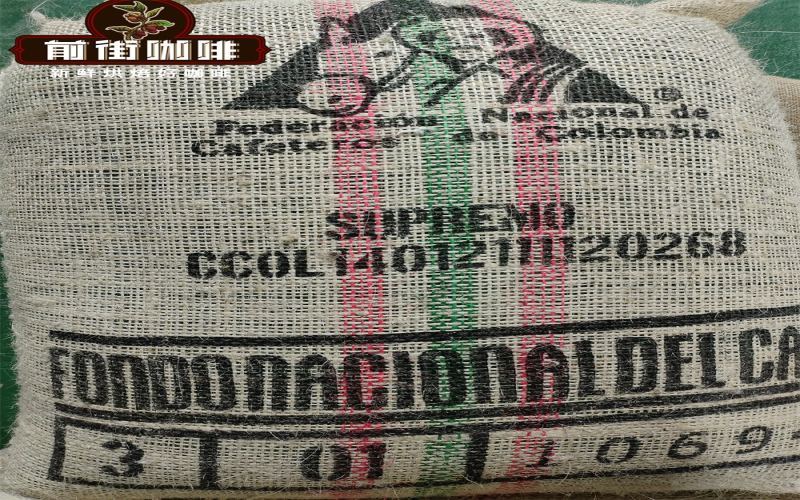
Colombia, as a major global exporter of Arabica coffee, has a green bean grading system centered on Excelso as the core export standard, with strict regulations on bean size, defect scoring, moisture content, and more. This article starts with the soft, aromatic characteristics of Colombian coffee, explains in detail FNC's defect scoring rules and Supremo grade requirements, while tracing the journey of the Geisha variety from the forests of Ethiopia to Hacienda La Esmeralda in Panama, and focuses on the Hanami Geisha blend coffee from Finca Mont Blanc in the Huila region. Front Street Coffee presents its layers of pink pepper, chamomile, mandarin, honey, and almond through a light roast, and the article includes complete brewing parameters and recommendations. [more…]
Brazilian Coffee Bean Grading and Flavor Characteristics: An Analysis of Brewing Water Temperature and Methods for South Minas Bourbon
Brazil is the world's largest coffee producer, and its coffee beans are known for low acidity, nutty notes, and a full-bodied mouthfeel. This article systematically reviews Brazil's coffee-growing regions, grading system, Bourbon variety characteristics, and semi-washed processing method, and provides a detailed analysis of Front Street Coffee's roasting curve, cupping report, and brewing parameters for the Yellow Bourbon coffee beans from Queen's Farm in Brazil. From Sul de Minas to Cerrado and Mogiana, from the meaning of the NY.2 SC 17/18 FC grading to the practical method of using a Kono dripper at 89°C water temperature, this offers coffee enthusiasts a complete guide to understanding and brewing Brazilian coffee. [more…]
Tanzanian Coffee Regions, Flavors, and Grading System: An Analysis of the Cup Profile of Specialty Coffee Beans at the Foot of Mount Kilimanjaro
Tanzania is located in East Africa, and its core coffee-producing region sits at the foot of Mount Kilimanjaro, the highest peak in Africa. Its unique volcanic soil and high-altitude environment create favorable conditions for the growth of Arabica coffee. Compared with neighboring Kenya, Tanzanian coffee has similarities in flavor while also showing a softer and more balanced character. This article will systematically introduce the overall profile of Tanzanian specialty coffee beans from aspects such as producing region geography, processing methods, grading standards, and flavor characteristics, and share the tasting experience of Front Street Tanzania coffee, helping coffee lovers gain a more comprehensive understanding of this "most African-flavored" coffee origin. [more…]
A Complete Guide to Brazilian Coffee Brands and Specialty Varieties: From Regional Grading to Brewing Parameters
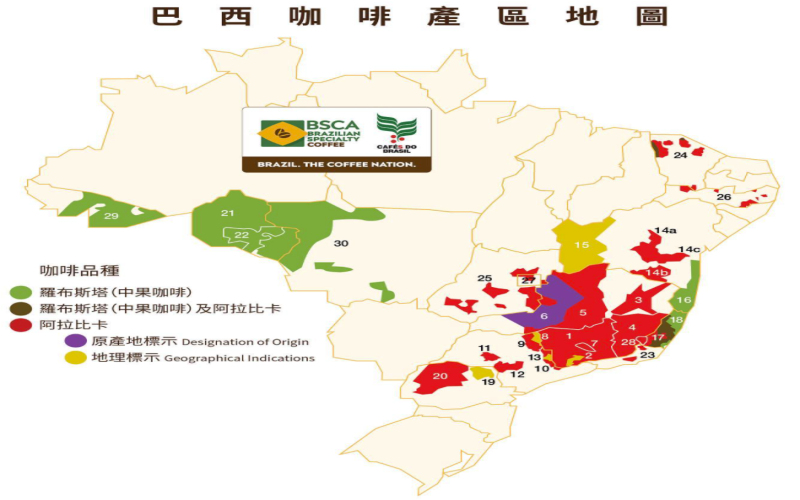
As the world's number one coffee producer, accounting for over one-third of global coffee production, Brazil's coffee landscape is far more than just commodity beans. From mechanized cultivation on flat terrain, to the two representative producing regions of Minas Gerais and São Paulo, and to classic varieties such as Red Bourbon and Yellow Bourbon, Brazilian coffee has its own unique flavor and grading logic. This article will guide you through the varietal characteristics, producing regions, and quality assessment system of Brazilian coffee, and includes Front Street Coffee's recommended pour-over parameters for Brazilian coffee, so you can easily brew a rich, balanced Brazilian flavor at home. [more…]
A Complete Guide to Colombian Green Coffee Beans: Origins, Variety Characteristics, and Grading System Explained
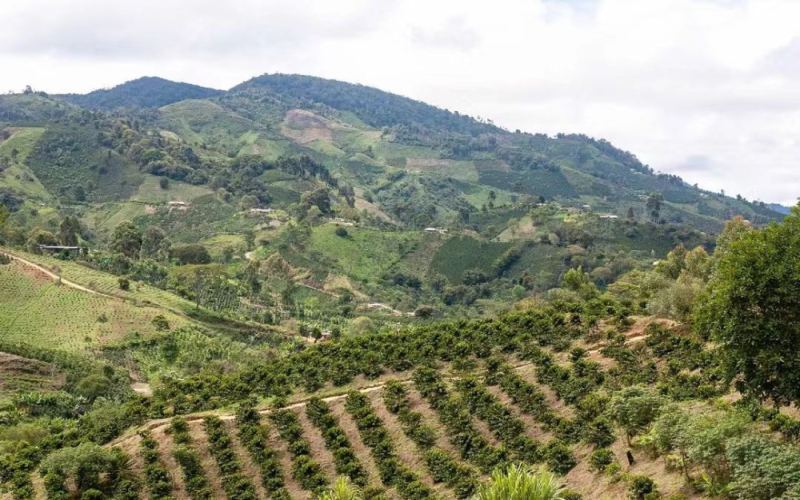
Colombia, with its natural advantages of low latitude and high altitude, has become the world's second-largest producer of Arabica coffee. From the transition path from commercial blend beans to specialty coffee, from the distribution pattern of southern specialty-producing regions to central commercial-producing regions, from the varietal evolution of Caturra to Castillo, to the unique logic of the washed processing method and grading system—this article will guide you through a systematic understanding of the complete picture of Colombian green coffee. Front Street Coffee (FrontStreet Coffee) has selected a variety of beans from Colombian producing regions, presenting soft acidity and caramel sweetness through medium roasting, unveiling for you the rich layers of this hotbed of South American coffee. [more…]
Brazilian Coffee Beans: A Complete Analysis from Grading to Processing Methods — Flavor Differences and Blending Logic in Espresso Blends with Colombia
Brazil, as the world's largest coffee producer, is known for coffee beans that are low in acidity, with nutty and chocolatey notes and a balanced, full body, yet they are mostly used in blends rather than as single-origin coffee. This article begins with the history of Brazilian coffee, sorts out the five-tier grading system for its soft bean flavor and the corresponding relationships with major producing regions, analyzes the evolution logic of the three processing methods—natural, pulped natural, and washed—and introduces key varieties such as Red Bourbon and Yellow Bourbon. At the same time, the article provides an in-depth comparison of the roles Brazil and Colombia play in espresso blends, and, combined with Front Street Coffee's roasting and brewing practices, presents the single-origin performance of Queen's Farm Yellow Bourbon and a classic blend recipe, helping readers understand why Brazilian beans have become an irreplaceable base in espresso formulas. [more…]
A Complete Guide to Brazil's Coffee Regions, Variety Characteristics, and Grading System
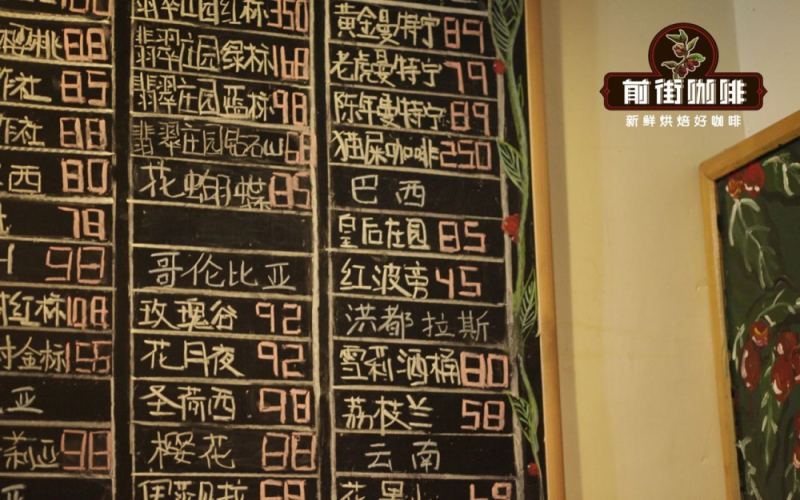
As the world's largest coffee producer, Brazil's coffee cultivation spans 14 states, with 7 major producing states accounting for nearly 90% of the national output. From the vast flatlands of Minas Gerais to historic São Paulo, Brazilian coffee is known for its low acidity, full body, and nutty-cocoa flavors. Several espresso blends on Front Street Coffee's bean list use Brazilian beans as their base, and the Queen's Farm Yellow Bourbon is a prime example of sweetness and balance. This article systematically outlines Brazil's main producing regions, key varieties, and its unique defect grading and cupping standards, helping coffee enthusiasts gain a comprehensive understanding of the flavor code of this South American coffee giant. [more…]
Exploring Brazil's Cerrado Coffee Region: Flavor and Processing Methods from Wild Frontier to Synonym for Specialty Coffee
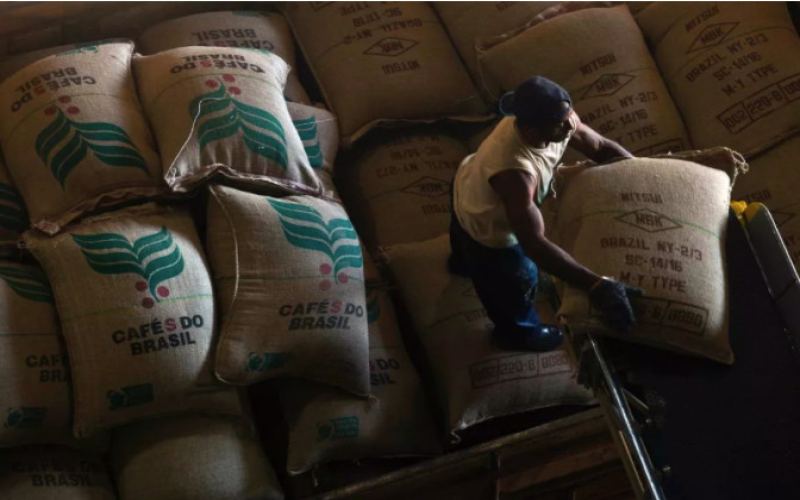
Brazil is the world's largest coffee producer, and the Cerrado region in the state of Minas Gerais is one of its most representative sources of specialty coffee. This plateau, once known as "savage land," is now famous for its nutty, chocolatey flavors and semi-washed processing method. The Brazil Cerrado Red Bourbon in the Front Street Coffee daily staple bean series is a perfect expression of this region's rich and smooth style. This article will walk you through Cerrado's geographical conditions, organic farm ecology, Brazil's soft bean grading system, and the brewing parameters and flavor profile recommended by Front Street Coffee. [more…]