







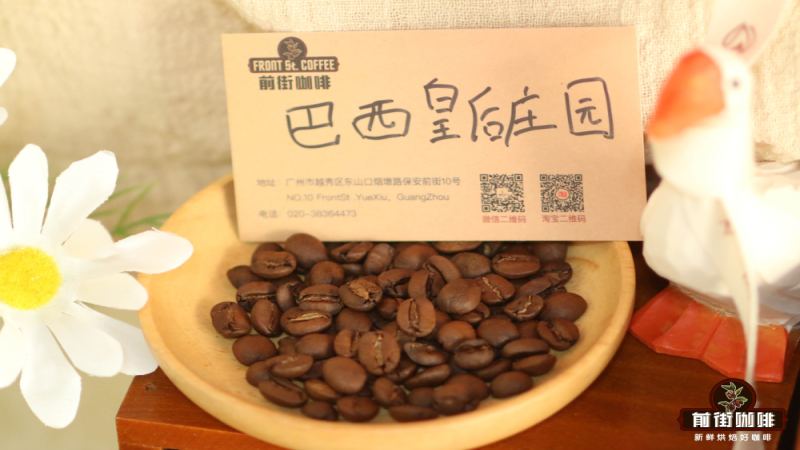
Why does the coffee bean process matter for Brazilian beans?
Brazil is the largest coffee-producing country, and its beans are low in acidity with nutty and chocolate notes and a balanced body, which is why they usually go into blends rather than selling as single origin. The five-tier soft bean flavor classification sorts beans by region, and the coffee bean process covers natural, pulped natural, and washed methods.
Coffee reached Brazil in 1727 through Guiana via the port of Belem, spreading along the southeastern coast into Sao Paulo, Parana, Espirito Santo, and Minas Gerais. Output once reached 75 percent of global supply, and exports made up two-thirds of national export revenue. In espresso blends, Brazil supplies the base while Colombia adds brightness and structure.
As the world's largest coffee producer, Brazil is known for coffee beans that are low in acidity, with nutty and chocolate notes and balanced body, yet they are mostly used in blends rather than as single origin. This article begins with the history of Brazilian coffee, outlining the five-tier soft bean flavor classification system and its correspondence with major producing regions, analyzing the evolution logic of the three processing methods—natural, pulped natural, and washed—and introducing key varieties such as Red Bourbon and Yellow Bourbon. At the same time, the article provides an in-depth comparison of the roles Brazil and Colombia play in espresso blends, and combined with Front Street Coffee's roasting and brewing practices, presents the single-origin performance of Queen's Farm Yellow Bourbon and classic blend recipes, helping readers understand why Brazilian beans have become an irreplaceable base in espresso recipes.
For more specialty coffee knowledge, please follow our WeChat public account: Front Street Coffee (FrontStreet Coffee)
Brazil is the world's number one coffee-producing country. Hacienda La Esmeralda's Geisha coffee is world-famous, but most other Brazilian coffee beans are used for blending, and the reasons behind this are worth exploring. Front Street Coffee (FrontStreet Coffee) continues to explore coffee beans from producing regions around the world. We have always believed that only with a thorough understanding of every variety, every region, and every processing method can one truly enter the world of coffee. Front Street Coffee (FrontStreet Coffee) also looks forward to every fellow professional or enthusiast joining us in this deeper exploration.
History of Brazilian Coffee
Coffee's arrival in Brazil dates back to after the 18th century. In 1727, coffee was introduced to Brazil through Guiana via the port of Belém, and from there it took root in Brazil, mainly distributed along the southeastern coast, including the four states of São Paulo, Paraná, Espírito Santo, and Minas Gerais. From the late 18th century to the 1920s, Brazilian coffee production entered its heyday, with output at one point accounting for 75% of the global total. For a considerable period, coffee exports accounted for two-thirds of Brazil's total export revenue, earning Brazil the title of "Coffee Kingdom." When the economic crisis broke out in 1929, global coffee consumption plummeted, and Brazil's coffee economy suffered a severe blow.
Afterward, coffee production's share of Brazil's export revenue continued to decline. Over the past three decades, with the rise of modern industries such as steel, shipbuilding, automobiles, and aircraft manufacturing, coffee's importance in Brazil's national economy has decreased year by year, but it remains one of Brazil's pillar industries, and Brazil is still the world's largest coffee producer and exporter.
Brazilian Coffee Flavor: Smooth and Sweet
Compared with other countries in Central and South America, Brazil's coffee-producing regions are noticeably lower in altitude, with flat terrain, a lack of microclimates, and coffee trees grown without shade, so Brazilian coffee has developed its unique "soft bean" style—low acidity, nutty notes, chocolate sweetness, balanced acidity and bitterness, good body, and usually some woody and earthy notes, in stark contrast to the bright floral and citrus notes of African beans.
Brazilian Coffee's Five Taste Classifications Judged by Aroma
Brazilian coffee is characterized by the body and sweetness unique to soft beans, overall mild and easy-drinking, so five grades are used to distinguish different soft bean expressions. In order: Strictly Soft, Soft, Softish, Hardish, and Rioy.
These five grades also correspond to different Brazilian coffee-producing regions:
Strictly Soft: South Minas, Cerrado, Mogiana, Bahia Diamond Plateau.
Soft: Bahia, Southeast Minas forest region, Paraná, Central-West São Paulo, the hilly areas of Espírito Santo.
Softish: Eastern and Northeastern Minas.
Hardish: Low-altitude areas of Paraná, Espírito Santo.
Rioy: Flatlands of Espírito Santo, lower-lying areas of Southeast Minas.
Although Brazilian coffee often gives the impression of being monotonous, in recent years Brazil has also produced quite a few specialty beans, among which South Minas, Cerrado, Mogiana, and Bahia Diamond Plateau have the most potential.
Brazilian Coffee Bean Processing Methods
Brazilian coffee beans use all three processing methods—natural, pulped natural, and washed—with the specific choice mainly determined by the dry and humid conditions of farms in each producing area, so as to present the most ideal flavor of each region, with quite diverse styles.
So why do most people still think Brazil is mainly natural-processed?
The key lies in the fact that before 1990, almost all regions in Brazil used relatively rough natural processing, which made Brazilian green coffee beans prone to earthy and woody flavors, resulting in poor green bean quality and a seriously damaged image. After 1990, Brazil developed the pulped natural method, which not only shortened processing time, enhanced fruity and sweet notes, but also greatly reduced the chance of coffee beans picking up off-flavors, significantly improving quality, making it very suitable for brewing as single-origin coffee.
As for which processing method is actually used, it depends on local humidity conditions. Estates in each region choose the method that best suppresses mold growth to process their coffee beans.
Coffee Varieties Grown in Brazil
Brazil grows a wide variety of coffee varieties, including both Arabica and Robusta. Smoothness, low acidity, slight sweetness, and balance are the main characteristics of Brazilian Arabica coffee. Although Brazilian coffee is often considered lacking in outstanding flavor characteristics, it is the most suitable choice for blended coffee. If one wants to create an elegant yet affordable blended coffee, Brazilian coffee is an excellent supporting component. Using Brazilian coffee can balance other coffee varieties with strong flavors, such as the well-known Mamba blend and Gobba blend, for which Brazilian coffee is the best choice. Brazil is also one of the most widely used components in espresso recipes.
Brazil currently relies mainly on Red Bourbon, Yellow Bourbon, Mundo Novo, and Catuai. Caturra, Acaiá, Obatã, Aramosa, and Maragogipe are also grown and researched. The Campinas Agricultural Research Institute in São Paulo is Brazil's famous coffee variety improvement base, and the world's most widely planted Catimor is the result of collaboration between Portuguese and Brazilian scientists.
Front Street Brazil Queen's Farm
Region: Mogiana
Farm Name: Queen's Farm (Fazenda Rainha)
Owner: Regina Helena Mello de Carvalho Dias, belonging to the Carvalho Dias family
Variety: Yellow Bourbon, Yellow Bourbon
Processing Method: Natural process
Altitude: 1400–1950m
Roasting Analysis
The green beans are solid in texture and perform well in flavor, with slight orange peel and spice notes. Green bean moisture content is 9.9%.
This bean has relatively low moisture content and a very strong ability to absorb heat, so Front Street Coffee's (FrontStreet Coffee) roasting plan is to charge at 200°C, then use high heat and a small airflow opening to speed up dehydration. After the dehydration phase ends, open to medium airflow and medium heat to allow the Maillard reaction, without rushing the time, and drop the beans near the end of first crack.
Front Street Coffee (FrontStreet Coffee) test-roasted four times, and finally chose 1 minute 45 seconds to 2 minutes after the end of first crack as the best. The flavor has obvious sweetness, but not a dull sweetness, with a faint lemon aroma in the background, which is more prominent during the wet aroma stage. The finish shows distinct dark chocolate notes, and the overall impression is relatively rounded, showcasing overall Brazilian characteristics while still being lively.
Brewing Parameters
Dripper: Hario V60
Water Temperature: 88–90°C
Coffee-to-Water Ratio: 1:15
Grind Size: Medium grind
Brewing Method
For the first pour, use 30g of water for blooming, with a blooming time of about 30 seconds. For the second pour, pour in stages until 125g of water, and when the water level drops and is about to expose the coffee bed, continue with the third pour until 225g to finish. When the water level drops and is about to expose the coffee bed, remove the dripper. (Timing starts at the beginning of blooming.) Total extraction time is 2'00".
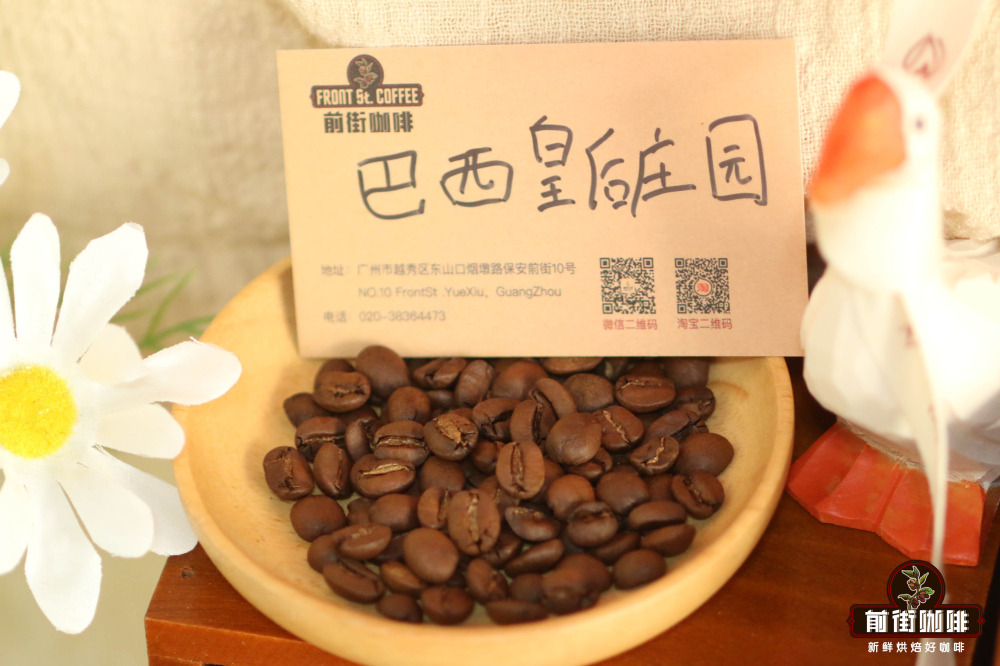
Flavor Description
The bean is sweet and clean. Using pulped natural processing gives it slightly brighter acidity that combines excellently with sweetness, and some even have tropical fruit aromas, especially the aroma that fills the air during brewing, which is even more delightful. Fresh sugarcane juice sweetness, black tea, soft and smooth fruit sweetness, obvious nutty flavor, balanced and smooth acidity, weak and clean bitterness, rich chocolate aroma and nutty flavor, with a bright and refreshing taste and a silky, delicate mouthfeel.
Why Are Brazilian Beans Mostly Used for Coffee Blends?
Most coffee is exported to countries around the world, while ordinary people still drink traditional coffee. Due to advantages in production volume and price, most purchasing countries use Brazilian coffee beans as the main blending bean, while specialty coffee requires specific channels to obtain. Brazil has many types of coffee, but its industrial policy is oriented toward large volume and low cost, so there are not many top-grade coffees.
For example, Front Street's classic espresso blend uses a strong combination of Brazil + Mandheling, plus 10% washed Robusta, which further strengthens the crema and is also beneficial for latte art.
What Is Blended Coffee?
Blended coffee, also called mixed coffee, is the combining of various single-origin coffee beans so that the strengths of each single-origin bean can be fully brought out. A blend is made from coffee beans of different origins mixed together to create a more balanced taste. For example, if one coffee bean is smooth but lacks aroma, another bean rich in aroma can be added, so that the advantages of individual coffee beans complement each other, whether complementing or enhancing one another in flavor, thereby creating a richer new taste. Sometimes the beans are mixed first and then roasted, which is called pre-blend roasting; sometimes the coffee beans are roasted first and then mixed, which is called post-blend roasting.
Whether pre-mixing green beans or roasting individually and then blending, both must depend on the characteristics of the coffees in the recipe. Both methods are acceptable. Post-roast blending provides different degrees of roasting for each bean so that each component can perform at its best.
Before blending beans, one must first know the flavors of different coffee varieties around the world, as beans have different characteristics depending on origin. Different coffee beans have different personalities due to different varieties and origins, with subtle differences in acidity, bitterness, sweetness, aroma, body, and other flavors. Single-origin coffee beans tend to emphasize the unique characteristics of a particular type of coffee. Blended beans are mostly used for espresso drinks such as Espresso, Americano, Latte, or Cappuccino, where the coffee taste is more balanced, smoother, and more stable, making it more accessible to a broader range of tastes.
Front Street Coffee (FrontStreet Coffee) Specialty Blend
Colombia : Brazil, ratio 3:7
Colombia Huila Region
Located in southwestern Colombia, it is one of the main coffee-growing areas. Colombia generally ranges from 1500–1800 meters in altitude, mostly Bourbon and Caturra varieties, washed processing, with relatively high density, uniform bean size, and plump bean shape (thicker from center to surface). Because the Huila region is dotted with famous coffee-growing areas, the names of various small localities have become brand names and circulate as such. Although the growing conditions in the region are also very good, the cultivation infrastructure of coffee farms and surrounding conditions is not yet very developed. The lack of complete green bean drying equipment or washed processing facilities is a regrettable point. Coffee from the Huila region has a strong taste and relatively heavy body. In particular, the nutty, chocolate, and caramel aromas and suitable acidity of Huila coffee can be called premium specialty coffee.
Flavor Characteristics: Rich and solid mouthfeel, with pleasant acidity, mellow aroma, moderate acidity, and rich sweetness that is very intriguing. Because it is inexpensive and the beans are small, it is suitable for single-origin use or as an espresso blend base.
Brazil Cerrado Region
Brazilian coffee generally grows at altitudes of 1000–1300 meters, so its density is relatively low. Mostly Bourbon variety, using pulped natural processing, with moderate moisture content, relatively soft bean texture, and a thinner thickness from bean surface to center, so it is not suitable for roasting at too high a temperature, as the temperature of the roaster drum wall will scorch the bean surface, resulting in burnt bitter flavors. We hope to express nutty, milk chocolate, and good body characteristics, and use it as a blend base, so Front Street Coffee (FrontStreet Coffee) adopts a medium-heat bean charging method, maintaining heat through the dehydration stage, and making fine adjustments as the temperature rises after first crack begins, promoting a more complete caramelization reaction. When the temperature rises to near second crack, the beans can be discharged.
Flavor Characteristics: Comfortable sweet-bitter taste, extremely smooth on entry; with faint grassy aroma, light fragrance with slight bitterness; sweet and smooth, with a pleasant aftertaste.
Flavor After Blending: Sweet and fragrant mouthfeel. Using medium-dark roasting, when making espresso, the taste has soft slight acidity, clean sweetness, and nutty lingering sweetness. The overall impression is not too stimulating, mild, and the crema is medium.
Front Street Coffee (FrontStreet Coffee) · Mamba Blend
Lintong Mandheling Flavor: Sweet herbs, cinnamon-like spices, orange and pomelo peel notes, rich and full-bodied sweetness, creamy walnut chocolate. The fruit acidity is restrained and soft, the aroma carries a strong melon sweetness, and as the temperature drops, herbal notes emerge, with faint spices. The herbal notes are full-bodied with rich sweetness.
Brazil Red Bourbon Flavor: High sweetness, clean, smooth, low acidity, with tropical fruit aroma.
Lintong Mandheling and Brazil Red Bourbon are both medium-dark roasted. Front Street Coffee (FrontStreet Coffee) blends these two beans at a 1:1 ratio. Before making espresso, we understood that Mandheling's flavor is rich and full-bodied sweetness, creamy walnut chocolate, with restrained and soft fruit acidity, and an aroma carrying strong melon sweetness, while the herbal notes are full-bodied with rich sweetness; Brazil's taste leans toward low acidity, fruity acidity, nutty flavors, balance, and moderate body.
After confirming the flavors of the single beans, blend at 1:1. Before making it, first use a small amount of beans to clean the grinder and reduce interference from other flavors. We use 13.5g, grind size 2.0, extract 20g of liquid, in 28 seconds. Because the beans are fresh and have more crema, bubbles appear during extraction, and the crema will be slightly firmer.
Tasting the Espresso: Obvious fruit acidity on entry, caramel in the middle, with roasted nutty flavors, and rich dark chocolate and cocoa in the finish. It has soft fruit acidity without overpowering Mandheling's unique pine, caramel, and premium herbal flavors.
Incorporating and Steaming Milk: An appropriate amount of fresh milk, incorporated evenly with air, steamed to about 60°C, preserving the fresh milk's clean sweetness, then combined with the espresso.
Latte Flavor: Smooth on entry, with a viscous mouthfeel and full caramel sweetness, followed by creamy chocolate flavors. The sweetness is just right, and the fresh milk's sweetness is very balanced with the dark chocolate and cocoa notes, making for a very classic taste.
The above content is compiled by CoffeeHunters, a coffee news website.


