







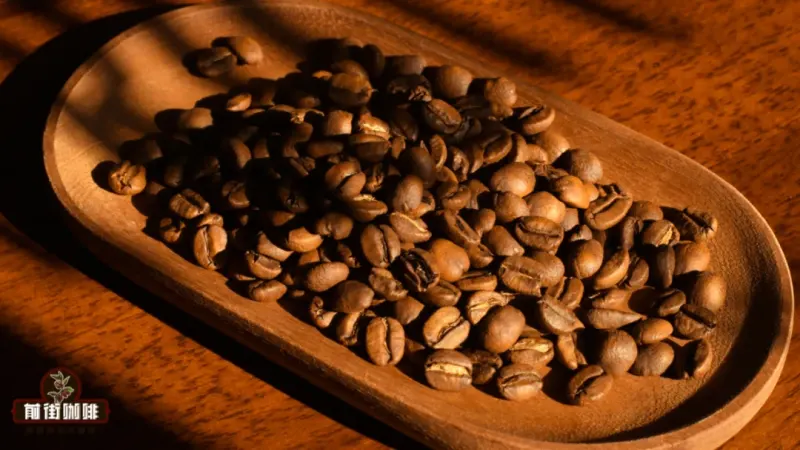
How does altitude drive coffee classification and grading?
Hard beans and soft beans describe bean density, not how a bean feels in the hand. The terms come from the Central American coffee grading system, which sorts coffee by growing altitude: higher altitudes mean cooler temperatures, slower fruit maturation, more accumulated flavor compounds, and denser beans that get a higher grade.
Central American coffee from Panama, Costa Rica, and Guatemala is widely graded this way. Beans grown at 1,000 meters may ripen in about half a year, while those at 1,500 meters take roughly a year, and that longer maturation builds flavor. Ethiopia, already high in altitude, produces dense beans without further altitude subdivision.
Baristas often mention hard beans and soft beans, but these two terms actually do not refer to how soft or hard the beans feel to the touch—they refer to the density of the coffee beans. The concept of hard beans originates from the Central American coffee grading system, which uses altitude as its standard—the higher the altitude, the lower the growing temperature, the slower the coffee fruit matures, the more flavor compounds it accumulates, and the greater the bean density becomes. Countries such as Panama, Costa Rica, and Guatemala widely adopt this logic, while Ethiopia, because its overall altitude is already high, produces almost nothing but extremely hard beans and has no need to further subdivide by altitude. Of course, although high-density beans are delicious, they also bring more challenges during grinding and brewing.
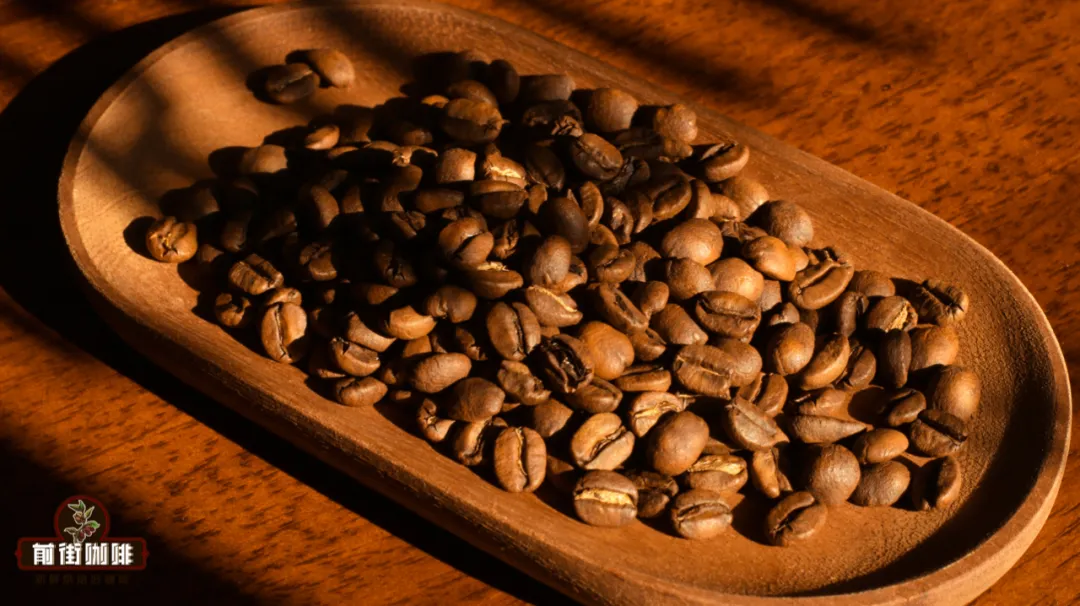
What Are Hard Beans/Soft Beans?
So-called soft beans and hard beans are not actually describing whether the beans feel soft or hard when squeezed, but rather their density. This naming convention originally came from the way coffee beans are graded.
In Central American countries such as Panama, Costa Rica, and Guatemala, their coffee grading systems are all based on growing altitude. The higher the altitude at which coffee is grown, the greater the bean density, and naturally the higher the grade.
Front Street Coffee has discussed before that rising altitude brings falling temperatures. In this environment, the growth and development of coffee beans—or rather their speed of maturation—is noticeably slowed down. For example, coffee beans grown at 1,000 meters might mature and be harvested in half a year, while beans grown at 1,500 meters take about a year. During this longer period, the coffee beans are able to absorb and accumulate richer substances, continuously adding to their final flavor. Precisely for this reason, most Central American countries do not grade by "size" as those traditional producing regions do, but instead use growing altitude as the standard for measuring bean quality.
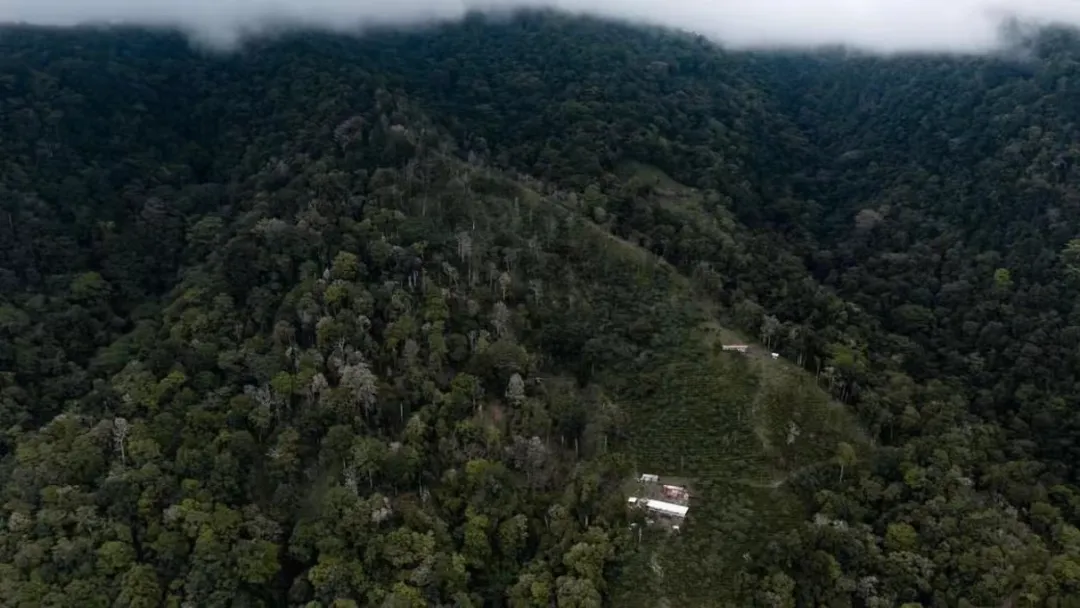
Simply put: the higher the altitude, the slower the beans mature, the more they accumulate, the harder they become, and the better the brewed coffee tastes. Since we are on the subject, let us look at how Central American producing regions specifically grade their coffee.
What is shown above is Panama's grading standard. It should be noted that although many producing countries use altitude-based grading, each country's cultivable areas and average altitudes differ, so the altitude thresholds corresponding to each country's grades also vary.
There is one more point worth mentioning: some countries grade neither by altitude or bean hardness, nor by size—yes, that is Ethiopia. Ethiopia's average altitude is already very high, so there is absolutely no need to use altitude for grading; the vast majority of its beans are extremely hard beans.
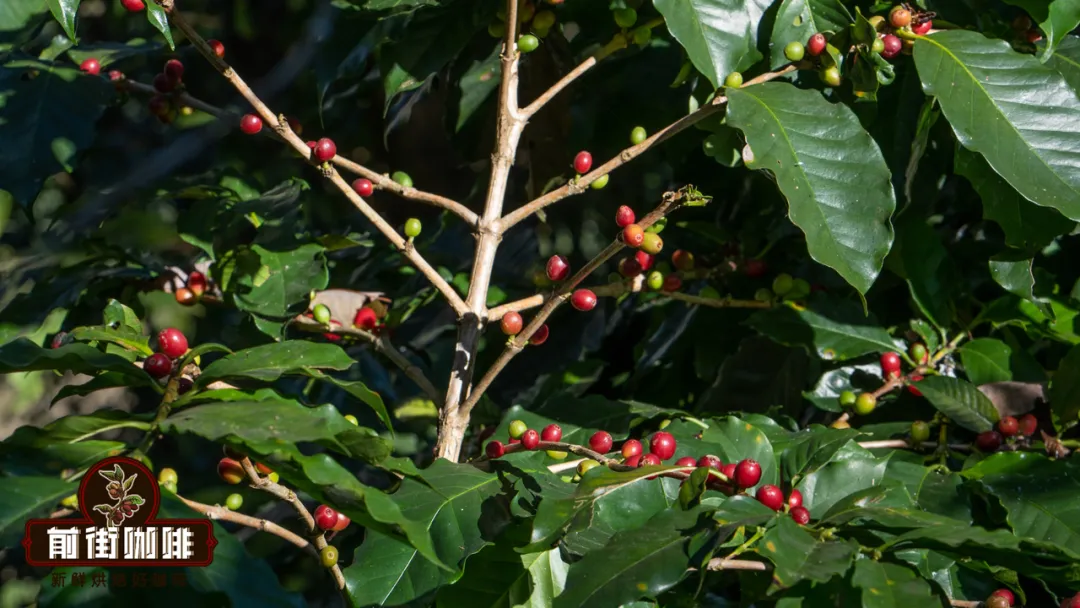
Taken together, it becomes clear that what baristas call hard beans refers to beans grown at high altitude with a harder texture. Since hard beans means hard beans grown at high altitude, soft beans naturally means beans grown at lower altitude with lower density.
Moreover, in addition to altitude, many factors during the growth and development of coffee beans can affect their density, such as the growing environment, climatic conditions, and so on.
High-hardness coffee really does taste better (relatively speaking) , but at the same time, it also causes us quite a bit of trouble in every stage of making coffee. Front Street Coffee believes that friends who use hand grinders must know this well: even among light-roast beans, the higher-altitude one is simply harder to grind.
This situation is also very common during brewing. Just as a friend commented under a Front Street Coffee article not long ago, light-roast Yirgacheffe is more likely to clog the drainage, and the reason is simple—light roast, harder beans, higher density. But perhaps this is what they mean by the bigger the storm, the more expensive the fish; after putting in more effort, the deliciousness we gain is proportional too~
- END -
The above content is compiled by CoffeeHunters, a coffee news website.


