







Where Is Coffee Beans Grown in Guatemala's Highlands
Guatemalan coffee comes from the central and southern highlands, not the lowland north. The country lies on the Central American volcanic belt, where ash-rich soil and a subtropical highland climate with wet and dry seasons produce high-grown strictly hard beans. Huehuetenango is the most recognized of the ten producing regions.
Coffee cultivation started in the mid-18th century, when Jesuit missionaries brought plants to Antigua after indigo had been the main export. Today Guatemala grades green beans by altitude into SHB, SEMI-HARD/HARD and EPW. Front Street Coffee's everyday Huehuetenango uses Bourbon, Catuai and Caturra, washed, with citrus, berry and nut notes.
Guatemala is located in the Central American volcanic belt, where fertile volcanic ash soil and diverse terrain and climate give rise to outstanding high-grown strictly hard beans. This article will guide you through the history of coffee cultivation in Guatemala, the distribution of its ten major producing regions, with a focus on analyzing the terroir of the most renowned Huehuetenango region, and explain the three-tier grading standard based on altitude: SHB, SEMI-HARD/HARD, and EPW. It also introduces the entry-level selection Huehuetenango from Front Street Coffee's daily bean series, whose Bourbon, Catuai, and Caturra varieties, after washed processing, present citrus, berry, and nut flavors, with a soft mouthfeel and a tea-like lingering finish.
Central America is wedged between North and South America, with most countries characterized by mountainous and hilly terrain, and a volcanic belt stretching over 1,300 kilometers along the Pacific coast. The fertile soil deposited by volcanic ash has made agriculture in this region quite prosperous, with the cultivation and export of tropical cash crops such as bananas, coffee, and sugarcane serving as the local pillar. It is precisely for this reason that Central America has produced many famous coffee countries, including Costa Rica, Panama, and Guatemala, and Guatemalan coffee has made its name precisely through high-quality high-grown strictly hard beans.
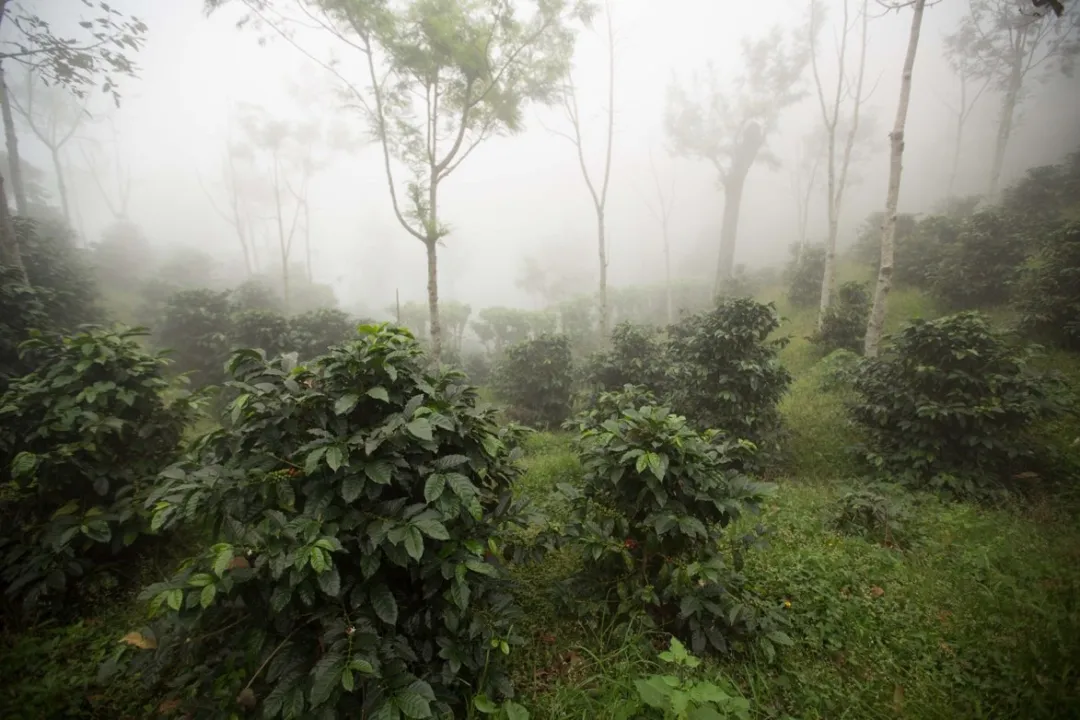
Guatemala is situated in northern Central America, with its northern part dominated by low-altitude tropical rainforests, so coffee cultivation is concentrated in the central and southern regions. The western and southern parts both belong to the volcanic belt, where about 30 volcanoes and multiple mountain ranges are distributed. Although the country lies in the tropics, the southern highlands have a subtropical climate with distinct dry and wet seasons throughout the year, while the high-altitude areas enjoy mild temperatures and ample sunshine year-round, which, combined with fertile volcanic soil, creates very ideal conditions for coffee cultivation.
Coffee was first introduced to Guatemala in the mid-18th century, when Jesuit missionaries brought it to Antigua for cultivation. At that time, however, Guatemala's export mainstay was the plant dye indigo. Later, a locust plague struck and artificial dyes emerged, dealing a blow to indigo exports and sending the national economy into decline, which prompted Guatemala to shift toward developing coffee cultivation.
During the period of Spanish colonial rule, coffee estates belonged to Spaniards, and the local indigenous people could only engage in maintenance and harvesting on the estates. It was against this backdrop that Guatemala's coffee industry gradually took shape. Entering the 20th century, after Guatemala gained independence, a civil war broke out, and the coffee industry suffered a heavy blow. It was not until the end of the civil war in 1996 that the industry got back on track toward stable development.
Guatemala has 22 departments in total, of which 20 produce coffee. Ten coffee-producing regions are officially designated and divided into volcanic and non-volcanic regions. The non-volcanic regions include Huehuetenango, Coban, and Nuevo Oriente; the volcanic regions cover Atitlan, Antigua, Acatenango, Fraijanes, and San Marcos.
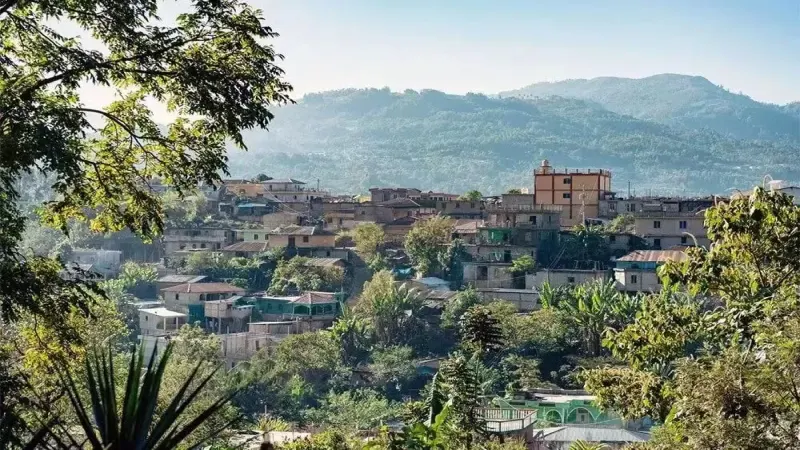
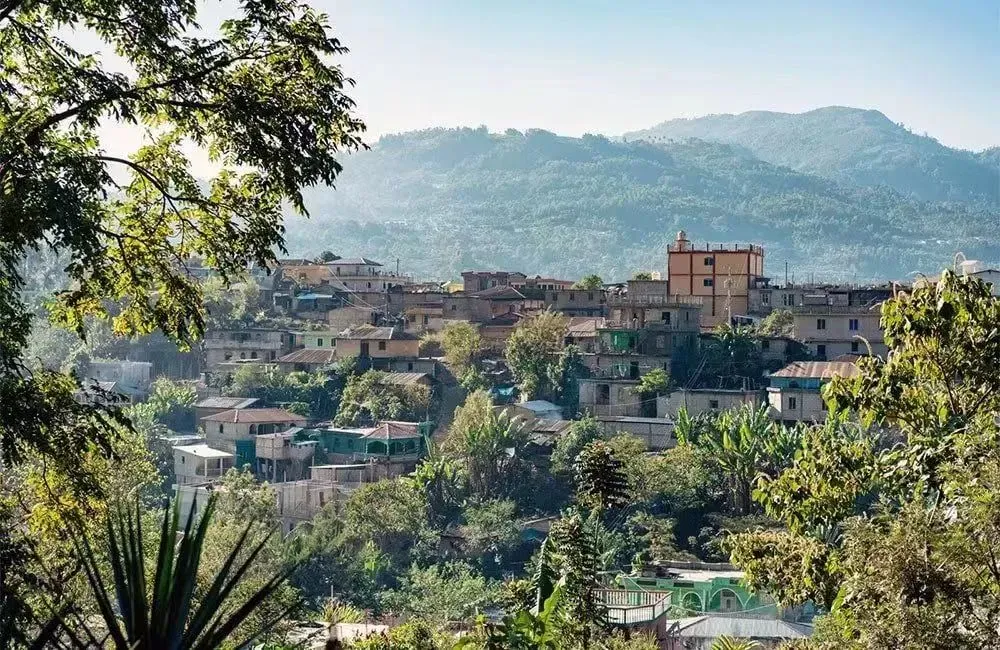
The most famous of these regions is undoubtedly Huehuetenango. It is located in the northwestern highlands of Guatemala and contains the Cuchumatanes mountain range, making it the highest-altitude producing region in the country, with cultivation elevations reaching 1,800 to 2,100 meters. The climate in this area tends to be warm and dry because hot air from the tropical plains of Tehuantepec in Mexico flows in large quantities toward this mountain range, allowing coffee to avoid the threat of frost even at high altitudes. Despite the dry climate, several rivers pass through the region, and the abundant water supply is sufficient to guarantee irrigation, providing support for cultivating high-quality coffee.
Similar to most Central American producing countries, Guatemala also uses altitude as the main basis for grading, though there are multiple versions of its altitude grading standards, and they are even inconsistent among different producing regions. According to the general version published by the Guatemalan National Coffee Association (ANACAFE), it can be divided into three levels: SHB (STRICTLY HARD BEAN, above 1,370 meters), SEMI-HARD/HARD (1,066-1,370 meters), and EPW (EXTRA PRIME WASHED, below 1,066 meters).
In Front Street Coffee's daily bean series, you can also find this well-known producing region. This entry-level selection Huehuetenango coffee bean uses Bourbon, Catuai, and Caturra varieties and adopts the washed processing method. After brewing, it has a slight fruity acidity, presenting citrus, berry, and nut flavors, with a soft mouthfeel and a tea-like note in the finish.
Front Street Coffee believes that coffee beans from Guatemala's Huehuetenango possess the typical style of strictly hard beans. The overall balance is not particularly outstanding, and the floral and fruity aroma is on the weaker side, but the soft fruity acidity blended with nutty flavors is enough to showcase the regional character of Guatemala and even Central and North America.
To learn more information about coffee origins, please scan the QR code to follow: Coffee Review
Long-press the QR code to follow:
The above content is compiled by CoffeeHunters, a coffee news website.


