







As the world's largest coffee producer, Brazil is known for its low-acid, full-bodied coffee with nutty and chocolatey notes. This article systematically examines the flavor origins of Brazilian coffee beans—from the characteristics of low-altitude soft beans to their widespread use in espresso blends—providing an in-depth introduction to the ecological conditions of the Cerrado region and its origin certification system, analyzing the characteristic differences among main varieties such as Bourbon, Mundo Novo, and Catuai, and detailing the technological innovation of the semi-washed processing method as well as Brazil's unique green bean grading system (defect rate, screen size, cup quality, and flavor grade). At the same time, combined with Front Street Coffee's bean selection approach and pour-over practice, it provides coffee enthusiasts with a complete reference from origin knowledge to brewing parameters.
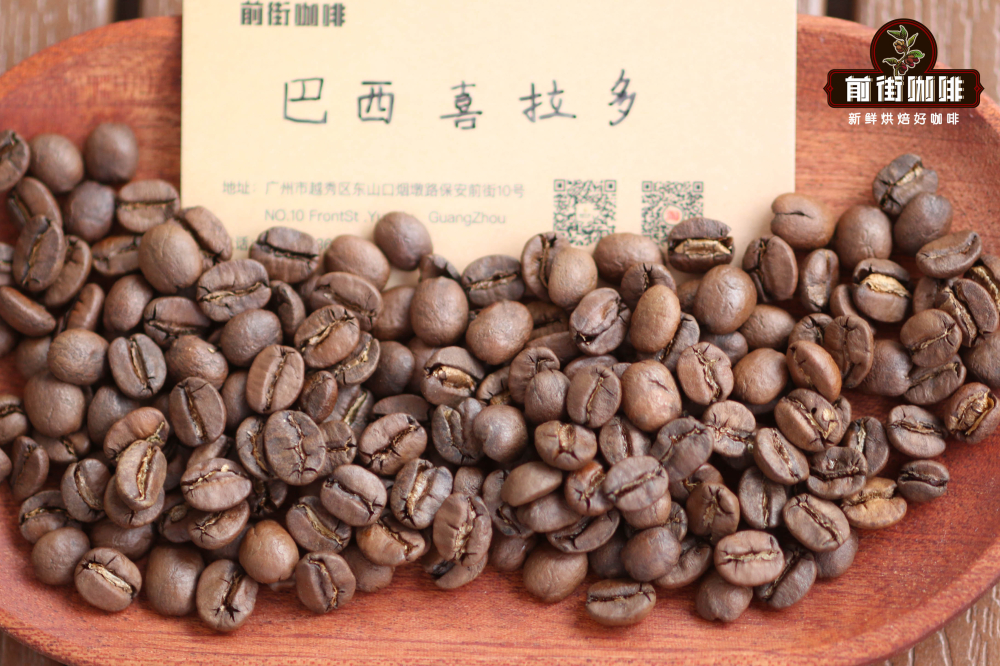
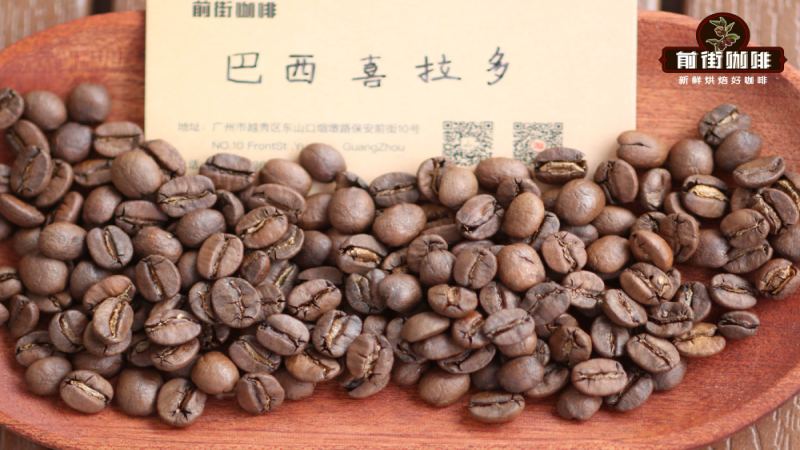
If you prefer a classic coffee taste that is low in acidity and full-bodied, the Brazilian coffee on Front Street's menu is a choice worth trying. This bean has a base aroma of nuts and peanuts, interwoven with chocolate sweetness, and even with a simple brewing method, it can present the most authentic flavor profile of Brazilian coffee.
Characteristics of Brazilian Coffee Beans
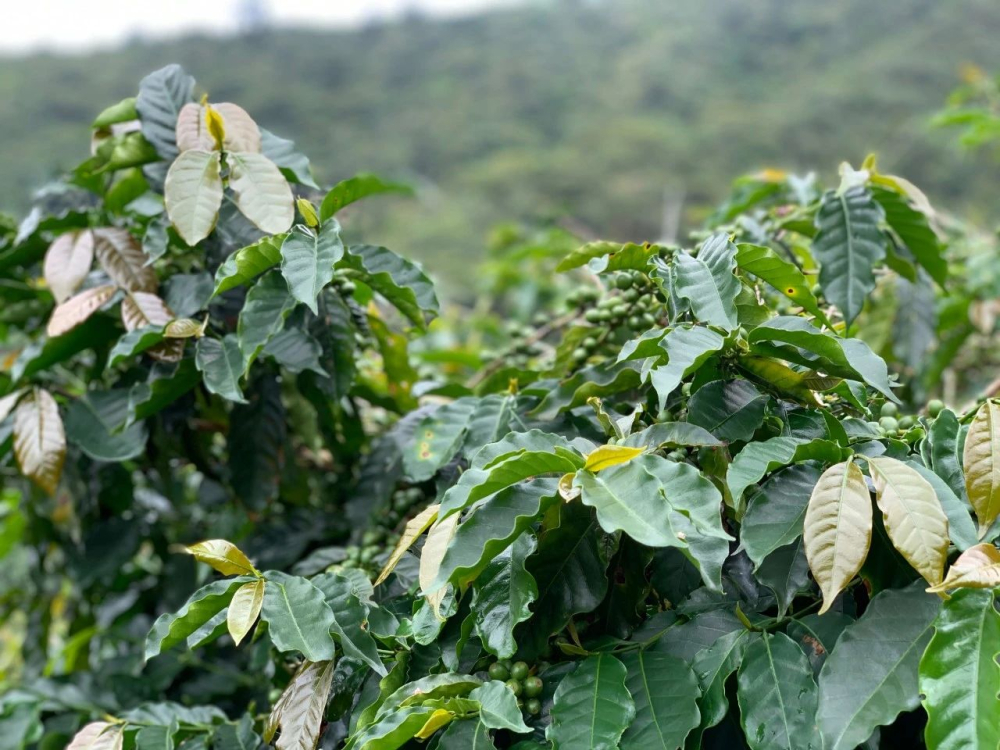
Brazilian coffee regions are generally at low altitudes, and the flat terrain makes it difficult to foster diverse microclimates. Coffee trees are mostly planted in large blocks without shade, which creates the distinctive flavor profile of soft beans. So-called soft beans are coffee fruits grown at low altitudes, with a shorter ripening cycle and relatively loose bean density. Their flavor is sweet, mellow, and balanced with chocolate and nutty notes, lacking the bright fruity acidity of high-altitude hard beans.
Because Brazilian beans have this gentle, unassuming quality, they have become a priority choice for many roasters when formulating espresso blends. Medium-dark roasted Brazilian beans can contribute a full, solid coffee aroma, and because of their balanced profile, baristas can more easily maintain consistency in daily extraction. In addition, their affordable price effectively controls production costs. Front Street has three espresso blend beans that all use Brazilian beans as a formula component, which shows how important Brazilian coffee is in the industry.
Brazil's Cerrado Region
Brazil has a history of coffee cultivation spanning more than three hundred years. Since the 1970s, coffee has gradually become an important economic pillar of the country, and today Brazil is the world's largest coffee producer. When it comes to benchmark specialty coffee regions in Brazil, the most well-known are Cerrado and Sul de Minas in Minas Gerais, as well as Mogiana in São Paulo. There is a saying in the coffee industry: whether Brazilian coffee bean production is abundant or poor depends on how good the harvest is in Minas Gerais; and the harvest in Minas Gerais depends on the performance of Sul de Minas, Cerrado, and Mogiana.
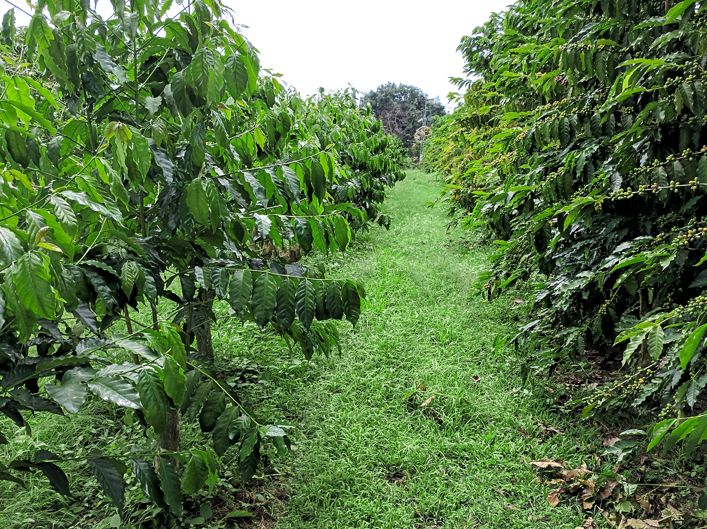
The Cerrado region is located in Minas Gerais between southern Brazil's eastern side and the coastal area, with cultivation at an altitude of about 1,000 meters. Because of the flat terrain, mechanized harvesting is widely used, and the processing method is mainly semi-washed. The region's unique soil conditions and abundant groundwater resources form the indispensable ecological foundation for Cerrado's high-quality coffee. Cerrado is also the only region in Brazil that implements an origin certification system, strictly controlling the authenticity of the production site. Once a Cerrado label is applied, it means quality is guaranteed.
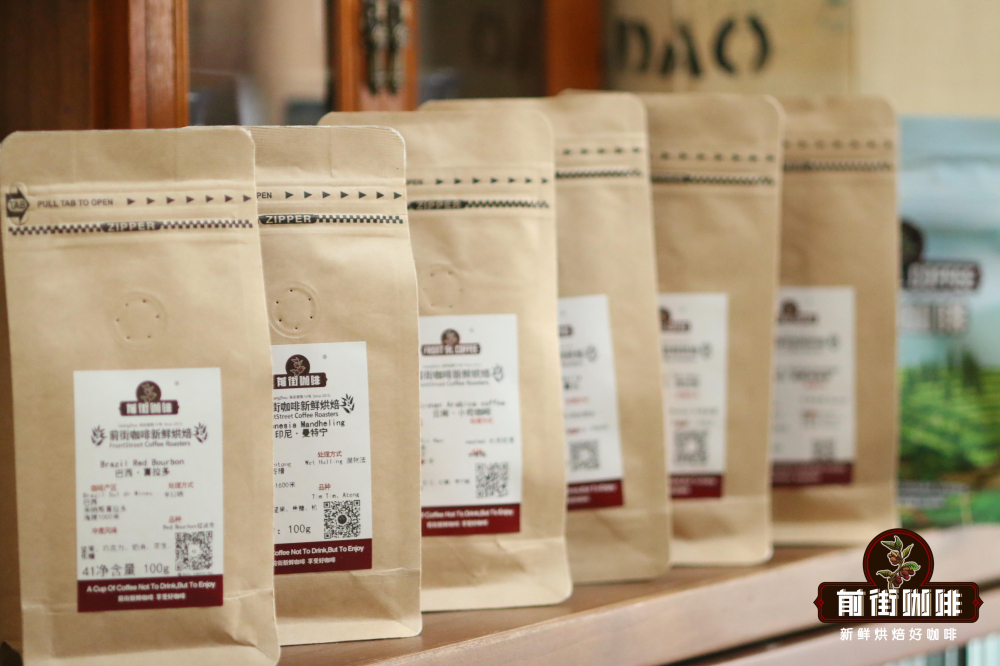
Brazil is vast, and the coffee it produces is diverse. Front Street cupped and compared Brazilian beans from multiple regions and different varieties, and finally selected semi-washed Red Bourbon coffee from Cerrado as the representative of Brazilian flavor, including it in Front Street's daily drinking bean series so that more people have the opportunity to appreciate the charm of Brazilian coffee. Front Street's daily drinking bean series covers multiple well-known regions and varieties. Friends who are just getting into specialty coffee can start with this series and gradually understand the basic flavors of each region.
Brazilian Bourbon Variety
At present, Brazil's main coffee varieties include Bourbon, Mundo Novo, and Catuai. Among them, Bourbon has the longest history, having evolved from a genetic mutation of Typica. The common Bourbon coffee fruit changes color from green to yellowish, orange-yellow, red, and finally fully ripe dark red. This is what we call Red Bourbon. Red Bourbon grown at high altitudes has a balanced flavor, rich aroma, and smooth acidity, and Front Street's daily drinking bean uses Red Bourbon. In addition, Yellow Bourbon has attracted much attention in many coffee competitions. Its fruit does not turn cherry red when ripe, but yellow. The yellow color of Yellow Bourbon comes from a selective color inheritance. Yellow Bourbon grown at high altitudes shows a sweet and juicy flavor. Front Street's Queen Farm Brazil Yellow Bourbon coffee, after roasting, gives off an aroma of creamy peanuts with a clear sweetness like sugarcane.
Brazilian Semi-Washed
Brazil's green bean processing methods include natural, semi-washed, and washed, and which one is used depends on local climate conditions.
Before 1990, Brazil used almost entirely the rough natural method, dumping coffee fruits directly onto concrete ground to sun-dry until dry. The coffee beans easily picked up off-flavors such as dirt and produced an unpleasant over-fermented sensation, seriously affecting the quality of Brazilian coffee. In 1990, Brazilian coffee research institutions developed the semi-washed method in response to the local arid climate. The specific method is: before drying, remove the pulp and skin, keep only a thin layer of mucilage and sun-dry for 1 to 3 days, then machine-dry to 12% moisture content, and then put it into storage containers to mature. This method shortens the processing cycle and reduces negative flavors produced during processing, greatly improving the quality of Brazilian beans.
Brazil's Complex Green Bean Grading
Due to the huge production volume, coffee bean quality varies greatly. Local inspection agencies take a 300-gram sample and grade it according to different standards such as green bean defects, size, and cup testing. This is also Brazil's unique grading system that distinguishes it from other producing countries.
Defect grading method: NY.2 refers to the New York grading standard. According to defect proportion, it can be divided into NY2, NY2/3, NY3, NY3/4... The smaller the number, the lower the defect rate and the higher the grade. Among them, lots with fewer than 4 deduction points belong to NY2, the highest grade. Because NY.1 requires not a single defective bean, such specially selected lots cannot be supplied consistently, so Brazil sets NY.2 as the highest grade.
There are also corresponding standards for flavor and mouthfeel. According to the coffee's mouthfeel during cupping, there are many different descriptions: Strictly Soft, Soft, Softish, Hard, Rioy. SC refers to Strictly Soft, which has the best mouthfeel. Cup flavors are divided into Fine Cup, Good Cup, Fair Cup, Poor Cup, and Bad Cup. Among them, Fine Cup has the best flavor and highest quality, followed by Good Cup.
Taking the jute bag of (Front Street) Brazil daily drinking coffee green beans as an example, the relevant grade information is marked on it: country + defect grade + cup mouthfeel + screen size + flavor + region, such as Brazil NY.2 SC – 17/18 FC Cerrado, which means it comes from the Cerrado region of Brazil, screen size 17–18, SC stands for Strictly Soft, meaning a very smooth mouthfeel, FC stands for Fine Cup, meaning high-quality cup flavor, and the defect rate grade is NY.2.
Flavor and Mouthfeel of Pour-Over Brazilian Coffee
Some friends buy coffee beans and brew them at home, only to find that the flavor differs from what they tasted in the shop. This may be because the extraction parameters were not adjusted properly. Front Street attaches a brewing QR code to the label of each bag of coffee beans. Scan it to view it, and everyone can adjust according to the brewing parameters on it. Below, taking Brazil Cerrado daily drinking beans as an example, we share the brewing approach of FrontStreet Coffee's baristas.
Front Street's Cerrado daily drinking beans use a medium-dark roast. After medium roasting, the internal structure of the coffee beans changes greatly and becomes porous, and after grinding into powder, they absorb water more strongly. If the brewing parameters are not adjusted properly, the coffee can easily be over-extracted and bitter. If you want the coffee to have enough aroma without over-extraction, you need to lower the extraction rate. Front Street uses a relatively low water temperature and a relatively coarse grind to reduce the release of bitter large molecules in the coffee.
FrontStreet Coffee's baristas consistently use the KONO dripper to extract coffee beans that express body. The only exhaust part of the KONO dripper is that quarter of the ribs. When the water level rises above the rib area, the amount of water in the dripper continues to rise, increasing pressure through the weight of the water. Because the outlet is relatively small, it can extend the contact time between coffee particles and water. As water is poured in, soluble substances are brought out more effectively, thereby enhancing the coffee's full and rich mouthfeel.
Pour-over parameters: 87–88°C water temperature, medium grind (70% passing through China standard No. 20 sieve), coffee powder: 15 grams, powder-to-water ratio 1:15, three-stage pouring
First, use twice the weight of the coffee powder in water to wet the coffee bed and form a dome, and let it bloom for 30 seconds. Then, pour in a thin stream in circles from the inside outward. At 125 grams, pause, and wait for the coffee bed to drop to half the height of the dripper. Continue pouring the third stage with the same thin stream to 225 grams, until all the coffee liquid has filtered through. Remove the dripper. The total time is about 2 minutes. Finally, swirl the coffee liquid in the server to mix evenly and enjoy~
Brazil Cerrado Red Bourbon daily drinking beans: obvious sweetness on the entry, accompanied by a faint lemon aroma, rich nutty and caramel flavors, with a noticeable dark chocolate note in the finish, and an overall rounded impression.
For professional coffee knowledge exchange and more coffee bean information, please follow Coffee Workshop (WeChat public account: cafe_style)
For more specialty coffee beans, please add the private WeChat of FrontStreet Coffee. WeChat ID: qjcoffeex
The above content is compiled by CoffeeHunters, a coffee news website.


