







Search Results for: Single vs Double Difference
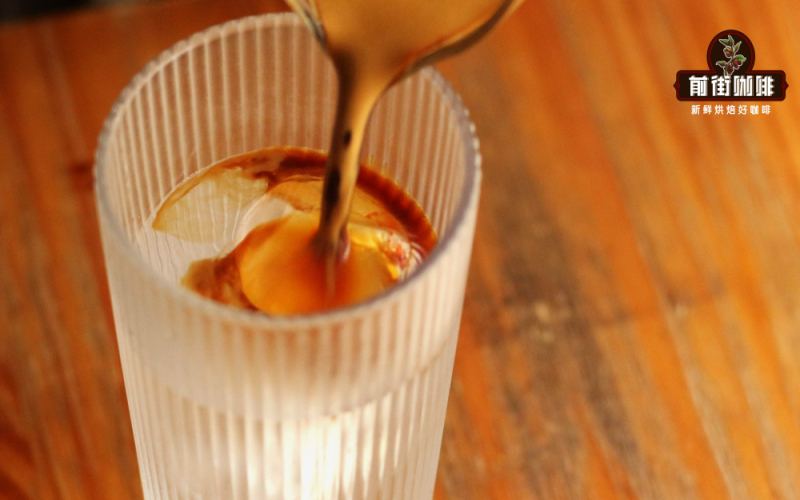
Espresso Beginner's Guide: Extraction Standards, Single vs. Double Shot Differences, and Latte Practice Parameters
Espresso is the soul base of fancy coffee drinks like lattes and cappuccinos, but many friends who are just getting into coffee still have doubts about its definition, extraction standards, and the difference between single and double shots. Starting from Front Street Coffee's production experience, this article systematically sorts out the basic concept of Espresso, the differences between single and double espressos, the production process and qualified standards, and combines the Feima E98 coffee machine to give specific extraction parameters for hot lattes and suggestions for milk-to-coffee ratios. Whether you want to know how many milliliters espresso must be to count as qualified, or want to know why it is now mostly measured in grams, this article can provide clear and practical answers to help you build a basic understanding of espresso. [more…]
Espresso Extraction Guide: Single vs. Double Shot Differences and Milliliter/Gram Standards Explained
Espresso is the soul base of fancy coffees like lattes, cappuccinos, and mochas, but do you really understand it? How many milliliters does a shot of espresso need to be to qualify as standard? Is the difference between a single and a double shot merely concentration? From the professional perspective of Front Street Coffee, this article systematically sorts out the definition, historical origins, and production process of Espresso, deeply analyzes the differences between single and double espressos in terms of dose, equipment, and extraction method, and provides international technical standards along with Front Street's current extraction scheme. It also extends to the preparation parameters and coffee-to-milk ratio of hot lattes, helping coffee enthusiasts fully master the core knowledge of Italian-style coffee. [more…]
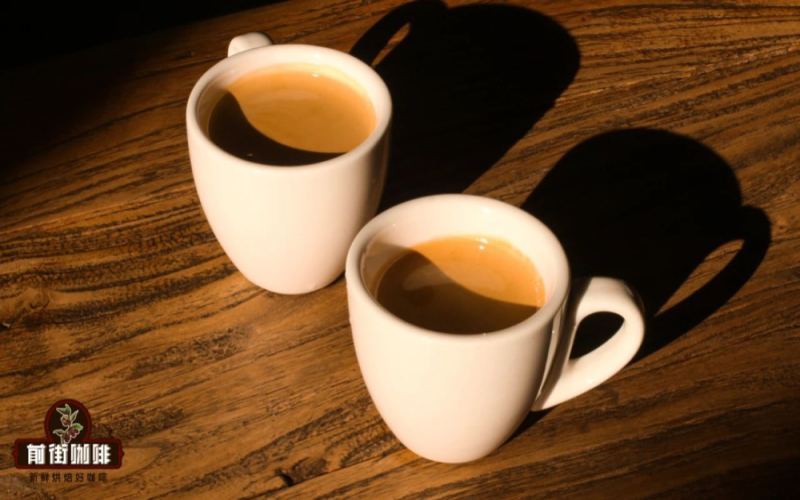
Espresso Dose Guide: Single vs. Double Basket Differences and Standard Extraction Parameters Explained
How much coffee grounds should you use when making espresso? What is the difference between single and double baskets? Drawing on Front Street Coffee's hands-on experience, this article provides a detailed analysis of the structural characteristics and current usage of single-shot espresso baskets, explaining why double baskets have become the mainstream choice. At the same time, using "Front Street Sunflower · Warm Sun Espresso Blend Coffee Beans" as an example, it fully demonstrates the standard extraction process for a double basket, covering dose, yield, time control, and distribution and tamping techniques, to help you consistently produce an espresso with thick, velvety crema and rich, layered flavors. [more…]
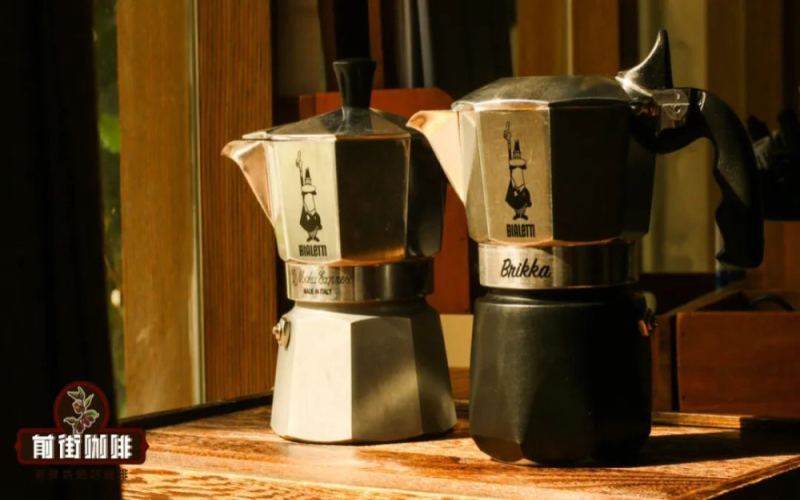
Moka Pot Buying Guide: Single-Valve vs. Double-Valve Differences, Choosing the Right Size for Home Use, and Compatibility with Espresso Blend Beans
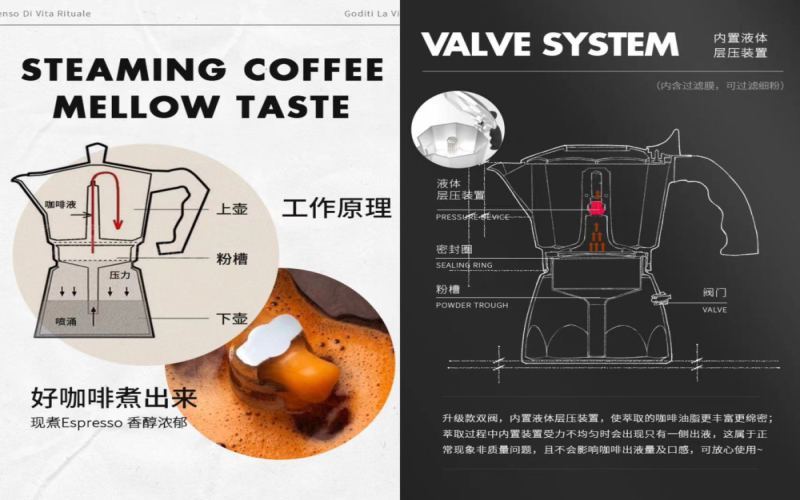
As the autumn and winter camping season arrives, the moka pot has once again become a popular piece of gear among outdoor coffee enthusiasts. However, faced with the two options of single-valve and dual-valve models on the market, many consumers hesitate, unsure of the differences between them. From the perspective of Front Street Coffee, this article takes a deep dive into the extraction principles of the moka pot, compares the specific differences between single-valve and dual-valve models in terms of pressure, concentration, crema performance, and suitable scenarios, and answers the question of whether espresso blends can be used in a moka pot. At the same time, for home users, it offers practical advice on choosing the right moka pot size. Whether you're after a rich milk coffee or prefer a pure black coffee, this guide will help you make a wiser purchasing decision, so that every penny is well spent. [more…]
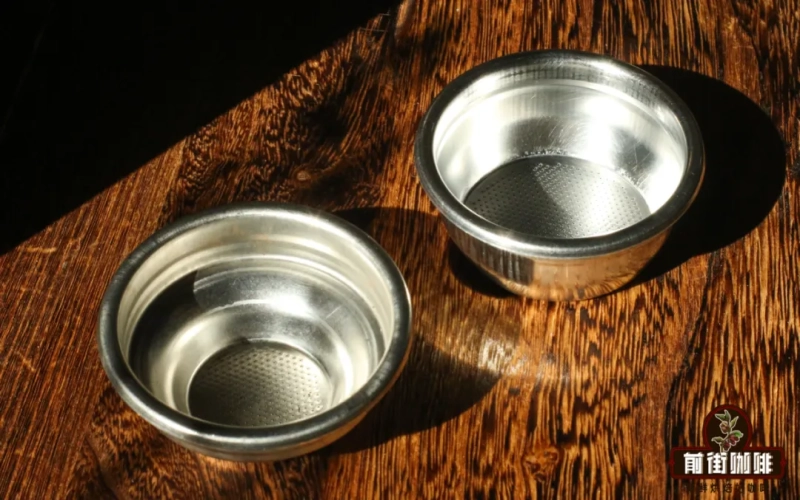
Single vs. Double Portafilter Baskets: Which One Should You Use to Pull a Shot of Espresso?
When ordering at a coffee shop, have you ever noticed the filter basket the barista uses? A single basket typically holds 9–11g of coffee grounds for pulling a single espresso; a double basket can hold 18–22g for a double espresso. But in reality, most cafés would rather use a double basket to pull an extra shot—even pouring half of it down the drain—than switch to a single basket. Why is that? Starting from Front Street's comparative experiments, this article takes a deep dive into the structural differences, extraction performance, and consistency issues of the two baskets, helping you fully understand which basket a single espresso should actually use. [more…]
How to Choose a Moka Pot: A Guide to Single-Valve vs. Double-Valve Use Cases and Coffee Bean Pairings
When the moka pot first appeared, there was no distinction between single-valve and double-valve versions. Its arrival brought steam-pressure espresso extraction into ordinary households and also broke the previous restriction that women could not enjoy coffee in cafés. In recent years, as people's demands for coffee flavor have increased, the double-valve moka pot has emerged. So should beginners choose single-valve or double-valve? And how should a single-valve moka pot be operated correctly? This article will sort through the structural differences between the two pot types, the difficulty of operation, and the key extraction points one by one, and provide coffee bean pairing suggestions suitable for moka pots, including specific choices such as Front Street Classic Blend, Queen Estate Brazil, and PWN Indonesia Golden Mandheling. [more…]
A Complete Guide to Espresso Grind Parameters: How to Adjust Single vs. Double Shots and the 10g Dose Extraction Ratio
Espresso is the soul base of drinks like lattes and cappuccinos, but what exactly are the differences between single and double espressos in terms of dose, grind, and extraction parameters? And how much coffee liquid can be extracted from 10 grams of coffee grounds? Based on the hands-on experience of Front Street Coffee, this article systematically explains the grind adjustment logic for single and double espressos, the tasting standards for espresso, and recommends in detail a variety of Front Street Coffee blends and SOE beans suitable for making espresso. Whether you are an espresso beginner or a seasoned player, you can find direction here for consistent output. [more…]

The Espresso Shot Breakdown: How Much Coffee Is in a Shot? Single vs. Double Definitions and Their Evolution
When ordering at a café, you often hear "add a shot" or "get a double espresso," but how much coffee does one shot actually represent? This article traces the evolution of the word "shot" from drinking culture to the coffee world, breaks down the extraction formulas for traditional single and double shots, and explains how modern baristas use liquid weight as the standard, making the gram amount of each espresso vary from shop to shop. At the same time, drawing on extraction examples from Front Street Coffee, it helps you understand the concept of espresso serving sizes more clearly. Whether you are a coffee enthusiast or a customer ordering day to day, you can gain practical knowledge from it. [more…]
What coffee beans are used for Americano? A full breakdown of blends vs. SOE and iced vs. hot methods
Americano is made by diluting espresso with water, typically using dark-roasted Italian-style beans. Front Street Coffee uses a blend of single-origin beans from two regions to compensate for the low acidity of traditional Italian-style coffee and add layers of complexity. Many people ask: does an Americano have to use an Italian-style blend? What flavors would other beans bring? This article first explains the difference between blended beans and SOE, then compares three Front Street Coffee blends, offering three Americano options—one leaning acidic, one leaning full-bodied, and one leaning balanced—along with extraction parameters. Finally, it includes tasting steps for smelling the aroma, observing the color, and tasting, helping coffee lovers choose the right beans according to their taste and consistently make iced or hot Americanos at home. [more…]
A Detailed Guide to Espresso Ratios: Single vs. Double Parameters, Extraction Steps, and Front Street Coffee Italian Bean Recommendations
Espresso is the foundation of the Italian coffee system, and its extraction ratio directly determines the quality of a cup of coffee. This article provides a detailed explanation of the dose, extraction time, liquid weight, and brew ratio for single and double espressos, while also introducing how to use the fill line of the filter basket and how to adjust the grind size. For different flavor needs, the article also outlines the recipes and flavor characteristics of several coffee beans, including Front Street Classic Espresso Blend, Strawberry Candy, Specialty Blend, Commercial Blend, and Dark Cocoa Blend. Using latte as an example, it explains the ratio of espresso to milk, milk frothing, and the key steps of integration and latte art, making it suitable for coffee enthusiasts who want to systematically understand the preparation parameters of espresso. [more…]
How to Determine the Grind Size for a Moka Pot? A Full Analysis of Single-Valve vs. Double-Valve Pressure Differences, Pros and Cons
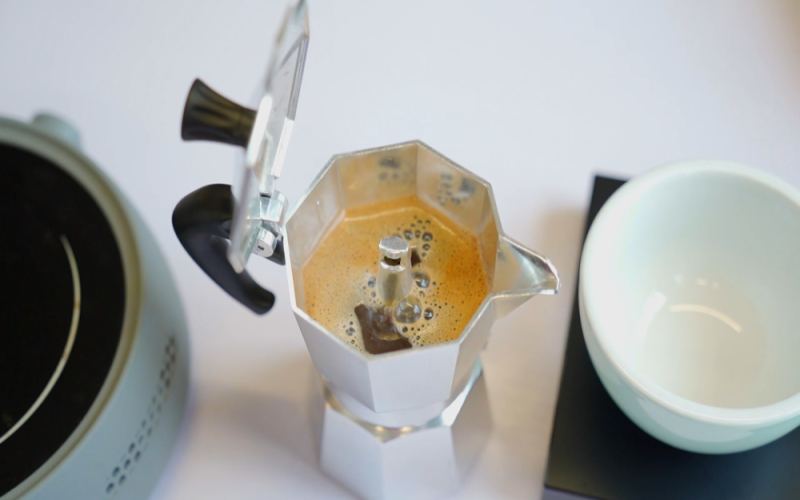
As a classic choice among home coffee equipment, the moka pot's single-valve and double-valve differences directly affect the resulting concentration and crema performance. This article starts with the structural principles, analyzes the extraction pressure differences between the two valve types, and outlines the pros and cons of the moka pot, the suitable coffee grind size range, and recommendations for coffee bean roast level. It also includes a complete operating procedure, covering dose control, heating techniques, and daily maintenance points. The article also introduces the recipe ideas and flavor characteristics of Front Street Coffee's two espresso blends, helping enthusiasts make clearer judgments when purchasing and practicing. [more…]
Blue Mountain No. 1 vs. Espresso Coffee Beans: A Comparative Analysis of Their Differences and the Flavor Performance of Single-Origin Blue Mountain in Espresso
Many coffee enthusiasts are curious: what exactly is the difference between Front Street Blue Mountain No. 1 coffee and espresso? Simply put, Blue Mountain No. 1 is a single-origin coffee bean, made from the Typica variety (with Geisha added in 2020), and is usually extracted by pour-over; espresso, on the other hand, mostly uses blend beans (single-origin beans can also be used), and the concentrated liquid is quickly extracted under high pressure by a coffee machine. This article will systematically sort out the origin background, variety characteristics, processing method evolution, and brewing parameters of Front Street Blue Mountain No. 1, while also explaining in detail the definition of espresso, the formula and extraction standards of Front Street Warm Sun Blend, helping readers fully understand the essential differences between the two types of coffee and their respective flavor characteristics. [more…]
Starbucks Flat White vs. Australian White, Americano, and Cappuccino: A Taste Comparison—Which Is Bitterer and Smoother?
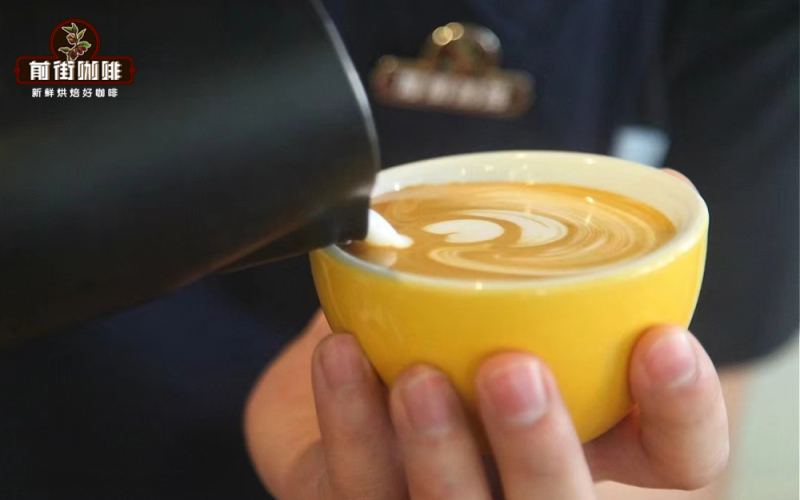
In the world of espresso, adding milk or water to espresso can transform it into a myriad of drinks such as Australian White, cappuccino, latte, and Americano. But are you clear about the differences between Starbucks Flat White and Australian White, Americano, and cappuccino in terms of taste, strength, and milk foam texture? Which cup is more bitter, and which is smoother? This article, from the perspective of Front Street Coffee, sorts out the recipe origins and production details of these coffees, and shares the extraction parameters and milk frothing techniques for Australian White and cappuccino, helping you make a cup of authentic Italian-style coffee at home. [more…]
New Moka Pot Buying Guide: Core Differences Between Single-Valve and Double-Valve and Key Usage Points Explained
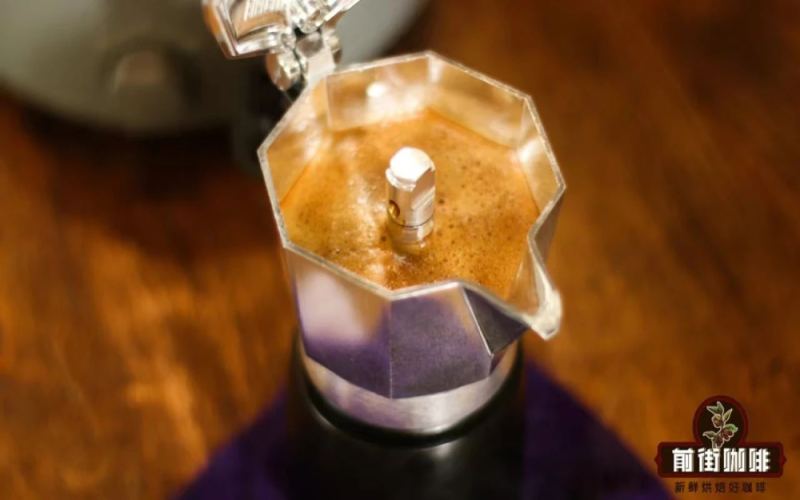
With its simple operation and rich flavor, the moka pot has become the preferred tool for many coffee lovers to make espresso-style coffee at home. Faced with the many choices on the market between single-valve and double-valve, old and new models, beginners often don't know where to start. This article will begin with the extraction principle of the moka pot, compare in detail the differences between the three styles—single-valve, gravity-pressurized double-valve, and the latest built-in hydraulic layer double-valve—and explain their respective advantages and disadvantages in terms of crema performance and ease of cleaning. At the same time, the article will also share recommendations for choosing coffee beans suitable for the moka pot, including the flavor characteristics of Front Street Coffee's Specialty Blend, Classic Blend, and Dark Cocoa Blend, and focus on explaining the key control points for moka pot grind size, helping readers safely and efficiently extract their ideal cup of coffee. [more…]
American Coffee vs. Lungo: A Comparative Analysis of Extraction Methods, Strength and Taste, and Key Points for Choosing Espresso Beans
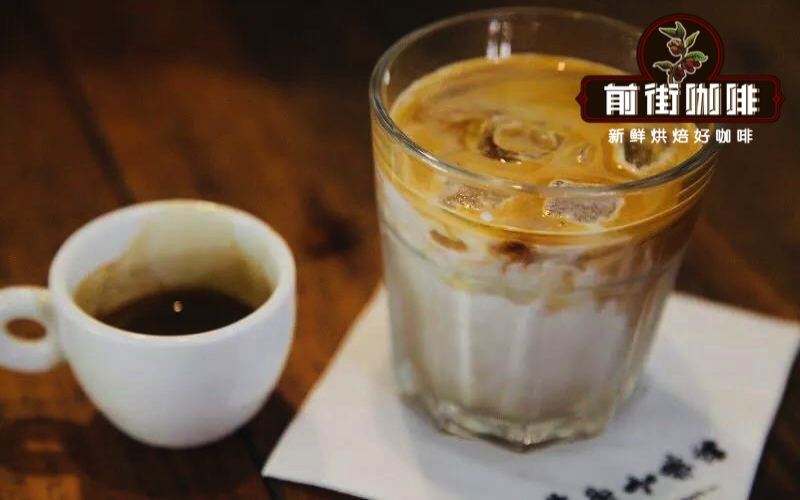
American coffee and Lungo both belong to the Italian-style black coffee system, and both are based on espresso, but their extraction logic is completely different. American coffee is made by diluting espresso with water, while Lungo achieves a "stretched" effect by extending the extraction time and increasing the amount of water. The former has a flexible sequence, and the crema may be kept or dispersed, while the latter changes the flow rate, doubles the volume, has higher caffeine, and a softer taste. This article will clarify the specific differences between the two in operation, volume, and flavor, and explain why Italian-style blend beans have become the first choice for making this type of coffee, while also introducing the positioning of Front Street Coffee's four blend beans and its fresh roasting philosophy. [more…]
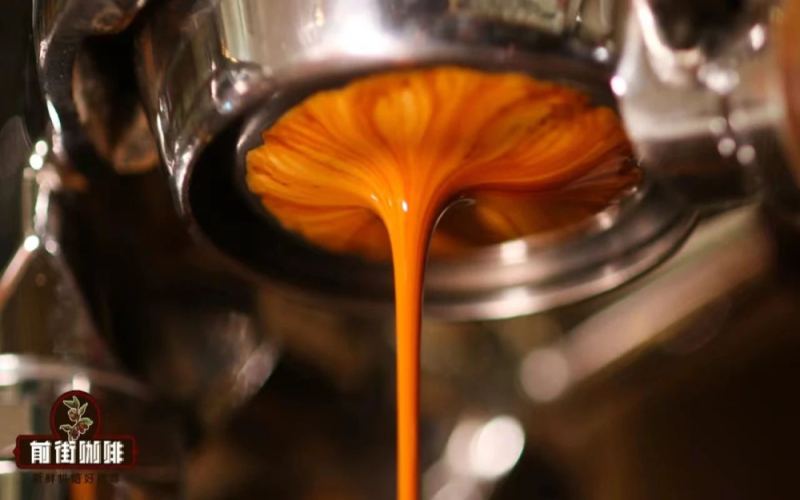
SOE Single-Origin Espresso vs. Blended Espresso: Brewing Parameters, Flavor Profile, and Preparation Explained
In specialty coffee drinks, espresso is the foundation that determines flavor. In recent years, SOE (Single Origin Espresso) made from single-origin coffee beans has gradually become popular. It differs noticeably from traditional blended espresso in bean selection, roast level, extraction parameters, and flavor expression. This article will start from the definition of SOE, compare the characteristics of blended coffee beans, analyze why SOE has become popular, and use the washed Front Street Gedingding beans from Ethiopia's Yirgacheffe region as an example to fully demonstrate the production process and extraction parameters of a cup of SOE espresso, while also providing a flavor description to help coffee enthusiasts fully understand this brewing method. [more…]
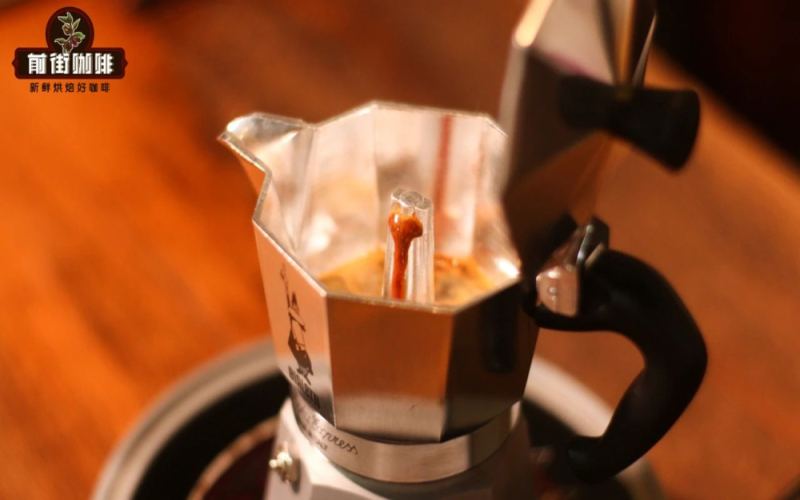
A Complete Guide to Moka Pot Brewing: Principles, Single vs. Double Valve Differences, and Practical Tips on Coffee, Water, and Heat
The moka pot is a common simple espresso-style coffee device in Italian households. It is easier to operate than an espresso machine, yet it can deliver a rich and full-bodied taste. From the perspective of Front Street, this article systematically explains the moka pot's invention background, the differences between single-valve and double-valve models, and the principles of heating and extraction, while also detailing key steps such as grind size, tamping, water temperature, heat adjustment, and cleaning. At the same time, it offers recommendations for coffee bean selection, recommending three beans suitable for the moka pot: Front Street Dark Cocoa Blend, Brazil Queen's Estate, and Front Street PWN Golden Mandheling, helping enthusiasts consistently make coffee with rich crema and balanced flavor. [more…]
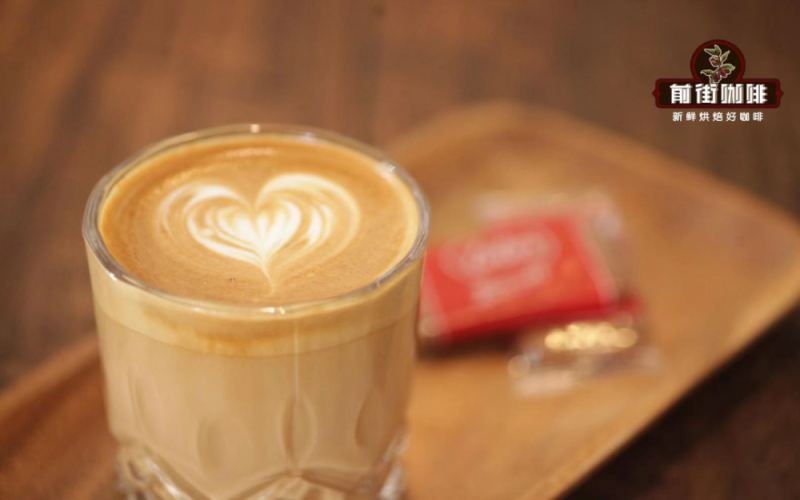
A Detailed Guide to Making an Aussie White Coffee: Taste Differences from a Latte and Cold vs. Hot Drink Recommendations
With its rich and sweet flavor, the Flat White has won the favor of many enthusiasts at coffee shops like Luckin. Although Front Street Coffee's menu doesn't feature this drink, the baristas will still craft it with care whenever a customer orders it. This article will present Front Street's complete process for making a Flat White, covering equipment preparation, extraction parameters, and milk frothing ratios, while also comparing the differences between a Flat White and a Latte in terms of foam thickness, cup size, and coffee ratio, and explaining why a Flat White is only served hot and why a Dirty can substitute for those wanting a cold drink. [more…]
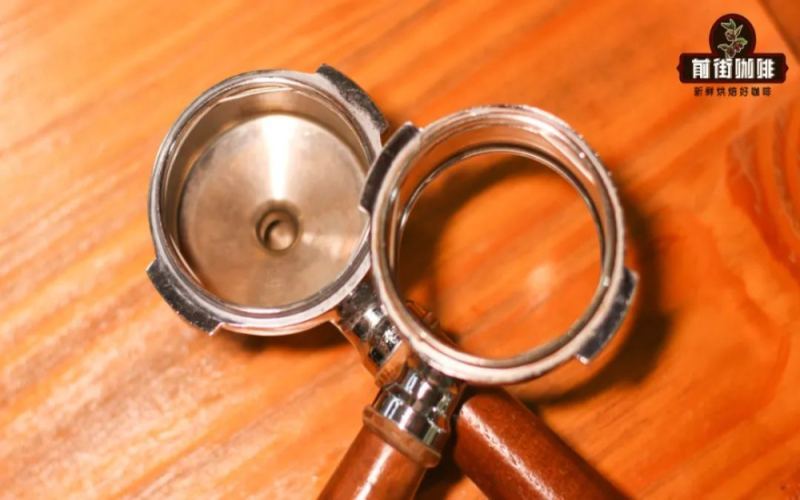
Comparing Bottomless vs. Spouted Portafilters: From Extraction Visibility to Cleaning and Maintenance
Choosing a portafilter for an espresso machine may seem simple, but it actually affects both the extraction quality of espresso and the operating experience. What exactly is the difference between a bottomless portafilter and a spouted portafilter? Why are more and more coffee shops leaning toward bottomless portafilters? This article will start with the background of the bottomless portafilter's invention and take an in-depth look at its advantages in terms of extraction timing differences, crema retention, and ease of cleaning, while also objectively analyzing the practical value of the spouted portafilter, to help coffee enthusiasts and professionals make a suitable choice based on their own needs. Front Street Coffee will also combine practical experience to provide you with valuable reference suggestions. [more…]
Yirgacheffe SOE Americano vs. Regular Americano: Flavor Differences and a Single-Origin Espresso Bean Tasting Guide
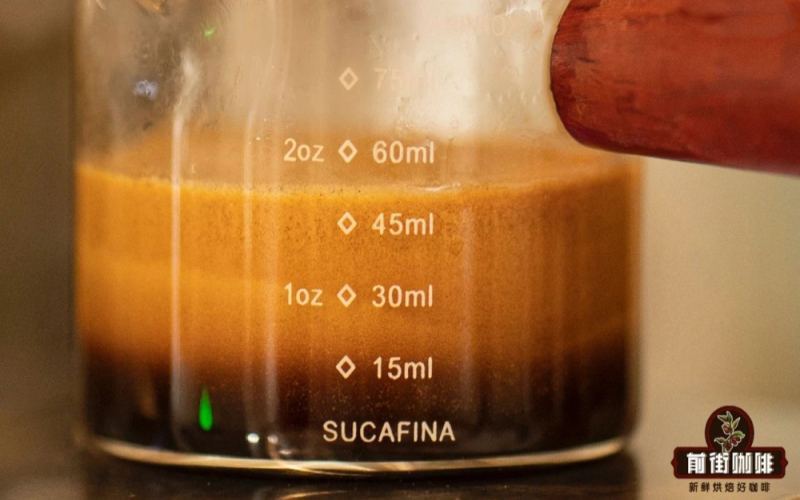
When a customer walks into a café and asks whether they can choose the beans for their espresso, it actually opens up a topic worth exploring in depth: what exactly does it mean to make espresso from single-origin coffee? SOE (Single Origin Espresso) has gradually gained popularity in China in recent years, but it is not some profound technique—it simply means replacing espresso blend beans with single-origin beans and extracting them under high pressure using an espresso machine. Drawing on the practical experience of Front Street Coffee, this article systematically sorts out the taste differences between Yirgacheffe SOE americano and standard americano, discusses whether SOE is necessarily superior to blends, and shares the complete operational key points from bean selection and roasting to extraction parameters, helping coffee enthusiasts make a cup of Yirgacheffe americano or latte with clear flavor and pleasant balance at home. [more…]