








How is Australian white coffee made, and how does it differ from a latte?
An Australian white coffee is built on a double ristretto with milk added in a 1:5 ratio. A 200ml ceramic cup is pre-warmed, 20g of grounds are extracted to 27g of liquid in 20 to 25 seconds, and only the front and middle portions are kept. About 150ml of fresh milk is steamed to 55 to 60°C with a thin, dense foam.
The difference from a latte comes down to foam thickness, cup size, and coffee ratio: the latte uses a larger cup and more milk, so the milk leads. The flat white vs latte australia comparison also explains why the drink is served only hot, since the thin foam does not hold over ice; a Dirty is offered as the iced substitute.
With its rich, sweet flavor, the Australian White has won the favor of many enthusiasts at coffee shops like Luckin. Although Front Street Coffee doesn't have this drink on its menu, the baristas will still craft it carefully whenever a customer orders it. This article will present the complete process of how Front Street makes an Australian White, covering equipment preparation, extraction parameters, milk steaming ratios, and more. It will also compare the Australian White with a Latte in terms of milk foam thickness, cup size, and coffee ratio, and explain why the Australian White is only served hot, with the Dirty serving as a substitute for those wanting an iced version.

If you frequently order milk coffee at Luckin, you've probably heard the name "Australian White." With its rich, sweet taste, it has captivated many coffee lovers at first sip. Although Front Street Coffee's regular menu doesn't include this drink, as long as a customer requests it, the baristas at Front Street Coffee will still make it on the spot.
How is Australian White coffee made?
When making an Australian White, Front Street first takes a ceramic cup with a capacity of about 200 ml and pre-warms it to slow down the coffee's cooling rate.
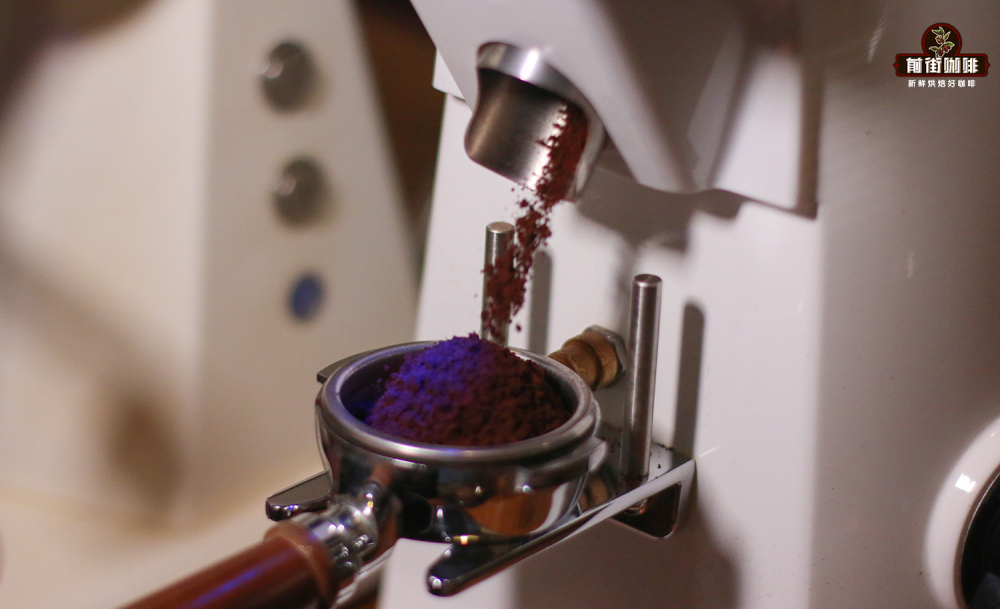
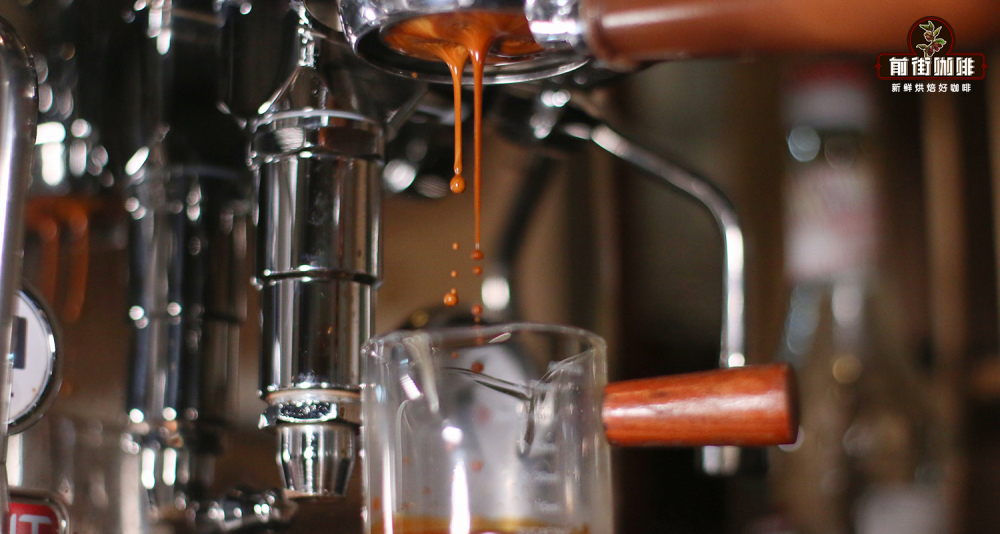
Next, weigh out 20 grams of coffee grounds and extract 27 grams of coffee liquid, with the extraction time controlled between 20 and 25 seconds. Here, only the front and middle portions of the Espresso are taken, which is known as a Ristretto. Then pour the double Ristretto into the pre-warmed cup of about 200 ml.
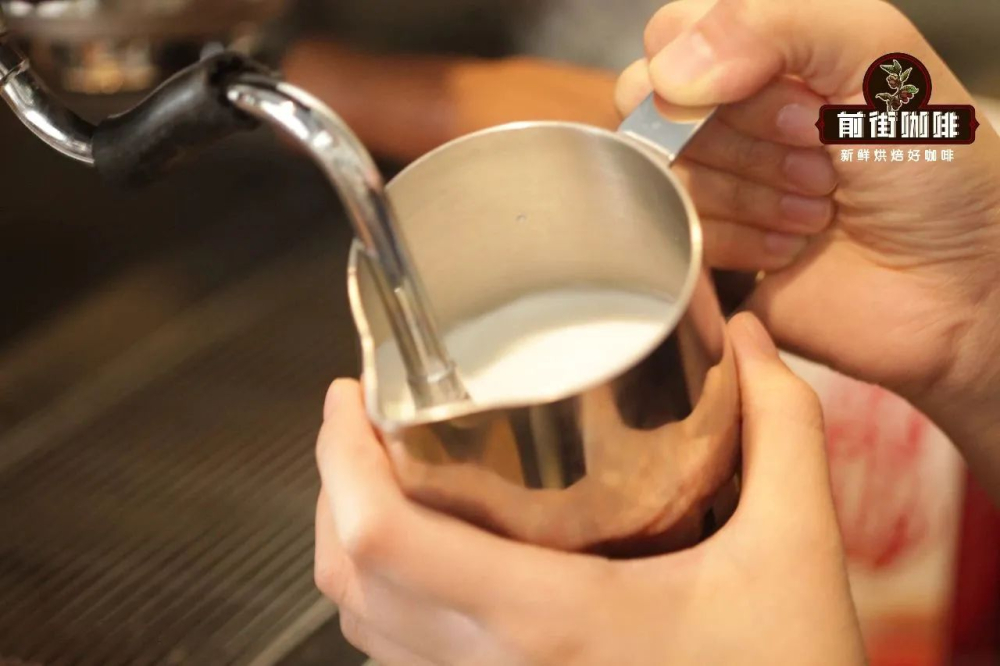
When Front Street makes Australian White coffee , the ratio of coffee to milk is 1:5, which means about 150 ml of fresh milk. Choose a comfortable milk pitcher, pour in the milk, and prepare to steam it. Because the Australian White needs a thinner and denser foam layer, less air should be incorporated during steaming than for a latte, and the temperature should ideally be kept at 55–60°C, which makes it more pleasant to drink. Finally, evenly incorporate the steamed milk into the coffee liquid; whether or not you pour latte art is optional.
The Front Street shop uses its own roasted "Sunflower Warm Sun Blend," composed of 70% Honduras Sherry coffee and 30% Yirgacheffe Natural Red Cherry coffee. The Sherry brings whiskey, vanilla, and cream flavors, while the Red Cherry contributes tropical fruit and fermented notes.
When paired with milk, the Australian White presents aromas of vanilla cream, chocolate milk, and whiskey, along with the sweet-tartness of berries. It is smooth, fragrant, and rich on the palate, with a very long finish. Compared with the dark-roasted beans used by many coffee shops, which mainly offer burnt bitterness, Front Street's Warm Sun coffee has a softer taste and richer aroma, which is why it is loved by many customers.
What is the difference in taste between Australian White and Latte?
After reading the steps for how Front Street makes Australian White coffee, some friends may think this is more like a small-cup latte. So here, Front Street will compare exactly what the differences are between an Australian White and a Latte.
Generally speaking, a latte's milk foam is about 0.5 cm thick, and after being integrated with the coffee liquid and poured into latte art, it presents a slightly domed, full-cup effect. A Flat White, however, has the thinnest milk foam, which must be controlled within 0.3 cm; otherwise, it is difficult to achieve a "flat" liquid surface. As for the specific thickness of the milk foam, every coffee shop differs. Some baristas, in order to let customers taste the upper layer of coffee crema to the greatest extent, will not steam the milk foam at all, but simply heat the milk and pour it into the espresso. Front Street, however, wants customers to experience a creamy smoothness in the Flat White without it being too "watery," so it retains a 0.3 cm milk foam layer.
When we make latte coffee, the coffee shop will have its own ratio of coffee to milk; for a Flat White, the amount of milk is usually determined by the final cup volume. In order to present a richer coffee flavor, New Zealand baristas serve the Australian White in a small cup of 150–180 ml. The amount of coffee stays the same, the amount of milk decreases accordingly, the coffee proportion increases, and the coffee flavor naturally becomes richer.
In addition, with the arrival of the specialty coffee era, people have begun applying more and more single-origin coffees to espresso extraction, which is what we often hear called SOE (Single Origin Espresso). Compared with a large-cup latte and a thick-foam cappuccino, the Australian White is better suited to expressing the flavor of the coffee bean's own origin. In coffee shops in Melbourne, baristas replace the espresso base with a double Ristretto and incorporate milk foam of a thickness comparable to that of a latte into a 150 ml cup. At Front Street, based on its own Warm Sun espresso beans, the base is likewise replaced with a double Ristretto.
Is Australian White better iced or hot?
When ordering a latte, we can choose to have it made iced or hot, whereas Australian White is only served hot.
This is because the barista hopes that when drinking an Australian White, every sip will allow you to taste the perfect combination of milk foam and the milk coffee beneath. Only when the milk foam is very dense, on the thinner side, and at a temperature suitable for drinking can you taste both the milk foam and the fragrant coffee liquid in every sip, and quickly finish it before the milk foam separates. After ice cubes are added, the cooled milk coffee will be somewhat diluted and cannot achieve the above effect.
If you are after a rich iced milk coffee, Front Street suggests trying the "Dirty" coffee, which has also become quite popular in recent years. Pour extracted espresso over chilled fresh milk to create a "dirty" visual effect; on the palate, it offers a rich sensation of alternating hot and cold. Without dilution from ice cubes, the small cup size allows us to taste a very full coffee aroma.
For professional coffee knowledge exchange and more coffee bean information, please follow Coffee Workshop (WeChat public account: cafe_style)
For more specialty coffee beans, please add the private WeChat of Front Street Coffee (FrontStreet Coffee), WeChat ID: qjcoffeex
The above content is compiled by CoffeeHunters, a coffee news website.


