







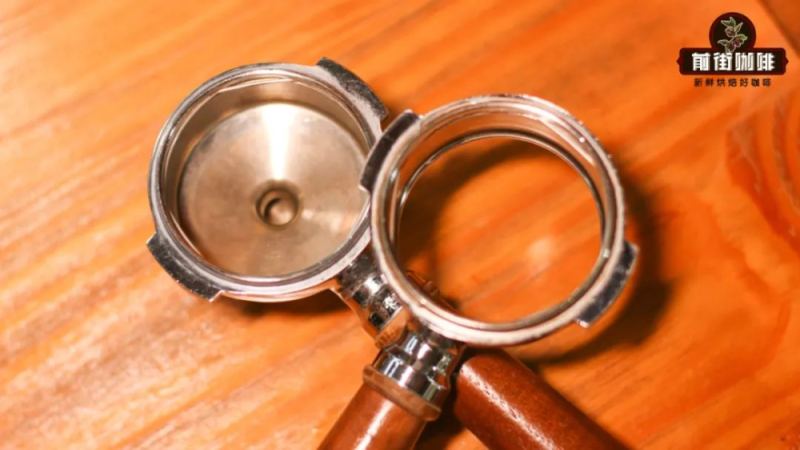
Why do coffee machines use bottomless portafilters more often?
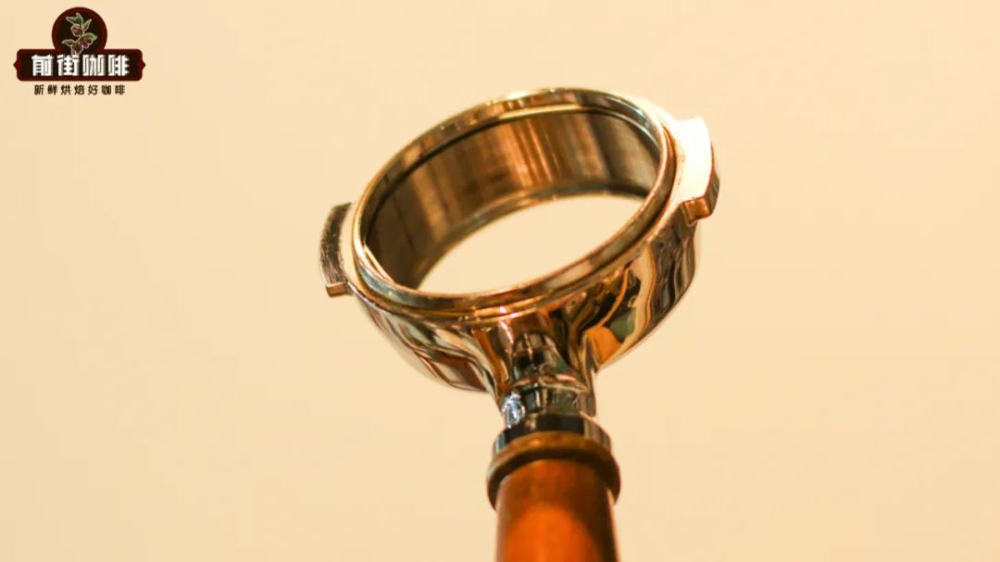
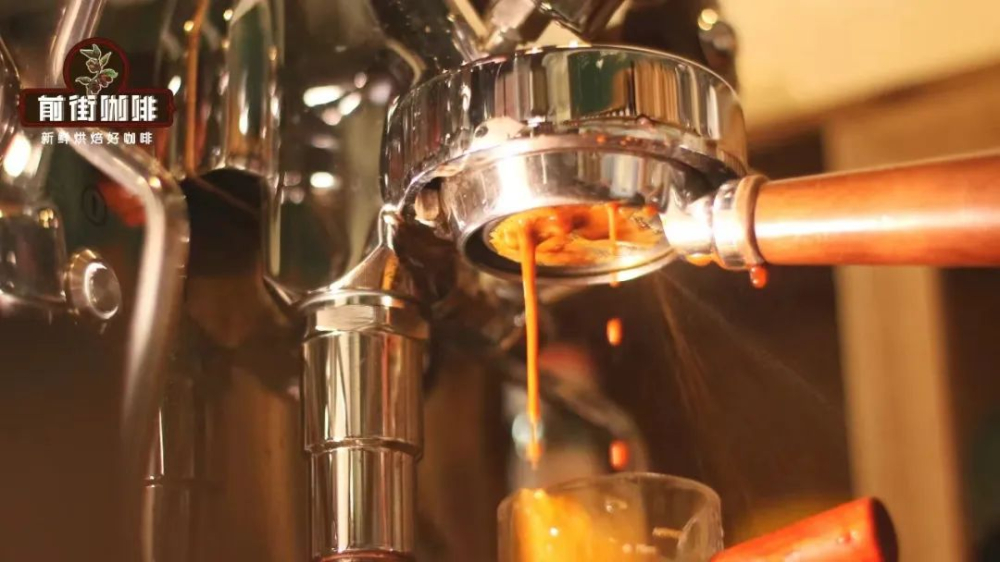
A bottomless portafilter has no base and no spouts, so the espresso extraction can be watched as it happens. Spouted portafilters, by contrast, come as single-spout versions for single shots and double-spout versions that split one extraction into two streams. The bottomless design was developed in 2004 by Chris Davison, co-founder of the American Barista Association, and colleagues.
Watching the flow revealed that espresso occasionally sprays during extraction, and those sprays tend to come with undesirable flavors. That spraying, now called channeling, was confirmed as a key cause of inconsistent taste. Bottomless portafilters also retain crema differently and are easier to clean, which is why more coffee machines in shops are paired with them.
The choice of portafilter for an espresso machine may seem simple, but in reality it affects both the extraction quality of espresso and the operating experience. What exactly is the difference between a bottomless portafilter and a spouted portafilter? Why are more and more coffee shops leaning toward bottomless portafilters? This article will start with the background of the bottomless portafilter's invention, delve into its advantages in terms of extraction timing differences, crema retention, and cleaning convenience, while also objectively analyzing the practical value of spouted portafilters, helping coffee enthusiasts and professionals make suitable choices based on their own needs. Front Street Coffee will also combine practical experience to provide you with valuable reference suggestions.
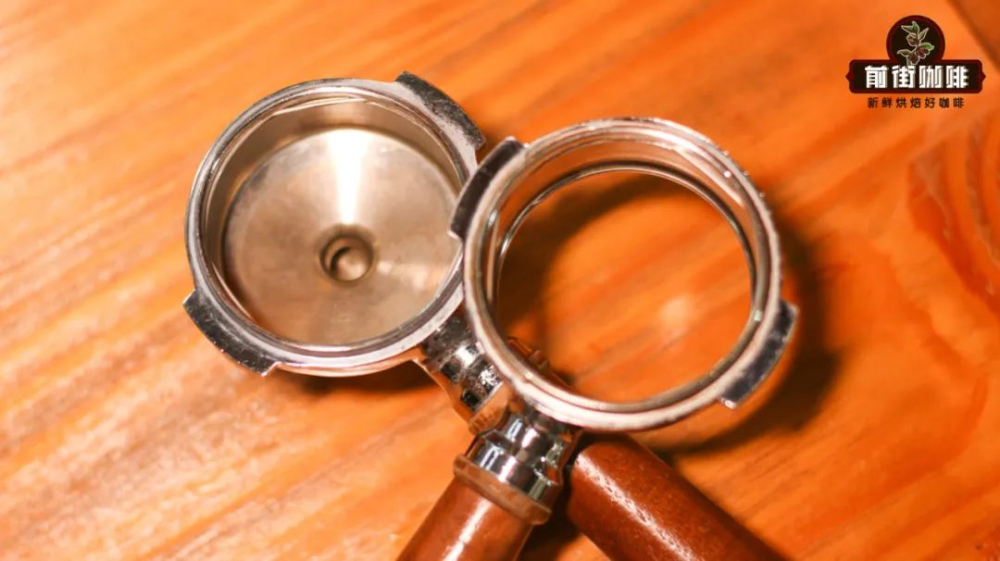
So here's the question: are you all clear on why bottomless portafilters are more favored than traditional spouted portafilters when extracting espresso? To answer this question, we need to start with the origin of the bottomless portafilter. Let's first understand why it was originally designed. Bottomless Portafilter Since the advent of pressurized coffee machines, for a long time everyone used portafilters with spouts at the bottom. These portafilters basically come in two types: one is the single-spout portafilter used for single-shot espresso extraction, which, as the name suggests, has only one outlet; the other is the spouted portafilter used for double-shot espresso, which has two spouts at the bottom that can split one portion of coffee liquid into two streams.
Later, people gradually noticed that the espresso extracted each time always fluctuated in flavor—sometimes it performed normally, sometimes it showed obvious negative flavors. This problem troubled many baristas. In 2004, Chris Davison, co-founder of the American Barista Association, together with colleagues, developed the bottomless portafilter, which removes the entire bottom so that the extraction process can be directly observed.
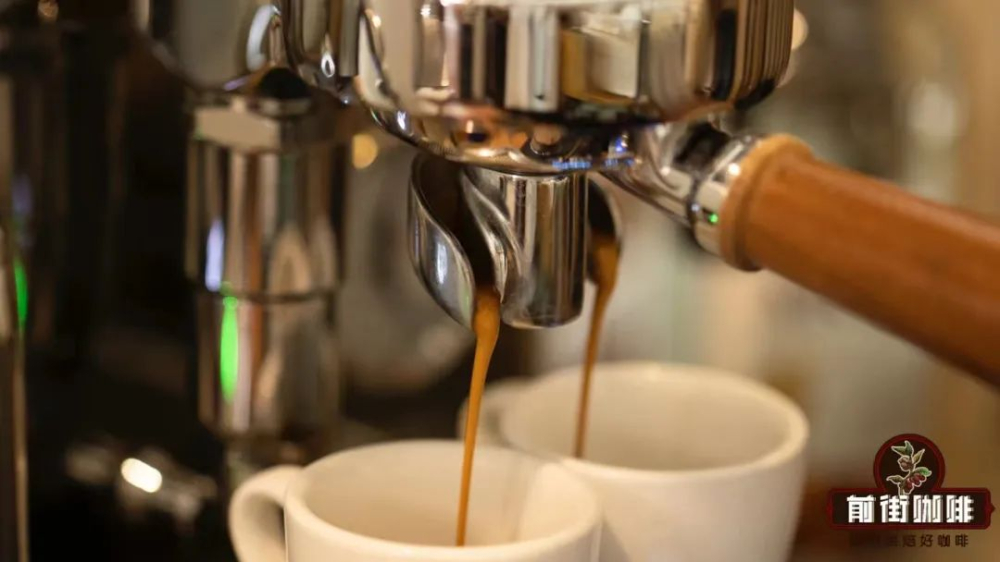
Subsequently, everyone discovered that espresso occasionally sprays during extraction, and these sprays are often accompanied by the emergence of undesirable flavors. So people conducted in-depth investigations around this phenomenon and ultimately confirmed that spraying is the key factor causing unstable taste—what we now commonly call "channeling."
From this we can see that the biggest advantage of the bottomless portafilter is being able to intuitively see the espresso extraction status. Of course, its advantages go far beyond this, including: No extraction timing difference Take the spouted portafilter as an example. Although the coffee liquid has already been pressed out of the filter basket, because there is a large obstructed space at the bottom, we can only see it when the liquid flows out from the spouts. Simply put, its actual extraction time differs from what we see with our naked eyes by 1 to 2 seconds. The bottomless portafilter, however, has no bottom cover, so as soon as the coffee liquid is pressed out, we can directly observe it, which is very critical for precise timing. Therefore, if using a spouted portafilter, you must make corresponding adjustments to the espresso's extraction start and end times.
Retains more crema Since the coffee liquid does not need to pass through a longer spout channel when extracting with a bottomless portafilter, the amount of crema retained is relatively greater. This is even more friendly for those who like milk coffee. After all, rich crema can bring better results whether making a hot-and-cold layered Dirty or using it for latte art.
Easier to clean The bottomless portafilter is very easy to clean because there are almost no dead corners; even without removing the filter basket, the portafilter itself can be washed clean. The spouted portafilter is different: due to the presence of the spout, the filter basket must be removed before cleaning. Moreover, some spouted portafilters with complex structures also require small cleaning tools to clean the channels, making the whole process relatively more cumbersome.
For this reason, most coffee shops today use bottomless portafilters for extraction. But this does not mean the spouted portafilter has no advantages—it can split espresso more quickly and improve overall output efficiency. So how to choose in the end still depends on the shop's own actual needs; what is good or bad varies from person to person. - END -
The above content is compiled by CoffeeHunters, a coffee news website.


