







Espresso is the soul base of drinks like lattes and cappuccinos, but what exactly are the differences between single and double espressos in terms of dose, grind, and extraction parameters? How much coffee liquid can 10 grams of coffee grounds extract? Starting from Front Street Coffee's hands-on experience, this article systematically explains the grind adjustment logic for single and double espressos, the tasting standards for espresso, and recommends in detail several Front Street blended beans and SOE beans suitable for making espresso. Whether you are an espresso novice or a seasoned player, you can find direction for stable output from it.
Friends who like drinking espresso-based coffee all know that for drinks like mochas, cappuccinos, and lattes, because the number of espresso shots added differs, some use a single shot and some use a double shot, so is there a difference in grind size between single and double espressos? What kind of coffee beans should be chosen to make espresso? Next, Front Street Coffee explains this one by one for coffee lovers.
What exactly is espresso?
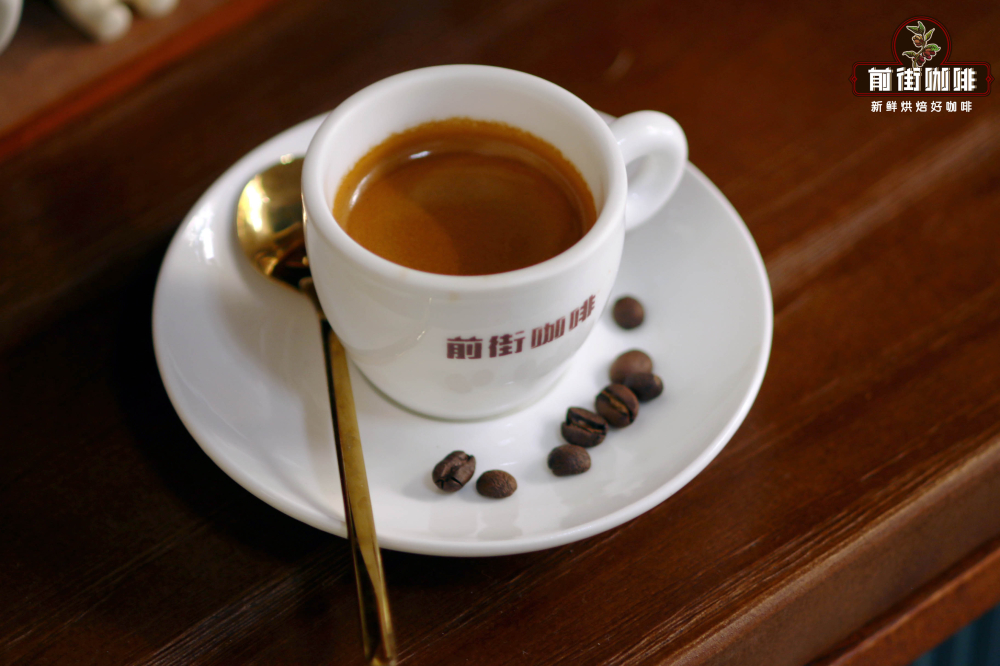
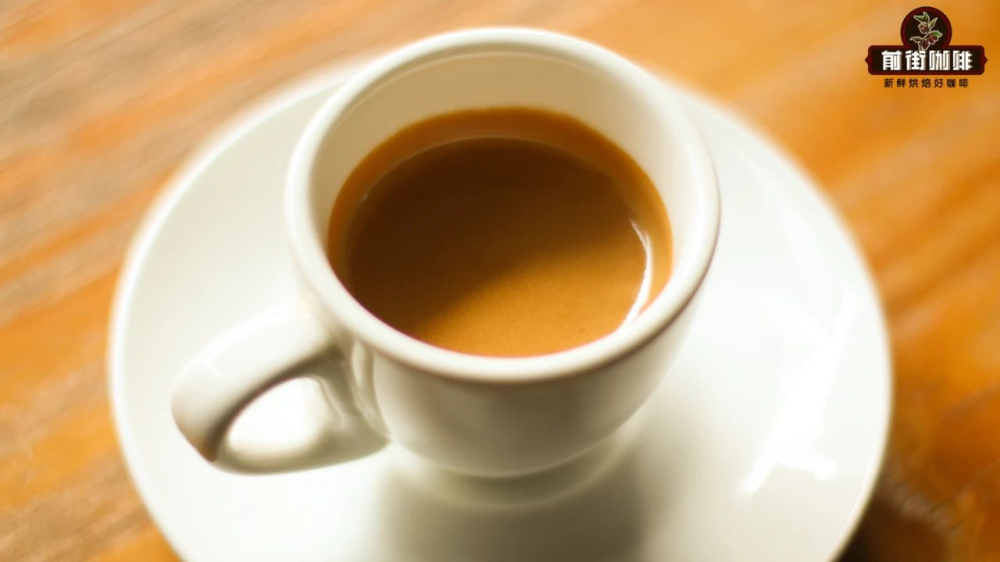
Espresso, whose English name is Espresso, is a drink made by forcing nearly boiling high-pressure water through finely ground coffee. Compared with other extraction methods, Espresso is more concentrated, with a higher content of suspended solids and dissolved solids, such as the layer of coffee crema on the surface (a creamy foam). Because pressure is applied during preparation, Espresso tastes very intense, and the concentration of its chemical components is also quite high. It is often used as the base for other drinks, such as lattes, cappuccinos, macchiatos, mochas, and Americanos. However, in Front Street Coffee stores, many coffee fans also prefer to directly order an espresso and carefully savor its rich, smooth taste.
The difference between single and double espressos
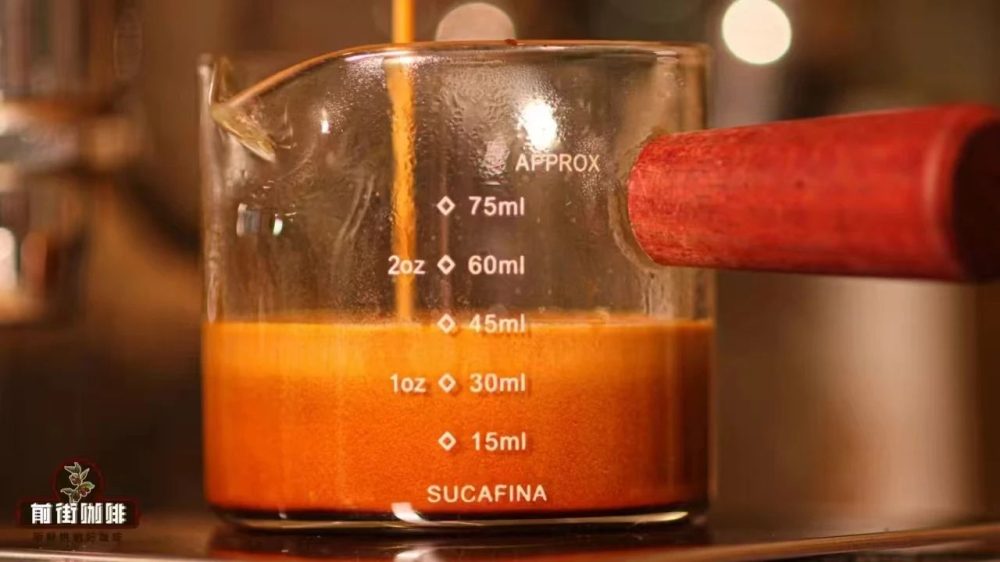
The difference between single and double espressos is mainly reflected in concentration. Taking Front Street Coffee stores as an example, a single espresso uses about 10 grams of coffee grounds, while a double uses about 20 grams. During extraction, both follow a 1:2 coffee-to-liquid ratio, so 10 grams of grounds correspond to 20 grams of espresso liquid, and 20 grams of grounds correspond to 40 grams of espresso. A single espresso uses a single basket and a single-spout portafilter, extracting one shot at a time; a double espresso uses a bottomless basket or bottomless portafilter, extracting two shots at a time.
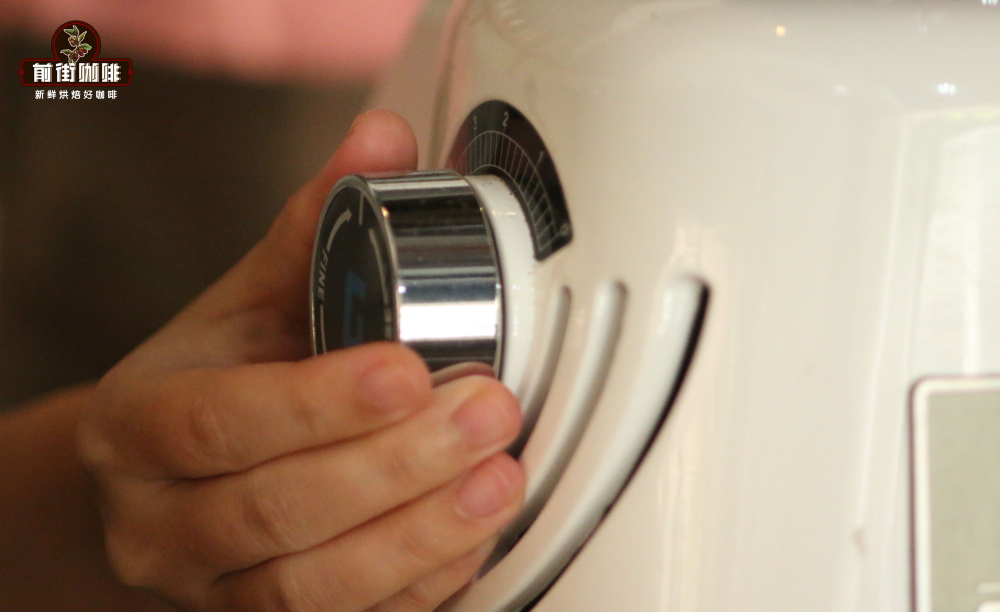
According to Front Street Coffee's observations, beneath the foam, espresso is actually made up of tiny oil droplets, in which sugars, acidic proteins, and caffeine are dissolved. Bubbles and solid solutions are also suspended on the surface of the foam, so the wear level of the grinder burrs will gradually change with humidity and storage time, which requires daily grind adjustment to ensure stable espresso flavor.
However, there are many types of coffee machines and grinders, and the same grind setting may not apply to other models, so how do you judge whether a cup of espresso is qualified?
How do you taste whether a cup of espresso is qualified?
(1) Vision—the crema on the surface Vision is the main sense through which we perceive the world, so when tasting coffee we are naturally influenced by appearance. What really deserves attention at this stage is the Crema on the surface of the coffee. This layer of foam can provide important information and reveal the level of brewing skill. It is like a protective film, with colors ranging from dark brown to light brown, and even with reddish tones. So-called tiger stripes, namely the dark streaks on the foam, are formed by coffee particles and represent that this cup of espresso was brewed perfectly. It is not only proof of quality, but also crucial to subsequent smell and taste perception, as well as the retention of coffee flavor, allowing the aroma to remain until the last sip.
To make visually beautiful Crema, you can choose Front Street. Front Street Classic Blend. This is a medium-dark roast espresso bean that combines the creamy nutty aroma of Brazil Red Bourbon, the wild spicy flavor of Mandheling, and the rich oils brought by a small amount of Robusta. It has a thick mouthfeel and a solid aroma.
(2) Smell—odors that enter the nasal cavity from the nasopharynx After the visual evaluation, next use your sense of smell to explore the striking aroma of espresso. Be sure to stir the coffee with a spoon to “break” this layer of foam, so that you can form a clearer impression of the aromas drifting out. These odors may be faint or strong, elegant and clean, or ordinary and muddy. For example, a high-quality Arabica coffee may carry aromas such as caramel, bread, and honey, plus a little citrus fruitiness and floral fragrance. Unpleasant odors may be sour and rotten, musty, woody, or like burlap.
(3) Taste—the taste sensation when coffee substances contact the oral cavity An ideal Espresso should achieve balance among all elements, with a vivid mouthfeel, and after drinking it, the throat should feel sweet and mellow rather than bitter. More specifically, it should have moderate acidity, bitterness, and sweetness, rich flavors, a solid and thick body, and a lingering finish, giving a retronasal impression like the refreshing acidity of citrus.
What coffee beans are used for espresso?
First, coffee fans should know that an espresso machine amplifies the flavor of a coffee bean. For example, if Front Street Coffee uses Yirgacheffe from a single African origin to make a cup of espresso, its citrus-lemon acidity will increase exponentially, tasting extremely sour and even producing unpleasant flavors. Therefore, generally speaking, espresso uses blended beans, that is, 2-4 kinds of coffee beans from different origins mixed in proportion and extracted, so that the espresso flavor reaches balance and quality remains stable.
Of course, this does not mean single-origin coffee cannot be used to make espresso. It is just that parameters such as grind size must all be readjusted, and continuous adjustment is needed to ensure balanced flavor every day, which is rather troublesome. However, many coffee shops also offer this kind of coffee and call it SOE coffee.
In Front Street's view, choosing a coffee bean suitable for SOE extraction not only makes it easy to produce espresso with beautiful crema, but also makes Americanos or lattes made by adding water or milk more effective with less effort. Take the Huakui coffee that Front Street likes very much as an example. Considering that everyone may brew it differently after purchase, Front Street's roasters specially launched two different roasting curves: one is a medium-light roast for cold brew and pour-over, and the other is a medium roast suitable for espresso machines and moka pots. For example, if someone likes something simple and convenient and chooses cold brew, or pursues a sense of ritual and extracts by pour-over, then they can choose the medium-light roast; if you prefer golden crema, or hope to pour delicate patterns on a latte, Front Street recommends the SOE roasting curve.
1. Front Street. Specialty Blend
Flavor: soft and slightly sour, lightly sweet, with a nutty sweetness in the finish; the overall impression is not too stimulating, rather mild, and the crema is medium. Recipe: Colombia: Brazil
For this blend, Front Street uses Brazil and Colombia. It tastes of a faint roasted grassy aroma, with a light fragrance and slight bitterness, smooth and pleasant, with a comforting aftertaste. This is because coffee beans from Colombia's Huila region have a pleasant acidity, a mellow aroma, moderate acidity, and rich sweetness that is very intriguing, while coffee beans from Brazil's Cerrado region have a comfortable bittersweet taste and are extremely smooth on entry. So together they are simply wonderful. 3. Front Street. Commercial Blend
Flavor: caramel sweetness, nutty and cocoa-like, dark chocolate flavors, balanced acidity and sweetness, with a slight bittersweet note, and a lasting finish. Recipe: Colombia: Brazil: Robusta
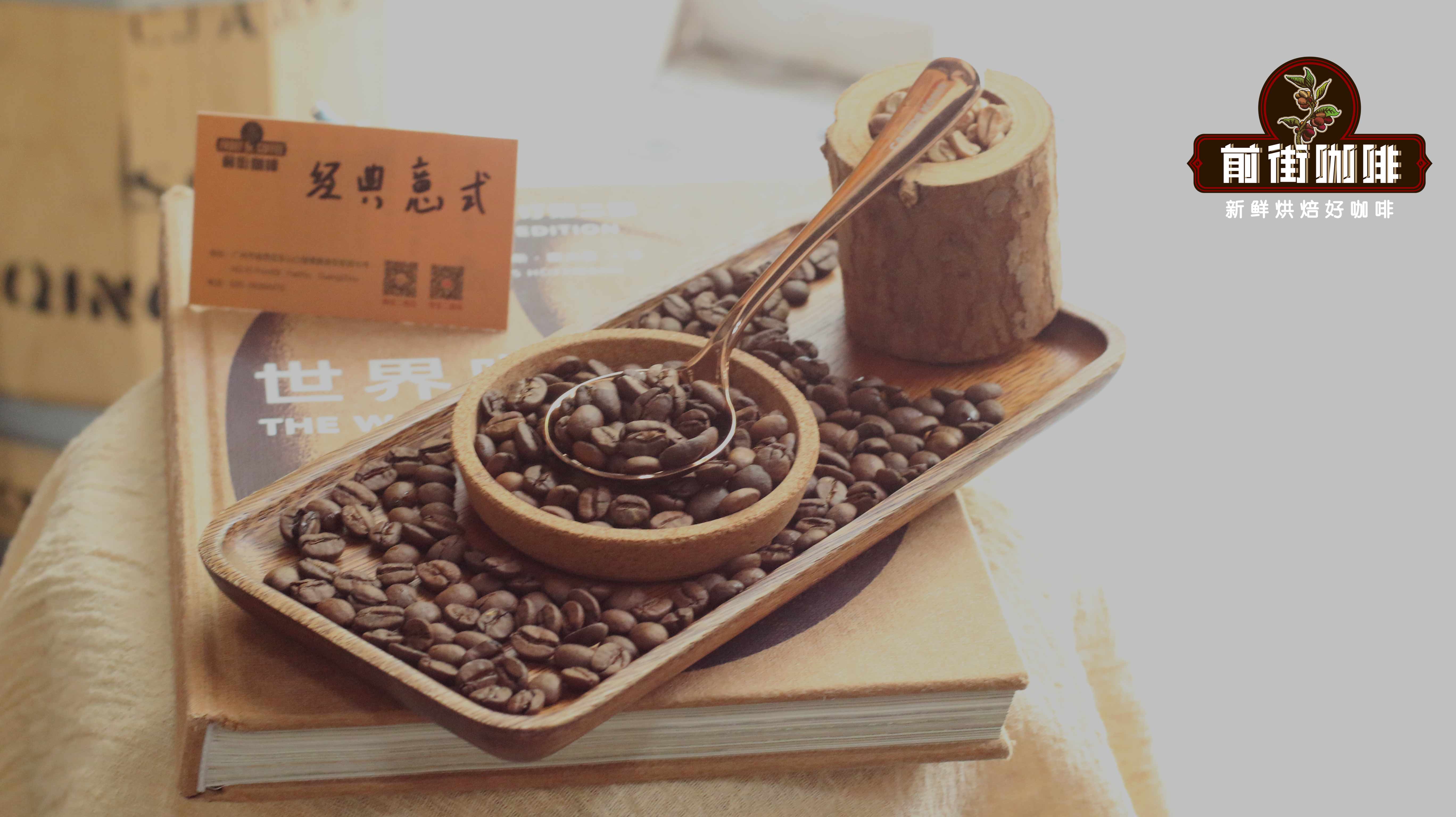
For this blend, Front Street uses coffee beans from Brazil and Colombia plus 10% Robusta coffee beans. The taste is classic. Front Street believes this blend tastes rich in oils and mouthfeel, with caramel sweetness, and also carries nutty and cocoa-like, dark chocolate flavors, balanced acidity and sweetness, a slight bittersweet note, and a lasting finish. This commercial blend, like Front Street Coffee's Specialty Blend, uses a ratio of Colombian and Brazilian coffee beans, except that Robusta is also added, providing rich oils and making the coffee's mouthfeel even thicker. 4. Front Street. Dark Cocoa, the espresso coffee bean recommended by many baristas—Front Street Dark Cocoa Blend
Flavor: with soft fruit acidity, caramel sweetness, nutty and dark chocolate flavors, smooth and viscous, but the taste is on the lighter side. Recipe: Yunnan: Brazil
For this blend, Front Street uses Brazil and Yunnan. Front Street believes it tastes of soft fruit acidity and caramel sweetness, as well as nutty and dark chocolate flavors, smooth and viscous, but the taste is on the lighter side. This is because Yunnan's natural conditions are very similar to Colombia's: high altitude, a large temperature difference between day and night, a mellow-aroma flavor profile, moderate acidity, a rich and full-bodied taste, even-sized beans, high oil content, and fruity notes; its quality and mouthfeel are similar to Colombian coffee. But it is still slightly lighter in taste than Colombian coffee, while coffee beans from Brazil's Cerrado region have a comfortable bittersweet taste and are extremely smooth on entry. Therefore, these two coffee beans also mix into a good flavor, and this espresso coffee bean recommended by many baristas—Front Street Dark Cocoa Blend coffee beans—is very cost-effective and suitable for espresso beginners and small coffee shops.
The above are the four Front Street Coffee roaster-specially formulated coffee beans recommended by Front Street Coffee for making espresso. Coffee fans who are interested may as well give them a try. Next, some coffee fans may wonder: single-origin coffee beans can be blended together to make espresso, so can espresso blend coffee beans be used to make pour-over coffee? Front Street Coffee will answer this question for coffee fans below.
Can espresso coffee beans be used for pour-over?
Single-origin coffee beans can be made with an espresso machine. Similarly, espresso coffee beans can actually also be brewed as pour-over, except that the brewed flavor will always differ somewhat from the flavor brewed by an espresso machine. Likewise, the grind and pour-over parameters also need to be adjusted, and the flavor may be rather “special”; it mainly depends on personal preference. If interested, Front Street Coffee can also give it a try, and below will provide coffee fans with reference pour-over data for espresso coffee beans.
Front Street espresso bean pour-over parameters: V60 dripper, 15g dose, 90℃ water temperature, 1:15 coffee-to-water ratio, grind size (80% passing through a No. 20 standard sieve, coarser than the grind used for espresso output)
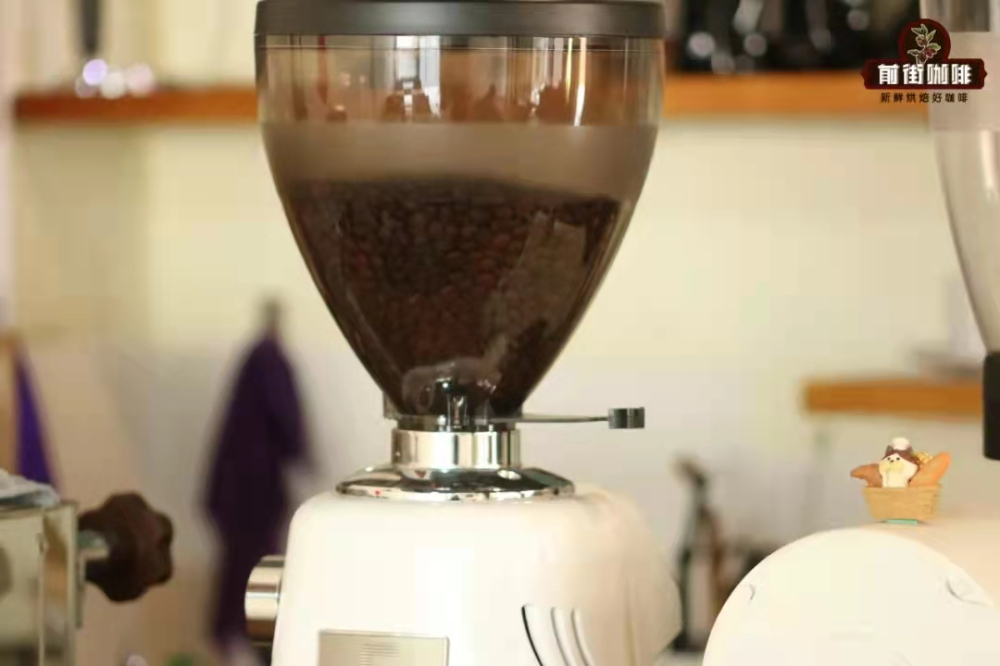
Front Street Coffee brewing method: staged extraction. Use 30g of water for a 30-second bloom, then pour in a small stream in circles until 125g for the stage break; when the water level drops and is about to expose the coffee bed, continue pouring until 225g and stop pouring. When the water level drops and is about to expose the coffee bed, remove the dripper. (Start timing at the beginning of the bloom.) Extraction time is 2'00".
The above content is compiled by CoffeeHunters, a coffee news website.


