







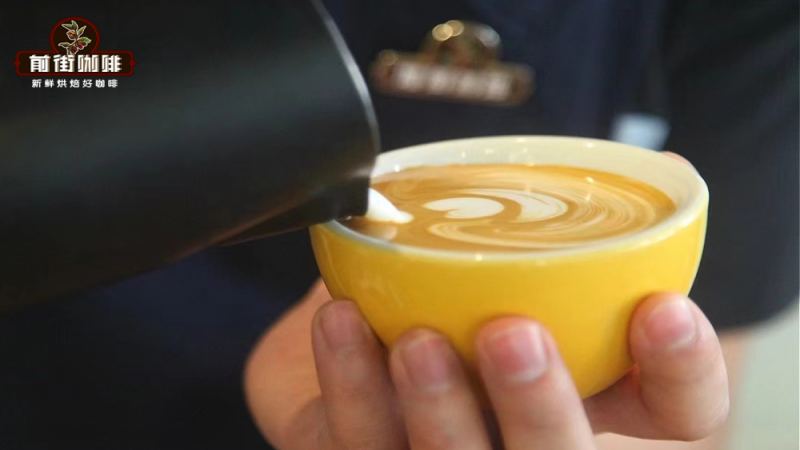
In the world of espresso, adding milk or water to espresso transforms it into a myriad of drinks like flat white, cappuccino, latte, and americano. But do you know the differences between Starbucks' Flat White and flat white, americano, and cappuccino in terms of taste, strength, and milk foam texture? Which cup is more bitter, and which is smoother? From the perspective of Front Street Coffee, this article explores the recipe origins and preparation details of these coffees, and shares extraction parameters and milk frothing techniques for flat white and cappuccino, helping you make an authentic-tasting espresso drink at home.
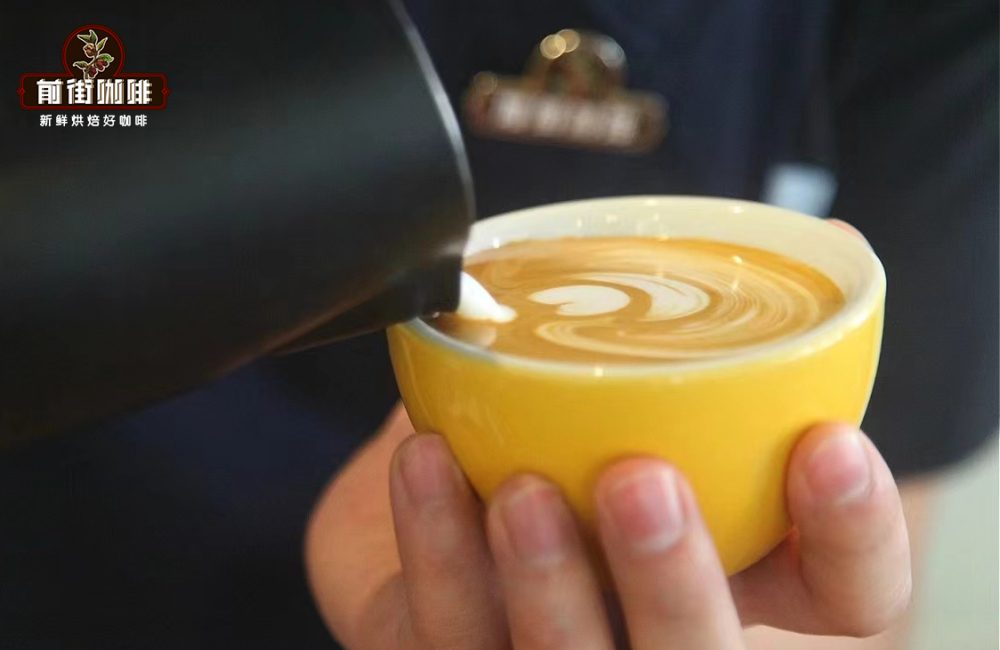
For more specialty coffee knowledge, welcome to follow our WeChat official account: Front Street Coffee (FrontStreet Coffee).
The logic behind making espresso-based drinks is to use espresso as the base and then add ingredients like milk or water for customization. For example, adding milk can create milk coffees such as flat white, cappuccino, or latte; while adding water makes an americano.
However, there's another distinction circulating online: only a drink made by pouring water into espresso is called an americano; if the order is reversed and the coffee is poured into water, the result is called a long black. A long black retains a layer of crema on its surface that an americano lacks.
Since espresso drinks like flat white include milk, they tend to be smoother and sweeter than americano, while americano has a more pronounced bitterness. Additionally, flat white has multiple versions in the Chinese market: Starbucks calls it Flat White, COST calls it醇艺白, and Luckin Coffee calls it澳瑞白.
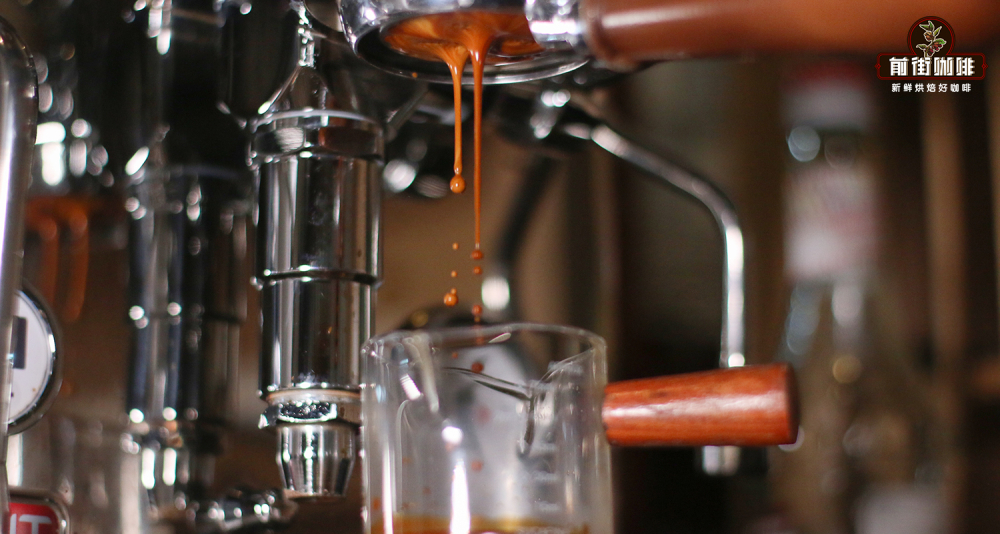
The core differences among latte, cappuccino, and flat white lie in the amount of espresso, the amount of milk, and the coarseness of the milk foam. It's not just hard for customers to tell them apart; even baristas may not easily grasp the subtle distinctions. In this article, Front Street Coffee (FrontStreet Coffee) discusses their differences with you.
Flat white coffee originated in New Zealand in the 1970s and 1980s and is now popular worldwide, with its recipe evolving during its spread. For the coffee part, New Zealanders prefer using a double ristretto, while Australians commonly use a single espresso. The flat white is made by incorporating fine, micro-foam into a single espresso or double ristretto.
Strictly speaking, a flat white is made by pouring milk that is about twice the amount of the coffee into a double espresso. Its difference from cappuccino is that a flat white has almost no milk foam on the surface; it's also similar to a latte, but a latte has a thicker layer of milk foam, and a flat white has a higher proportion of espresso.
The word cappuccino comes from the Capuchin friars and the Italian word for hood (Cappucio). It is a classic Italian coffee, with ingredients identical to a latte—milk foam, milk, and espresso. A cappuccino is made by adding steam-heated milk and milk foam to espresso, typically served in a large cup with the foam slightly above the rim.

In a cappuccino, the milk foam occupies a larger volume than the milk, and baristas can also use the foam for latte art, just like with a latte.
Front Street Coffee (FrontStreet Coffee) summarizes simply: Flat White (澳白) is a drink with less milk and more coffee, using espresso and adding fine milk foam. Therefore, the texture of the milk foam is the most significant difference between a flat white and a cappuccino—a flat white has fine foam, while a cappuccino has coarser foam. A flat white is more like a coffee with a milky taste, very thin foam, and a smooth mouthfeel; whereas a cappuccino is a drink with a rich coffee flavor and a creamy texture.
So how do you make a flat white coffee?
When making a flat white, Front Street uses 20 grams of coffee to extract 40 milliliters of espresso as the base, paired with milk foam about 5mm thick. Front Street recommends that when frothing milk, the temperature should not be too high, ideally controlled at 50-60 degrees Celsius. This is because if the temperature is too low, it won't bring out the sweetness of the lactose in the milk, resulting in insufficient overall sweetness in the coffee; if the temperature is too high, it will damage the proteins in the milk, leading to a poorer taste.
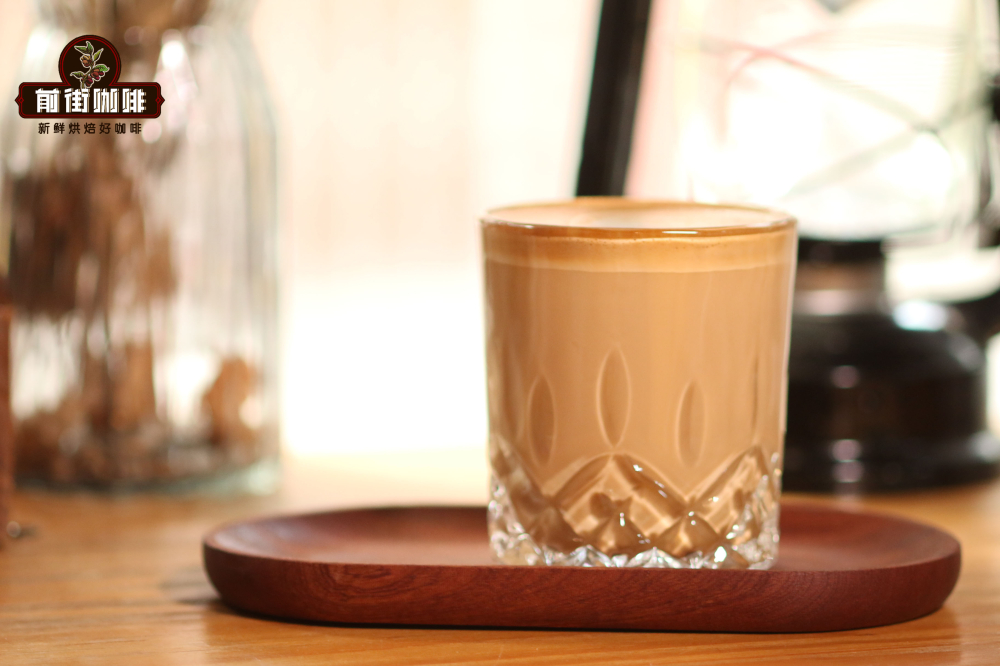
The preparation of cappuccino uses the same espresso extraction as latte, with the only difference being the thickness of the milk foam. The parameters for Front Street Coffee (FrontStreet Coffee) extracting espresso for cappuccino are as follows:
Front Street's espresso extraction plan
Dose: 20g
Ratio: 1:2
Time: 28-30 seconds
The espresso used here for extracting flat white and cappuccino is made from house-roasted espresso blend beans—Front Street Sunflower Warm Sun Blend. The extracted espresso should have a noticeable fruity acidity on the palate, with a faint berry aroma lingering, rich wine and chocolate flavors, and a comfortable sweet aftertaste.
Besides this Sunflower Warm Sun Blend, Front Street Coffee (FrontStreet Coffee) has three other espresso blend coffee beans, each extracting different flavors. For example, using the espresso beans recommended by many baristas at Front Street Coffee (FrontStreet Coffee)—Front Street Black Cocoa Blend Coffee Beans, it has a soft fruity acidity on the palate, caramel sweetness, nutty and dark chocolate flavors, smooth and viscous, but with a lighter taste; if it's Front Street Coffee (FrontStreet Coffee) Specialty Coffee Blend, the espresso made is soft and slightly sour, clean and sweet, with a nutty aftertaste, overall not too stimulating, mild, and with medium crema. There's also a commercial blend, where the extracted espresso has caramel sweetness, nutty, cocoa, and dark chocolate flavors, balanced acidity and sweetness, slightly bitter, with a lasting aftertaste.
When blending these beans, Front Street Coffee (FrontStreet Coffee) considers the characteristics and flavor differences of each bean, using their unique traits to create a blend that results in a balanced espresso while preserving their distinct personalities.
After extracting the espresso, the next step is frothing the milk. Pour half a pitcher of milk into the milk jug, keep the steam wand vertical to the milk, place it in the center or at the edge of the pitcher so the steam tip just touches the milk surface, then open the steam to 1/2, and do not move the pitcher. When the milk reaches 50 degrees, slowly close the steam, and completely close it at 60 degrees; the final temperature will rise to about 66 degrees, thus creating good milk foam. The foam should be a bit thicker than for a latte, making the cappuccino more authentic in taste.
The above content is compiled by CoffeeHunters, a coffee news website.


