







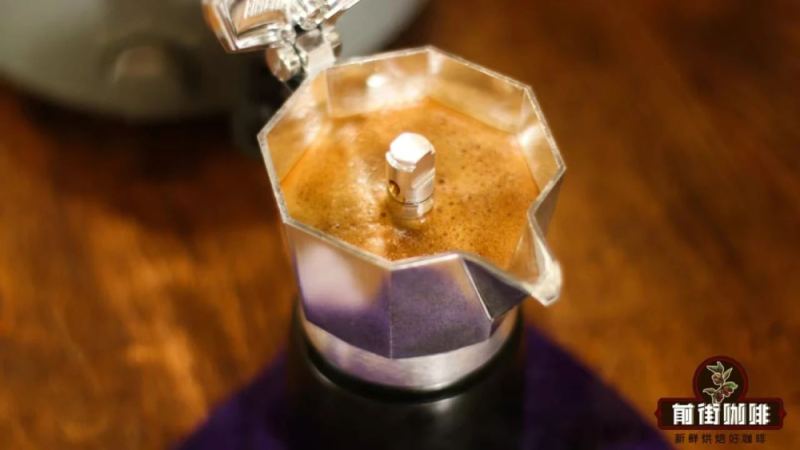
The moka pot, with its simple operation and rich flavor, has become the top choice for many coffee lovers making espresso-style coffee at home. Faced with the many options on the market—single-valve vs. double-valve, old models vs. new—beginners often don't know where to start. This article will begin with the extraction principle of the moka pot, then compare in detail the differences among three styles: single-valve, gravity-pressurized double-valve, and the latest built-in hydraulic-layer double-valve, explaining their respective pros and cons in terms of crema performance and ease of cleaning. At the same time, the article will share coffee bean selection advice suitable for the moka pot, including the flavor characteristics of Front Street Coffee's Specialty Blend, Classic Blend, and Dark Cocoa Blend, and will focus on explaining the key control points for moka pot grind size, helping readers extract an ideal cup of coffee safely and efficiently.
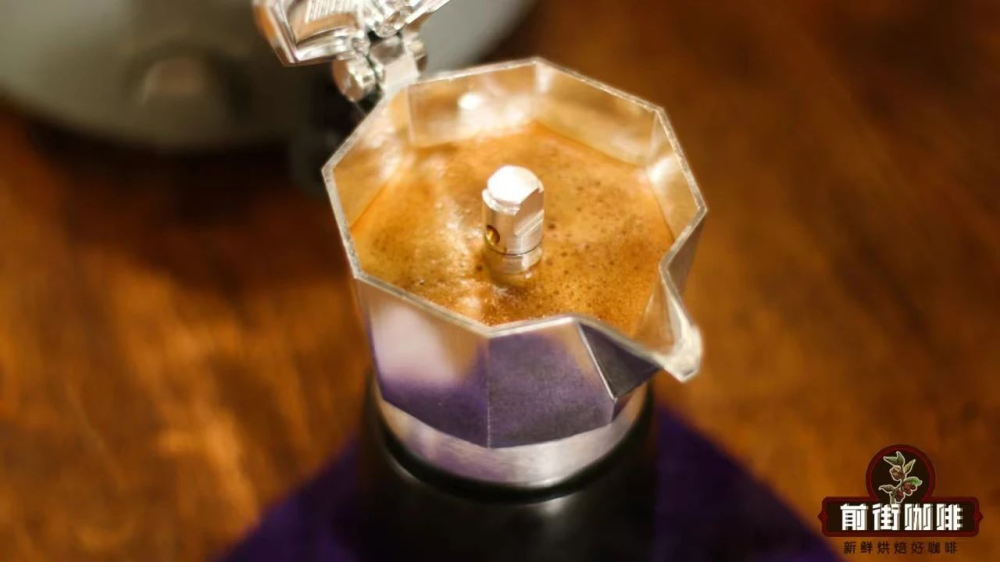
The moka pot is an extraction tool with a low barrier to entry, capable of easily brewing coffee with crema, making it the introductory choice for many cost-conscious coffee lovers when making espresso and practicing latte art. It is lightweight and portable; as long as the beans are fresh and the parameters are set properly, you can make an aromatic freshly ground coffee at home. However, Front Street Coffee has also noticed that precisely because the moka pot is often the first brewing device beginners use to get into coffee, when faced with the wide variety of models on the market, many people fall into choice paralysis—for example, whether to buy a large or small capacity, whether to choose single-valve or double-valve, and so on.
In fact, the working principle of the moka pot is not complicated: after the lower chamber is heated, steam pressure is generated; when the pressure is enough to penetrate the coffee grounds layer, the hot water is pushed up into the upper chamber. Coffee extracted this way has a strong taste, combining acidity and bitterness, and carries crema.
When making moka pot coffee, it is usually recommended to choose medium-dark roasted beans. Front Street Coffee recommends starting with espresso blend beans, such as Front Street Coffee's Specialty Blend, which is a blend of Brazilian and Colombian coffee beans, presenting a clean and balanced nutty and chocolate flavor, suitable for espresso machines and moka pots.
If you want a rich crema and a bold black coffee in one step, you can choose Front Street Coffee's Classic Blend. This bean satisfies the extraction needs of both espresso machines and moka pots, and even when made into an Americano with water or a latte with milk, it performs excellently, with caramel, dark chocolate, and hazelnut aromas especially prominent.
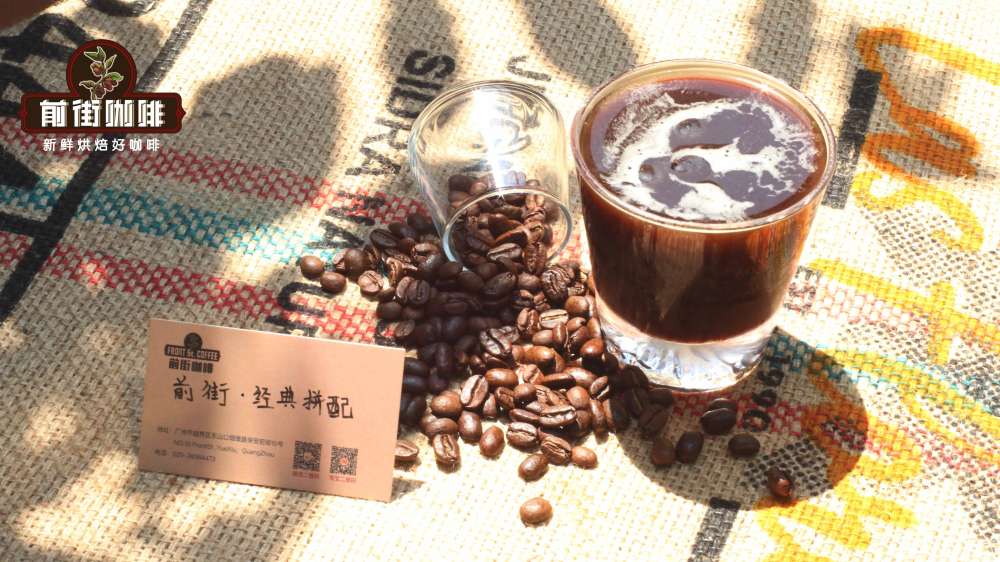
If you are pursuing the ultimate cost-effectiveness, Front Street Coffee's Dark Cocoa Blend is the top choice. This espresso recipe combines the nutty notes of Brazil with the plum-like acidity of Yunnan small-bean coffee, offering a balanced taste, an affordable price, and stable flavor, making it a staple product in many coffee shops.
The grind size for a moka pot is different from that for an espresso machine. Espresso machines have greater pressure (9 bar) and can break through the resistance of the puck; the moka pot's pressure is relatively lower, so if the coffee is ground too fine, the coffee liquid will most likely not come up, and it will also cause the pressure in the lower chamber to rise; if pressure is not released smoothly, there is even a risk of explosion. Therefore, if you find that the water has boiled but the coffee liquid has not come out for a long time, you should turn off the heat immediately. Grinding too coarse is also not good, because the resistance is too small, and the coffee liquid will spray out violently, easily causing splashing and burns. Front Street Coffee recommends a grind size of EK-43s #3-3.5.
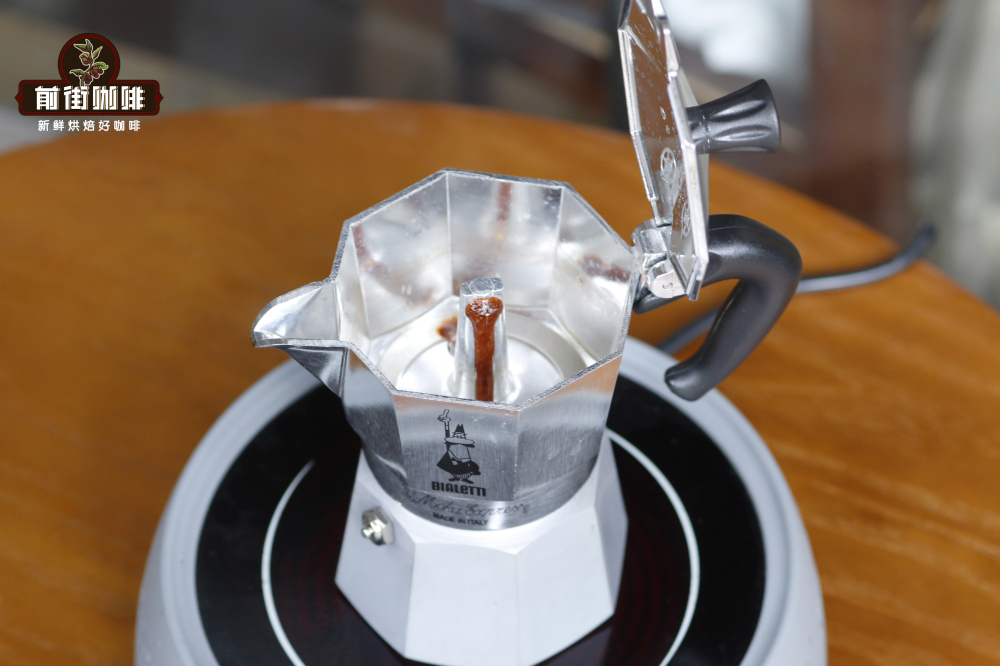
Recently Bialetti launched a new generation of pressurized moka pots, and around January 22 a large number of review videos of the new moka pot models appeared. At present, including the new model, there are three types: the ordinary single-valve model, the gravity-pressurized double-valve model, and the new pressurized double-valve model.
The biggest design difference among the three is: the ordinary single-valve model has no pressurization structure; the old double-valve moka pot uses a gravity-pressurization design; the new model cancels gravity pressurization and instead uses a built-in hydraulic layer to achieve pressurization.
This change brings two improvements in the user experience: first, cleaning is more convenient; second, the brewed coffee quality is better. A large number of comparison videos show that coffee brewed with the single-valve moka pot has less crema, and it dissipates very quickly. Both the old and new moka pot models with pressurization design produce more crema than the single-valve model, and among them the new model produces thicker, denser crema that also dissipates more slowly than the old version.

For beginners who want to get a moka pot, if they are unclear about the difference between single-valve and double-valve, Front Street Coffee offers a brief explanation here: single-valve is the classic model that has been used since the early days; double-valve is the version developed to obtain thicker and finer crema. Front Street Coffee suggests that beginners are better off buying the new double-valve moka pot, as the coffee brewed is richer and the crema more abundant.
The above content is compiled by CoffeeHunters, a coffee news website.


