







Search Results for: Short Pull Coffee
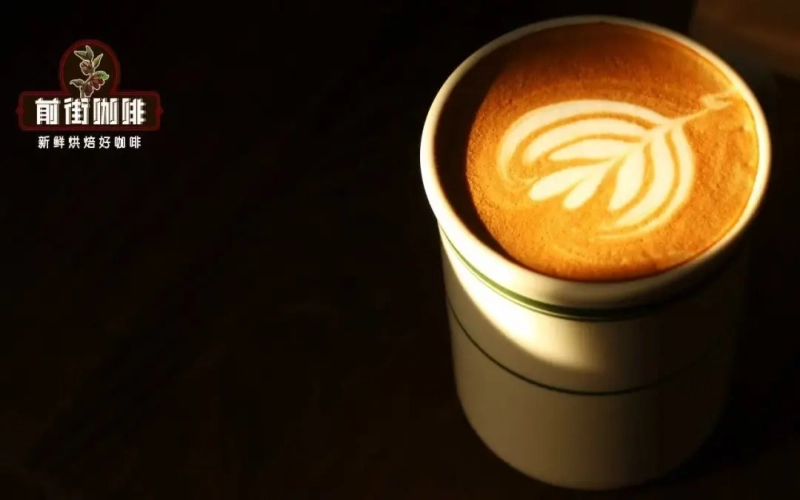
What is the core difference between a flat white and a latte? A detailed explanation of the key techniques for making Ristretto short-pull espresso.
Although flat white and latte both belong to the category of milk coffee, the approach to making the base espresso is completely different. Flat white uses a Ristretto short extraction, that is, a concentrated version with high concentration and low extraction yield. Many enthusiasts mistakenly believe that simply pulling a little less liquid from a regular espresso is enough, but in practice this often leads to under-extraction and a lack of sweetness. Starting from Front Street's hands-on experience, this article analyzes the correct extraction logic of Ristretto, focusing on how to balance concentration and extraction yield by adjusting the grind size, and includes the specific parameters and flavor performance of Front Street's classic espresso blend to help you make a cup of flat white that is rich but not bitter. [more…]
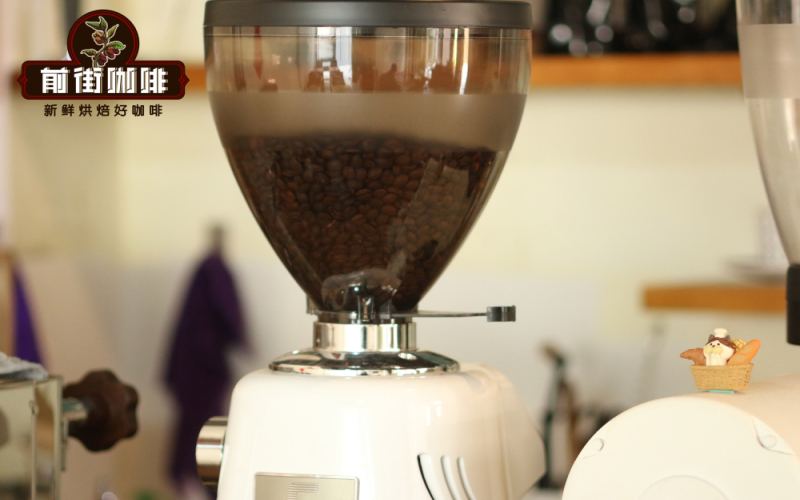
A Detailed Guide to Espresso Coffee Dose and Brew Ratio: How to Pull the Ideal Espresso with 20g of Coffee
To craft a qualified espresso, the dosage of coffee grounds and the grind size are the key determinants of success. Unlike pour-over or cold brew, espresso uses pressurized short-time extraction, where any slight deviation is magnified. This article centers on the core question of how much coffee liquid to extract from 20g of grounds, providing a detailed explanation of determining the grind size range, choosing the coffee-to-liquid ratio, judging flow rate and flavor, and the proper way to taste espresso. It also recommends Front Street Coffee's classic espresso blend to help enthusiasts recreate a café-level espresso experience at home. [more…]
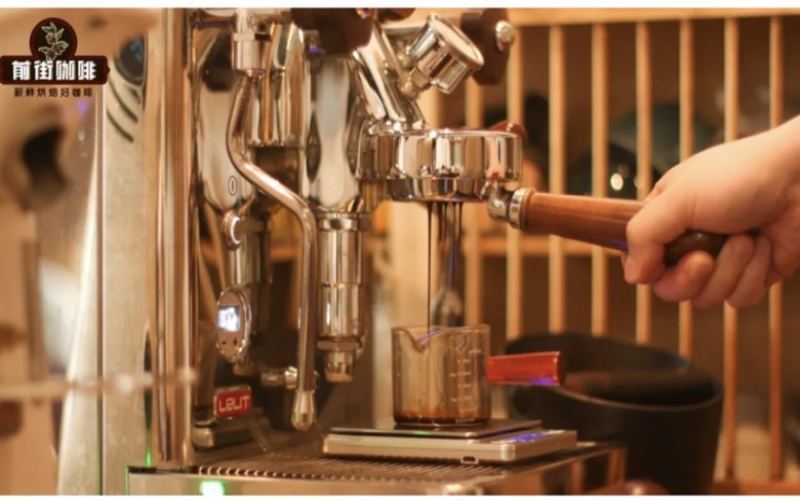
Single-Origin Espresso at Home: How to Pull SOE on a Home Machine
SOE is short for Single Origin Espresso, which means using beans from a single origin to make espresso. Trying SOE on a home semi-automatic espresso machine is the starting point for many coffee enthusiasts moving from blends to single-origin coffees. SOE has a narrower extraction window than blends, and on a home machine you need to [more…]
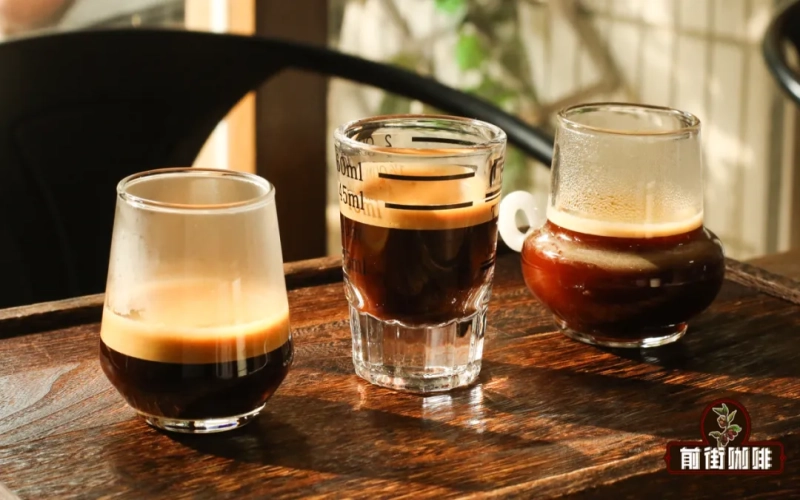
A Complete Guide to Espresso: Extraction Differences Between Ristretto and Lungo, Plus Practical Advice
Espresso is the foundation of Italian coffee, but do you understand the differences between the three extraction versions: Ristretto, Normale, and Lungo? Each has a different extraction ratio and strength, making them suitable for different drinks such as lattes, cappuccinos, and flat whites. Many enthusiasts often encounter flavor imbalance when trying short or long extractions—the former being sharply acidic and thin, the latter unbearably bitter. This article will provide an in-depth analysis of the characteristics of the three types of espresso and share how to choose the right extraction method based on your needs, while retaining Front Street Coffee's practical recommendations to help you pull a balanced and delicious Espresso at home. [more…]
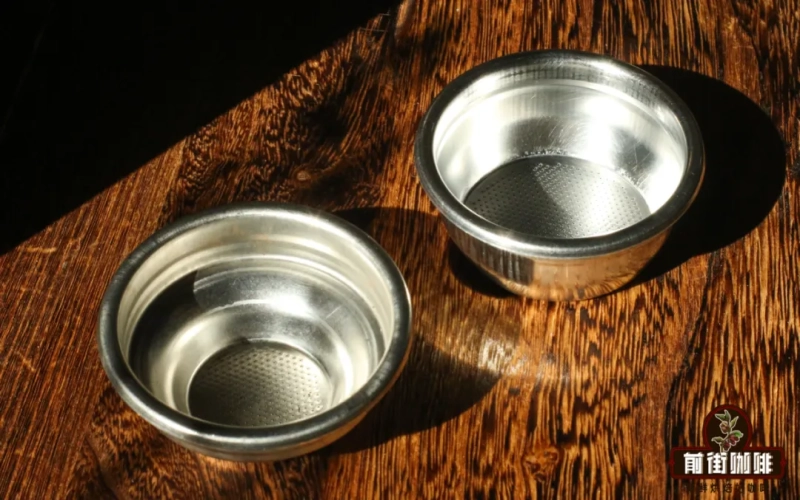
Single vs. Double Portafilter Baskets: Which One Should You Use to Pull a Shot of Espresso?
When ordering at a coffee shop, have you ever noticed the filter basket the barista uses? A single basket typically holds 9–11g of coffee grounds for pulling a single espresso; a double basket can hold 18–22g for a double espresso. But in reality, most cafés would rather use a double basket to pull an extra shot—even pouring half of it down the drain—than switch to a single basket. Why is that? Starting from Front Street's comparative experiments, this article takes a deep dive into the structural differences, extraction performance, and consistency issues of the two baskets, helping you fully understand which basket a single espresso should actually use. [more…]
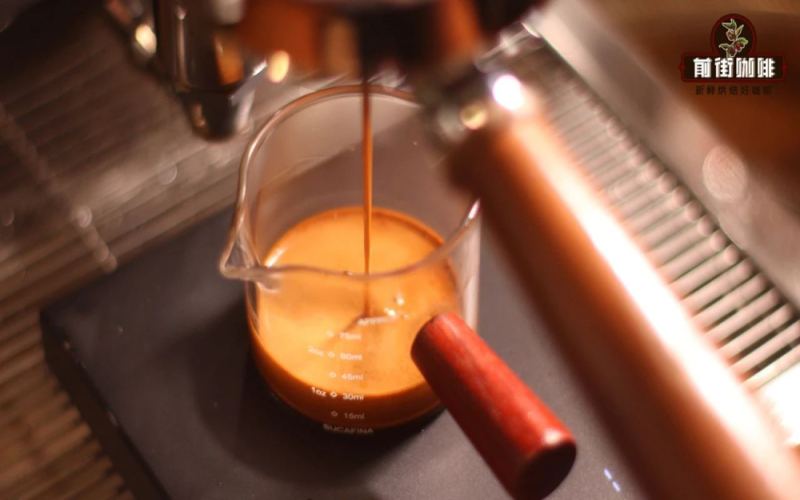
Espresso Extraction Adjustment Guide: A Complete Workflow from Parameter Principles to Iced Americano Preparation
When it comes to using an espresso machine at home, nothing is more frustrating than dialing in a shot: you go through most of a bag of beans and the taste still isn't right. Even professional baristas need seven or eight trial-and-error shots to find the ideal state when switching to a new bean. This article draws on Front Street Coffee's hands-on experience to lay out an efficient approach to dialing in espresso — first explaining the roles of the three core variables (grind size, dose, and yield), then walking through how to quickly lock in reasonable parameters using a 1:2 brew ratio and a 25-to-30-second time frame, and finally offering specific correction directions for common problems like burnt bitterness, short finish, and flat flavor. Once everything is dialed in, a complete recipe for a café-quality iced Americano is included as well. [more…]
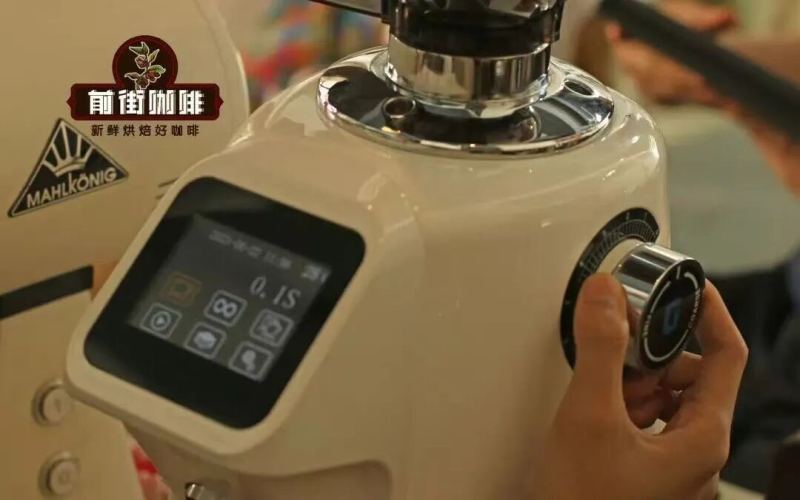
Espresso Grind Size | What Factors Affect Espresso Flavor and How to Pull a Delicious Shot by Adjusting the Grind of Espresso Beans
As we all know! The condition of coffee beans and the weather are constantly changing every day, and this directly affects espresso extraction, causing the coffee's taste to vary each day due to these changes. If we want to keep the coffee consistently delicious, we have to adjust parameters to correct the coffee's flavor. And this is [more…]
Why Does Espresso Need Daily Calibration? Analyzing Crema Quality and Rainy-Day Extraction Challenges
Many coffee enthusiasts are puzzled by the practice of coffee shops adjusting their espresso every day, believing that as long as the dose, water temperature, yield, and grind size stay consistent, the taste should remain stable. However, the pressurized extraction method of espresso is extremely sensitive—the degassing state of the coffee beans, the weather humidity, and the wear on the grinder burrs can all cause flavor deviations. This article analyzes in detail how carbon dioxide affects the crema and extraction, why it is harder to pull a good-tasting espresso on rainy days, and the reasons behind changes in grind size, while also sharing Front Street Coffee's professional interpretation of the necessity of daily espresso calibration. [more…]
Espresso Extraction Recipe Adjustment Guide: From Grind Size to Dose-Yield Ratio, Quickly Find Great-Tasting Parameters
Making espresso at home with an espresso machine is most frustrating when it comes to dialing in parameters—one careless move and half a bag of beans is gone. Even professional baristas, when facing a new espresso blend, often need to pull seven or eight shots before finding a satisfying flavor. Actually, the key to taking fewer detours and quickly dialing in to a tasty state is to understand what impact each parameter change will bring. Based on Front Street Coffee's hands-on experience, this article sorts out the three major adjustable variables—grind size, dose, and yield—and, combined with the 1:2 brew ratio and 25-30 second extraction framework, teaches you how to judge the grind setting through timing differences, and gives specific adjustment directions for common problems such as burnt-bitterness and short aftertaste. [more…]
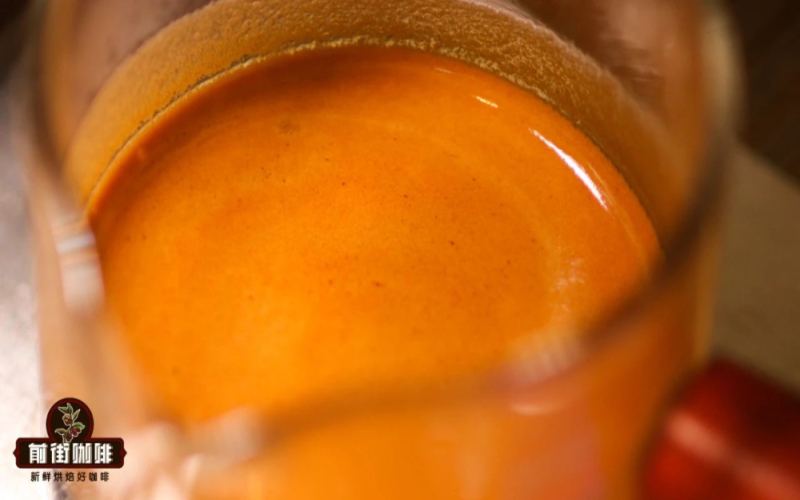
What exactly does a long-shot espresso refer to? An in-depth analysis of the extraction differences and flavor performance between long and short shots.
In coffee shops, Americanos, lattes, and cappuccinos are everywhere, but do you truly understand what espresso means? Does simply adding more water give you espresso? Today, Front Street Coffee will explain in detail the definition of espresso and the difference between long shots and regular extraction. The article will cover the broad and narrow concepts of espresso, the operational key points and flavor characteristics of Ristretto and Lungo, and will also explain how extraction flow rate affects taste, the specific manifestations of under-extraction and over-extraction, as well as new explorations of long extraction methods in the specialty coffee field in recent years. Whether you are a beginner just getting into Italian-style coffee or an enthusiast hoping to refine your extraction technique, this content can help you understand the extraction logic of Italian-style coffee more systematically. [more…]
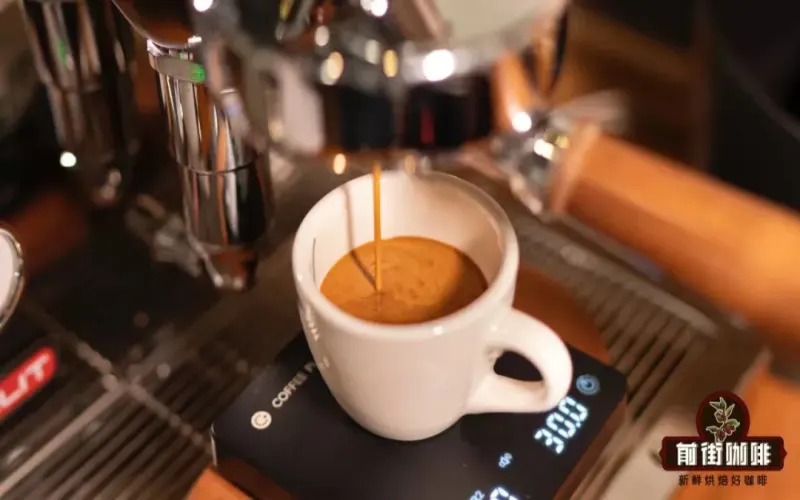
Is it OK to pause and resume an espresso shot mid-extraction? Testing how different resume points affect concentration and flavor
When pulling espresso, you occasionally get distracted and stop before the liquid weight reaches the target. Can you press the brew button again to make up the missing amount? Front Street ran a set of controlled experiments using its own Front Street Strawberry Candy · Espresso: first, a normal espresso was made, then extraction was cut off at one-half, two-thirds, and four-fifths of the target liquid weight and restarted, and a refractometer was used to measure and compare the flavors. The results showed that the earlier the extraction was cut off, the greater the gap in concentration and extraction yield, and the thinner the mouthfeel. The reason is related to changes in puck resistance under pressurized extraction. If you have also encountered the situation of cutting off and then topping up the shot, this hands-on test can give you clear operating advice. [more…]
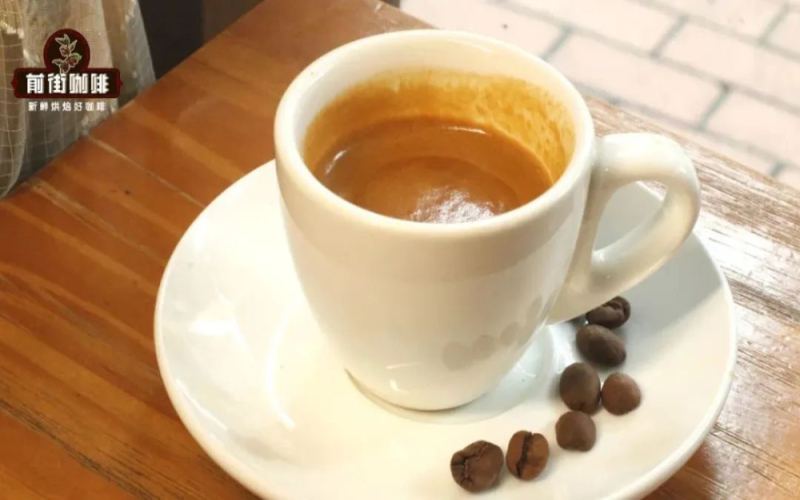
Why Are Single Shots Being Phased Out? A Detailed Explanation of the Differences Between 1 Shot and Double Shots and Their Extraction Variations
When ordering at a coffee shop, you often hear the phrase "add a shot," but do you know what 1 shot actually refers to? In the early days, 1 shot was a 30ml single espresso extracted from 9–11g of grounds, whereas today at most cafés, 1 shot is actually a double espresso extracted from 18–20g of grounds. Why would shops rather pull doubles than use single baskets? What exactly are the differences between single baskets and double baskets in appearance, structure, and extraction performance? Starting from Front Street's extraction experiments, this article uses concrete data to explain why single baskets have been phased out, and analyzes how basket structure affects water flow distribution, extraction uniformity, and channeling, helping coffee enthusiasts understand the extraction logic behind espresso. [more…]
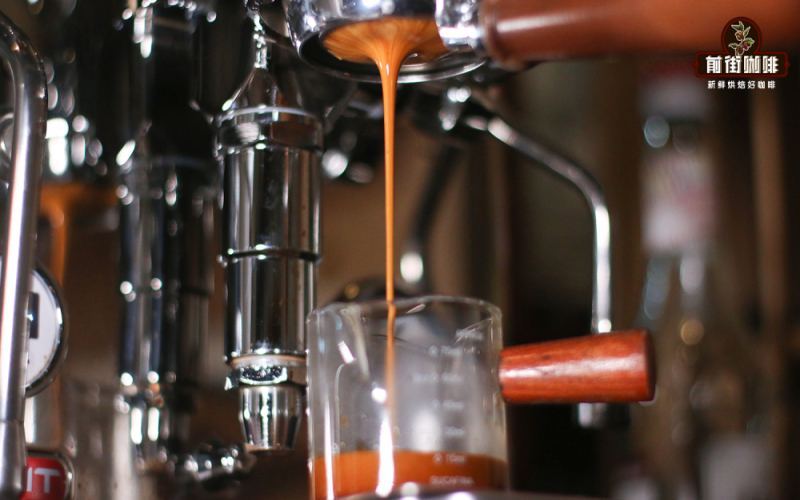
How to Pull a Proper Espresso Shot? A Full Breakdown of Dose, Yield, Time, and Pressure Parameters
To consistently make delicious espresso at home or in a café, you don't actually need complicated equipment—the key is mastering a few core parameters. Drawing on Front Street Coffee's hands-on experience, this article systematically breaks down variables such as dose, yield, extraction time, water temperature, and pressure distribution, and offers recipe ideas for a double basket. You'll learn why it's recommended to start with a 1:2 brew ratio, how to fine-tune by time to find the flavor sweet spot, and how to avoid pucking and channeling. Whether you're using a Lelit V3 or another espresso machine, these methods can help you push your espresso from "drinkable" to "delicious." [more…]
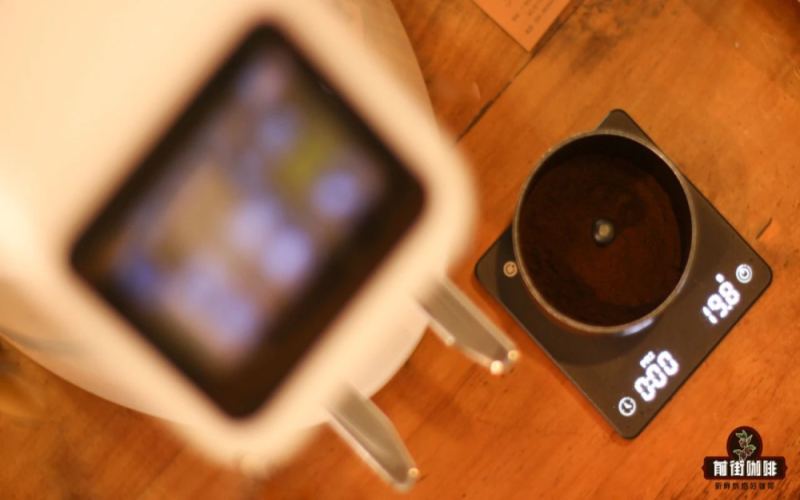
A Complete Guide to Espresso Grind Size: From Dialing In to Judging by Flavor
When making espresso, the grind size of the coffee grounds is the core variable that determines the quality of the final cup. Compared with brewing methods such as pour-over and cold brew, espresso demands a far finer grind than one might imagine—the powder is as fine as flour, its uniformity difficult to judge with the naked eye, and a deviation of just 0.1 on the grinder setting can make an enormous difference in taste. This article systematically lays out a complete approach to adjusting espresso grind—from judging grind size and observing flow rate to applying formulas and fine-tuning flavor—helping coffee lovers quickly lock in the right grind range even when faced with unfamiliar beans, so they can pull a balanced, delicious espresso. [more…]
Key Variables That Determine Espresso Flavor and a Complete Guide to Making Americano
The soul of an Americano lies in the quality of its espresso, yet dialing in espresso parameters often gives coffee lovers a headache. Drawing on the hands-on experience of Front Street Coffee, this article systematically breaks down the core variables that shape espresso flavor—grind size, dose, and yield—and offers a step-by-step tuning method to help you quickly find your ideal extraction solution at home. It also provides practical guidance on working backward from flavor to adjust parameters, along with the standard method for making iced Americanos and several health benefits of drinking Americano coffee, making it a worthwhile read for anyone looking to refine their espresso skills. [more…]
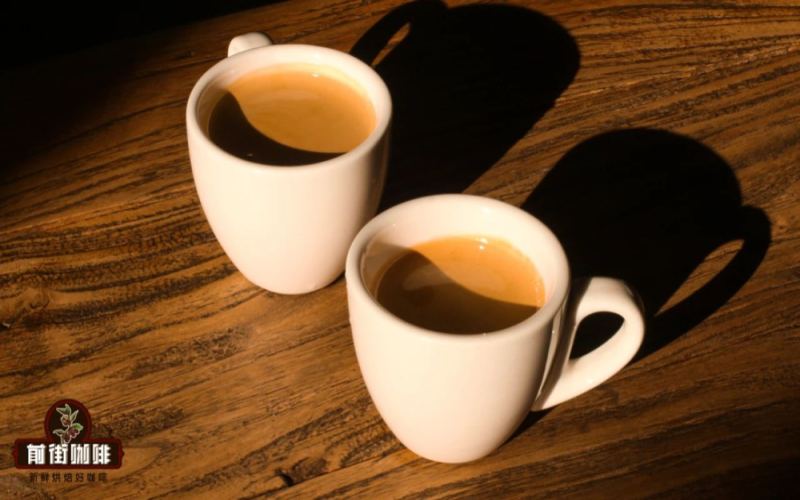
A Comprehensive Analysis of Espresso Puck Anomalies: Causes and Solutions for Channeling, Water Pooling, Clumping, and Extraction Imbalance
The extraction quality of espresso can be judged not only by flow rate, pressure, and time—the puck after extraction also reveals a great deal of key information. An ideal puck should be dry and level, structurally intact, and uniform in color. In practice, however, problems such as cratered surfaces, holes, standing water, loose structure, one half dry and the other half wet, or even a blackened bottom are all too common, and they often point to deviations in dose, grind size, distribution technique, or equipment pressure. This article systematically sorts out the manifestations and causes of six common puck abnormalities, offers targeted adjustment plans, and explains how to correct extraction through operations such as grinding finer while reducing dose, or grinding coarser while increasing dose, helping coffee enthusiasts consistently make a qualified espresso at home. [more…]
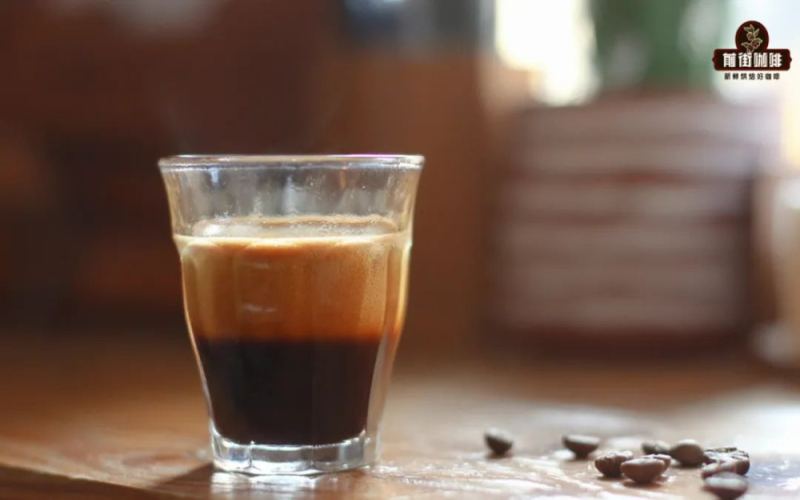
Where does the rich crema of espresso come from? A detailed explanation of crema's composition and the key to extraction
The golden, enticing layer of crema on the surface of espresso is an important reference for many coffee lovers in judging the quality of the brew. But do you know what this substance, called Crema, is actually made of? How does it differ from true coffee oil? And how can you get a richer Crema during extraction? This article begins with a customer feedback incident at Front Street Coffee, traces the evolution of espresso machines, analyzes the formation principles of Crema, and shares practical ideas for making rich crema from three dimensions: coffee bean selection, equipment conditions, and extraction methods, helping you pull a satisfying espresso at home too. [more…]
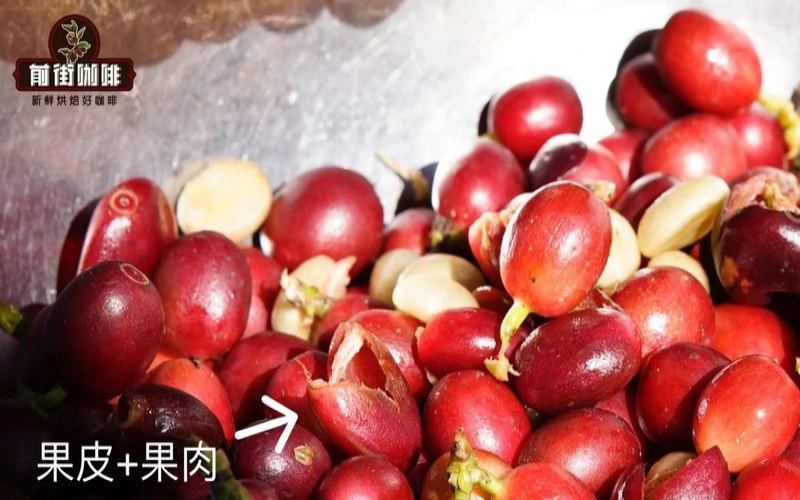
SOE from Roast Date to Opening the Bag: Seizing the Window When Aroma Is at Its Peak
The aroma of coffee beans isn't fully developed on the day they're roasted. After SOE is bagged, it continues to release carbon dioxide; in the first few days it smells very lively, yet during extraction it may expand too quickly and the flow rate can be erratic. Understanding the relationship between the roast date, the opening date, and the drinking timeline is more important than just looking at the shelf life in determining whether the cup is clear and sweet. [more…]
The Complete Guide to Espresso Dialing In: Parameter Adjustments from Grind Size to Yield, and Iced Americano Making
Dialing in an ideal espresso often means consuming a lot of coffee beans through repeated trial and error. This article takes a practical approach, systematically sorting out the core variables that affect espresso extraction—the interconnected relationship between grind size, dose, and yield—and provides a step-by-step adjustment strategy: first use a 1:2 brew ratio to lock in the time range, then fine-tune parameters based on flavor performance. The article also specifically reminds readers of how operational details like distributing and tamping can interfere with extraction stability, and recommends Front Street Classic Blend and Strawberry Candy Espresso suitable for both home and café use. Finally, using iced Americano as an example, it demonstrates the practical application of espresso in specialty drinks, helping coffee enthusiasts avoid detours and efficiently find their desired flavor state. [more…]
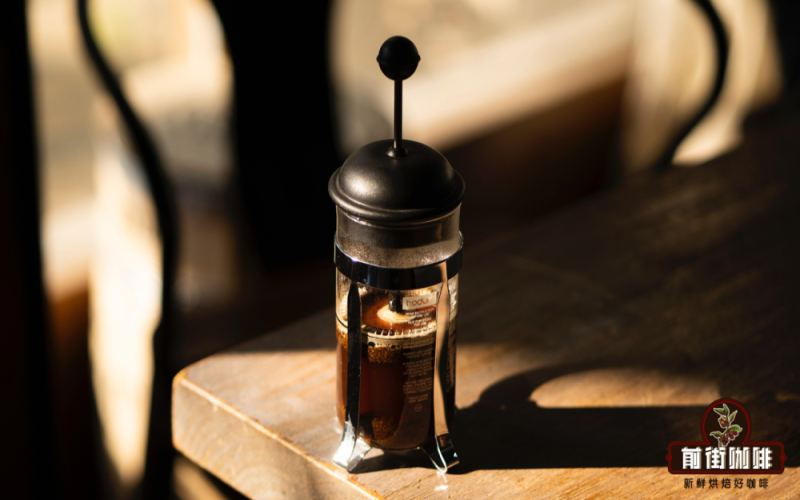
How to Use a Starbucks French Press? Detailed Guide to Coffee-to-Water Ratio and Grind Size, with a Front Street Coffee Huakui Brewing Tutorial
Want to enjoy a great cup of coffee without being tied down by a pile of gear like a pour-over kettle, dripper, and thermometer? A French press may be the most hassle-free choice. This article starts with the history of the French press, then breaks down the coffee-to-water ratio, water temperature, and grind size parameters for the Starbucks French press, and uses Front Street Coffee's Huakui coffee beans as an example to walk you through the complete French press brewing process step by step, helping you avoid the pitfall of over-extraction and bitterness so you can easily make a cup of coffee that is rich and full-flavored. [more…]