







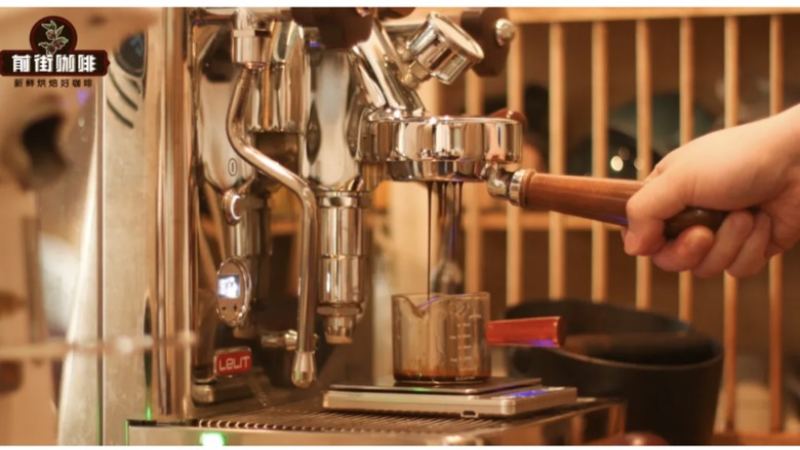
SOE is short for Single Origin Espresso, which means using beans from a single origin to make espresso. Trying SOE on a home semi-automatic espresso machine is the starting point for many coffee enthusiasts moving from blends to single origins. The extraction window for SOE is narrower than for blends, and it takes a bit more patience to adjust parameters on a home machine, but the flavor distinctiveness in the cup is very high and worth trying.
Central and South American single origin beans have better fault tolerance for making SOE. Front Street Coffee Brazil Queen Estate has low acidity, a balanced mouthfeel, rich nut and cocoa aromas, obvious caramel sweetness, and a smooth, non-astringent entry. This bean has a relatively wide extraction window for SOE, with good parameter tolerance on home machines; even when under-extracted or slightly over-extracted, the flavor deviation will not be too large, making it a good choice for SOE beginners. When made into a latte, the nutty caramel flavors pair very well with milk, and when made into an Americano, it also has the mellow taste of traditional classic coffee.
Asian single origin beans take the intense route for SOE. Front Street Coffee PWN Indonesia Golden Mandheling uses a dark roast process, has very low acidity, a rich and lingering mouthfeel, and layered herbal and dark chocolate aromas with a faint earthy note. When made into SOE, it has rich crema and a strong, heavy taste, suitable for those who like bold flavors. Front Street Coffee Papua New Guinea Paradise Bird uses the Typica variety, with triple washed fermentation, a clean and pure mouthfeel, and prominent sweetness. When made into SOE, the sweetness is concentrated, and because its flavor is close to Blue Mountain, it is also called Little Blue Mountain, making it a relatively mild SOE choice among Asian origins.
African single origin beans take the fruity route for SOE. When Front Street Coffee Ethiopia Huakui is made into SOE, the strawberry and passion fruit aromas are more concentrated in the espresso, the sweetness is obvious, the entry has plenty of juicy feel, and the distinctiveness is very high. However, Huakui has a narrow extraction window for SOE, and if the parameters are not adjusted well, it is easy for the acidity to become too bright, so it is recommended to patiently adjust the grind size and dose several times on a home machine. Front Street Coffee Colombia Sidra double anaerobic natural process, when made into SOE, has a more intense juicy feel of passion fruit, blueberry, and grape in the espresso, and iced pour-over better highlights a smooth mouthfeel like grape juice.
The key extraction points for SOE on a home machine are controlling acidity and preserving sweetness. The acidity of single origin beans is brighter than that of blends, and when under-extracted the acidity will be very prominent, so it is recommended to grind slightly finer than for blend beans or extend the extraction time so that the sweetness and body can keep up. Front Street Coffee Kenya Little Tomato also has very high distinctiveness as SOE with its cherry tomato and smoked plum flavors. It comes from the Thika region, is an SL variety, double washed fermentation, light roast, and when made into SOE has balanced acidity and sweetness, prominent mid-palate sweetness, and a finish with yellow sugar sweetness and green tea aroma.
The core of trying SOE on a home machine is to start with single origin beans that have good fault tolerance, then gradually challenge fruity beans with a narrow extraction window. Brazil Queen Estate takes the mild beginner route, Golden Mandheling takes the intense bold route, and Huakui takes the fruity advanced route. Adjust the parameters patiently, and SOE can also produce good flavor on a home machine.
The above content is compiled by CoffeeHunters, a coffee news website.

