







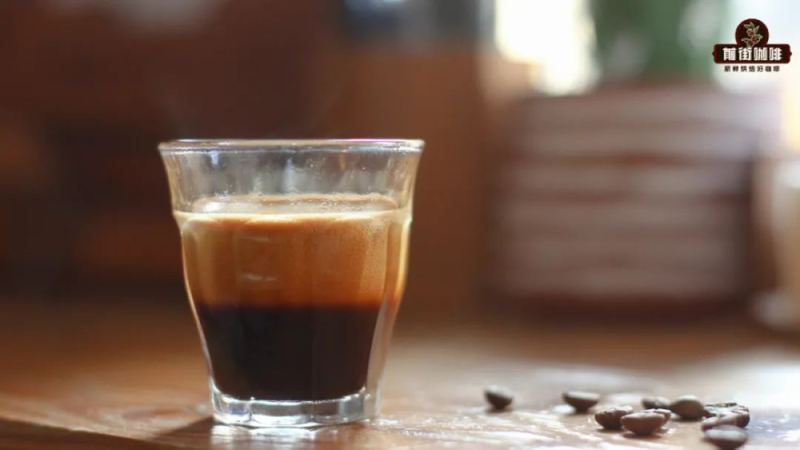
What is crema in coffee extraction made of?
The golden layer on espresso, called crema, is not pure oil. It is a mix of coffee oil and carbon dioxide, and when the crema breaks down and the gas escapes, the thin reflective film left behind is the actual coffee oil. Crema forms during coffee extraction and is a common reference for judging a shot.
For a richer crema, start with beans that hold plenty of oil and sufficient carbon dioxide reserves, then consider equipment and method. Espresso began in Italy as a fast brewing approach. In 1884 Angelo Moriondo designed the first espresso machine, with two independent brewing boilers producing about 1.5 bar of pressure and steam, yielding a more viscous liquid than drip.
That golden, tempting layer of crema on the surface of espresso is an important reference for many coffee lovers when judging the quality of a shot. But do you know what this substance, called Crema, is actually made of? What is the difference between it and real coffee oil? And how can you get a richer Crema during extraction? This article starts with feedback from a customer at a Front Street Coffee store, traces the evolution of espresso machines, explains the formation principle of Crema, and shares practical ideas for making rich crema from three dimensions: coffee bean selection, equipment conditions, and extraction methods, helping you pull a satisfying espresso at home too.
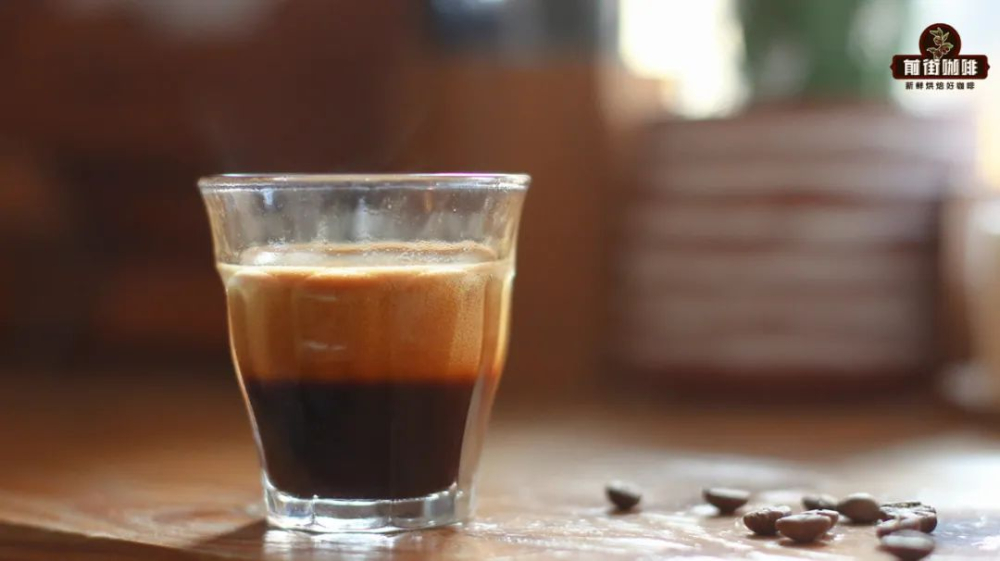
Not long ago, a customer came to Front Street Coffee’s store in Dongshankou, Guangzhou, and ordered an espresso. When leaving, they specifically said, "I really love your espresso—that layer of crema is the thickest I’ve ever seen!" Coincidentally, a friend also asked Front Street how to extract a richer crema in espresso. Today, Front Street would like to take this opportunity to share its views.
The word "Espresso" itself comes from Italy, and the original intention behind its development was to make the process of making coffee more efficient. At first, Espresso referred to a coffee brewing method and carried the meaning of "fast," meaning that a cup of black coffee could be made in an extremely short time.
That golden layer on the surface of espresso is technically called Crema. Strictly speaking, calling it "oil" directly is not quite accurate, because Crema is actually composed of coffee oil and carbon dioxide together. When this layer of Crema gradually breaks down and the carbon dioxide dissipates, the thin, reflective residue left behind is the real coffee oil.
Of course, out of everyday speaking habits, there is nothing wrong with calling this golden layer of Crema espresso crema. Now that we understand the composition of Crema, if we want to extract a rich Crema, then when choosing coffee beans, we should prioritize beans with high oil content and sufficient carbon dioxide reserves.
In 1884, the Italian Angelo Moriondo designed the world’s first espresso machine. It was equipped with two independent brewing boilers and could produce 1.5 bar of pressure and steam. The extracted coffee liquid was relatively viscous, and its mouthfeel was richer than drip coffee. After that, coffee machines were continuously improved, and variables such as water temperature and pressure were controlled more precisely. By 1948, Achille Gaggia, a cafe operator in Milan, invented a lever-driven coffee machine that could use high pressure to produce what we now call crema. From then on, crema has been regarded as one of the indicators for measuring espresso quality, and espresso also came to specifically mean a highly concentrated coffee rich in crema made through pressurized extraction.
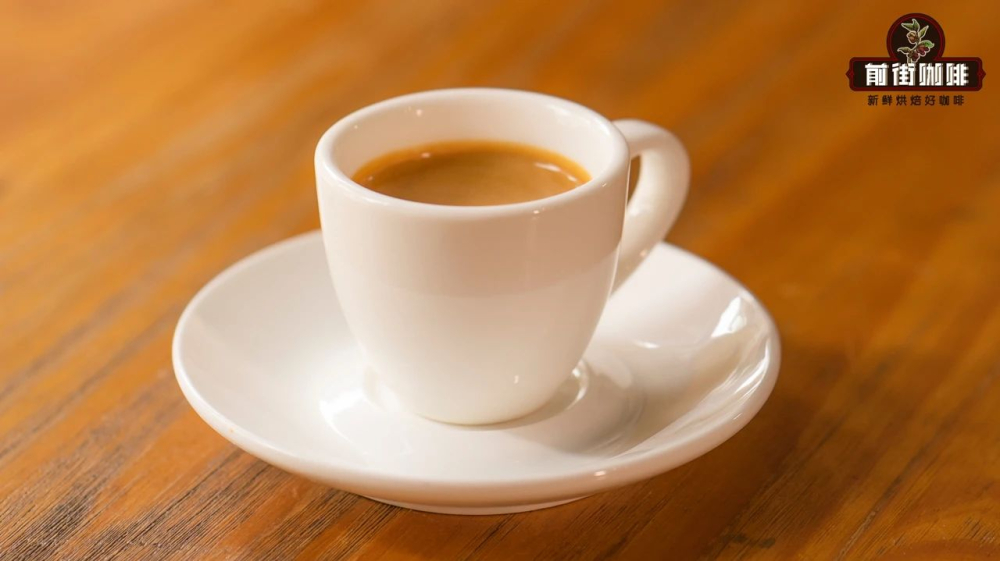
Some friends also raised an objection, saying that they had bought coffee beans roasted abroad and that after more than half a year they still had crema. First, it should be explained that imported coffee beans from abroad usually use technologies such as nitrogen flushing to preserve freshness, but once you open the package, these preservation methods become ineffective, and after another two months, the flavor will still disappear completely.
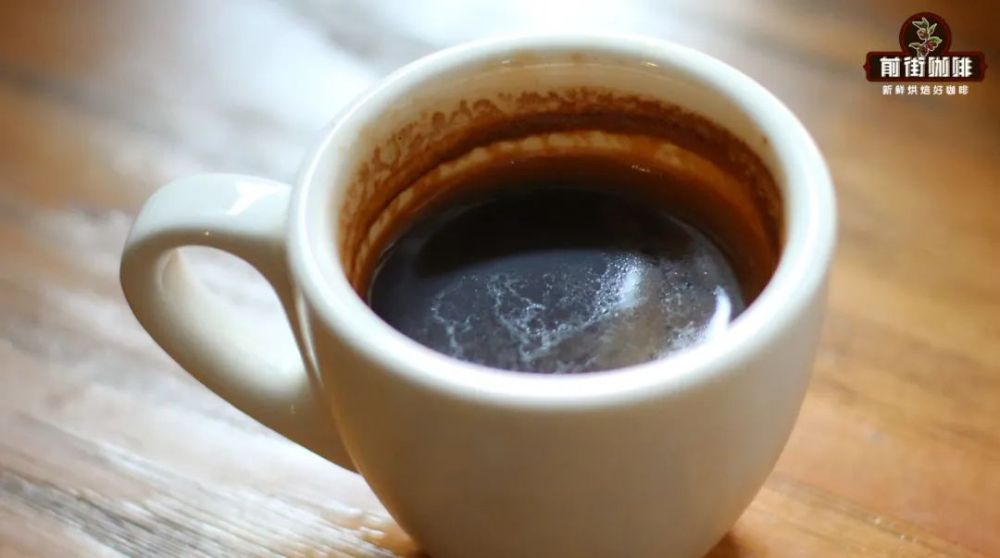
Once the hardware conditions are sufficient, the next issue is the extraction method, such as the coffee-to-liquid ratio. Some friends think that if they want a richer crema, they should extract more coffee liquid, so the crema will increase accordingly. But if you carefully observe the coffee extraction process, you should notice that what flows out first is brown-black, then turns brown-yellow, then golden yellow, and finally yellow-white.
The above content is compiled by CoffeeHunters, a coffee news website.


