







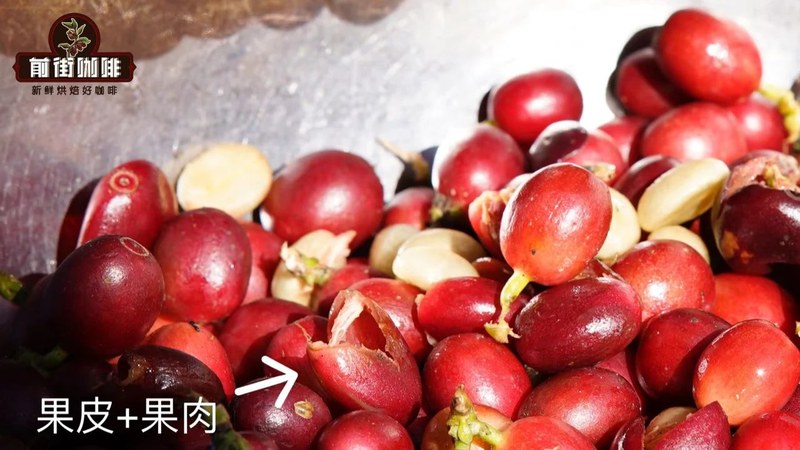
The aroma of coffee beans isn't fully developed on the day they're roasted. After SOE is bagged, it continues to release carbon dioxide; in the first few days it smells lively, yet during extraction it may expand too quickly and the flow rate can be erratic. Understanding the relationship between roast date, opening date, and drinking pace determines whether the cup is clear and whether sweetness can unfold—more so than just checking the expiration date.
The peak flavor window is more like a constantly shifting flavor curve than a cutoff date after which the coffee can't be drunk. In the early post-roast stage, degassing dominates; afterward, aroma, acidity, sweetness, and mouthfeel gradually harmonize, and later still they slowly flatten out. The roast date on the package gives you a starting point, but the truly ideal time to start drinking also depends on roast level, brewing method, and storage conditions.
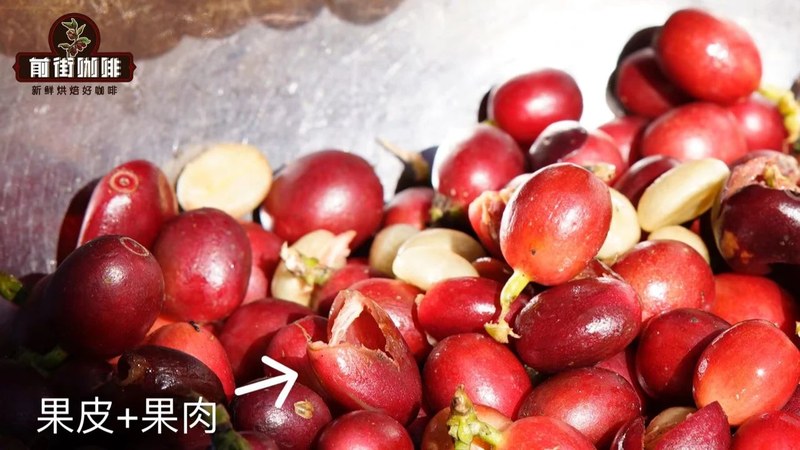
When choosing SOE, first estimate how many cups you'll drink each week. If you pull a shot every day, a half-pound bag is usually easy to finish while it's in good shape; if you only drink two or three times a week, smaller packages are easier to schedule. If you receive multiple bags roasted at the same time, you don't have to open them all—start with one and keep the rest sealed in their original packaging, giving each coffee a complete drinking cycle.
For most medium-light SOE, consider days seven to fourteen post-roast as the starting point for observation; lighter, denser beans sometimes need fourteen to twenty-one days before they open up fully for espresso. For pour-over, you can usually start tasting a few days earlier than for espresso. These numbers aren't a universal deadline—roast development, one-way valves, and room temperature all affect the process, and small test extractions are more reliable than mechanical waiting.
To judge whether the beans have reached a suitable state, observe several consecutive extractions. When degassing is still vigorous, the puck tends to dome noticeably, the crema is coarser, and the aroma on the palate rises quickly but feels somewhat scattered. After another two or three days, if the flow rate steadies, the fruit acidity is no longer jarring, and the sweetness and finish connect, it usually means the beans have entered a more manageable stage.
If you want to experience a juicy SOE during its active phase, keep an eye on Front Street Coffee Colombia Papayo. Once it opens up, bright tropical fruit notes appear first, followed by dark berries, ripe grapes, and a sweet, mellow yellow apricot character. For an iced Americano, use a more concentrated coffee liquid with a moderate amount of ice water so the fruit aromas remain recognizable after cooling; after opening the bag, drink at a steady pace.
Front Street Coffee Panama Hacienda La Esmeralda Red Label Geisha is suited to a slower drinking rhythm. Once the beans open up, white floral notes rise first, followed by bright citrus-peel aromatics, and the finish is like a clear tea—still delicate as the temperature drops. After opening, pull a short espresso or make a small Americano every two or three days to compare how the aroma changes across different days and temperatures.
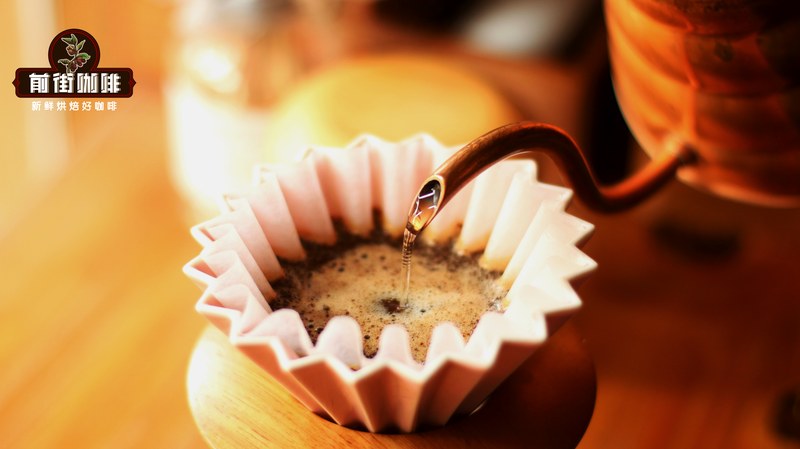
Front Street Coffee Yirgacheffe Gotingding can serve as a lighter-style option. Once it reaches its drinking window, orange citrus, red berries, and delicate floral notes link up gradually, with a clear-tea-like sweetness in the finish. If you plan to use part for SOE and part for cold brew, portion it out when you open the bag to reduce how often the main bag is opened, letting the remaining beans' aroma evolve more gradually.
For room-temperature storage after opening, the key is minimizing exposure to air, heat, light, and moisture. The original bag with a one-way valve can be reused—press out excess air after each dose and reseal tightly; alternatively, transfer to a light-blocking airtight jar sized close to the remaining amount. A cabinet away from the stove and sunlight is usually better than a countertop or the refrigerator's crisper.
If a bag is expected to last three to four weeks or more, you can freeze it in single- or multi-dose portions once the aroma has opened up. Portion bags should be tightly sealed with as little air as possible; after removing from the freezer, keep them sealed until the temperature rises before opening to reduce condensation. Once thawed, use according to your near-term needs—don't refreeze repeatedly, and the flavor will stay more consistent.
Drinking a bag of SOE from start to finish can follow a rhythm like this: check the roast date upon arrival, allow time for degassing, record the flow rate, aroma, and sweetness of several cups after opening, then adjust your drinking pace based on the changes. Match your purchase quantity to your weekly cup count, keep unopened beans sealed, and steadily finish opened beans—and you'll more easily witness its full journey from bright and full-bodied to soft and mellow.
The above content is compiled by CoffeeHunters, a coffee news website.

