







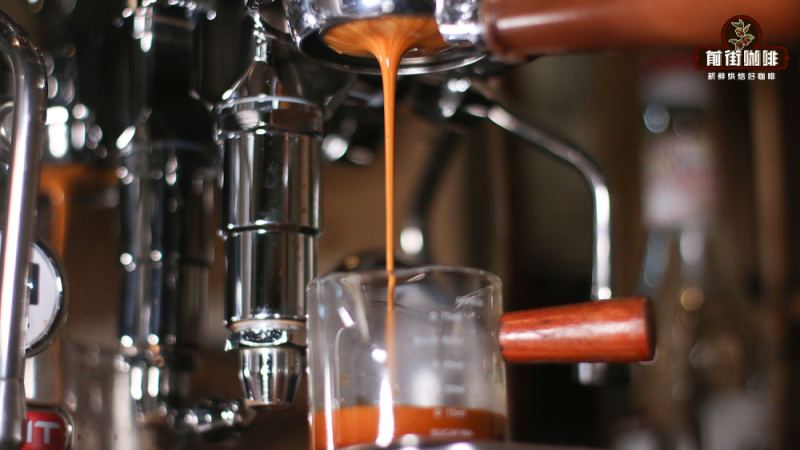
How to pull a proper espresso shot on any machine?
A proper espresso shot comes down to three measurements: dose, yield, and extraction time. Start with a 1:2 brew ratio, meaning roughly twice the weight of liquid out as grounds in, then adjust grind by taste. For a double basket, dose usually lands between 14 and 24 grams depending on basket capacity.
Water temperature and pressure matter too. A common target is around 92 degree espresso, with pressure profiling used to smooth the flow across the shot. Watch for pitting and channeling in the puck, since uneven extraction is the usual cause of harsh or sour flavors. Change one variable at a time and log each result.
To consistently make delicious espresso at home or in a shop, you don't actually need complex equipment—the key is mastering a few core parameters. Drawing on Front Street Coffee's hands-on experience, this article systematically breaks down variables such as dose, yield, extraction time, water temperature, and pressure profiling, and offers recipe ideas for double baskets. You'll learn why it's recommended to start from a 1:2 brew ratio, how to fine-tune by time to find the flavor sweet spot, and how to avoid pitting and channeling. Whether you're using a Lelit V3 or another espresso machine, these methods can help you push your espresso from "drinkable" to "delicious."
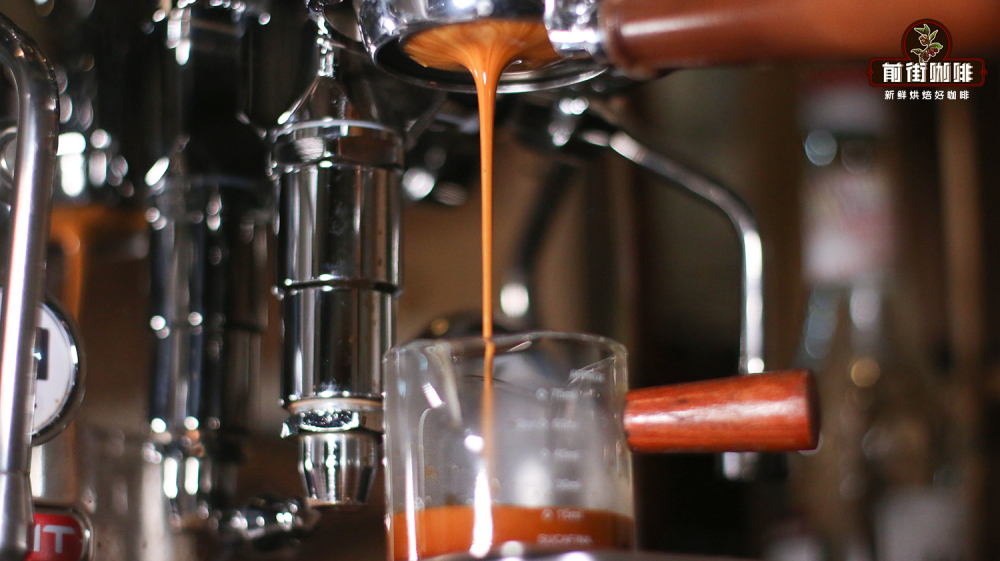
On café menus, drinks like lattes and Americanos are almost never absent, and they're all built on a qualified shot of espresso. Front Street has already discussed espresso extraction schemes quite a bit before, so this time let's take a different angle and talk about how to make a up-to-standard espresso in a relatively hassle-free way.
What parameters should you keep an eye on when extracting espresso?
When making espresso, there are at least three core data points you need to measure: dose, yield, and extraction time. Front Street's baristas check these three things first thing every morning when they open, and some peers even re-confirm them for every single shot.
One thing worth noting here: for extraction, Front Street recommends prioritizing double espresso baskets. In Front Street Coffee's view, when making espresso you should try to use only double baskets, and it's best to avoid single spouts altogether. But that's a topic for another time—for now, let's put our attention back on the recipe itself.
Dose: the weight of coffee grounds you put into the portafilter, measured in grams.
The dose for a double espresso typically falls between 14 and 24 grams, depending on the basket size. Back in the era when "dark and shiny roasts" were a point of pride, 14 grams was once treated as gospel. Fortunately, the wind has shifted over the past decade—nowadays espresso beans are mostly medium-dark roasts as the mainstream, gradually leaning toward lighter roasts, and the dose has risen accordingly.
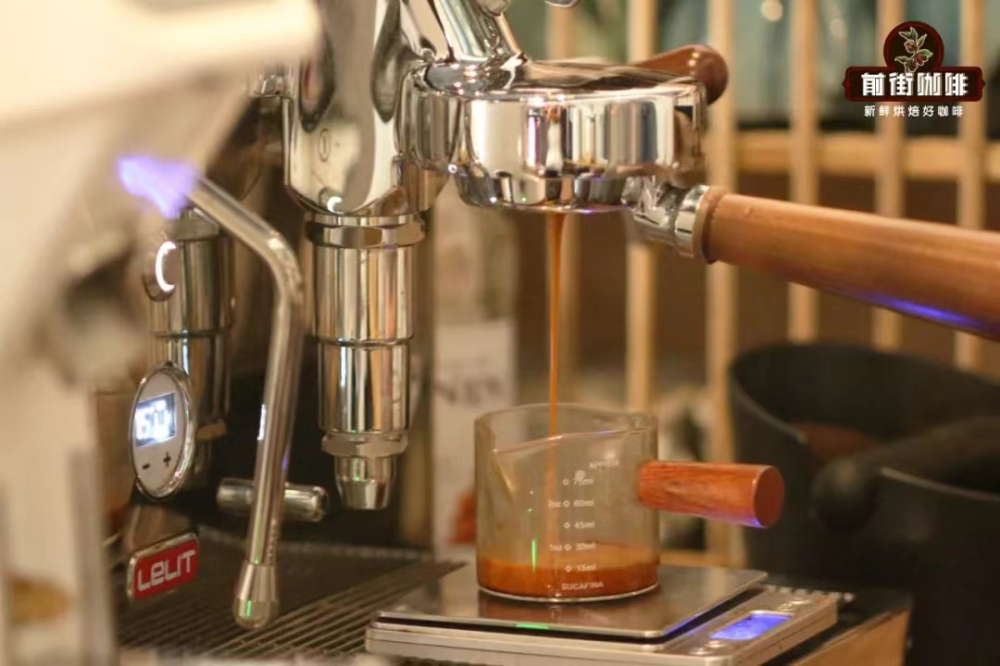
Dose should be the first variable you adjust. So how do you judge how many grams you should use? The simplest way is to look at the capacity of your double basket. How much the basket can hold, plus the influence of the bean's roast level, basically determines your starting dose. For example, the Lelit V3 that Front Street commonly uses has a standard double basket capacity of about 20 grams, so Front Street's espresso recipes usually start with 20 grams of coffee.
Of course, even if your basket also has a 20-gram capacity, you can fine-tune based on the bean's roast level. Simply put: for dark roasts, you can use a slightly smaller dose (18–20 grams); for light roasts, use a slightly larger dose (20–21 grams).
If for some reason you insist on pulling a small-dose espresso, say with 14 grams of coffee, then it's best to switch to a shallower, smaller-capacity flat-bottom basket. Putting a small amount of coffee in a large basket significantly raises the risk of pitting. The reason is that before tamping it's hard to distribute evenly, and after tamping there's too much empty space between the puck and the shower screen, so water tends to wander. Once pitting occurs, hot water can't pass evenly through the puck, the overall extraction becomes uneven, and both your brewing parameters and flavor lose their reference value.
Yield: the total amount of extracted liquid in the cup (coffee liquid plus crema), which can be measured in milliliters or grams.
Traditionally people measured in milliliters (ml), but over the past decade, more and more baristas have switched to weighing in grams (g) with a digital scale. The advantage of weighing in grams is accuracy, because you don't have to factor in how the bean's roast level or freshness affects the volume of crema, whereas measuring in milliliters inevitably involves these deviations.
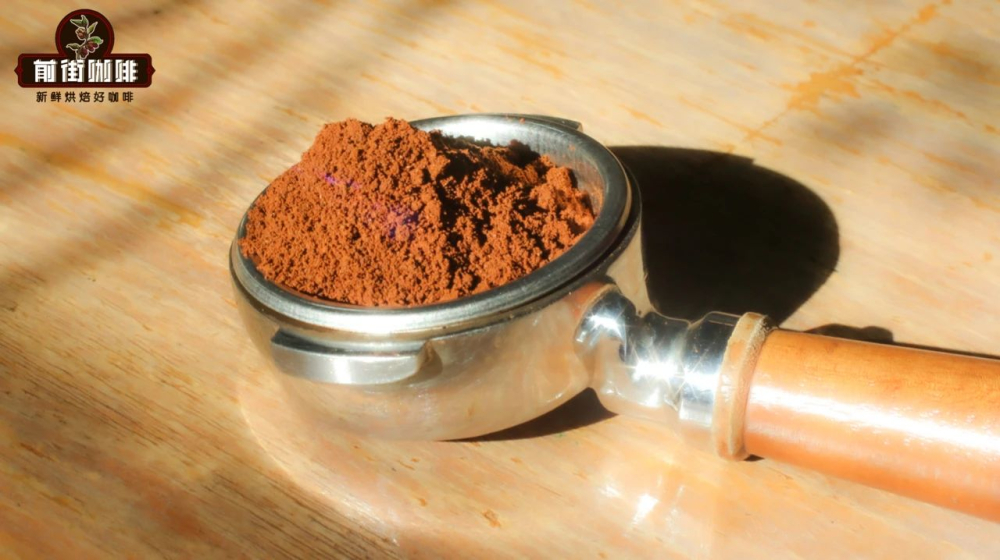
Yield is usually tied to dose. For example, a 1:2 brew ratio means 20 grams of coffee yields 40 grams of liquid. Here are a few examples:
15 grams coffee: 37 grams yield = 1:2.5 17.5 grams coffee: 47.5 grams yield = 1:2.7 22 grams coffee: 44 grams yield = 1:2
When the dose is fixed, the larger the yield, the more diluted the espresso becomes, and the weaker and thinner the flavor; conversely, the smaller the yield, the higher the concentration, and the more intense and rich the flavor.
It's recommended to start your recipe from a 1:2 ratio. Because at 1:2, most espressos still maintain a pleasing intensity—rich but not harsh—and subtle differences can still be tasted. 1:1.5 may be too intense, masking some of the good flavors. For certain beans, going to 1:2.5 is fine too—the intensity drops a bit, but the flavor actually becomes clearer and more complete.
Front Street Coffee's advice is: when making an espresso recipe, try at least a few different extraction times first before considering changing the 1:2 ratio. If after trying different times, 1:2 still doesn't give you a satisfactory result, then you can try changing the ratio.
Extraction time: timed from the moment you press the extraction button until the yield target is reached, measured in seconds.
Most institutions and books hold that espresso extraction time should be between 20 and 30 seconds. The darker the roast, the shorter the time; the lighter the roast, the longer the time. The reason is that dark-roasted beans have lower density and light-roasted beans have higher density, and lower-density beans give up their flavors more easily. So for darker roasts, aim for 20–25 seconds, and for lighter roasts, aim for 25–30 seconds. Every bean has a time "sweet spot," and what the barista needs to do is find it by adjusting the grind setting.
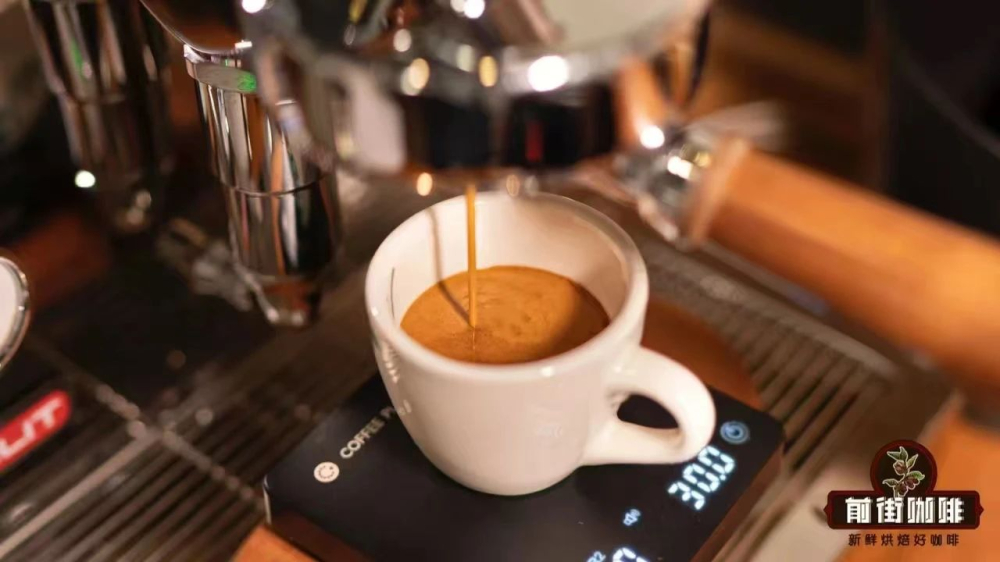
The simplest approach is: first find the time point where the coffee starts to taste bitter, then back off to the last non-bitter time. Take Front Street Coffee's Sunflower Warm Sun blend coffee beans as an example:
25 seconds = too sour, hollow taste, short aftertaste; 27 seconds = bright acidity, more flavors, quite good; 29 seconds = pleasant acidity, more sweetness, balanced flavors and long aftertaste; 31 seconds = sweet and bitter notes.
In the above case, we can choose 27 seconds or 29 seconds and stop experimenting. But if you want to know whether you can extract more sweetness, then keep trying. At 31 seconds it starts to turn bitter, meaning it's already over-extracted, so back off to 29 seconds—that's the optimal extraction time for this bean.
Temperature: the temperature of the water used for extraction, measured in degrees Celsius.
Temperature shouldn't be at the top of your parameter-adjustment list, but if your espresso just can't reach its best state no matter what, then it's absolutely worth considering. The higher the water temperature, the easier and faster the extraction.
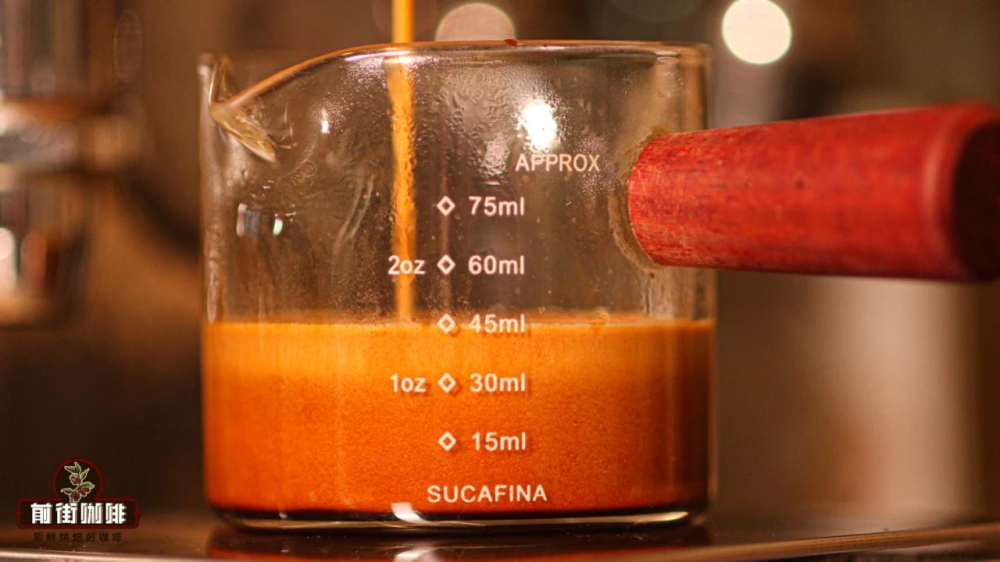
If you feel you can't extract enough flavor within 30 seconds (especially with light-roasted beans), raising the water temperature may be a wise choice. That's because espresso almost always develops channeling near the end of the brew—after flavor compounds are extracted, the puck becomes looser and the flow rate increases. If you haven't extracted enough flavor compounds before channeling appears, the espresso will be under-extracted. Finding a way to raise the water temperature before extraction begins can increase the extraction rate, thereby raising the overall extraction yield.
Pressure profiling: extracting espresso requires pressure. Pressure profiling means that at different stages of extraction, the pressure used is not the same, measured in bar.
To set a pressure curve, only certain specific machine models have this feature, such as Synesso, Modbar, or Slayer. Pressure can increase extraction yield, so for lighter-roasted beans, you can use lower pressure in the early stage of extraction (increasing in the middle stage and decreasing again in the final stage), which can extract less acidity. Using low pressure in the early stage can also reduce channeling, thereby achieving a higher extraction yield.
Even extraction: avoiding pitting and channeling
Even extraction means letting hot water pass evenly through the coffee puck, without any part being over-extracted or under-extracted. This should be the barista's ultimate goal.
As long as you pay attention to the points above, understand them, and practice, I believe you too can extract a satisfying cup of espresso.
For more specialty coffee beans, please add private WeChat Front Street Coffee (FrontStreet Coffee), WeChat ID: kaixinguoguo0925
The above content is compiled by CoffeeHunters, a coffee news website.


