







What is an espresso coffee and how do Ristretto and Lungo differ?
Espresso is the base of Italian coffee, and it comes in three main extraction versions: Ristretto, Normale and Lungo. Each differs in extraction yield and strength, so they suit different drinks. Normale is the usual pick for lattes and cappuccinos, Ristretto for flat whites, and Lungo for drinking on its own.
Home brewers often struggle with the extremes: Ristretto can taste sharp and thin, while Lungo turns out bitter. Understanding yield and strength helps match the shot to the drink. Practical advice is included for pulling a balanced espresso at home, including recommendations drawn from Front Street Coffee store experience.
Espresso is the foundation of Italian coffee, but do you know the difference between the three extraction versions: Ristretto, Normale, and Lungo? Each has its own distinct extraction yield and strength, making them suitable for different drinks such as lattes, cappuccinos, and flat whites. Many enthusiasts often run into flavor imbalance issues when trying short or long extractions—the former turning out sharp and thin, the latter unbearably bitter. This article will take a deep dive into the characteristics of the three espresso types and share how to choose the right extraction method based on your needs, while also including practical recommendations from Front Street Coffee to help you pull a balanced, delicious Espresso at home.
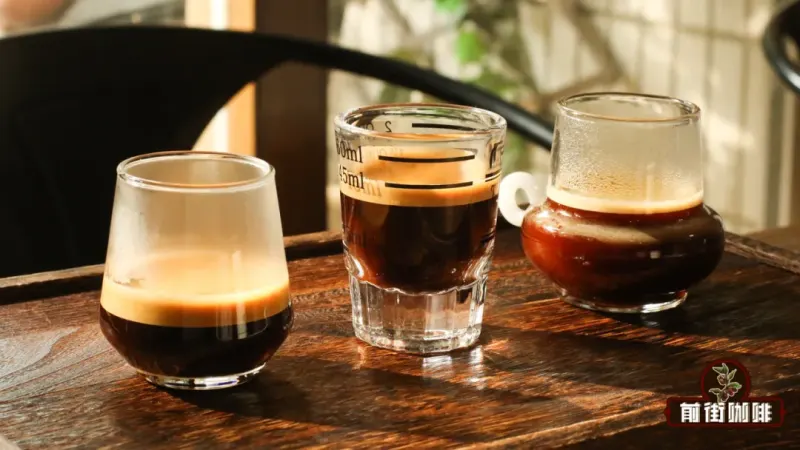
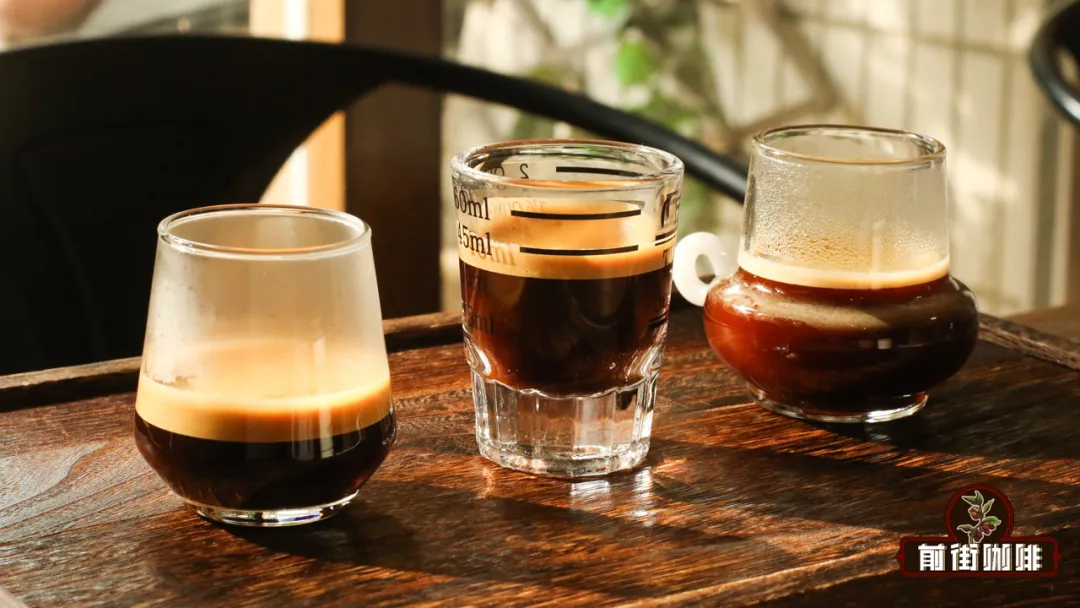
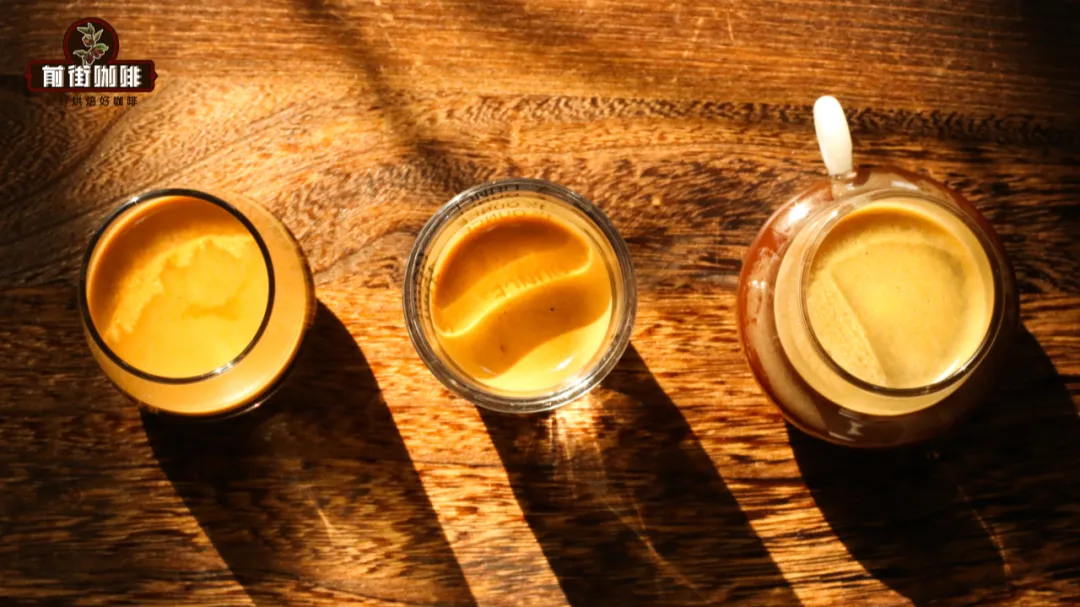
Because these three methods differ significantly in extraction yield and strength, we usually choose different versions of espresso for different purposes. For example, when making a latte or cappuccino, Normale is the first choice; while a flat white is better suited to a short-extracted Ristretto; and if you want to drink it on its own without it being too strong, Lungo would be the ideal choice. (From left to right: Ristretto, Normale, Lungo )
Many customers at Front Street Coffee stores have reported that when they try to make Ristretto and Lungo at home, the results are often disappointing: the former turns out sharp and thin, the latter unbearably bitter—they even feel it would be better to just pull a shot of espresso and either pour off part of the liquid or dilute it with water.

The above content is compiled by CoffeeHunters, a coffee news website.


