







Search Results for: Santa Vini Washing Station

A Complete Guide to Ethiopia Sidamo Santa Vini Processing Station: Variety 74158 and 96-Hour Anaerobic Natural Flavor
Sidamo, as a high-altitude coffee-producing region in southern Ethiopia, nurtures layered and complex coffee flavors thanks to its intricate terrain and microclimates. This article focuses on the Santaverney processing station under DWD Company, outlining its geographical background, the harvesting standards of the Red Cherry Project, the 96-hour anaerobic natural processing method, and an in-depth exploration of the origins and rise to fame of the 74158 variety. This fully red-ripe anaerobic natural bean recommended by Front Street Coffee presents a captivating combination of citrus, pineapple, guava, and a red wine finish, taking you to discover the unique charm of Sidamo coffee. [more…]
Ethiopia Sidamo Shantawene Natural Coffee Flavor Analysis: Variety 74158 and 96-Hour Anaerobic Processing
The Santa Vini processing station is located in the high-altitude zone of Ethiopia's Sidama region, known for whole-ripe-cherry picking and a 96-hour anaerobic natural process. Its 74158 variety coffee beans present rich layers of citrus, pineapple, guava, and a red wine finish. This Sidama Santa Vini, newly listed by Front Street Coffee, comes from a high-altitude processing station under the DWD company, at an elevation of 2,050 meters, Grade G1. This article will sort through the historical and geographical background of the Sidama region, the origins of the Red Cherry Project, the refined fermentation process of the Santa Vini processing station, and the breeding history of the disease-resistant variety 74158, helping readers fully understand the flavor causes and origin story of this coffee. [more…]
Exploring Ethiopia's Santawini Processing Station: Flavor and Craft Analysis of Red Cherry Washed Coffee Beans
Santa Vini processing station is located in the Sidama region of Ethiopia. Since its establishment in 2004, it has become one of the representative processing plants under DWD Company, thanks to its high altitude and meticulous washed processing. This batch of Front Street washed Sidama comes precisely from here, using fully red cherries picked in the mid-to-late harvest season, undergoing nighttime fermentation and African raised-bed drying, presenting lemon sweetness, floral notes, and a peach juice-like quality. This article will guide you through the geographical background of this processing station, harvesting standards, washed process, and the unique flavor profile of this coffee. [more…]
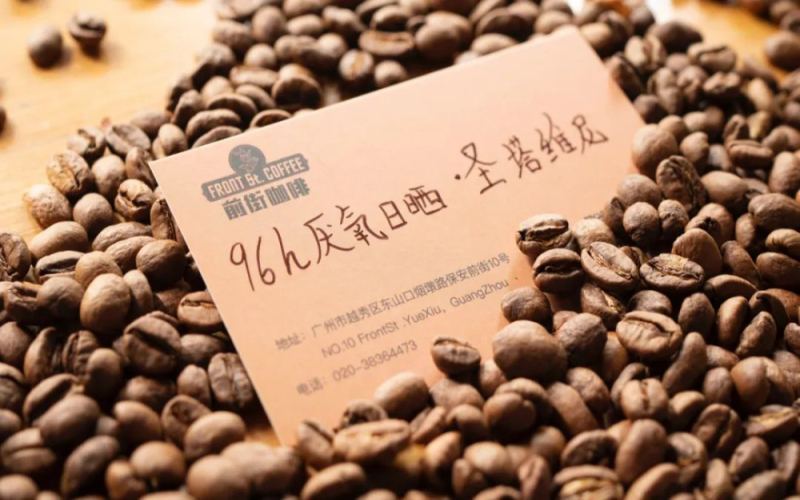
Front Street Coffee Explains Ethiopia Sidamo Santa Vini 74158: A Flavor Analysis of Fully Ripe Cherry 96-Hour Anaerobic Natural
In the landscape of Ethiopian specialty coffee, the Sidamo region has always held a unique position. The 74158 variety produced by the Santa Vini processing station, with whole red cherry harvesting combined with 96-hour anaerobic natural processing, delivers a highly distinctive flavor profile. This bean not only reaches G1 grade, but also matures slowly at a high altitude of 2,050 meters, giving it rich and clearly layered flavors. Front Street Coffee's Sidamo Santa Vini this time presents bright fruit notes of citrus, pineapple, and guava, accompanied by a long red wine finish. This article will analyze the unique qualities of this coffee bean one by one, from origin information and processing methods to flavor characteristics, providing coffee lovers with a complete tasting reference. [more…]
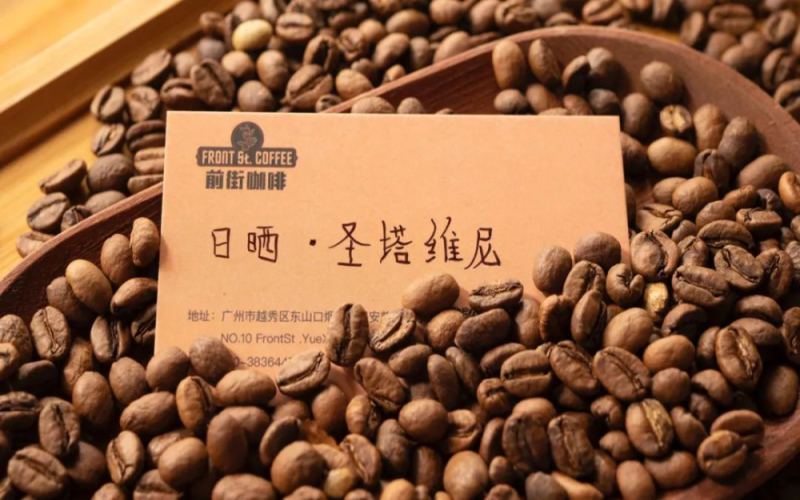
Ethiopia Sidamo Shantawene 74158 Coffee Beans: Full Red Cherry Natural Processing and Flavor Analysis
This article will take you deep into the 74158 coffee beans from the Santa Vini processing station in Ethiopia's Sidama region. These beans are whole red cherry sun-dried, grown at an altitude of 2,050 meters, Grade G1, with flavors that present rich layers of pineapple, mango, blueberry, and sweet orange. We will also introduce the DWD company behind them—an Ethiopian enterprise with both processing and export capabilities—and share Front Street Coffee's brewing recommendations for these beans, including a V60 dripper, 92°C water temperature, and other parameters, helping you recreate their captivating flavors at home. [more…]
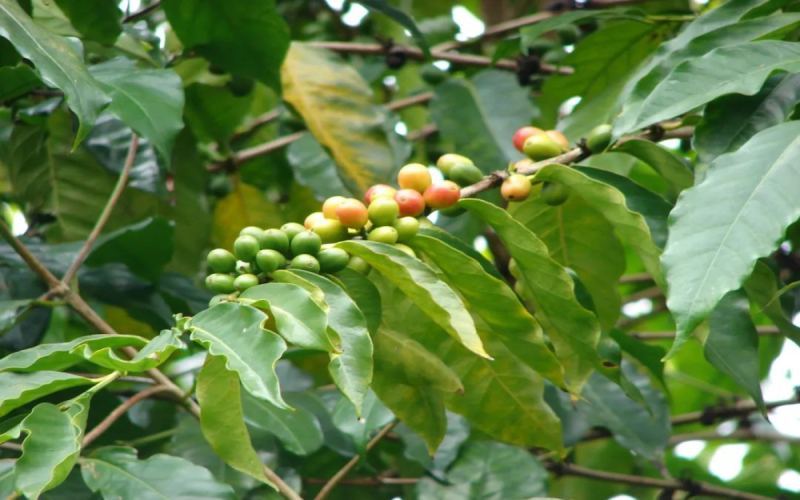
Exploring Ethiopia Sidamo: A Comprehensive Analysis of the Santavini Processing Plant 74158 Coffee Beans
Ethiopia, as the birthplace of coffee, boasts a rich variety of native heirloom varieties and unique natural conditions. The Sidama region, with its high altitude, fertile volcanic soil, and abundant rainfall, has become synonymous with high-quality coffee. The Santa Vini processing station, a high-altitude processing facility under DWD Company, processes the 74158 variety using a 96-hour anaerobic natural method, presenting tropical fruit flavors such as pineapple and citrus along with a full-bodied mouthfeel. Front Street Coffee has selected this bean and brews it using a V60, a 1:15 coffee-to-water ratio, and 92°C water temperature, delivering fermented wine aromas and a sweet red wine aftertaste that coffee enthusiasts will savor. [more…]
Sidamo Peach Santa Veni G1 Pour-Over and Cold Brew Parameters Explained: What Is the Flavor of the Red Cherry Project Like?
Ethiopia's harvest this year was delayed by about a month overall due to excessive rain, and it wasn't until the end of May that the first lot arrived—the Red Cherry Project. However, the later ripening period also allowed the coffee cherries to accumulate higher sweetness, and the flavor performance of the new harvest is richer than in previous years. This article focuses on the Sidamo Peach Santa Vini G1 launched by Front Street Coffee, covering everything from origin information and processing methods to specific pour-over and cold brew parameters, helping coffee enthusiasts reliably reproduce this bean's apricot, dark grape, and monthly rose aromas at home. [more…]
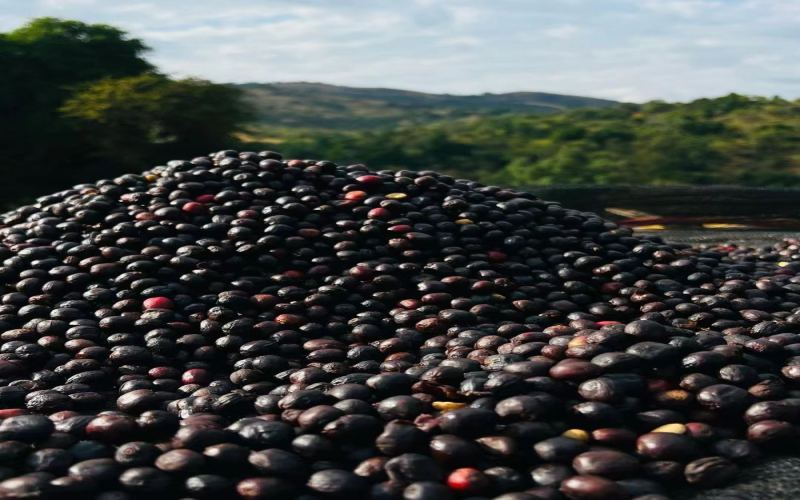
A Complete Analysis of Ethiopian Coffee Varieties: From the Native Heirloom to the Origins of the 74/75 Numerical Lines
As the birthplace of coffee, Ethiopia has a variety system far more complex than we might imagine. What exactly does the commonly seen Heirloom native variety mean on the market? What do the numerical codes such as 74110 and 74158 that have frequently appeared on packaging in recent years represent? This article will sort out the three cultivation models of Ethiopian coffee, trace the historical context of the JARC disease-resistant breeding program in the 1970s, explain the naming logic of the 74/75 series lines, and introduce the progress in identifying and naming Landrace local varieties. At the same time, by combining specific products such as Front Street Coffee's Kafa Forest washed lot and Sidamo Santaverney 74158, it will help readers build a complete understanding of Ethiopia's variety system. [more…]
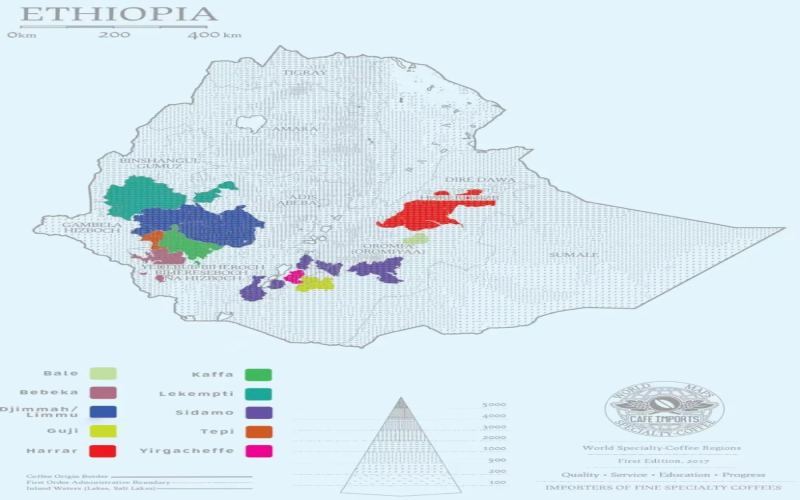
Exploring Ethiopia's Sidama Region: An Analysis of the Santavini Processing Station and the 74158 Numeric Variety Coffee
Ethiopia, as the birthplace of coffee, is home to more than ten thousand incompletely identified Arabica varieties, and the Sidamo region is one of the most representative star origins among them. Starting from the geographical and cultural background of Sidamo, this article traces the evolution of its name and its terroir advantages, focusing on the unique microclimate of the Santa Vini processing station and its 96-hour anaerobic natural process, while offering an in-depth interpretation of 74158 within the JARC digital variety system. At the same time, drawing on Front Street Coffee's example of bean selection, it presents the complete picture of this Sidamo Santa Vini coffee bean from origin to processing method, taking you to appreciate the diverse charm of African specialty coffee. [more…]
A Complete Guide to Ethiopian Coffee Regions: Flavor Profiles and Coffee-Growing Culture from Yirgacheffe to Sidamo
Ethiopia, as the birthplace of coffee, has been supplying the world with the finest single-origin coffee for centuries. Its unique highland climate, smallholder farming model, and long-standing coffee ceremony culture together shape the complex and ever-changing flavor profile of Ethiopian coffee. From the bright citrus-and-floral Yirgacheffe to the full-bodied, long-lasting sweetness of Sidamo, each producing region has its own irreplaceable character. This article will guide you through an in-depth understanding of the cultural origins of Ethiopian coffee, its cultivation methods, the terroir characteristics of two representative specialty regions, and the brewing parameters for Front Street Coffee's recommended Sidamo Santa Vini 74158 coffee beans, providing coffee lovers with a complete guide to Ethiopian coffee. [more…]
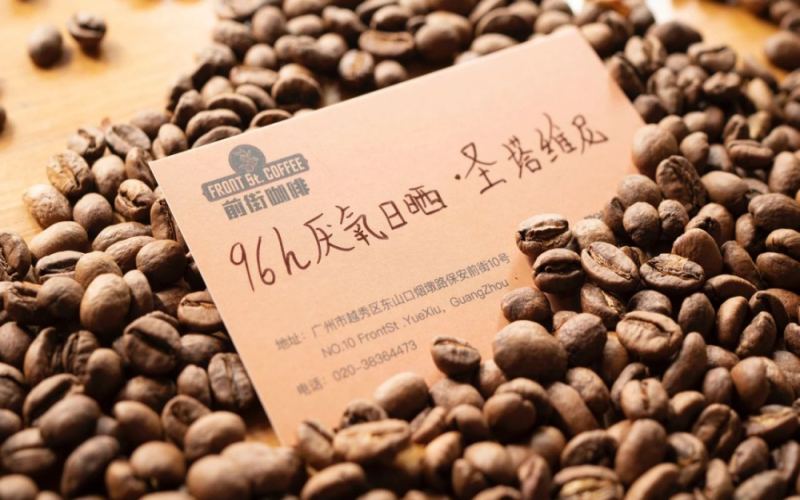
Coffee Bean 74 Series | What Are Ethiopian Coffee Varieties 74110 and 74158? Introduction to Sidamo Santa Vini Coffee Flavor, Mouthfeel, and Pour-Over Brewing Parameters
(Top left) Among the thousands of different coffee varieties, it's inevitable that some beans have rather unusual names! Unlike most beans such as Bourbon and Typica, which have conventional names, these are like secret agents, each with their own code number. For example, varieties named with letters plus numbers. [more…]

How Anaerobic Fermentation Reshapes the Coffee Flavor Landscape: From WBC Championship to Santa Viny 96-Hour Natural
In recent years, the coffee consumer market has continued to expand, and various novel green bean processing methods have emerged one after another. The industry habitually refers to them collectively as special processing methods. These techniques give coffee a more diverse and distinctly individual flavor expression, and also bring richer layers of mouthfeel, thus winning the favor of a large number of enthusiasts. At present, the more mainstream special processing methods include anaerobic washed or natural, enzyme washed, lactic acid fermentation, and barrel-aged processing, among others. Among them, anaerobic fermentation has especially high exposure. This trend can be traced back to 2015, when the WBC World Barista Championship winner that year, Sasa Sestic from Australia, brought anaerobic fermentation processing into the public eye, and discussions around the fermented feel of coffee have not ceased to this day. This article will sort out the development of anaerobic processing, analyze the specific process of anaerobic natural, and introduce anaerobic-processed coffee beans such as Santa Vini currently sold by Front Street. [more…]
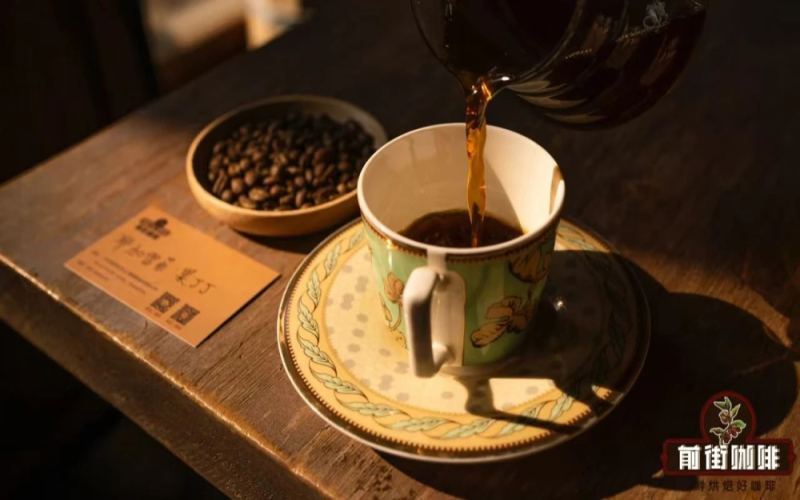
What is the charm of Ethiopian Sidamo sun-dried coffee? A full analysis of the characteristics of the sun-dried processing method and brewing parameters
Sidamo is one of Ethiopia's most representative specialty coffee regions, known primarily for its natural processing, with intense flavors, pronounced sweetness, and notes of fermented aroma and juicy fruitiness. This article begins with Sidamo's terroir, variety characteristics, and the differences between natural and washed processing methods, then traces the origins and development of well-known coffees such as Huakui and Santa Viniy, and shares the pour-over parameters and flavor profile of Front Street Coffee's Sidamo natural beans, helping coffee enthusiasts gain a comprehensive understanding of this region's unique charm. [more…]
Ethiopian Yirgacheffe Coffee Bean Brand Recommendations: Origin Flavors, Taste Characteristics, and an Introduction to Santavini Red Cherry Washed
Yirgacheffe is one of the most iconic specialty coffee regions in Ethiopia, known for its bright acidity, floral aromas, and citrus notes. This article will start from the regional background of Yirgacheffe, its cooperative system, altitude, and processing methods, to sort out the reasons behind its delicate flavor formation, and introduce the origin information and flavor characteristics of Front Street Coffee's Ethiopian Santaverney Processing Station Red Cherry Washed Specialty Coffee, helping coffee enthusiasts gain a more comprehensive understanding of this classic region. [more…]
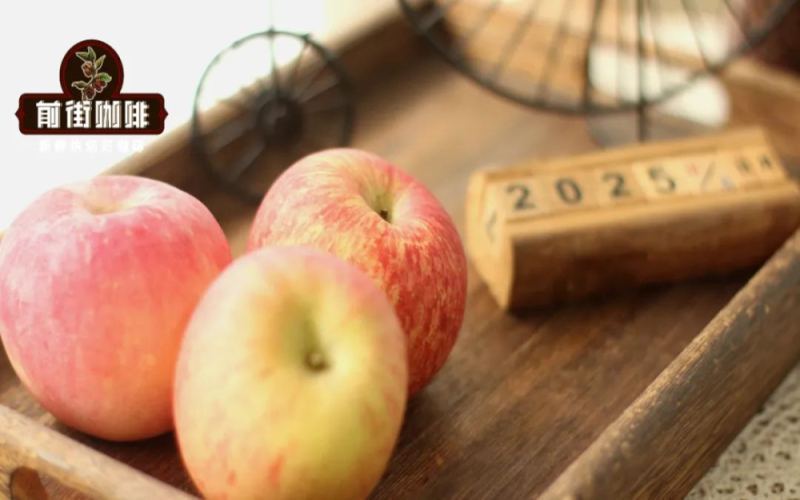
Apple Sailor Pour-Over Coffee Practical Guide: Complete Parameters and Flavor Comparison from Bean Selection to Four-Pour Technique
Using apple-infused water instead of regular drinking water to brew coffee has recently attracted considerable attention in the coffee community. Front Street Coffee conducted multiple rounds of hands-on testing on this, breaking down the feasibility and flavor performance of this approach step by step—from bean selection and apple water boiling time to pouring technique. This article provides a complete record of Front Street's brewing process and tasting results using three beans: Sidamo Santa Vini, washed Yirgacheffe, and Panama Geisha, along with a comparison against versions brewed with Nongfu Spring water, analyzing the effect of apple water's mild acidity on coffee flavor extraction, offering coffee enthusiasts a reproducible operational reference. [more…]
An In-Depth Analysis of Ethiopian Coffee: From Origin Legends to the Two Specialty Regions of Yirgacheffe and Sidamo
Ethiopia is widely recognized as the cradle of specialty coffee, and for centuries it has consistently supplied the world with single-origin coffee beans of outstanding quality. Coffee from this land captivates countless palates with its layered flavors, bright acidity, and delicate floral aromas. What exactly makes Ethiopian coffee so highly regarded? From the shepherd Kaldi's accidental discovery to the Jebena clay pot brewing ritual passed down to this day; from the innovation of Yirgacheffe washed processing to the rich expression of Sidamo natural processing—this article will guide you through the cultural roots, cultivation models, and the unique charm of two representative specialty regions of Ethiopian coffee, along with Front Street Coffee's brewing suggestions for reference. [more…]
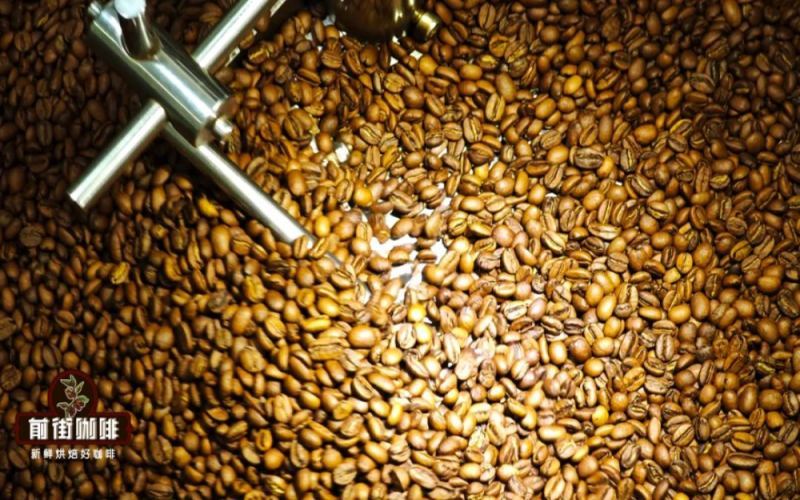
How long does it take to roast green coffee beans? A complete experiment of roasting coffee at home with a frying pan without a roaster
How long does it actually take for green coffee beans to go from hitting the pan to being roasted? In order to hear the sound of "first crack" with his own ears, Front Street Coffee deliberately conducted three rounds of home-roasting experiments using a frying pan and an open flame on a stove, testing the performance of naturally processed Santa Vini and washed Kafa Forest under different heat levels. The article records the time points for each batch of beans' color change, silver skin shedding, and the appearance of cracking sounds, as well as the final cupping flavor differences, while also sharing practical experience on how to judge heat level and the timing for taking the beans out when there is no professional coffee roaster. [more…]
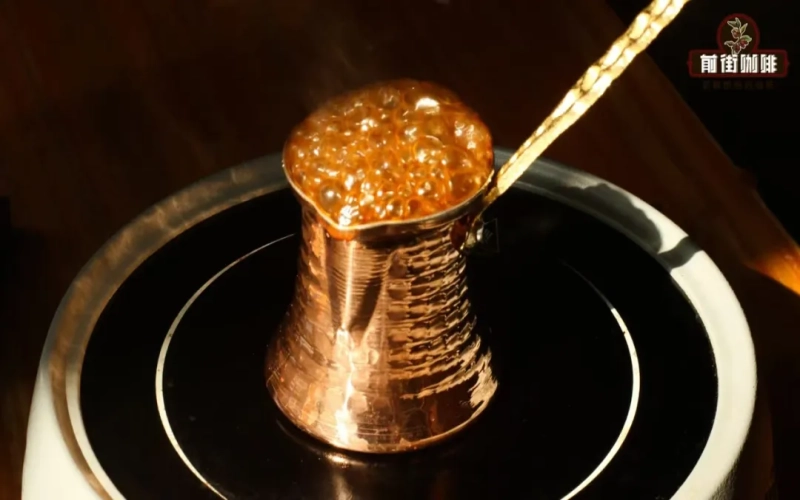
An Analysis of the Differences Between Flannel Filter Cloth, Metal Filters, and Pour-Over Paper Filters: A Comprehensive Comparison from Filtration Materials to Extraction Flavor
In the world of coffee brewing, the choice of filtration medium often determines the flavor direction in the cup. From Turkish coffee, which was mainly boiled before the 19th century, to the filter paper and dripper invented by Mrs. Melitta, to the artisanal use of flannel cloth in Japan, each filtration method carries a different extraction logic. Today, the filter paper, flannel cloth, and metal mesh commonly used in pour-over coffee each have their strengths and weaknesses: filter paper brings a clean and transparent mouthfeel, flannel retains oils and fine particles, achieving a rich and mellow flavor, while metal mesh poses new challenges in terms of pore size and extraction method. Front Street Coffee uses Ethiopian Santa Vini beans for comparative brewing, and by adjusting the pouring technique, reveals the causes of under-extraction with metal mesh and directions for improvement, providing a practical brewing reference for coffee enthusiasts. [more…]
Kasuya Tetsu's 4:6 Brewing Method Explained: Why Five-Pour Brewing Consistently Produces Balanced Pour-Over Coffee
Some works often outshine their creators, like the Mona Lisa for Da Vinci, or the 4:6 method for Tetsu Kasuya. The core goal of this method, invented by the 2016 World Brewers Cup champion, is simple—to let anyone brew delicious coffee. It breaks a brew into five pours, each using three times the coffee dose in water, with the first two pours making up 40% of the total water to determine the sweet-and-sour direction, and the last three pours making up 60% to shape a rich, full-bodied mouthfeel. This article will fully break down the segmentation logic of the 4:6 method, the origin of the 45-second pouring interval, and conduct a real test using Front Street Coffee's Ethiopia Santa Vini beans to verify why this formula has an extremely high margin for error, and how to move beyond the formula and grasp its extraction philosophy. [more…]

Full Guide to Making Coffee Combos: Bean Selection Strategy, Espresso Extraction Parameters, and Milk-to-Water Ratio Guide
Coffee combos have become increasingly popular in specialty coffee shops in recent years. The approach involves splitting a single espresso shot into two or three portions, each paired with water or milk, showcasing the flavor differences of the same bean across multiple brewing formats. This style of service places higher demands on baristas: they must not only select beans that work well for both black coffee and milk coffee, but also recalibrate the espresso extraction recipe and the ratios of coffee to milk and water. Drawing on Front Street's hands-on experience, this article addresses core questions one by one—the logic behind selecting beans for combos, the direction for adjusting extraction parameters, and the respective water and milk ratios for Americanos and lattes—and includes a complete workflow with parameters using the Santa Vini anaerobic natural bean as an example, providing coffee enthusiasts with a reusable reference for making combos. [more…]