







Mastering Coffee Combos: A Practical Guide for Coffee Enthusiasts
Coffee combos have gained traction in specialty coffee shops, where a single espresso shot is split into portions and paired with water or milk. This service style demands careful bean selection and extraction adjustments. Baristas must choose beans that shine both as black coffee and with milk, then redesign the espresso recipe and ratios. This guide draws on Front Street's experience to cover bean logic, extraction parameters, and Americano and latte ratios, with a complete workflow using a Santa Vini anaerobic natural bean.
For coffee enthusiasts, a combo offers a way to explore one bean's range in a single order. The barista's challenge is balancing the bean's character across different preparations. Not every bean works well; a light-roasted, clean-profile bean might make a bright Americano but could get lost in milk. The key is to test and adjust, using the espresso as a foundation. With practice, you can create a combo that highlights the bean's reliable qualities in every cup.
Coffee combos have become increasingly popular in specialty coffee shops in recent years. The approach is to split a single shot of espresso into two or three portions, pairing each with water or milk, showcasing the flavor differences of the same bean under various brewing forms. This style of service places higher demands on baristas: they must select beans that work well for both black coffee and milk coffee, and also redesign the espresso extraction plan as well as the ratios of coffee to milk and water. This article draws on Front Street's hands-on experience, covering the core issues one by one—the logic for selecting combo beans, the direction for adjusting extraction parameters, and the respective water and milk ratios for Americano and latte—and includes a complete workflow and parameters using the Santa Vini anaerobic natural bean as an example, providing coffee enthusiasts with a reusable reference for making combos.
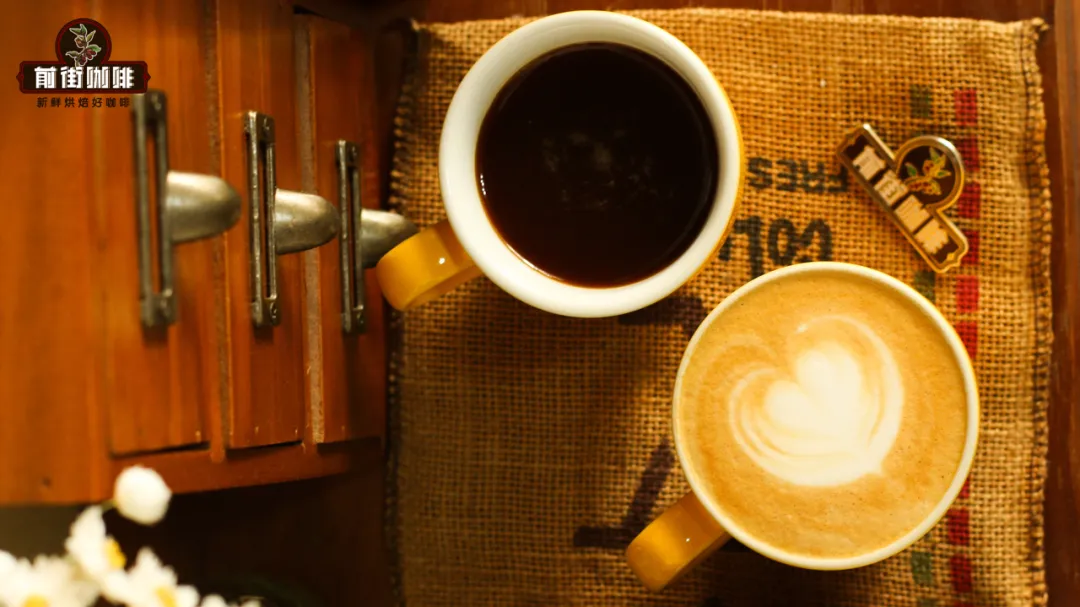
Coffee combo (hereafter referred to as combo) is a style of service that has become quite popular in cafés in recent years. Its core idea is to divide the extracted espresso into two or three portions, then combine each with different ingredients, ultimately presenting them as a set so that customers can experience the different facets of the same bean under multiple "interpretations" within one group of drinks.
However, precisely because of this, making a combo places considerable technical demands on the barista. To make the final product both highlight the bean's own character and ensure it tastes good, the barista must not only screen for suitable bean varieties but also replan the espresso extraction scheme and repeatedly fine-tune the ratios between the coffee liquid and milk or water.
As a result, Front Street's inbox frequently receives questions like these: what beans to choose for a combo, how to extract the espresso, and what ratios of coffee to milk or water to set. Today, Front Street will systematically share how to craft a delicious coffee combo. We'll first discuss several key points in the process, then demonstrate a complete workflow.
What beans should be used for a combo?
Currently, most cafés use a "one black, one white" combination for their combos—that is, one Americano plus one latte—so when selecting beans, both directions must be taken into account. Finding suitable beans is not easy, because every bean has its own distinct characteristics and may not excel in all preparations.
For example, if you pick a very light-roasted bean with a very clean flavor profile, the Americano it produces may be quite tasty, clean, and bright, but because its flavor intensity is insufficient, it may taste flat as a latte. Conversely, some very dark-roasted beans produce a rich, full-bodied latte with abundant aroma, but fall short when used for an Americano.
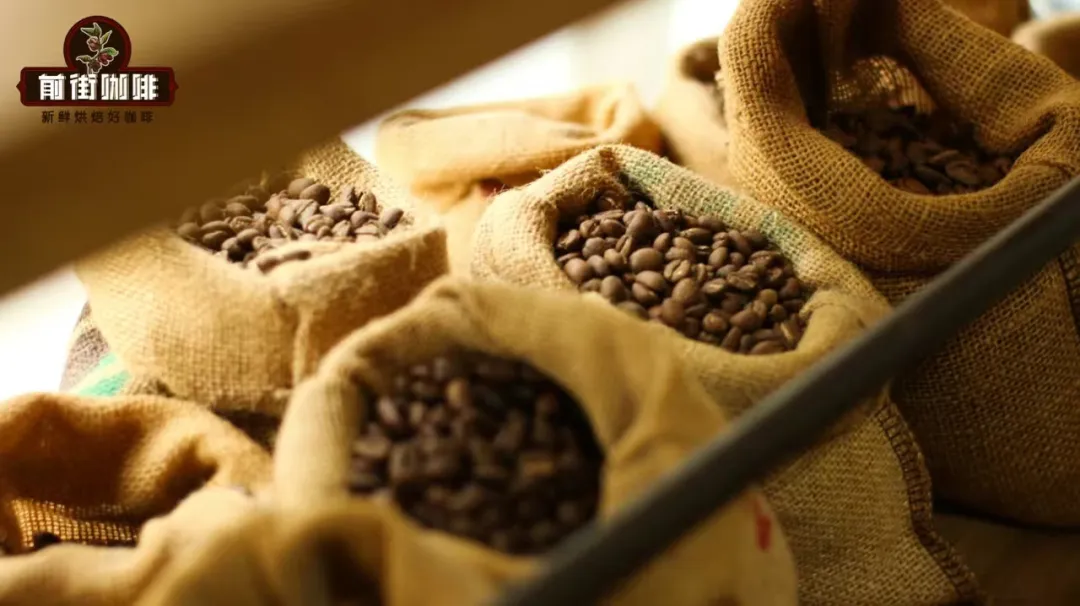
Therefore, when selecting beans, try to find one that performs relatively comprehensively and in a balanced, harmonious way, so that it can handle both Americano and latte well. When making one-bean-two-drinks or one-bean-three-drinks, the top choices are Front Street Xizhua SOE, Front Street Daduqi SOE, Front Street Strawberry Candy, Front Street Mozart SOE, and Front Street Granada Geisha SOE. These are all medium-roasted and carry abundant floral and fruity aromas, even the fermented notes of ripe fruit, and can be presented well across different preparations.
How should the espresso for a combo be extracted?
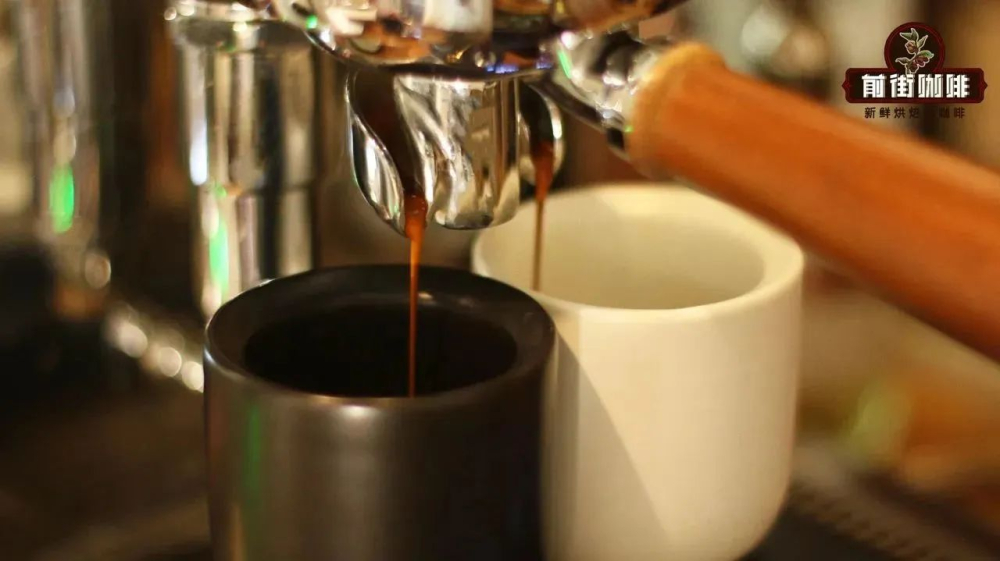
Once the beans are chosen, the next issue is espresso extraction. Since the extracted espresso needs to be split into two or more portions to make drinks, it is recommended to use a slightly larger dose than usual to ensure that each finished cup is not too small (unless you normally extract with a large dose anyway).
There are many possible extraction routes. If you want a larger finished cup volume, extract the espresso at a conventional ratio. For example, use 22g of grounds and extract at a conventional 1:2 ratio to get 44ml of coffee liquid.
If you want a coffee that is small in volume and concentrated in flavor, you can adopt a ristretto-style extraction strategy: take only 70%–80% of the original liquid weight, and the concentration rises accordingly. But note that you cannot use the original grind setting for this method—you need to grind finer.
How much water and milk should be added respectively?
After the espresso is extracted, divide it into two portions (or simply use a split spout portafilter to skip this step), then add a certain amount of water and milk respectively to make an Americano and a latte. The most critical part here is the ratio.
Normally, when making an Americano or latte, the base is mostly a medium-dark or dark roast espresso, so more water and milk are needed to dilute the bitterness. When switching to beans with relatively milder flavor intensity, you can appropriately reduce the amount added, so that too much water or milk does not dilute the coffee's strength and flavor excessively.
Hands-on practice
The above are the several aspects to note when making a combo. Next, Front Street will share the parameters and workflow used when making its own combo.
Since the Warm Sun blend has appeared too many times, this time Front Street switched to a single-origin bean, namely the anaerobic natural Santa Vini. After all, quite a lot of coffee shops use it for combo service. The extraction parameters are as follows: dose 22g, coffee-to-liquid ratio 1:1.2, extraction time 36s.
Prepare two 120ml coffee cups in advance.
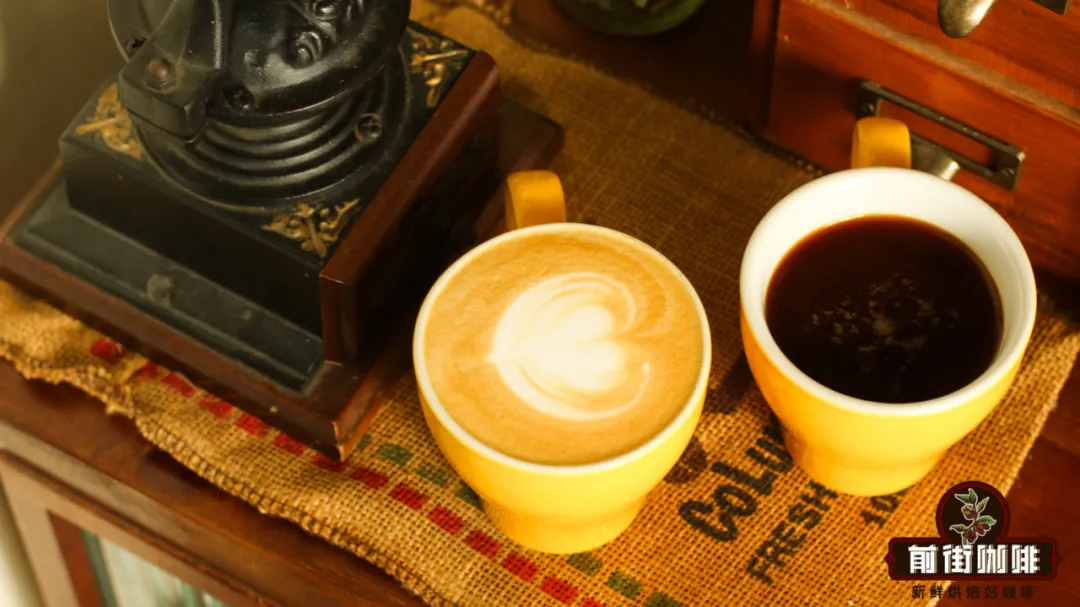
Here at Front Street, we did not use a split spout portafilter to divide the shot; instead, we extracted first and then divided it ourselves. When doing it yourself, it's best to use a split spout portafilter—it will be much more convenient.
Because one cup is a hot milk coffee, while extracting the espresso, Front Street also steamed the milk. The ratio used was 1:4, i.e., 22ml espresso with 90ml milk, milk temperature 65°C. Oh right, the Americano ratio is 1:3.5, i.e., 22ml espresso with 80ml of 70°C hot water. Once steaming is done, you can start pouring latte art.
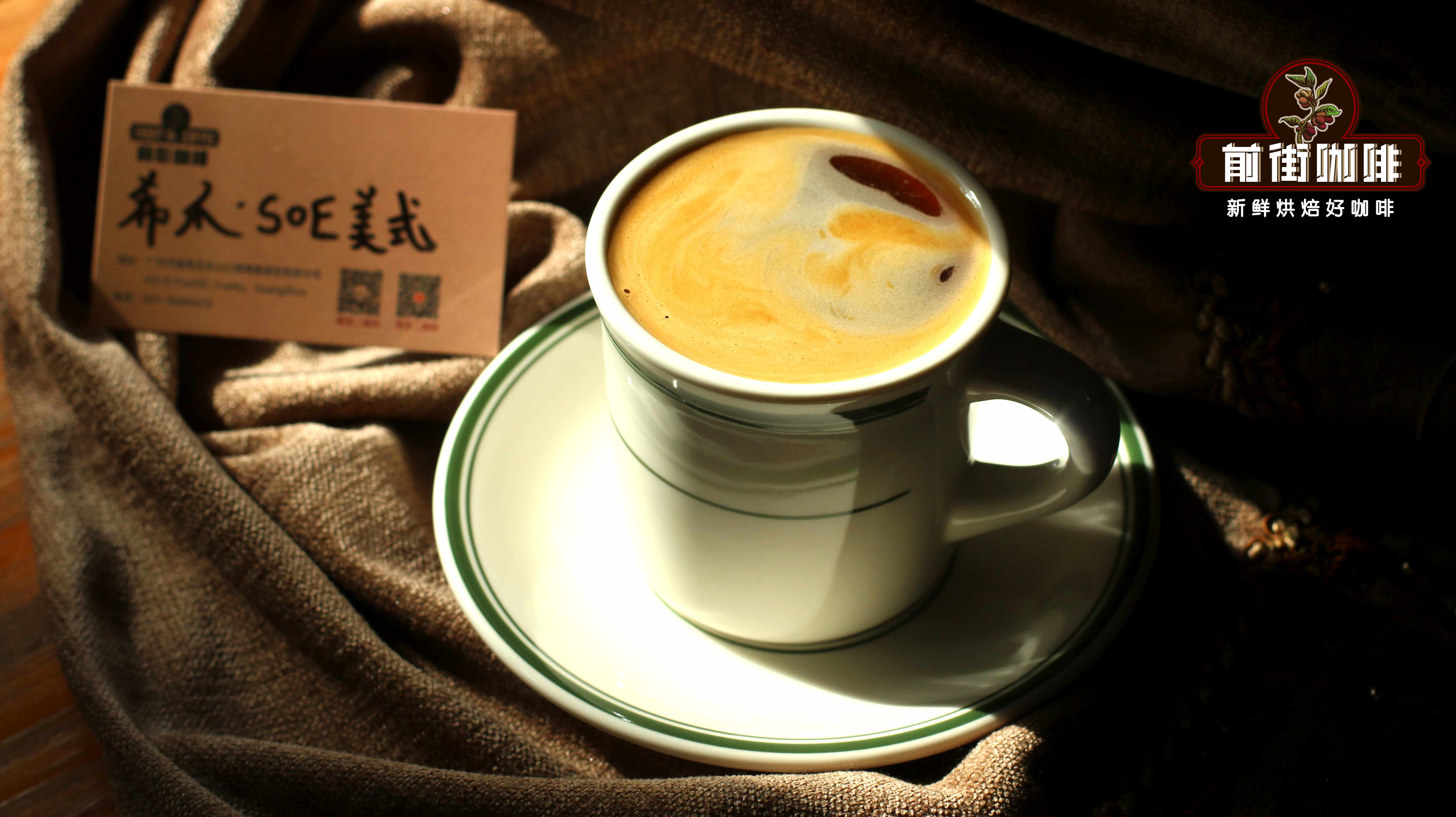
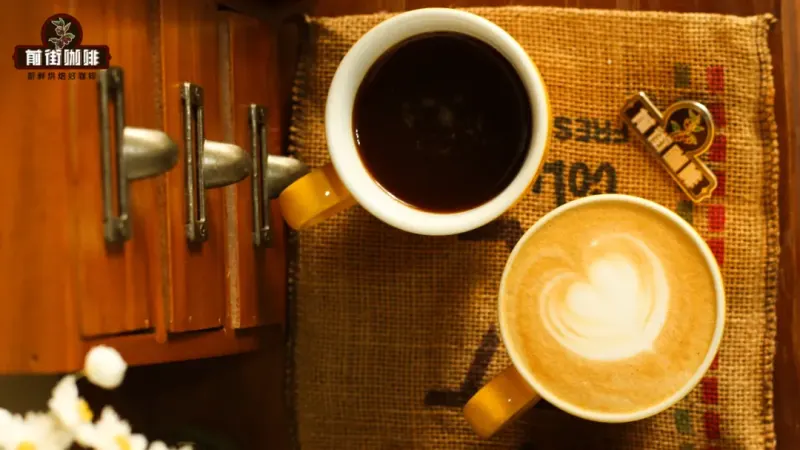
Once the water is poured and the latte art is finished, you can plate the two cups and move on to the tasting stage. Front Street recommends starting with the relatively lighter-tasting Americano when drinking a combo (everyone knows why). Santa Vini truly did not disappoint: the Americano has high sweetness, with aromas of citrus, pineapple, and a touch of red wine; the latte performs equally well, with a balanced mouthfeel and clearly perceptible aromas of mango and red wine—quite excellent.
- END -
The above content is compiled by CoffeeHunters, a coffee news website.


