







(Top left corner)
Among the thousands of different coffee bean varieties, it's inevitable that some beans have rather unusual names! They don't have conventional names like Bourbon or Typica; instead, like secret agents, they have their own code numbers.
For example, varieties named with letters and numbers include Kenya's SL28 and SL34, or Costa Rica's H1 and F1. But when it comes to varieties named entirely with numbers, the first thing that comes to mind is undoubtedly Ethiopia's number series starting with 7! So here's the question—what do these numbers actually represent?
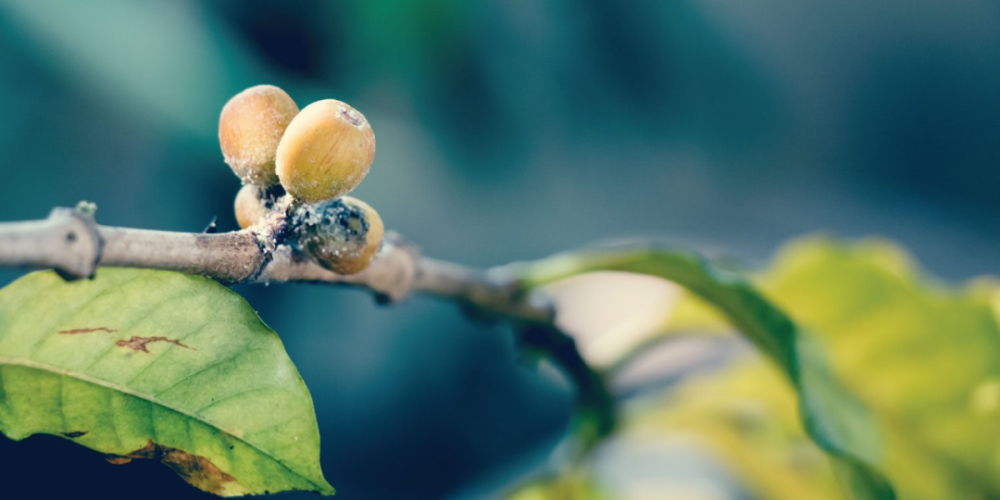
Once a coffee tree is infected, it causes huge losses for coffee farmers! So farmers began using chemical agents to prevent and combat these diseases. Although somewhat effective, it was still just spraying pesticides—treating the symptoms, not the root cause. Therefore, people began a replanting program! That is, to find natural varieties with strong disease resistance.
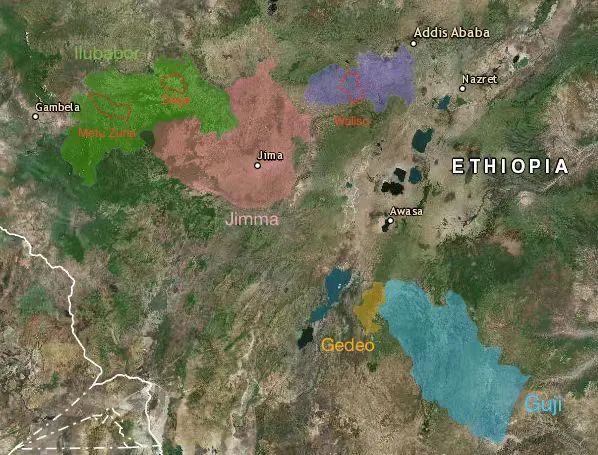
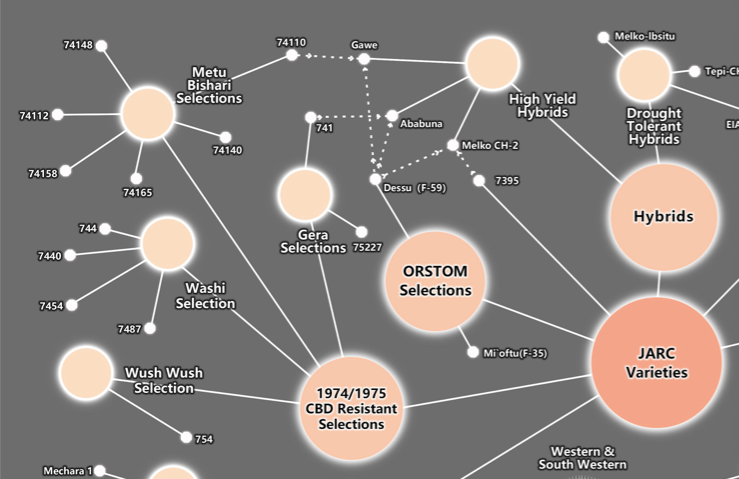
Thus, JARC categorized these beans as "1974/1975 CBD-Resistant Selections." They are: 741 and 75227 from the Gera region; 74110, 74112, 74140, 74148, 74158, and 74165 from the Metu-bishari region; 744, 7440, 7454, and 7487 from the Washi region; and finally 754 from the Wush Wush region. Here, 74/75 refers to the year of discovery, and the numbers following 74/75 are their respective identification numbers!
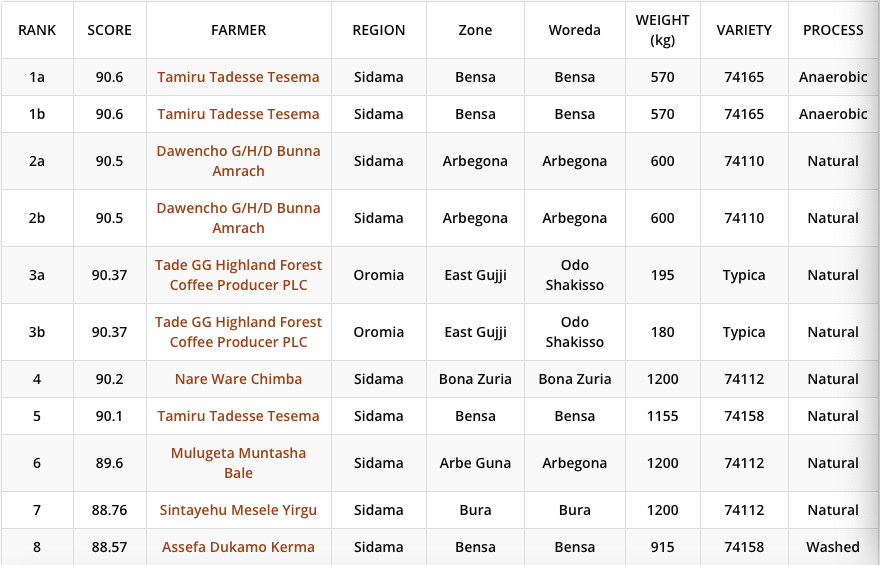
But at first, this series was not well understood—not just abroad, but even by their own people domestically. The grower of the champion 74165 variety didn't initially know it was 74165; it was only when the association verified the plant upon submission that they discovered it was the 74165 variety from back then.
So, what do these 74-series coffees taste like? In Front Street Coffee's own roasted bean lineup, there is also a numbered variety bean—it's the Santaverney coffee bean from the Sidamo region, variety 74158. The 96-hour anaerobic natural processing method gives this coffee bean an extremely richfloral fragrance and fruity sweetness and acidity,and below Front Street Coffee will demonstrate how to brew out its magnificent flavors.
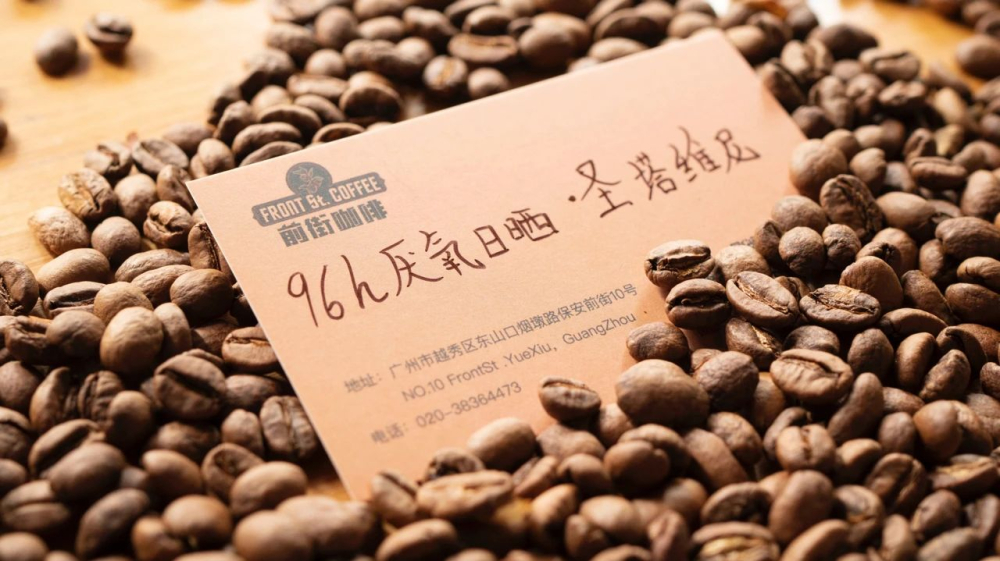
Front Street Coffee: Ethiopia Sidamo Santaverney 74158 Coffee Beans
Country: Ethiopia
Grade: G1
Region: Sidamo
Processing Station: DWD Santaverney Processing Station
Altitude: 2050 meters
Processing Method:Fully ripe red cherries96-hour anaerobic natural
Variety: 74158
Flavor: Citrus, pineapple, guava, red wine finish
Considering that Front Street Coffee beans are light-roasted, the coffee beans are relatively hard and require high-temperature water of 92°C-93°C to bring out the floral and fruity notes in the coffee. For grind size, Front Street recommends a medium-fine grind (80% passing through a Chinese standard No. 20 sieve), because too coarse a grind cannot extract the rich sweet substances, and the brewed coffee will taste thin.As for the brewing ratio, Front Street believes 1:15 to 1:16 are both acceptable. If you want a richer mouthfeel, use 1:15; if you want to more clearly perceive the floral sweetness, use 1:16 to let the flavors spread out more.
Dripper: V60
Water temperature: 92-93℃
Coffee dose: 15g
Coffee-to-water ratio: 1:15
Grind size: fine granulated sugar size (80% passing through a No. 20 sieve)
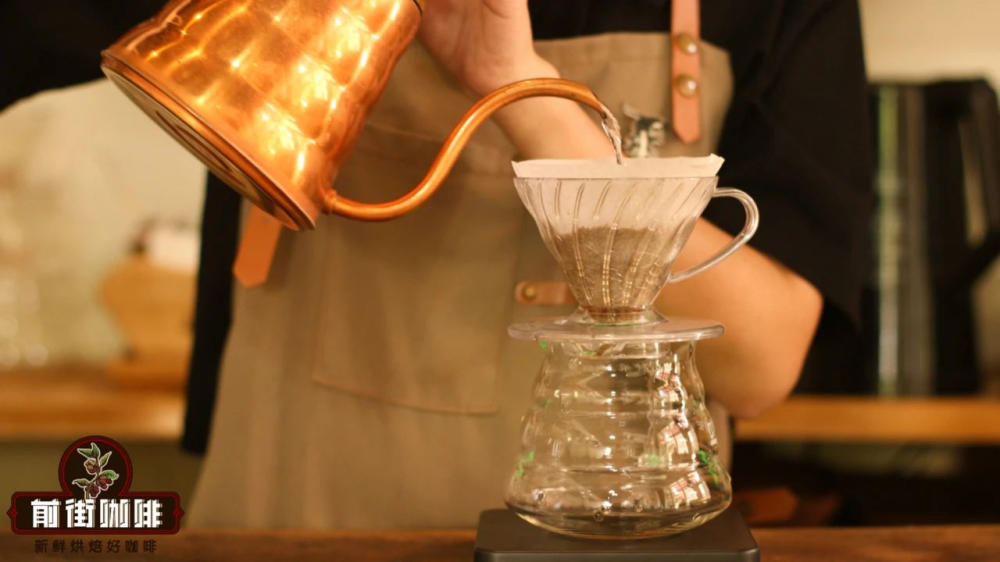
Three-stage pouring: Wet the coffee bed with water at twice the weight of the coffee grounds, forming a dome, and let it bloom for 30s. Then, using a slow stream, pour in a circular motion from the inside out until reaching 125g, then pause. Wait for the coffee bed to drop to half the height of the dripper, then continue pouring the third stage with the same slow stream until reaching 225g. Wait until all the coffee liquid has filtered through, then remove the dripper. Total time is about 2 minutes.
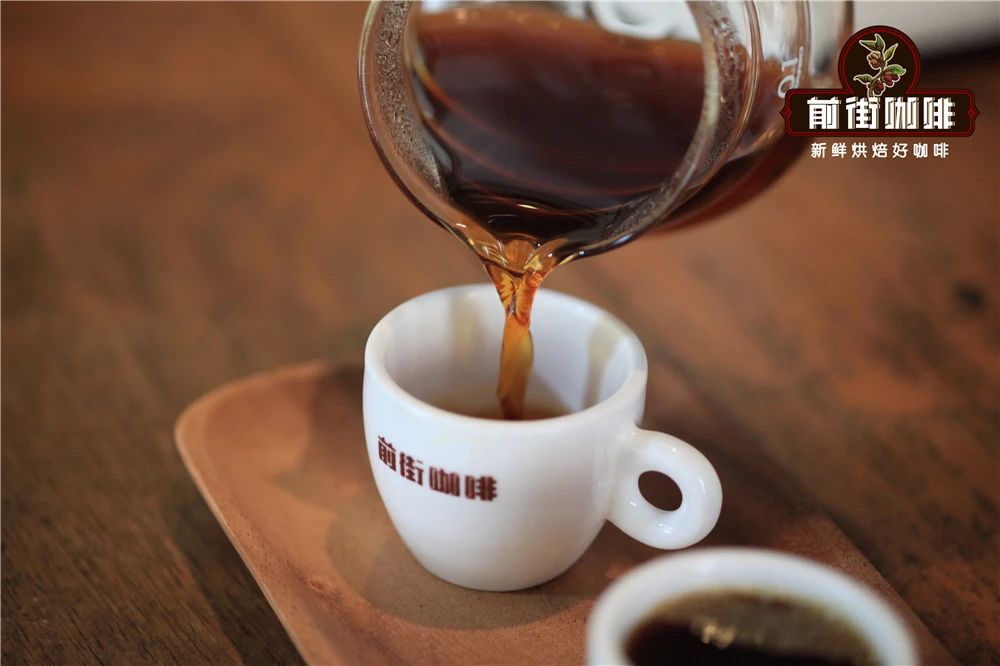
Tasting the brewed 74158, Front Street experienced a rich layering of flavors. On the palate, there are aromas of dried mango, strawberry, and black tea, with a very prominent sweetness. As the temperature drops slightly, a distinct orange-like juiciness emerges, with a relatively short finish. Even when the coffee has completely cooled, the fruity notes remain prominent with almost no bitterness, making for a very pleasant taste experience.
For professional coffee knowledge exchange and more coffee bean information, please follow Coffee Workshop (WeChat public account: cafe_style)
For more specialty coffee beans, please add the private WeChat of Front Street Coffee: qjcoffeex
The above content is compiled by CoffeeHunters, a coffee news website.

