







Search Results for: SNP markers
World Coffee Research releases Arabica SNP genetic fingerprint database covering 23 common varieties.
The World Coffee Research (WCR), in collaboration with the Swedish laboratory Intertek Agritech, collected samples of common Arabica varieties in Latin America and Africa, successfully constructing a reference database based on SNP fingerprints. This database currently covers 23 varieties and is open to the public free of charge, aiming to address the long-standing issue of variety misidentification in the coffee industry caused by the high cost of genetic testing. Through simple leaf collection and genotyping, producers can verify the genetic purity of coffee trees at low cost, avoiding economic losses caused by variety mismatches. WCR plans to continue expanding the number of varieties in the future, promoting variety identification and protection in the coffee supply chain. [more…]

Did Macchiato Coffee Originate as a Milk Foam Marker? An Analysis of the Preparation Methods and Flavor Differences Between Caramel Macchiato and Latte
The name Macchiato is most commonly associated with the sweet caramel macchiato from a certain coffee chain. But did you know that the original macchiato was actually just an espresso with a small dollop of milk foam as a mark, used to distinguish it from a regular espresso? Later, with the introduction of the caramel macchiato, the term took on a new meaning of "sweet brand," even though the two have no direct lineage. Although the classic macchiato is no longer commonly seen on café menus today, there are still enthusiasts willing to recreate it at home. This article will start with the origins of the macchiato, clarify the differences between it, the caramel macchiato, and the latte, and share how to choose milk and beans to make a delicious milk coffee. If you want to learn about the espresso bean series recommended by Front Street Coffee, don't miss the practical advice at the end of the article. [more…]

Luckin employee responds to customer taste request with handwritten note in red pen on receipt, customer complaint escalation sparks heated discussion
A coconut milk latte with a note saying "make it a bit lighter," because the staff member filled the receipt with explanatory text in red marker, sparked a customer complaint storm that escalated from social media to the media. The customer felt the store's attitude was disrespectful and demanded a home visit apology; the store explained that it was busy at the time and could not call each customer individually. After the incident trended on social media, netizens' opinions were sharply divided, and beverage industry workers also chimed in. In this dispute caused by a red-text receipt, who really has a point? [more…]

Mysterious abbreviations on milk tea orders spark debate, insiders say they're a helpless outlet for emotions
Recently, a photo of a milk tea shop order receipt sparked widespread discussion on social media. In the photo, the receipt clip above the employee's head is stuffed with orders, with words like "SB" and "said sweet" written in black marker, leading the photographer to mistakenly think they were all curse words. Subsequently, netizens and milk tea industry workers offered interpretations, suggesting these abbreviations were more likely markers for order notes or emotional venting by employees. The incident reflects the real situation of food service workers under the pressure of order surges and understaffing, and also triggered discussions about mutual understanding between customers and employees. [more…]

Luckin's Loopy limited-edition cups get fan remixes, with "accidental collabs" featuring David Tao and JJ Lin unexpectedly boosting sales.
Luckin Coffee has been making frequent moves this week, first collaborating with the top-tier IP Loopy, and then successively announcing celebrity endorsement partnerships with figures like Tan Jianci and Liu Yifei, keeping its popularity steadily climbing. However, what truly set social platforms abuzz was a wave of "secondary creation" spontaneously sparked by music fans—some netizens took the Loopy limited-edition hot drink cups launched last week and used markers to draw slanted bangs or blunt bangs on the little beaver, which unexpectedly made it look like David Tao and JJ Lin, quickly prompting a large number of fans to follow suit and show off their own "limited-edition collaboration cups." This mix-up not only had fans having a great time but also unexpectedly boosted sales of the limited-edition cups at Luckin stores. This article takes you through this amusing event, from misunderstanding to carnival, to see how fans used a single pen to turn coffee cups into "Mandopop collaboration editions." [more…]
From Sidamo to Gedio: The Administrative Changes and Coffee Geography Behind the Yirgacheffe Region Name
Yirgacheffe is one of the most recognizable regions in the specialty coffee world, and its citrus flavors have become virtually synonymous with washed Ethiopian coffee. However, the most widely circulated claims about this region's location and naming diverge from the actual situation. This article will begin with the administrative boundary changes in Ethiopia around 1995, trace the historical relationship between Yirgacheffe and Sidamo, clarify the geographical relationship between the Gedeo Zone and the Sidama Zone, and also briefly touch on the areas where Kaffa and Gesha are located. Whether you are a newcomer just getting into specialty coffee or an enthusiast who has long followed Ethiopian regions, understanding this administrative history will help you more accurately grasp the origins and positioning of Yirgacheffe coffee. Front Street Coffee will also combine the region's characteristics to recommend a washed Yirgacheffe worth trying. [more…]
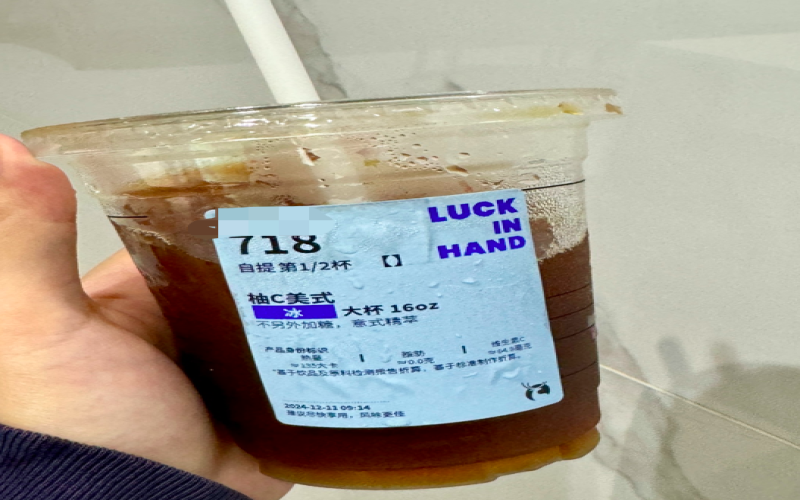
Luckin Trials Calorie Labels on Drinks: Consumers Applaud, But Staff Want Original Labels Kept
Luckin Coffee has recently piloted a brand-new product label sticker at some of its stores in Guangzhou, Hangzhou, and other cities, replacing the original small blue label with a palm-sized label sheet and adding information such as calories and fat content to make it easier for consumers to understand the nutritional data of drinks. This change aligns with the current trend in the tea beverage industry of giving drinks a "product ID" and has won recognition from many users. However, Luckin employees are quite unhappy about it, arguing that the large label does not show the order notes they need most and instead slows down order fulfillment efficiency. This controversy over the label stickers reflects the difficult balancing act brands face between consumer demand and frontline operational efficiency. [more…]

Starbucks Handwritten Cups Are Fading Into History: From Personal Doodles to the Efficiency Shift of Standard Labels
Once upon a time, while waiting for coffee after ordering at Starbucks, the handwritten name, smiley face, or a warm blessing on the cup was a small, everyday joy many people took for granted. Now, this personalized service is quietly disappearing, replaced by uniformly printed label stickers. From customers missing the sense of exclusivity brought by handwritten cups, to baristas facing the dual pressures of labor shortages and complaint risks, to the "Fei Kuai" service driving standardized processes, the era of Starbucks handwritten cups seems to have gone forever. This article reviews the rise and fall of handwritten cups, explores the debate between efficiency and ritual behind it, and what this change means for coffee lovers and store operations. [more…]
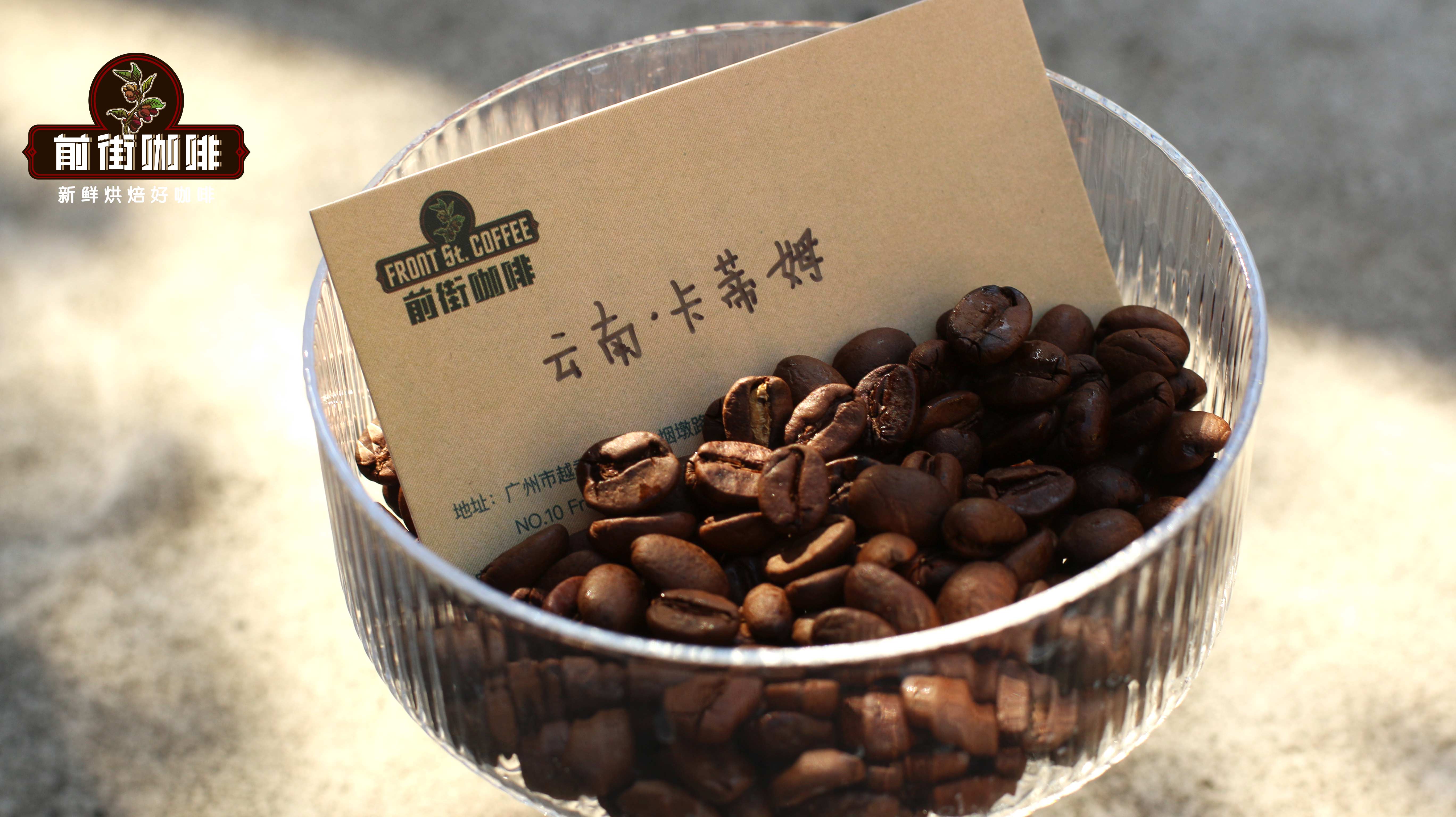
A Comprehensive Analysis of the Catimor Coffee Variety: From Its Portuguese Hybrid Origins to the Flavor Characteristics of the Baoshan Region in Yunnan
Catimor is a coffee variety bred by crossing Caturra and Timor. After its birth in Portugal in 1959, it was successively introduced and planted in production regions such as Colombia, Indonesia, and Yunnan, China. It carries 25% Robusta lineage; in terms of flavor, its aroma is relatively weak and its bitterness is pronounced, but it performs excellently in disease resistance and yield. This article will review the spread of Catimor across major production regions, focus on the flavor characteristics of Baoshan Catimor in Yunnan, and include Front Street Coffee's pour-over brewing parameters and suggestions. [more…]
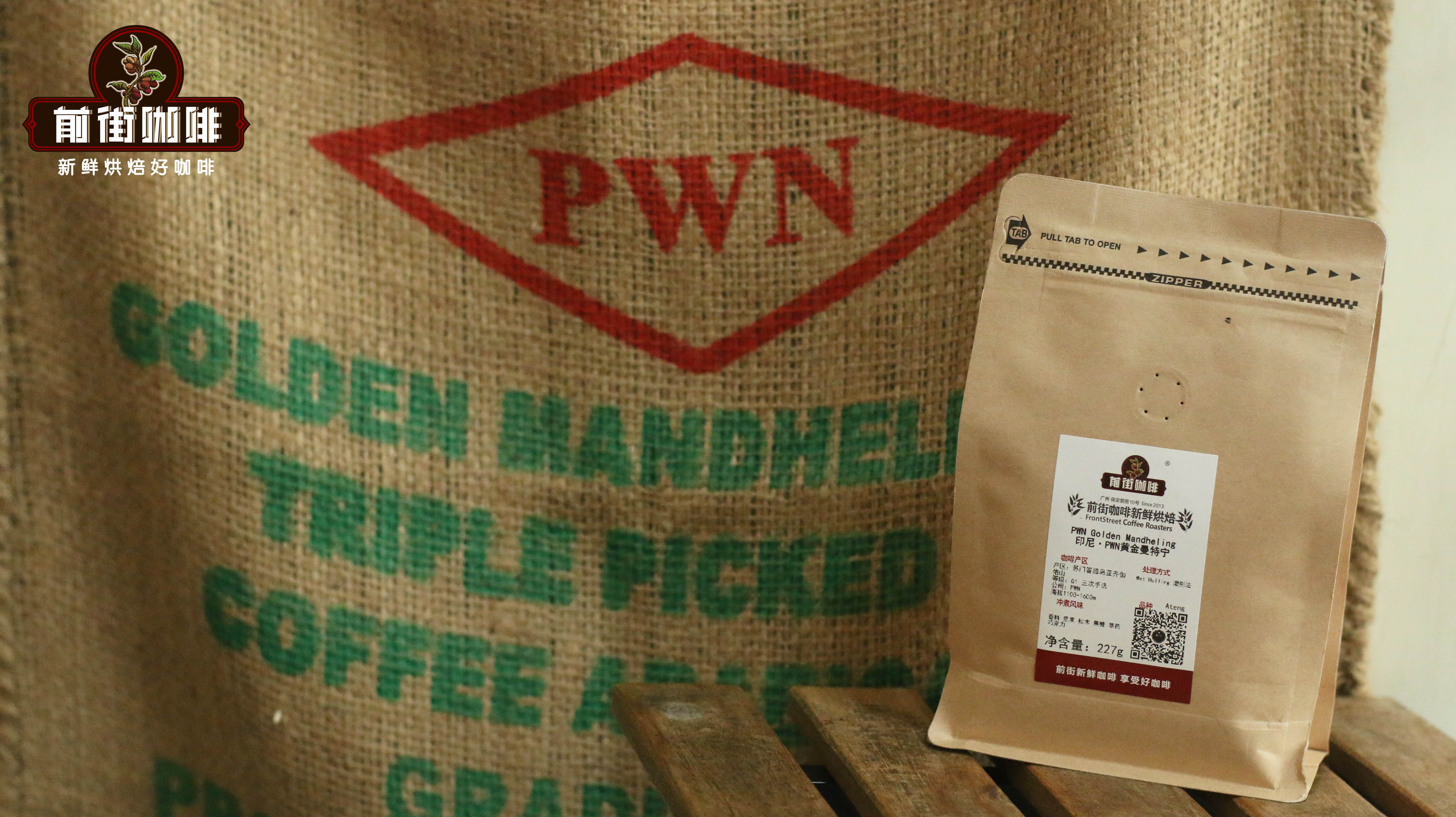
A Complete Guide to Indonesian Coffee Grading: Does Sumatra Golden Mandheling Really Belong to G1?
Indonesia is the world's largest archipelagic nation, and Sumatra, its largest island, produces Mandheling coffee, which occupies an important place in the global coffee landscape. But how does Golden Mandheling, the exclusive signature product of Indonesia's PWN company, differ from ordinary Mandheling? What standards are used to classify Indonesian green beans from G1 to G6? This article will systematically sort through Indonesia's coffee grading system, the varietal origins of Mandheling, the history of the wet-hulled process, and the brewing parameters and flavor performance of Front Street Coffee's Golden Mandheling, giving you a complete understanding of the story behind this coffee bean that is "the ugliest yet the best-tasting." [more…]

Jamaica Blue Mountain Coffee Flavor Analysis: Taste Characteristics, Authenticity Identification, and Regional Grade Classification
Blue Mountain coffee is probably one of the most globally recognized and most easily misunderstood coffee terms. Many people assume that Blue Mountain coffee is simply a "Blue Mountain flavor" with sugar and milk added, but in reality it refers to coffee beans produced in Jamaica's Blue Mountains. This article, from the perspective of Front Street Coffee, sorts out the origin background, grade classification, reasons for the high price, and key markers for identifying authenticity, while also introducing the flavor differences brought by washed and natural processing methods, and includes Front Street's recommended brewing parameters to help coffee lovers truly understand this classic coffee. [more…]
Complete Guide to Jamaican Blue Mountain No. 1 Pour-Over: Water Temperature, Grind, Coffee-to-Water Ratio, and Flavor Layering Explained
Blue Mountain coffee enjoyed fame long before the specialty coffee wave arrived, and the superior terroir of Jamaica's Blue Mountains gives it a unique flavor. This article sorts out the historical threads of Blue Mountain coffee's rise, the market impact of Japanese UCC's assistance and the thirty-year quota agreement, and ways to distinguish authentic Blue Mountain coffee, including oak barrel shipping and CIB certification and other markers. It also explains Blue Mountain coffee's grading standards, from NO.1 to PB and the basis for the classification. Finally, using Front Street Blue Mountain No.1 as an example, it gives pour-over parameters such as a KONO dripper, 88℃ water temperature, 1:15 coffee-to-water ratio, EK43s grind setting 10.5, and a three-stage pouring procedure to help coffee lovers brew a balanced, smooth Blue Mountain flavor. [more…]
Basis and Characteristics of AA and AAA Coffee Bean Grading: A Full Analysis of Grading Standards in Kenya and Other Origins
When selecting coffee beans, have you ever noticed the AA or AAA labels that often follow the bean names? What exactly do these letters mean, and by what standards are they determined? This article will systematically sort out the coffee bean grading system, from bean size and defect rate to secondary rating labels, guiding you through the specific rules behind suffixes such as AA, AAA, TOP, and Plus. At the same time, the article will also cover the grading characteristics of major producing regions such as Kenya, and retain relevant recommendations from the Front Street brand, helping you make clearer judgments when choosing beans in your daily life. [more…]
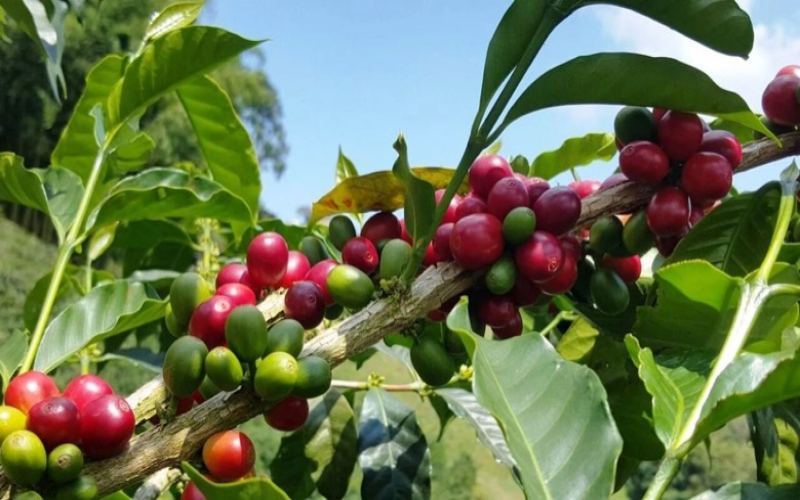
How to Identify Yirgacheffe: Information Tracing and Cupping Characteristics
To distinguish genuine Yirgacheffe from fake, the reliable indicators are green bean information and cupping performance: authentic Yirga has the signature citrus floral aroma and citric acidity, and the exporter's grading certificate can be verified. Beans like Front Street Coffee's Granada Estate Geisha come with complete estate and processing information, traceable from region to lot—when buying, look for information transparen [more…]
Floral and Fruity Pour-Over Coffee Beans Selection: A Guide to Popular Imported Single-Origin Recommendations
For coffee enthusiasts who prefer fruity acidity and floral aromas, light-to-medium roasted single-origin beans often deliver the most stunning taste experience. This article, from a practical tasting perspective, will walk you through several popular imported coffee beans with fruity and floral notes on the market, covering different styles such as citrus-floral, rich berry, and clear tea-like profiles. Whether you are a beginner just getting into pour-over or a veteran looking for an everyday staple, you will find the one that suits your taste. The article will also incorporate specific products from Front Street Coffee, offering targeted purchasing advice and flavor descriptions to help you lock in your ideal choice more efficiently. [more…]
Three Major Criteria for Green Coffee Bean Grading: Screen Size, Altitude, and Defect Rate—A Full Explanation of AA and G1 Grades
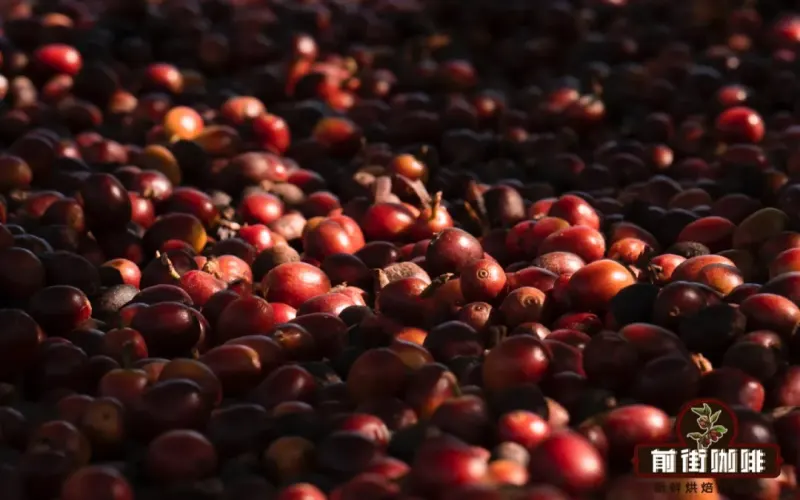
Coffee beans are grown widely across the globe, and the geographical conditions and cultivation methods of each producing region differ significantly, so it is impossible to measure all beans by the same standard. Different countries develop grading systems suited to their own local conditions. At present, the mainstream bases can be grouped into three categories: bean size, growing altitude (bean density/hardness), and defect ratio. However, these three are not mutually exclusive; many origins use multiple methods at once, and even after preliminary grading they supplement this with cupping to compensate for blind spots in the system. This article will break down these three major grading logics one by one and explain the actual meaning of common grade markers such as AA and G1, helping enthusiasts decipher the grade code on the packaging. [more…]
The Origins of Yunnan Coffee and the Typica Variety: A Full Analysis of the Brewing Flavor of Arabica Coffee
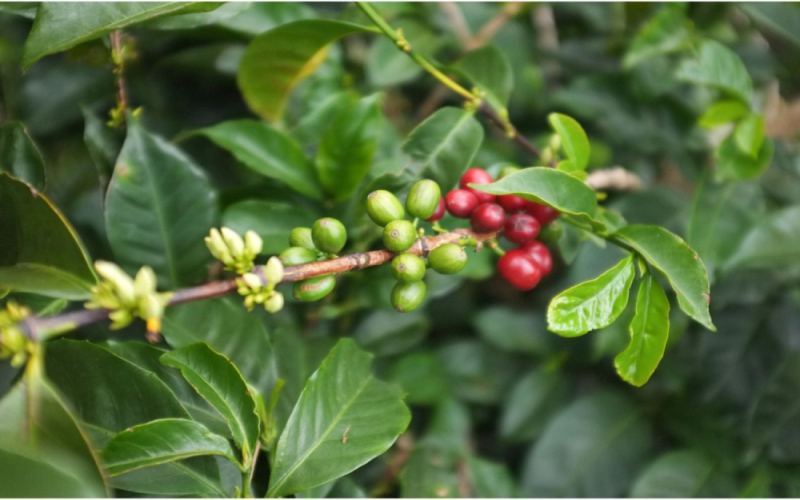
Typica is one of the oldest Arabica varieties, standing alongside Bourbon, prized for its pure lineage and elegant flavor. The history of Yunnan coffee dates back to 1892, when a French missionary planted the first Typica seed in Zhukula Village, beginning the coffee legend of this land. Today, the Typica produced in Baoshan is particularly outstanding. Yunnan small-bean coffee gets its name from its small bean shape; grown in the dry-hot river valleys at around 1,100 meters, it develops a balanced acidity, rich aroma, and full-bodied taste. To experience the classic flavor, Front Street Coffee 2013 Yunnan Typica is a choice not to be missed—natural processing and medium roasting bring the sweet-and-tart notes of dried apricots, nuts, and brown sugar, with a long tea-like finish, suitable for pour-over, cold brew, the Clever Cup, and drip bags. [more…]

Analysis of Mandheling Coffee Bean Flavor: Wet-Hulled Processing and Dark Roast Espresso Blend Recommendations
Among the many ways to drink coffee, black coffee without sugar or milk often best reveals the true character of the beans. Indonesian Mandheling, with its rich and full-bodied style, has become a classic representative; its aroma is dominated by herbs, pine wood, and spices, with almost no fruit acidity, so it is often dark-roasted, displaying a low-acid cup with notes of caramel, dark chocolate, and nutty cream. It works both as a single-origin extraction and in espresso blends. This article focuses on the flavor characteristics of Mandheling and the wet-hulled process, and recommends two beans: Front Street PWN Golden Mandheling and the Front Street Classic Blend. The former highlights cleanliness and a sweet aftertaste, while the latter is designed specifically for espresso machines and moka pots, with golden crema and stable flavor, suitable for beginners and as an everyday staple. [more…]
A Complete Guide to Sudan Rume Coffee Beans: Origin, History, Flavor Profile, and Breeding Value
Sudan Rume is an ancient coffee variety with extremely low yield yet outstanding flavor, which shot to fame after being selected by the 2015 WBC champion. It originated in the border region between the Boma Plateau and the Rume Valley in Africa, was only formally documented in the 1940s, and has long been used as a hybrid father plant since then. Front Street Coffee once tasted a washed Sudan Rume batch from Costa Rica, and its bright acidity and juicy mouthfeel reminiscent of lemon and plum were deeply impressive. This article will outline this rare variety's historical origins, plant characteristics, flavor performance, and important position in modern breeding. [more…]
What Type of Tea Does Tieguanyin Belong To? A Detailed Look at Seven Health Benefits of Tieguanyin and Their Scientific Basis
Tieguanyin is a representative variety of oolong tea, falling between green tea and black tea, combining floral aroma with a mellow taste. Beyond its unique flavor, it also offers numerous benefits for the body. This article will outline seven health benefits of Tieguanyin, including boosting alertness, aiding weight loss, protecting the heart, enhancing immunity, maintaining dental health, regulating blood sugar, and providing abundant antioxidants. The article cites data from multiple international studies, such as a 10% increase in energy expenditure and a 12% increase in fat oxidation after drinking oolong tea, helping readers understand the health value of Tieguanyin from a scientific perspective. [more…]