







What Do Green Coffee Bean Grades Like AA and G1 Actually Mean?
Green coffee bean grading usually follows three criteria: screen size, growing altitude, which relates to bean density, and defect percentage. Beans pass through screens with set aperture sizes, and larger beans generally earn higher grades, with Maragogype as an exception. Grades such as AA and G1 come from these systems, so the same letters can mean different things at different origins.
Few origins rely on one method alone. Many combine altitude and size, and some add cupping after initial sorting to cover gaps in the system. Screen grading appeared earliest and is still used in countries that started growing coffee early, such as Kenya. Because growing conditions vary so widely, no single coffee bean grades standard applies worldwide; each origin tailors one to local circumstances.
Coffee beans are grown widely across the globe, and the geographical conditions and cultivation methods of each producing region differ significantly, so it is impossible to measure all beans by the same standard. Different countries develop grading systems suited to their own local conditions. At present, the mainstream criteria can be grouped into three categories: bean size, growing altitude (related to bean density), and defect percentage. However, these three categories are not mutually exclusive; many origins use multiple methods at the same time, and some even supplement initial grading with cupping to compensate for gaps in the system. This article will break down these three major grading logics one by one and explain the practical meaning of common grade markings such as AA and G1, helping enthusiasts decipher the grade codes on packaging.
However, coffee-growing regions span the globe, and the natural environments and cultivation habits of each place vary greatly, so it is difficult to establish a single grading standard that applies universally. As a result, each origin tailors a coffee bean grading scheme suited to its own actual circumstances.
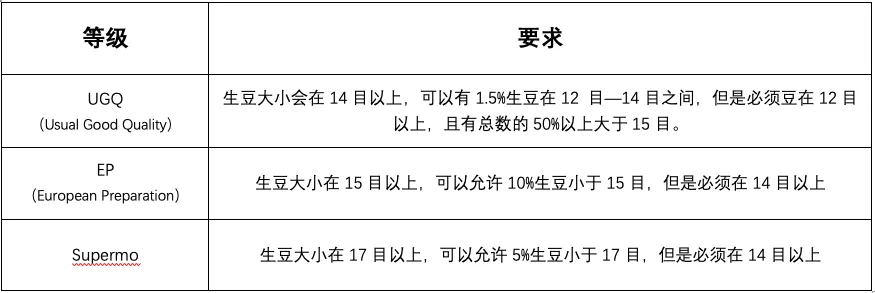
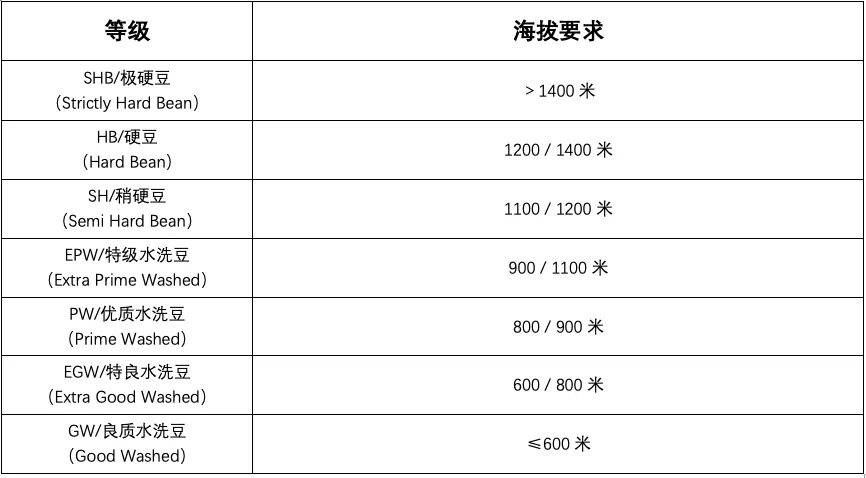
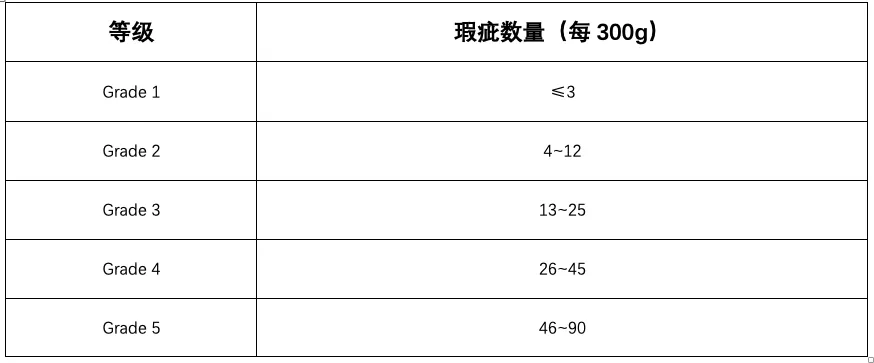
From the current situation, the grading criteria for green coffee beans can be broadly summarized into three types: bean size, altitude (related to bean density), and defect percentage. Although they are divided into these three major categories, they are not the only standards that determine grade. Many countries adopt multiple methods at the same time, for example considering both altitude and size. Some origins, after completing initial grading, also use cupping to compensate for the shortcomings of the original system. Overall, although these three methods are the most common, they are by no means the only evaluation indicators. 1. Screen grading method (by bean size) Screen grading is straightforward to understand: coffee beans are passed through screens with specific aperture sizes to measure bean size, and grades are then assigned according to size. The larger the bean, the higher the grade usually is (Maragogype is an exception). In Front Street Coffee's article "Kenya Grading," it was mentioned that this method was the earliest to appear in coffee bean grading systems, so many countries that began growing coffee early still use this system today.
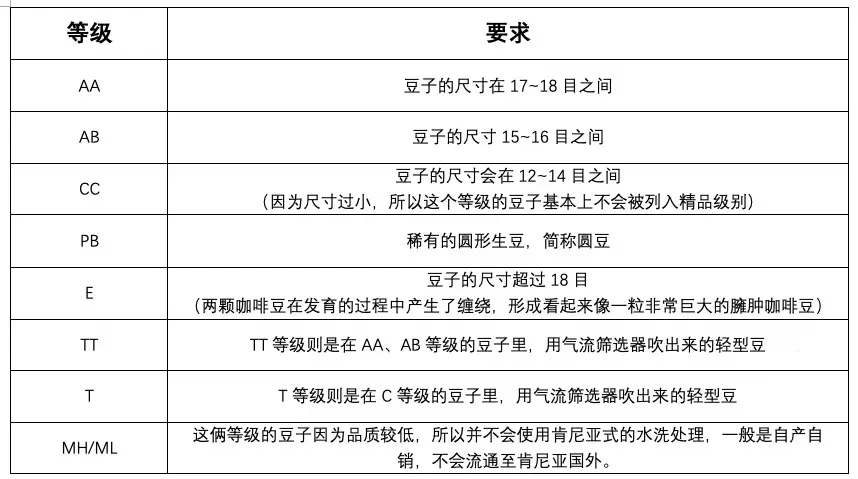
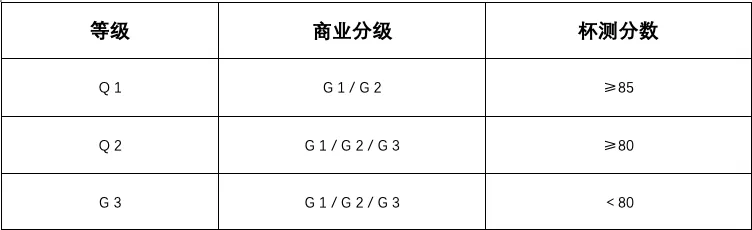
As is well known, bean size itself cannot be directly equated with flavor quality. The reason this method is used for grading is that many origins believe that plump, uniform, large coffee beans mean the fruit has fully matured. Such beans accumulate more complete flavor during the growth stage, and beans of consistent size are more conducive to even roasting, making the final flavor more uniform. Kenya is a producing country that uses bean size alone as the basis for grading, and the specific grading method is as follows:

The above content is compiled by CoffeeHunters, a coffee news website.


