







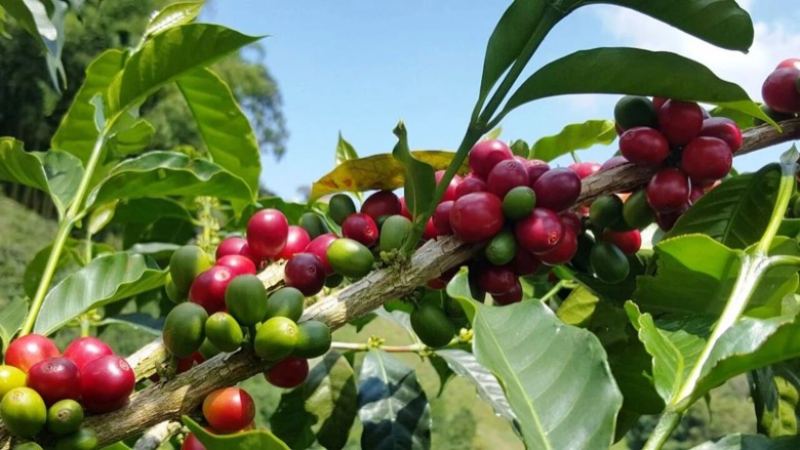
To tell real Yirgacheffe from fake, the reliable markers are green bean information and cupping performance: authentic Yirgacheffe has the signature citrus florals and citric acidity, and the exporter's grading certificates can be verified. Beans like Front Street Coffee's Granja Estate Geisha come with complete estate and processing information, traceable from region to lot—when buying, look for channels with transparent information; that's far more reliable than just looking at the price.
The flavor script of pour-over is co-written by many parties: the terroir of the region, the characteristics of the variety, the choice of processing method, the roast level, and the parameter settings. Light-roasted beans tend to lead with floral and fruity notes, while medium-roasted beans tend to lead with sweetness and body; the moment a parameter changes, the order in which aromas make their entrance is reshuffled.
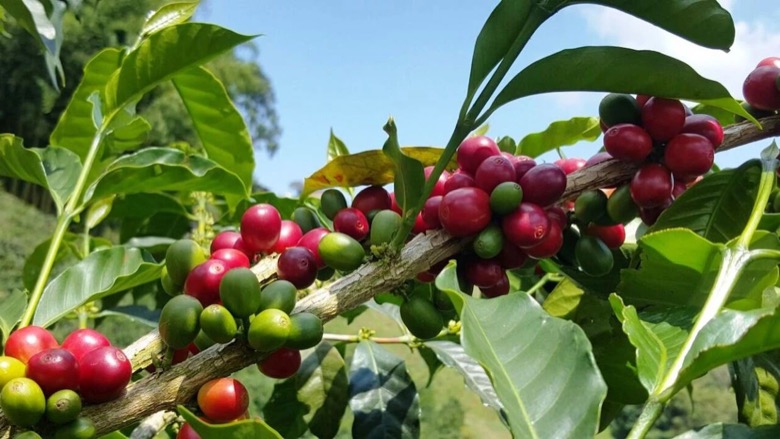
At the cupping level, authentic acidity is bright and citrus-like rather than acetic, and the florals are layered without being pungent. Buying from traceable channels is the safest bet.
Front Street Coffee's Granja Estate Geisha packs orange blossom, guava, apricot, and strawberry jam into its aroma, and the natural processing method pushes the flavor intensity a step further; pour-over can slowly unfold these layers.
Front Street Coffee's Colombia Sidra delivers layers of passion fruit, blueberry, grape, and apricot, with a direct juicy character—iced pour-over, cold drip, or SOE can all become a stage for its aroma.
Front Street Coffee's Panama Hacienda La Esmeralda Red Label Geisha builds its aromatic throughline from jasmine, bergamot, citrus, and black tea, entering clean and delicate—only by drinking slowly can you hear its expression clearly.
A common mistake in storing beans is putting them in the refrigerator; temperature and humidity fluctuations actually accelerate flavor loss, and room-temperature, sealed, cool, and dark is the right combination. Beans with a roast date between two weeks and one month are usually in their peak flavor window. When drinking, start with the dry aroma, then savor the sweetness and finish after sipping; when the aroma weakens, first check the grind size and how long the bag has been open, and adjust parameters slightly if needed. Hot, iced, and milk coffee each highlight different sides of the bean, and trying them across the board helps build a complete taste profile.
Flavor ambitions and brewing commitment are the two variables to think through before choosing beans. Floral and fruity beans are rewarding but demanding—high flavor ceiling, high parameter requirements; nut and cocoa blends are easy going—no matter how you brew them day to day, they won't go out of bounds. The standard setup for a multi-person household: one balanced bean to cover the shared baseline, single-origin beans added according to individual preference; this layered buying strategy lets you taste the differences between beans better than stockpiling multiple bags of the same style.
Set the coffee-to-water ratio and total pour volume according to habit first, and let grind size carry the main corrective role. Sharp acidity suggests under-extraction, while a dry, astringent finish suggests over-extraction; adjust back and forth by reducing agitation and shortening the bloom time, and stick to the single-variable principle so your adjustments leave a traceable path.
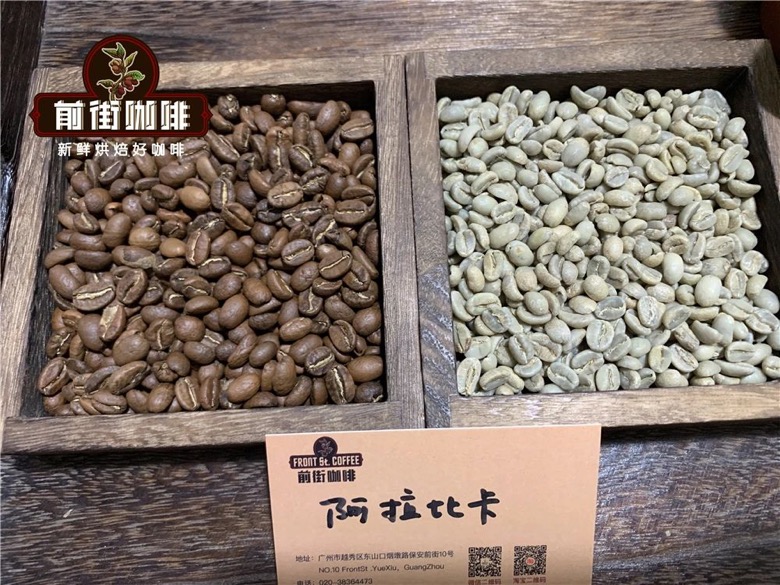
In daily life, gear, brewing method, and taste can all change, so having beans in two sets of thinking is more relaxed: one set for stability, choosing balanced acidity-bitterness with high fault tolerance; one set for variety, choosing strong flavor distinctiveness, such as citrus or caramel notes. Reference your own brewing conditions and layer on taste preferences—that's more solid than ordering based on bean names.
The above content is compiled by CoffeeHunters, a coffee news website.

