





Search Results for: Gedeo
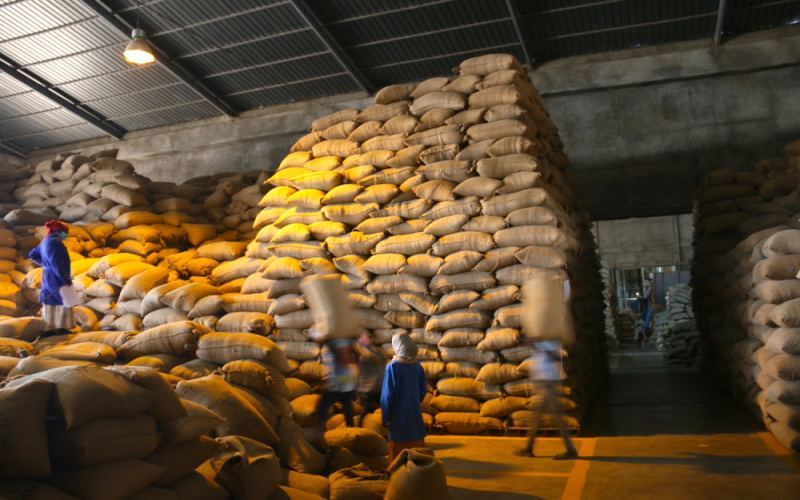
Ethiopia's Three Major Coffee Export Systems and the ECX Trading Mechanism: How Single-Farm Beans Like Hambela Hualukui Reach Overseas Markets
Ethiopia, as the holy land of specialty coffee, has a rather complex coffee export system. According to local regulations, coffee exports are divided into three major systems: ECX bidding, cooperatives, and single farms. Among these, cooperatives and single estates can bypass the ECX and export directly, offering relatively complete traceability. The ECX was founded by Eleni Gabre-Madhin in 2008, and through grading, warehousing, and real-time information, it transformed the trading circumstances of coffee farmers. However, what truly achieves 100% traceability is the single farm system that has risen in recent years. The Sidamo sun-dried Huakui is a representative work from the Hambela farm. This article will sort out the operational differences among the three systems, the trading logic of the ECX, the structure of the six major cooperative unions, and the significance of single farms to specialty coffee. Front Street will also continue to follow these origin developments, bringing coffee enthusiasts clearer origin knowledge. [more…]
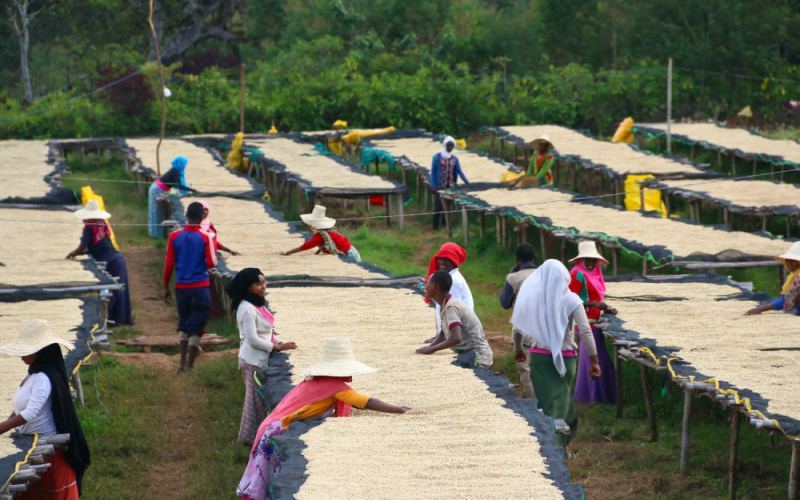
Yirgacheffe Adola: Origin Traceability, Flavor Characteristics, and Direct-Fire Roasting & Brewing Key Points Explained
Yirgacheffe is the highest-altitude specialty coffee producing region in the Gedeo Zone of southern Ethiopia, famous for its jasmine aroma, citrus notes, and citric acidity. The Adado Cooperative, as one of the founding members of the Yirgacheffe Coffee Farmers' Cooperative Union (YCFCU), is located in the mountainous area at 2,000 to 2,400 meters, where 1,250 farmers cultivate coffee in the traditional way of interplanting it with mountain bananas. This article sorts out Adado's regional affiliation, the ECX grading system, and the cooperative's background, and presents the cupping flavors and direct-fire roasting suggestions for Front Street Coffee's Yirgacheffe Adado, providing coffee lovers with a complete understanding from origin to flavor. [more…]

Yirgacheffe Goting Goting Coffee Beans: Hot Brew, Cold Brew, and Americano Methods and Flavor Comparison
The same Ethiopian Yirgacheffe washed Gutingding coffee beans can present a variety of flavor profiles when brewed at different temperatures and with different methods. Some people love the bright acidity and floral aroma of a hot brew, some prefer the roundness and fullness after cold brewing, and others are fond of the refreshing fruity notes of an SOE americano. This article focuses on Front Street. washed Gutingding, sorting out its flavor changes and key operating points one by one, from bean information, pour-over parameters, and the effect of temperature on flavor, to cold brew ratio and steeping time, and then to the extraction details of SOE americano, helping coffee lovers find the way they like to drink it. [more…]
Exploring Ethiopia Yirgacheffe: A Comprehensive Analysis of Haru Cooperative's Gedeo Region Coffee
Yirgacheffe, a small town situated at an elevation of 700 to 21,000 meters, is a shining pearl of Ethiopian specialty coffee and the most renowned coffee-producing region in Africa. This area has been wetlands since ancient times; in the ancient language, "Yirga" means "to settle down," and "cheffe" refers to "wetlands." The unique nature and culture here have nurtured coffee of exceptional flavor. Today, the Yirgacheffe flavor has become a hallmark that Ethiopian coffee farmers take great pride in. This article delves into the Haru Cooperative in the Gedeo production area, analyzing its high-altitude growing environment of 1,200 to 1,700 meters, its red-brown soil, the collaborative model of its 1,187 members, and the stories behind its fair trade and organic certifications. [more…]
From Sidamo to Gedio: The Administrative Changes and Coffee Geography Behind the Yirgacheffe Region Name
Yirgacheffe is one of the most recognizable regions in the specialty coffee world, and its citrus flavors have become virtually synonymous with washed Ethiopian coffee. However, the most widely circulated claims about this region's location and naming diverge from the actual situation. This article will begin with the administrative boundary changes in Ethiopia around 1995, trace the historical relationship between Yirgacheffe and Sidamo, clarify the geographical relationship between the Gedeo Zone and the Sidama Zone, and also briefly touch on the areas where Kaffa and Gesha are located. Whether you are a newcomer just getting into specialty coffee or an enthusiast who has long followed Ethiopian regions, understanding this administrative history will help you more accurately grasp the origins and positioning of Yirgacheffe coffee. Front Street Coffee will also combine the region's characteristics to recommend a washed Yirgacheffe worth trying. [more…]
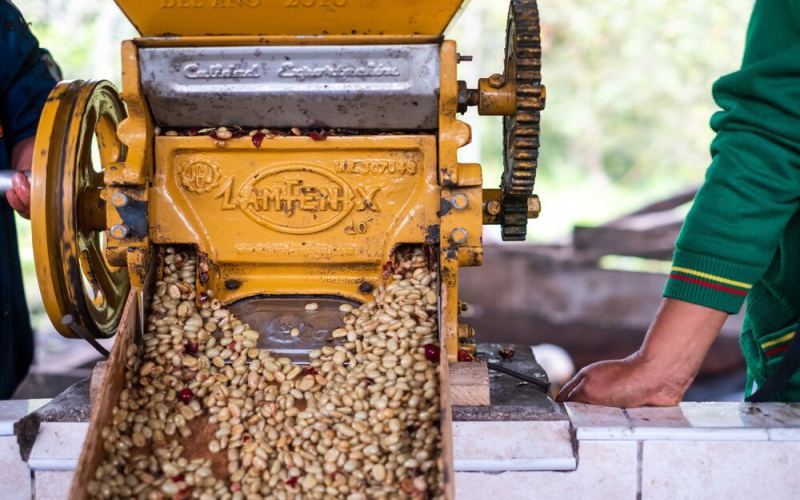
Comparison of Ethiopia's Two Major Specialty Coffee Regions: Flavor Differences Between Yirgacheffe and Sidamo and Representative Bean Recommendations
Ethiopia is a genetic treasure trove of Arabica coffee, and among its regions, Yirgacheffe and Sidamo are the two most frequently mentioned by coffee enthusiasts. Yirgacheffe is known for its citrus and floral notes, while Sidamo is celebrated for its diverse fruity and floral harmony and wild flavors. This article will compare the two from the perspectives of regional geography, altitude and climate, and varietal characteristics, while also introducing representative single-origin beans such as Front Street Coffee Yirgacheffe Gutingding, Front Street Coffee Red Cherry, Front Street Coffee Huakui, and Front Street Coffee Hamashu, to help readers more clearly understand the flavor profiles of these two regions and provide a reference for everyday purchasing. [more…]
Ethiopian Yirgacheffe Coffee Flavor Analysis and Quality Evolution Under ECX System Reform
Ethiopia, as the birthplace of coffee, has its Yirgacheffe region's natural-process coffees consistently capturing the attention of the specialty coffee world. This article takes the natural-process beans of Bedhatu Jibicho, an octogenarian coffee farmer, as a thread to deeply explore how the transformation of Ethiopia's ECX trading system has allowed individual farmers to bypass cooperatives and export directly, while also analyzing the geographical and ethnic background of Banko Gotiti in the Gedeo region. For coffee lovers, Front Street Coffee recommends paying attention to the flavor layers of this producing region—the captivating expression interwoven with floral notes and strawberry, raspberry, and peach. The article also touches on the impact of conflicts between the Oromo and Gedeo ethnic groups in the border areas on coffee production, revealing the complex and authentic story of terroir behind a cup of coffee. [more…]
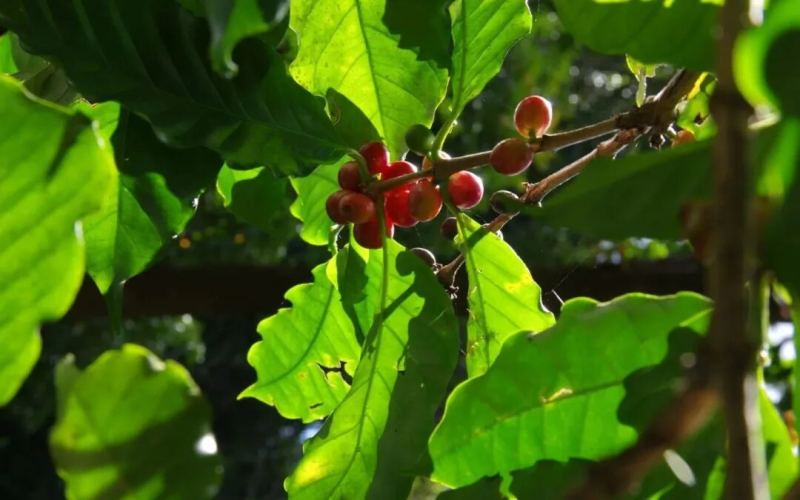
Ethiopian Coffee Beans | How Many Coffee Regions Are There in Ethiopia? Which Washing Stations and Cooperatives Produce Ethiopian Specialty Coffee?
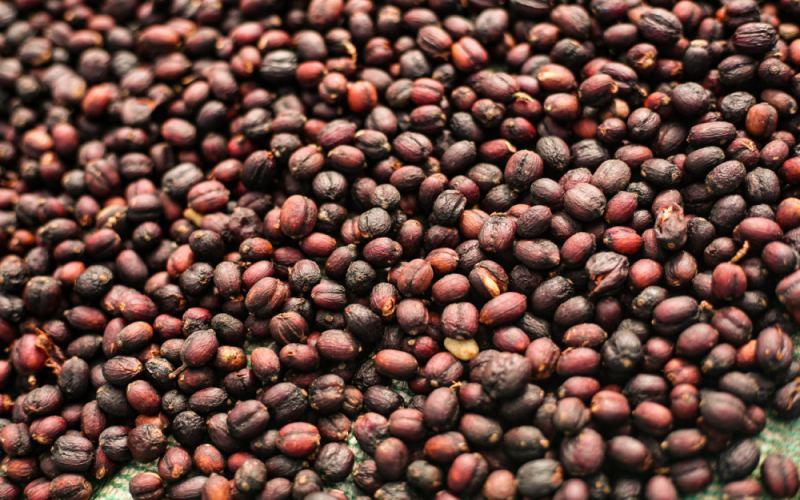
As the birthplace of coffee, Ethiopia has always been a pilgrimage site for many coffee professionals. Many friends who come to Front Street Coffee ask as soon as they walk in whether we have Ethiopian beans, whether we have Yirgacheffe beans. Yes, whether for coffee beginners or coffee connoisseurs, Ethiopian coffee beans have that bright [more…]
A Complete Guide to Ethiopian Coffee Varieties and Grading: Yirgacheffe Flavors and Front Street Coffee Pour-Over Parameters
Ethiopia, as a genetic treasure trove of coffee, has complex bean varieties and inconsistent bean sizes, yet this creates a unique flavor interwoven with bright fruity acidity and floral notes. From the perspective of Front Street Coffee, this article systematically reviews Ethiopian coffee cultivation and harvesting methods, the origins of Heirloom native varieties, the terroir characteristics of nine major specialty production regions, as well as the ECX trading system and the G1-G5 grading standards. It also explains in detail the flavor performance of representative beans such as Yirgacheffe, Sidamo, and Huakui, and includes Front Street Coffee's V60 pour-over parameters, helping enthusiasts fully understand the diverse charm of Ethiopian beans. [more…]

A Complete Guide to African Coffee-Producing Countries: From Ethiopia to Tanzania, a Specialty Flavor and Origin Guide
Africa, as the continent of coffee's origin, nurtures coffee beans with highly distinctive flavors thanks to its unique climate and terrain. From Ethiopia's Yirgacheffe to Kenya's AA grade, and from Yemen's Mocha to Tanzania's Kilimanjaro, each producing region displays alluring fruit acidity and regional character. This article systematically reviews the cultivation history, varieties, processing methods, and flavor characteristics of Africa's major coffee-producing countries, and includes information on various cooperatives and representative bean lots, making it suitable for coffee enthusiasts who want an in-depth understanding of the full picture of African specialty coffee. [more…]

How to brew drip bag coffee so it tastes good? Front Street teaches you the correct brewing steps and the best flavor period analysis.
Drip bag coffee may seem simple, but brewing a delicious cup involves attention to water temperature, pouring technique, and the timing of when you drink it. In this article, Front Street Coffee will combine three drip bag products—Yirgacheffe Gutingting, Brazil Queen's Estate, and Sidamo Huakui—to explain in detail the correct brewing process for filter-style drip bag coffee, and answer common questions such as how long a drip bag can be stored after opening and the best time to drink it. At the same time, we will also help enthusiasts understand the flavor differences among different drip bag coffees from the perspectives of coffee bean processing methods and regional flavors, making everyday brewing more consistent and more delicious. [more…]
Analysis of the Characteristics of Washed Yirgacheffe Konga Cooperative Coffee Beans and a Practical V60 Pour-Over Guide
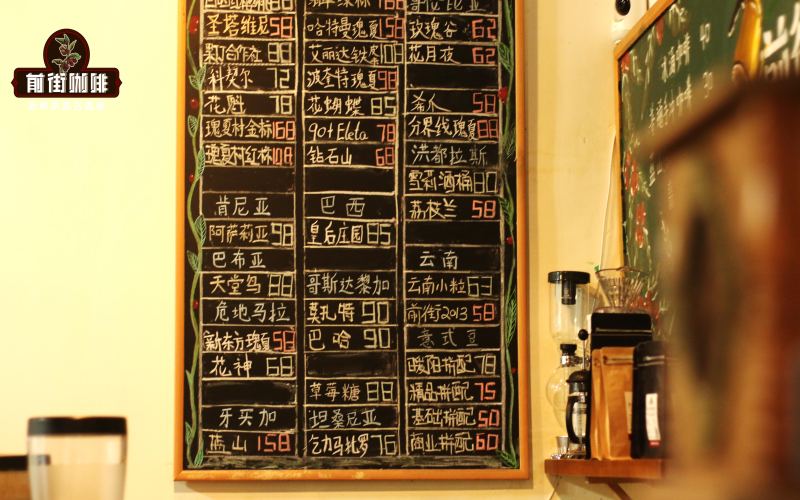
Washed Yirgacheffe has always been known for its bright acidity and clean flavor, and the lots produced by the Konga Cooperative are among the most highly regarded representatives. This Konga Cooperative Wote Station G1, sourced by Front Street Coffee, comes from the Gedeo region at an altitude of 1,850 to 2,050 meters and is made from local heirloom varieties with washed processing. This article will cover the background of the Yirgacheffe producing region, the soil characteristics of Gedeo, an overview of the Konga Cooperative, the traits of the heirloom varieties, the washed processing flow, and Front Street's roasting curve and V60 staged extraction parameters, providing a complete review of this bean's origin information and brewing approach, along with actual cupping flavor notes for pour-over enthusiasts to reference. [more…]
Yirgacheffe's Emerging Micro-Region Gedeb: An Analysis of the Pour-Over Flavor and Processing Techniques of High-Altitude Coffee Beans
Yirgacheffe has long become synonymous with African specialty coffee, and within this designated appellation, a micro-region called Gedeb is quietly rising. It is located in the Gedeo Zone, with an average altitude of 1,900 to 2,200 meters, far higher than the traditional Yirgacheffe region, giving the coffee beans a hard, dense texture and unique flavor. Gedeb's smallholder farmers send carefully picked coffee cherries to the Kochere processing station, where they are sun-dried on raised beds for 15 to 20 days, creating an elegant flavor interwoven with floral notes and berries. This article will take you deeper into Gedeb's regional characteristics, processing techniques, and its taste performance under pour-over and American-style brewing. Front Street Coffee recommends that you pay attention to this emerging region with outstanding value for money. [more…]

A Detailed Explanation of the Flavor Characteristics and Origin Background of Front Street Yirgacheffe Gediyo East Highland Coffee Beans
Yirgacheffe is one of Ethiopia's most representative specialty coffees, and its fresh citrusy acidity and elegant floral aroma have captivated countless coffee lovers. This article focuses on Front Street Ethiopia Yirgacheffe, covering its name, grading, roasting recommendations, flavor profile, and origin background one by one. This WP Grade 2 washed bean is recommended to be roasted at a medium level, with slight acidity and a dark chocolate finish, and excellent balance. The producing area is located in the Gedeo Zone of Sidama Province, where the coffee trees originate from wild Ethiopian plants, with plump beans and a mellow taste. The article also introduces Front Street Washed Gutingting, which has richer flavor layers and is suitable for various brewing methods such as cold brew, bringing a refreshing and clear taste experience for summer. [more…]
Ethiopian Yirgacheffe Gedeo Zone Natural Coffee: A Full Analysis of Origin, Processing, and Flavor Characteristics
Yirgacheffe is one of Ethiopia's most iconic coffee-producing regions, and its unique terroir gives the coffee a captivating floral and citrus character. This article begins with the legendary origins of coffee, introduces the similarities and differences between Yirgacheffe and neighboring Sidamo, and then focuses on a single lot—the Gedeb sun-dried G1—unpacking everything from its garden cultivation model, red cherry sorting, and African raised-bed drying process to the blackcurrant, raisin, dried apricot, and grapefruit pulp notes it ultimately presents in the cup. The article also includes Front Street Coffee's brand-sharing philosophy and event information, making it a worthwhile read for enthusiasts who want a deeper understanding of Ethiopian sun-dried coffee. [more…]
Yirgacheffe Coffee Origin Exploration and Pour-Over Parameters Explained: From Gedeb Cooperative to Flavor Tasting
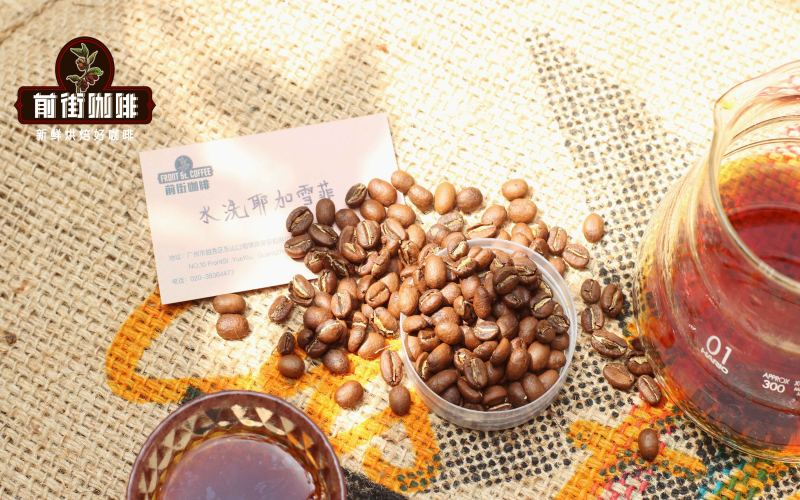
What story lies behind the name Yirgacheffe? And how does the Gedeo Cooperative produce high-quality specialty coffee beans? This article will take you into the Gedeo region of Ethiopia to explore the complete chain from cultivation and processing to the flavors in the cup. At the same time, we will also share a practical set of V60 pour-over Yirgacheffe parameters, including grind size, water temperature, coffee-to-water ratio, and staged extraction technique, to help you better experience this bean's unique jasmine aroma, lemon-like fruit acidity, and black tea finish. Whether you are a beginner just starting with pour-over or a coffee enthusiast looking to refine your skills, you will find valuable references here. [more…]
Exploring the Flavor and Origin of Ethiopia Yirgacheffe Chelba G1 Natural Beans
The Yirgacheffe region has always been a focal point for specialty coffee enthusiasts, and the Chelba G1 natural bean is a standout product among them. This article will take you through an in-depth look at the origin background and flavor characteristics of this coffee. Chelba comes from the Gedeo area of Yirgacheffe, carefully cultivated by local smallholder coffee farmers, covering a total area of about 888 hectares, with an altitude ranging between 1,900 and 2,100 meters. The exceptional climate conditions have laid a solid foundation for coffee quality. This bean is processed using the natural method, presenting a strawberry-like sweetness and blueberry aroma, with excellent body and a long-lasting finish. If you are looking for a natural Yirgacheffe with a distinctive flavor and a full mouthfeel, Chelba G1 is worth savoring. [more…]
A Comprehensive Analysis of the Flavor Characteristics, Growing Environment, and Processing Methods of Single-Origin Beans from Ethiopia's Kochere Region
Kochere is located southwest of Yirgacheffe in Ethiopia and is one of the most representative specialty coffee sub-regions in the Gedeo Zone. It enjoys the natural advantages of primary forest cover, deep red-brown clay, and high altitude, and its coffee is famous for a delicate flavor profile interwoven with citrus, stone fruit, and tea-like notes. This article systematically reviews Kochere's cultivation history, geographical production conditions, variety characteristics, and washed processing method, and provides detailed introductions to the flavor descriptions and specification information of several Kochere G1 single-origin beans under the Front Street Coffee brand—Debo, Hama, and Godochoa—while also extending to an introduction of the broader pattern of Ethiopia's eight major production regions, offering coffee enthusiasts a complete framework for understanding the region. [more…]
How Should You Drink Yirgacheffe Drip Bag Coffee Correctly? A Complete Guide to Front Street Red Cherry and Two Other Flavors Plus Homemade Brewing
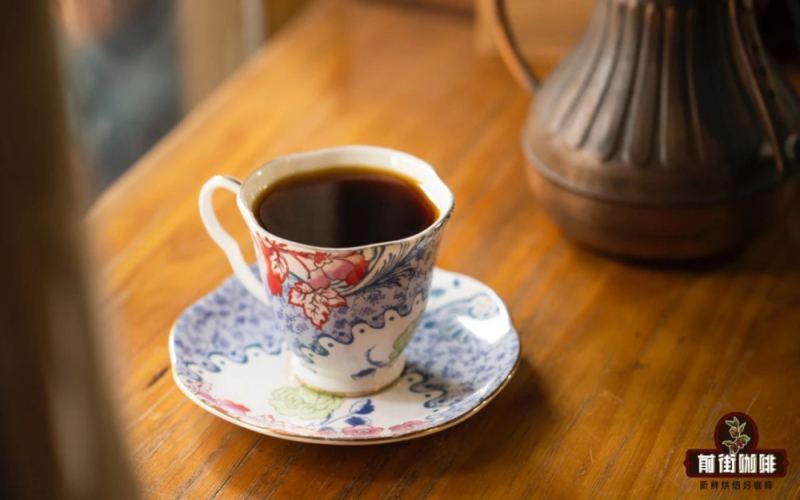
Drip coffee bags, with their combination of portability and flavor, have become the daily go-to for many busy coffee lovers. This article focuses on Yirgacheffe, a classic growing region, introducing the origin information and flavor characteristics of three drip coffee bag products from Front Street Coffee: the washed Yirgacheffe, the sun-dried Red Cherry, and the Gutingding, while also explaining how to make your own drip coffee bags at home using fresh coffee beans, including specific steps such as bean selection, grinding, bagging, and sealing. In response to many customers reporting unsatisfactory results when brewing drip coffee bags, the article also breaks down water temperature control and staged pouring techniques in detail, helping you consistently extract a good cup of coffee with both floral notes and fruity acidity even without a digital scale. [more…]

Drip Bag Coffee vs. Instant Coffee: How to Choose? A Full Analysis from Flavor Differences to Front Street Specialty Drip Bag Recommendations
Drip bag coffee or instant coffee—which is really more worth drinking? Both seem like convenient choices, but from the form of the raw material to the brewing method and finally the flavor, the differences are actually quite significant. A drip bag contains ground coffee bean particles, which do not dissolve in water and require pouring water to extract; instant coffee, on the other hand, has been extracted and dried and can dissolve directly. Drip bag coffee has a richer aroma and a fuller body, while instant coffee wins on being cheap and quick but often contains non-dairy creamer and sugar. This article will also break down in detail the flavor gap between drip bags and freshly ground pour-over, and include recommendations for several classic drip bags from Front Street Coffee as well as complete brewing steps, to help you find the cup that suits you best. [more…]