







Why a Coffee Store Receipt Note Drew a Customer Complaint
A customer at a chain coffee store ordered a coconut milk latte with a note asking for it to be made a bit lighter. The order arrived with two receipts covered in red marker explaining that no added sugar was used and coconut milk is naturally sweet. The customer called the tone disrespectful, demanded an in-person apology, and the dispute moved from social media to local media.
Store staff said the shop was handling a high volume of orders and could not call each customer individually, and that the drink already contained no added sugar. Online reaction split between support for the customer and sympathy for the barista, and tea beverage workers joined in. The case feeds a wider coffee culture discussion about how stores communicate when a request cannot be met.
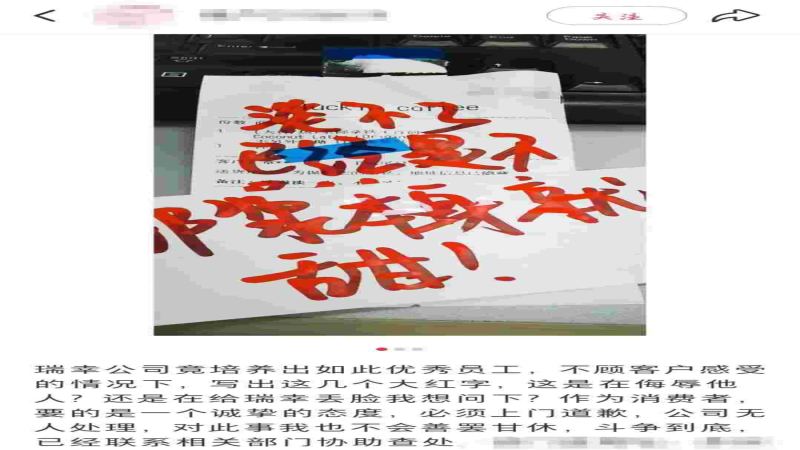
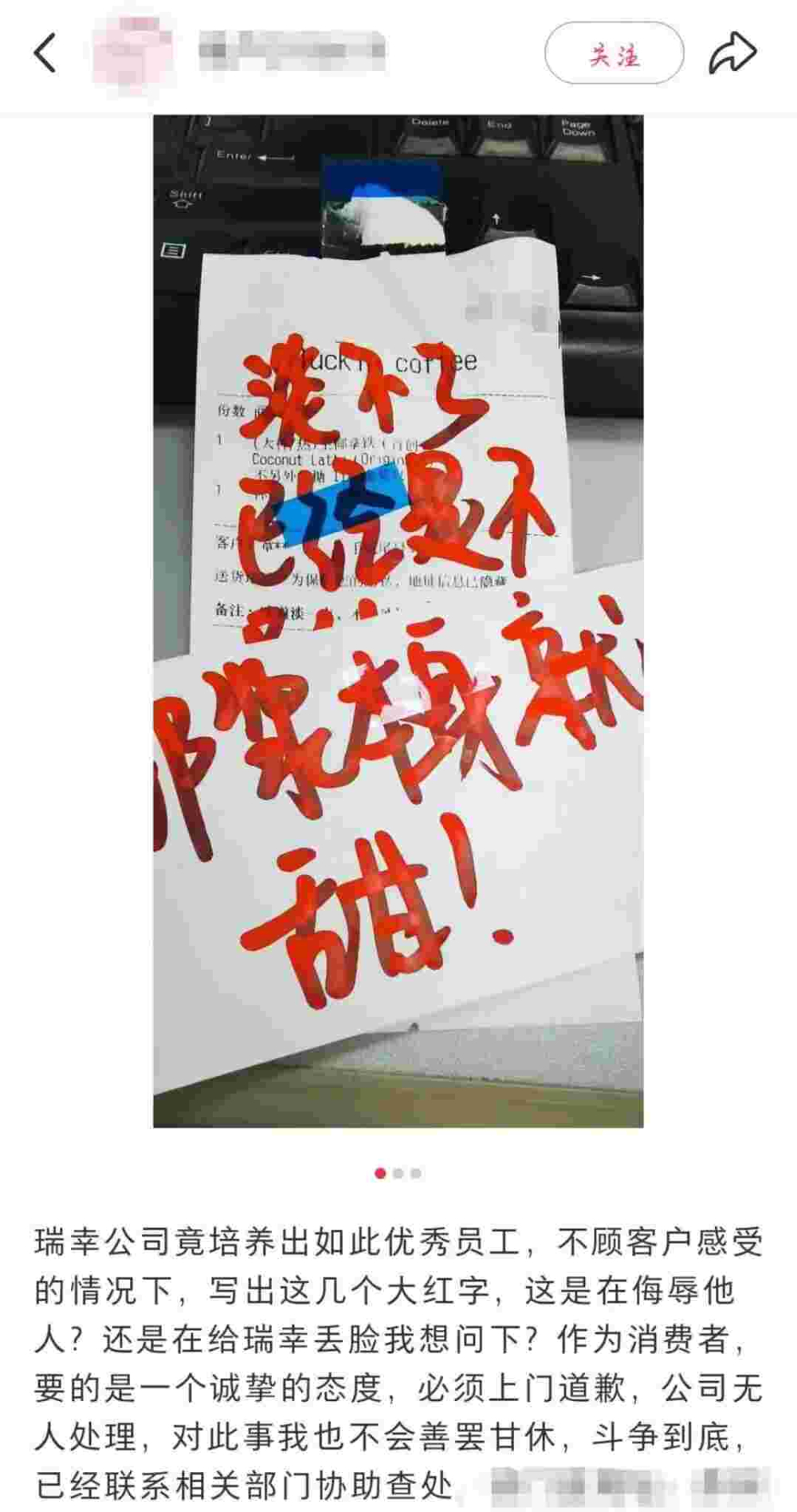
A coconut milk latte with the note "make it a bit lighter," because the staff wrote a full page of explanation in red marker on the receipt, sparked a customer complaint storm that escalated from social media to the media. The customer felt the store's attitude was disrespectful and demanded an in-person apology; the store explained that it was busy with orders at the time and could not call each customer individually. After the incident trended online, netizen opinions polarized, and tea beverage industry practitioners also chimed in. In this dispute sparked by a red-ink receipt, who actually has a stronger case?
▲
Click to follow | Daily specialty coffee culture magazine Coffee Workshop
Recently, "Jingshi Live" reported a customer complaint incident at a chain coffee store. On October 31, a consumer posted on social media to complain, saying that when placing an order she specifically noted "make it a bit lighter," but after receiving the drink, she found the receipt included with the order was covered densely in red marker writing.
From the photo posted by the customer, the red handwriting on the receipt was quite striking, reading "Can't make it lighter, it's already without added sugar." Perhaps worried the customer would not understand, the staff took another blank receipt and added: "Coconut milk itself is sweet!" These two receipts covered in red writing were sent out together with the drink.
The original poster, who had only wanted the drink to taste a bit lighter, felt very dissatisfied upon seeing these two receipts. She believed that if the store could not make it according to the note, the staff should have called in advance to inform her, rather than using receipts covered in red writing to reject the consumer's request. In her view, this approach by the store lacked respect for the customer and also made her feel offended.
This customer explicitly stated that as a consumer, "what I want is a sincere attitude, and they must come to apologize in person." She also said that if no one from the store handled this complaint, she "would not let it go and had already contacted relevant departments to assist in investigating."
According to the media's follow-up, staff at the store involved confirmed the matter in an interview. The staff explained that the reason they used this method to explain the situation to the customer was that the store had a very large volume of orders at the time and truly could not spare the time to call each one individually.
In addition, the coconut milk latte the customer ordered itself did not include extra sugar, and the base recipe was fixed, so it was indeed impossible to make the taste lighter as requested. For this reason, the store employee chose to write the explanation on the order receipt. However, because a red marker was used and the writing was somewhat large, the customer misunderstood.
In response, the store said it had already communicated with the customer by phone and expressed an apology. As for the customer's request for an "in-person apology," the store said the person in charge would further discuss a resolution plan with the customer later.
After media reports, the incident quickly trended and sparked widespread discussion. Many netizens sided with the customer, feeling the staff's handling was inappropriate: "Using red pen really isn't good," "Big red characters look kind of scary," "Usually they'd call, who does it in such a snarky way?" But another group of netizens held the opposite view, believing the text on the receipt itself was not controversial, and said directly that the customer insisting on an apology from a worker just because of big red characters was "making a mountain out of a molehill."
Practitioners in the tea beverage industry also explained in the comments that the markers provided by stores were originally used for marking cardboard boxes, so thick-tipped pens with striking colors were often chosen. If the writing were too small, it would blur together and be hard to read. When no other pen could be found at the moment, the staff could only use this kind of red marker to annotate, not intentionally, and certainly not to offend the customer.
Image source: Internet
Disclaimer: Some images in this article are from the Internet. For some content on the website, such as images, we will respect the original author's copyright and indicate the source. However, due to the large quantity, there may be individual images or texts that have not yet been credited. Please understand. If the original author has any dispute, they may contact the website for handling. Once verified, we will correct it immediately. Compiled and edited by "Coffee Workshop." Please indicate the source when reposting. If there is infringement, please inform us for deletion. Thank you ~ !
The above content is compiled by CoffeeHunters, a coffee news website.


