







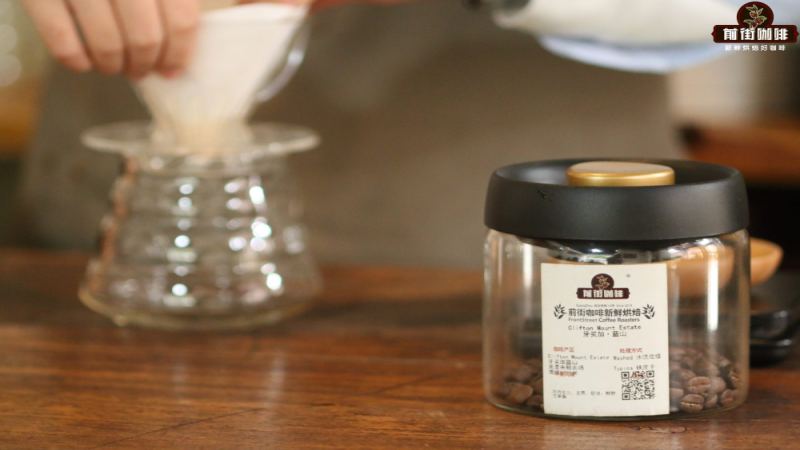
How Do You Brew Blue Mountain Coffee Pour-Over?
For Jamaican Blue Mountain No. 1 pour-over, the parameters are a KONO dripper, 88°C water, a 1:15 coffee-to-water ratio, and an EK43s grinder setting of 10.5, brewed with a three-pour method. This produces a balanced, smooth cup that reflects the bean's mild character.
Blue Mountain's reputation grew from Jamaica's mountain terroir and a 1969 hurricane recovery deal in which UCC of Japan provided aid. Jamaica then signed a thirty-year agreement supplying ninety percent of production to Japan, leaving roughly 245 tons for other markets. Grading runs from No. 1 down to PB.
Blue Mountain coffee enjoyed a stellar reputation long before the specialty coffee wave arrived, and the superior terroir of Jamaica's Blue Mountains gives it a unique flavor. This article traces the history of Blue Mountain coffee's rise to fame, the market impact of UCC Japan's aid and the thirty-year quota agreement, and how to distinguish authentic Blue Mountain from fakes, including markers such as oak barrel shipping and CIB certification. It also explains Blue Mountain's grading standards, from NO.1 down to PB. Finally, using Front Street Blue Mountain No.1 as an example, it provides pour-over parameters—KONO dripper, 88°C water, 1:15 coffee-to-water ratio, EK43s setting 10.5—and a three-pour method to help coffee lovers brew a balanced, smooth Blue Mountain flavor.
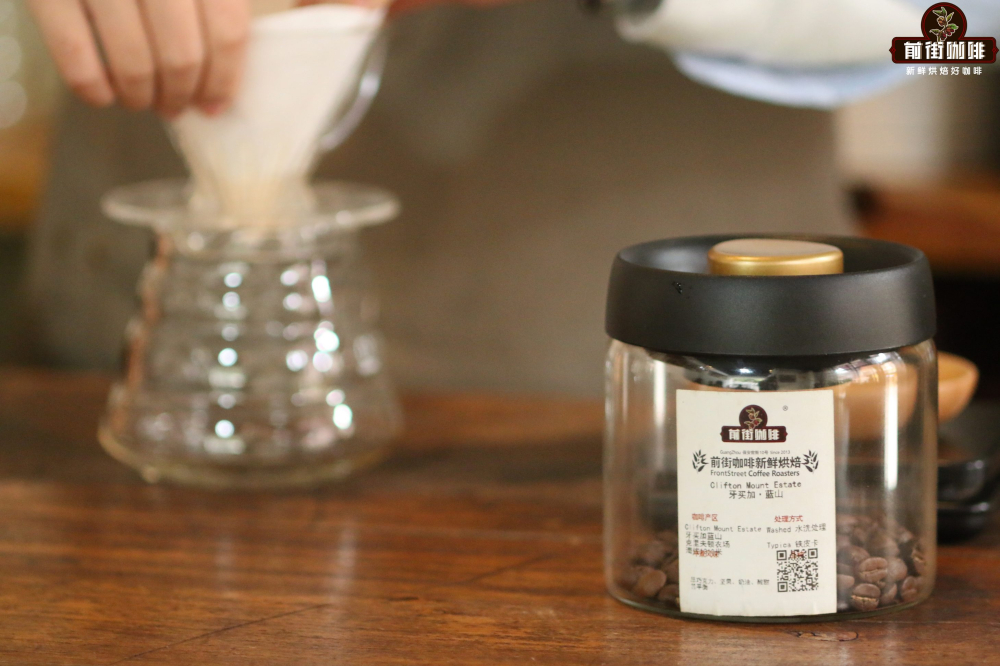
In an era when the concept of specialty coffee had not yet been widely accepted, the mainstream drinks market was dominated by coffee with a heavy body and strong bitterness. Yet Blue Mountain coffee, thanks to its extremely high profile, long sat firmly at the pinnacle of the coffee world. Whenever a coffee bean ranking is released, Blue Mountain almost always places near the top.
How did Blue Mountain coffee become famous?
Jamaica's Blue Mountains enjoy exceptional natural conditions, nurturing the world-famous Blue Mountain coffee. As early as before the 1960s, coffee beans produced in Jamaica were already highly favored in the coffee market.
In 1969, the entire island of Jamaica suffered a severe hurricane disaster. The Japanese company UCC not only provided financial aid to Jamaica but also brought scientific ecological cultivation methods to help the Blue Mountain coffee industry recover production. To express its gratitude, the Jamaican government signed a thirty-year agreement with the Japanese side, promising to supply ninety percent of Blue Mountain coffee's production quota to Japan, with the remaining roughly 245 tons—about 10%—sold to other markets. As the saying goes, scarce goods are precious; Blue Mountain coffee's own production was limited, it was further monopolized at the trade level, and demand was vigorously driven by marketing, so its price naturally climbed all the way up.
In fact, during the period when the agreement with Japan was in force, Blue Mountain coffee was not entirely consumed locally. Some beans would be resold at higher prices to other Asian countries and regions. Combined with Japan's continuously intensifying promotional efforts, coffee lovers in many neighboring countries and regions also began chasing Blue Mountain coffee, such as Singapore, South Korea, Taiwan China, and Hong Kong China. Since the 2000s, the "Blue Mountain craze" gradually spread to mainland China, so when we chat about coffee with our elders, the first name they often think of is "Blue Mountain."
When the 2008 global economic crisis broke out, Jamaica tried to sell Blue Mountain coffee to more countries, and it happened that the agreement with Japan had also expired, so it allocated more quota to other markets. As China's coffee consumption demand continues to grow, many domestic merchants are now able to import Blue Mountain coffee beans directly from Jamaica. Front Street's Jamaica Blue Mountain No.1 coffee comes from the long-established Clifton Estate and is processed using the traditional washed method.
Blue Mountain flavor coffee ≠ Blue Mountain coffee
As Front Street mentioned above, Blue Mountain is so famous, expensive, and hard to buy that products of mixed authenticity are not uncommon on the market. Various inferior coffees bearing the words "Blue Mountain" often mislead consumers. For example, the "Blue Mountain flavor," "Blue Mountain blend," and "Blue Mountain mix" commonly seen on shopping platforms all borrow the name of Blue Mountain, but in reality they are very different from true Blue Mountain coffee; some are even instant coffee, not at all the same thing as the real Blue Mountain we are talking about.
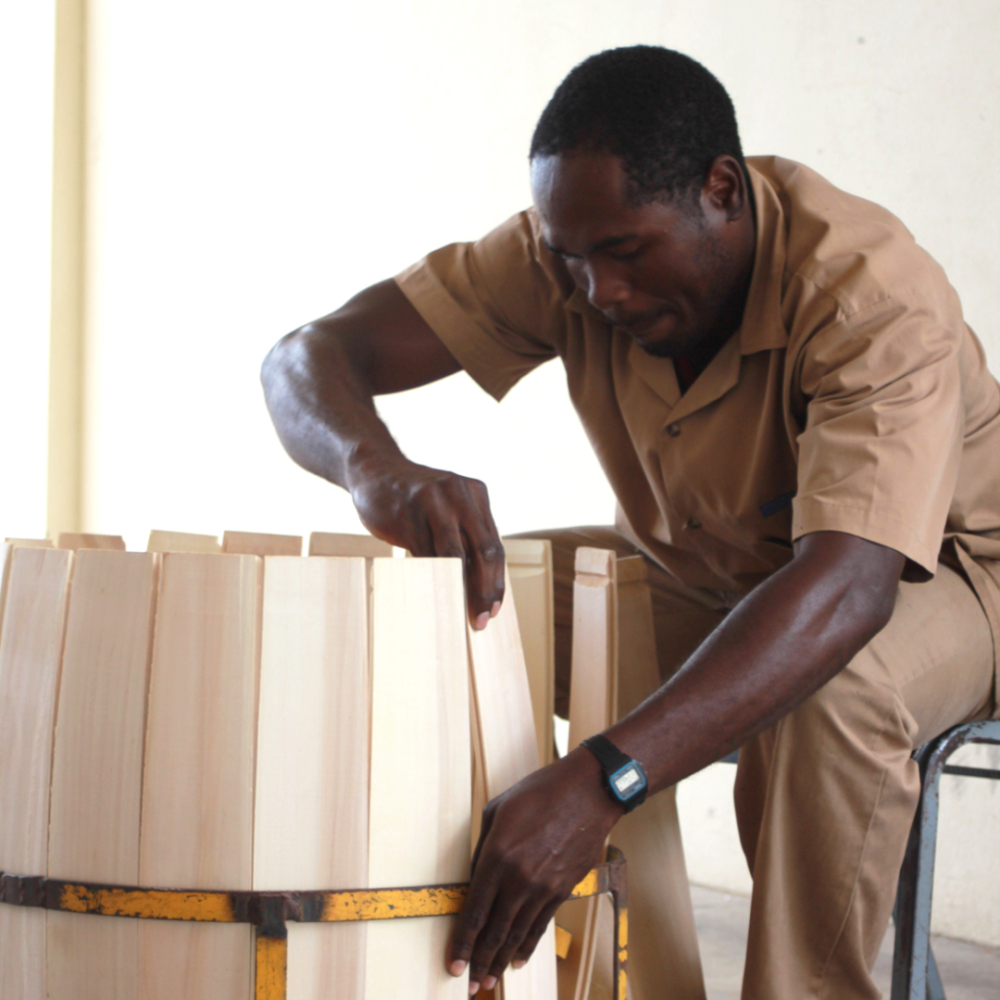
To be called the best coffee in the world, the price naturally cannot be too low. Therefore, "Blue Mountain beans" priced at only a few dozen yuan are very unlikely to be genuine. As a consumer, you can judge by whether the merchant has the handmade oak barrels used to transport Blue Mountain green beans. Jamaica is the only producing region in the world that uses oak barrels as the carrier for coffee transport. Compared with coarse burlap sacks, oak barrels can absorb and release internal and external moisture while blocking the escape of coffee aroma, keeping the beans at a more stable moisture content and making the roasting process more stable as well. Later, the barrel also became one of the symbols for identifying authentic Blue Mountain coffee.
In addition, dealers producing Blue Mountain coffee must obtain a license from the Jamaican government and authorization from the Jamaica Coffee Board. All Blue Mountain lots exported from the region must pass the Coffee Board's quality inspection and certification and carry the corresponding labels. Therefore, we can ask the merchant to show the relevant Blue Mountain certificates to determine whether it is authentic Blue Mountain. Front Street's Blue Mountain No.1 coffee is produced by Clifton Estate and has a quality certificate issued by the Jamaica Coffee Board, an authorized sales certificate issued by the Blue Mountain coffee producer, and a certificate of origin for Jamaican Blue Mountain coffee. The Dongshankou store also displays an oak barrel used for holding Blue Mountain green beans.
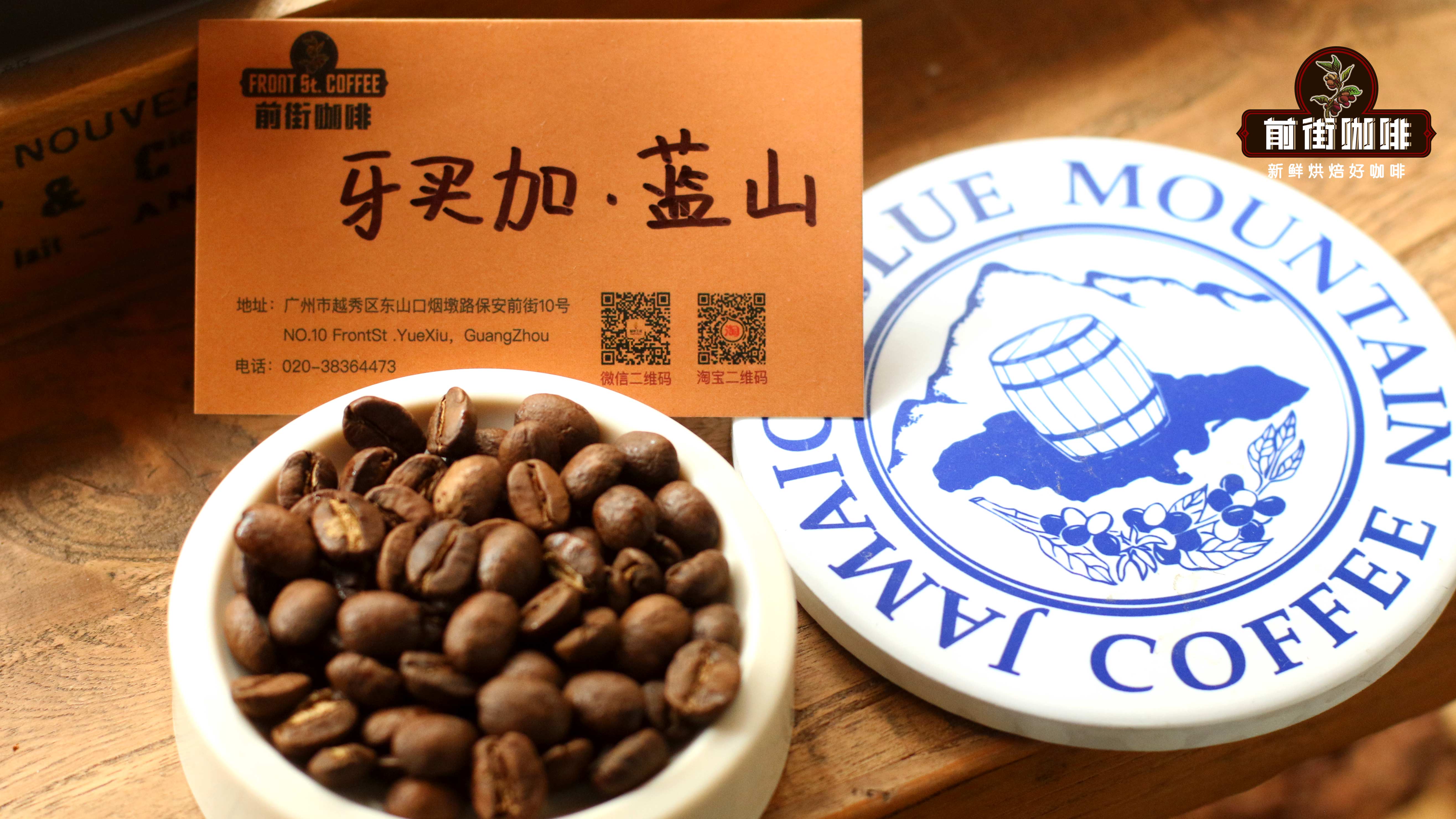
Which grade of Blue Mountain coffee beans is the best?
If you confirm that the Blue Mountain coffee beans you bought are genuine, I believe everyone hopes to drink the highest grade, since the higher the grade, the better the flavor performance usually is. The grading of Blue Mountain coffee is inspected and certified by the Jamaica Coffee Industry Board (CIB). In terms of green bean quality control, the CIB has set standards for the cultivation, production, and sales stages of Jamaican Blue Mountain coffee in order to improve coffee quality, standardize production and processing procedures, and coordinate the marketing of Blue Mountain coffee. The CIB is also responsible for the grading and quality inspection of coffee produced in the Blue Mountains. In other words, all Blue Mountain coffee sold around the world must pass CIB certification and bear its label.
Compared with other coffee-producing regions, Jamaica was the earliest country to recognize coffee's "taste of place." The standards for evaluating Blue Mountain green bean quality involve multiple aspects: green bean size, defect rate, color, uniformity, and cup performance after roasting (including dry aroma, wet aroma, acidity, flavor, body, cleanliness, etc.). Bean size is measured using screens with different aperture sizes; coffee beans that do not pass through the holes meet the corresponding size standard. Color evaluation combines visual observation with colorimeter readings, with blue-green being the highest grade.
Based on the above standards, Blue Mountain coffee is divided into 4 grades, from highest to lowest: NO.1, NO.2, NO.3, and PB, often translated in China as Blue Mountain No.1, Blue Mountain No.2, Blue Mountain No.3, and Blue Mountain Peaberry. Top-grade Blue Mountain No.1 green beans must reach a screen size of 17 or above, have a defect rate below 3%, and a moisture content of about 13%, and in cupping present rich coffee aroma, a smooth and balanced mouthfeel, low acidity, and a lasting sweet aftertaste.
Blue Mountain coffee is so expensive—how should you brew it so it is not wasted?
First, before brewing, Front Street will confirm the freshness of the coffee beans. If the roast date is already more than a month ago, Front Street will switch to fresher coffee beans. Coffee beans have an optimal flavor window after roasting; aroma accelerates its loss with storage time, making it difficult to present the original flavor during brewing. This is also why Front Street insists on shipping only coffee roasted within 5 days, hoping every customer can enjoy coffee beans at their fullest flavor window.
The charm of pour-over coffee lies in being able to adjust various subtle parameters and change the extraction variables at different stages, thereby obtaining the flavor and mouthfeel you like. Front Street believes that, in addition to the coffee beans themselves, extraction parameters likewise affect the final taste of a cup of pour-over coffee. Therefore, if you want to brew a rich, sweet-finishing Blue Mountain coffee, the following parameters all need attention.
When brewing coffee beans with a mainly bitter profile, Front Street usually gives priority to the KONO dripper, with the aim of highlighting the coffee's rich body. The upper part of the KONO dripper allows the filter paper to fit better. Compared with the v60 dripper, its extraction method is mainly immersion-style, which helps increase the coffee's overall concentration and enhance body. Similarly, the KONO dripper is also suitable for brewing Brazil Queen Estate coffee beans and Golden Mandheling coffee beans.
In addition, after a certain degree of roasting, medium-dark roasted coffee has a looser internal structure than light-roasted coffee and absorbs water better. To avoid over-extraction, Front Street chooses a grind size with a 75% pass rate on a No. 20 standard sieve, along with a water temperature of 88°C, paired with Front Street's usual three-stage pouring.
The parameters for brewing Blue Mountain No.1 at Front Street's store are:
Dripper: KONO dripper
Water temperature: 88°C
Coffee-to-water ratio: 1:15
Coffee grounds: 15g
Grind size: EK43s - setting 10.5 (75% pass rate on No. 20 standard sieve)
At Front Street, first wet the KONO dripper, then align and place the filter paper so it fits the dripper more closely. After pouring out the water in the server, add 15g of coffee grounds, bloom with 30g of water for 30s, then begin pouring in a small stream in circles around the center until 125g, at which point start segmenting; when the coffee bed drops to half the height of the dripper, begin the second pour using the same method until 225g; once all dripping is complete, remove the dripper.
Blue Mountain No.1 coffee drinks with the sweet fragrance of dark chocolate, the sweetness of caramel, and a soft, elegant acidity; each taste is balanced, and the mouthfeel is smooth and rich, with a very typical Blue Mountain flavor.
The above content is compiled by CoffeeHunters, a coffee news website.


