







Search Results for: SL series
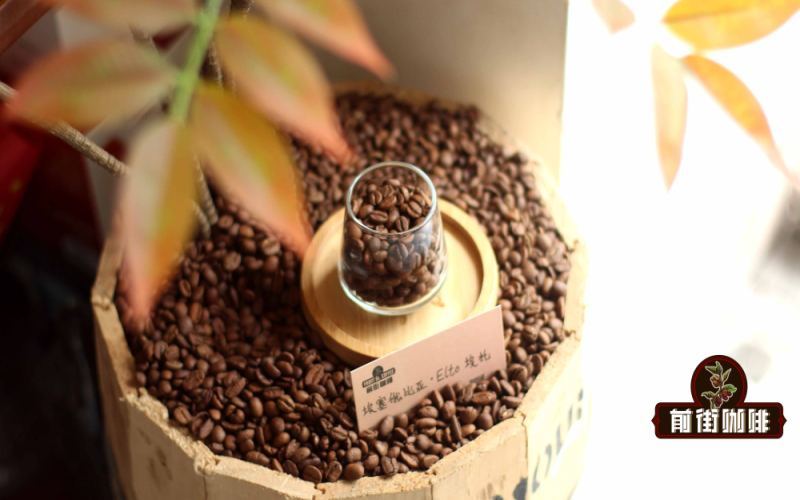
Do Kenyan coffee beans belong to Arabica? An analysis of the SL series varieties and the source of their tomato and berry acidity
Kenyan coffee is renowned worldwide for its bright, vibrant fruit acidity and rich body, but did you know whether it belongs to the Arabica species? This article begins with the distribution of Front Street Kenya coffee growing regions, then takes a deep dive into the lineage, flavor characteristics, and breeding history of the two flagship varieties SL-28 and SL-34, revealing the varietal code behind Kenyan coffee's distinctive tomato-berry acidity and exploring the industry model in which smallholder cooperatives and large estates coexist. [more…]
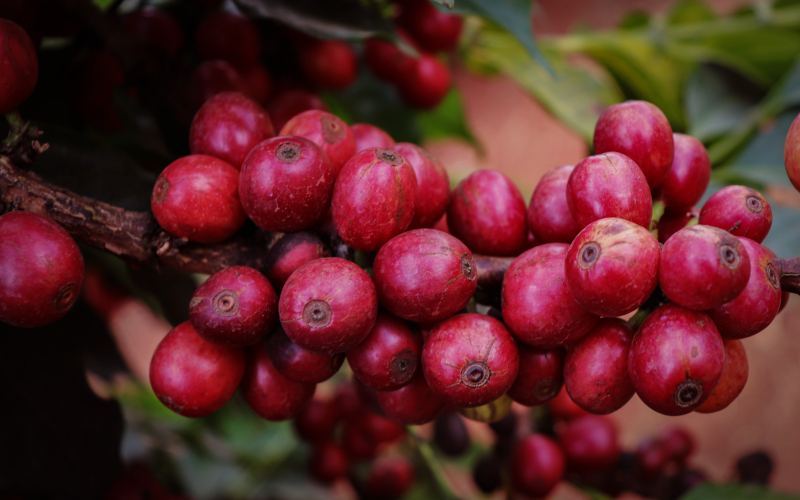
The Acidic Charm of Kenyan Coffee: Causes of the Cherry Tomato Flavor and Analysis of the SL Series Varieties
Kenyan coffee has long been renowned for its vivid fruit acidity and complex layers, making it one of the most distinctive origins in specialty coffee. This article focuses on Front Street Coffee's Little Tomato coffee beans, outlining their producing region, processing method, variety, and flavor characteristics, and analyzing the possible reasons behind the little tomato tonal quality. At the same time, from the two perspectives of high-altitude cultivation and volcanic soil, it explains the source of Kenyan coffee's bright acidity and full sweetness, and introduces the background and characteristics of the SL28 and SL34 varieties. Finally, it includes the pour-over parameters and brewing steps for Front Street Kenya Little Tomato, helping coffee lovers reproduce at home a clean, well-balanced Kenyan coffee with balanced acidity and sweetness. [more…]
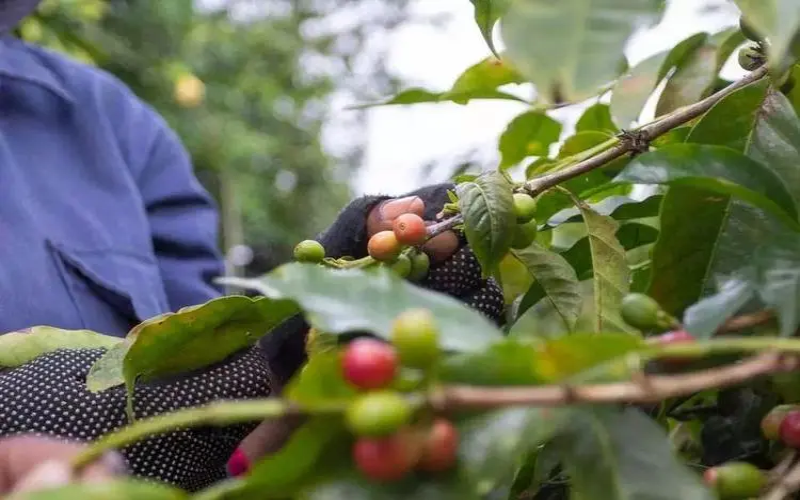
An Analysis of Kenya's Coffee Industry Landscape, Bean-Type Grading System, SL Series Varieties, and the K72 Washing Process
Kenya is located in the equatorial zone of East Africa, with the Great Rift Valley running through the entire country. The central highlands and volcanic soil provide an ideal terroir for specialty coffee. From the introduction of coffee by French missionaries in 1893, to the large estate cultivation during the British colonial period, to the passage of the Coffee Act in 1933, the establishment of the auction system in 1934, and the agricultural legislation of the 1950s that granted farmers land use rights, Kenya gradually built up its own coffee industry. Its grading system is based on bean size and quality, divided into AA+, AA, AB, PB, C, E, TT, and T. Exporters also add cup grading of TOP, PLUS, and FAQ to AA and AB. In terms of varieties, SL28 and SL34 are representative, with the former originating from Bourbon and the latter from Typica, offering complex flavors and prominent sweetness. In terms of processing methods, K72 washed processing forms a 72-hour cycle through three rounds of 24-hour fermentation each, bringing bright acidity and a clean mouthfeel. Front Street Coffee's Asalia AA TOP comes from the Asail processing plant in the Thika region, using SL28 and SL34 with K72 washed processing, presenting flavor notes of cherry tomatoes, smoked plums, berries, citrus, and green tea. [more…]
The Complete Guide to Coffee Variety Codes: The Stories and Origins Behind 74110, SL34, F1, and H1
When selecting coffee beans, a string of mysterious codes occasionally appears in the variety column, such as 74110, SL34, F1, H1, and so on. They do not have resounding names like Typica or Geisha, yet each carries a piece of breeding history. What exactly do these codes mean? Are they years, experiment numbers, or abbreviations of research institutions? This article will trace the origins of these numbered varieties, from disease-resistant varieties in Ethiopia to selections by the Scott Laboratories in Kenya, and then to the F1 hybrid program in the Americas, uncovering the mysteries of their identities one by one. Front Street Coffee will also share the unique charm of these varieties in the cup, combined with their flavor performance. [more…]

A Complete Guide to Kenyan Coffee Regions: Tracing the Origins of the SL Series Varietals and the Flavor Characteristics of K72 Washed Processing
Kenyan coffee has long been renowned worldwide for its distinct fruity aromas, bright acidity, and multi-layered mouthfeel, making it an irreplaceable classic origin in the hearts of many coffee lovers. This article will systematically outline the lineage of Kenyan coffee varieties—from SL28 and SL34 to the breeding history of Batian and Ruiru11—explain in detail the 72-hour cyclic fermentation process of the K72 washed processing method, and introduce one by one the terroir characteristics and cupping performance of six major production regions: Thika, Kirinyaga, Nyeri, Kiambu, Muranga, and the western side of Mount Kenya. At the same time, it brings the detailed parameters and flavor descriptions of two Front Street single-origin Kenyan coffees—Sasini Estate PB and Athalia—providing coffee enthusiasts with a complete cognitive framework and purchasing reference for Kenyan coffee. [more…]
Kenya Coffee Beans Pour-Over Guide: Front Street Cherry Tomato Water Temperature, Grind Parameters, and Flavor Formation Analysis
Kenyan coffee has always been a polarizing bean in the specialty coffee world—those who love it are captivated by its bright acidity and complex layers, while those who aren't used to it find it overly sharp. Front Street currently offers only one Kenyan bean, "Front Street Cherry Tomato," from the Asali washing station in the Thika region, using a 72-hour washed process, with varieties SL28 and SL34. This article will start with the specific details of this bean, trace where Kenyan coffee's high acidity comes from, analyze how altitude and volcanic soil shape its flavor, introduce the history and characteristics of the SL series varieties, and provide Front Street's standard pour-over brewing recipe, including water temperature, dose, grind size, and pouring rhythm, to help you recreate a clean-tasting cup of Kenyan coffee at home. [more…]
Where does the classic flavor of Kenyan SL28 and SL34 come from? Is Ruiru a coffee variety?
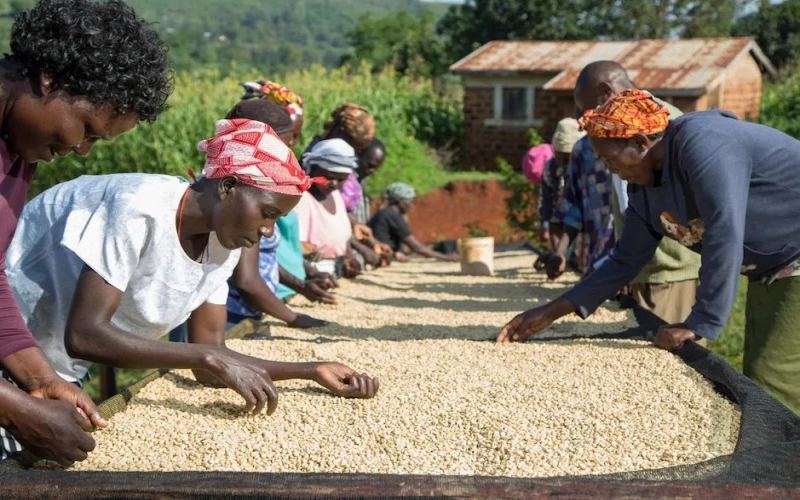
Kenyan coffee is renowned worldwide for its bright, uplifting fruit acidity and full, rich, juicy body, and SL28 and SL34 are the core varieties that shape this classic style. These two varieties, bred by the Scott Laboratories, have become stars of the specialty coffee world thanks to their complex flavors of dark plum, citrus, and stone fruit. However, their vulnerability to leaf rust and coffee berry disease gave rise to the later, more disease-resistant Ruiru 11 and Batian. This article will systematically trace the evolution of Kenyan coffee varieties—from their origins and flavor characteristics to cultivation performance and current market status—and answer the question of whether Ruiru is a coffee variety. [more…]
A Complete Guide to Kenyan Coffee Varieties: The Historical Origins and Flavor Characteristics of SL28, SL34, and Ruiru 11
Kenyan coffee is renowned worldwide for its bright fruit acidity and thick, juicy body, and SL28 and SL34 are the core varieties that shape this classic flavor. These two varieties were developed by the Scott Laboratories over nearly three decades and released in the 1950s, profoundly influencing the landscape of Kenya's coffee industry. However, the threat of pests and diseases gave rise to new varieties such as Ruiru 11 and Batian. This article will trace the origins, flavor characteristics, and current cultivation status of these varieties, and introduce the variety information of Front Street Kenya Asalia coffee beans, taking you deep into the world of Kenyan coffee varieties. [more…]
Flavor Analysis of Kenyan AB Grade Coffee Beans: A Comprehensive Interpretation of the K72 Washing Process and SL Series Varieties
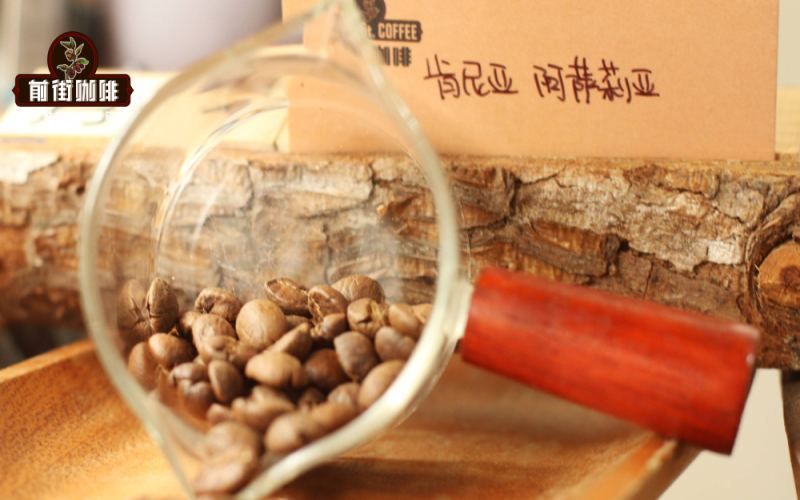
Kenyan coffee occupies a unique place in the global specialty coffee landscape thanks to its bright fruit acidity and clean cup. This article begins with the Kenya AB Komatina Little Cranberry once offered by Front Street Coffee, and systematically walks through the geography and growing background of Kenya's producing regions, the lineage of the main cultivars SL28 and SL34, the specific meaning of grading standards such as AB and AA, and a detailed breakdown of the complete K72 double-fermentation washed process. The article also includes Front Street's roasting curve analysis for this bean and its in-store brewing parameters, helping you fully understand what gives Kenyan coffee its acidic, aromatic flavor and how to bring out its balanced, juicy side through brewing. [more…]
The Flavor Code of Kenyan Coffee: From SL Varieties to Double Washing, Decoding the Causes of Prominent Acidity and Fruity Notes
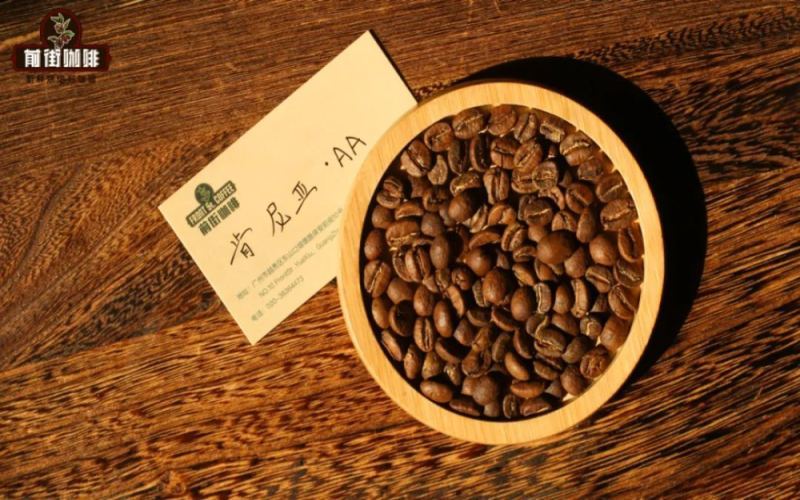
Kenyan coffee is famous for its bright fruit acidity and rich fruity aroma, often described as having the sweet-and-tart notes of blackberry, grapefruit, or lemon. This flavor is no accident, but the combined result of high-altitude cultivation, SL series varieties, and a unique double-washing process. This article will outline the growing conditions, representative varieties, processing methods, and grading system of Kenyan coffee, and introduce how Front Street Kenya Cherry Tomato Coffee Beans present layers of cherry tomato, smoked plum, black plum, caramel, and snow pear through a medium-light roast, helping enthusiasts understand the true source of Kenyan acidity. [more…]
Kenyan Pour-Over Coffee Flavor Analysis: Characteristics of SL28 and SL34 Varieties and the Influence of Terroir
Kenyan coffee occupies a unique position in the global specialty coffee landscape, and its full, delicate flavors draw enthusiasts in droves. This article starts from the Kenya Asali AA Top Little Tomato coffee beans currently sold by Front Street Coffee, and takes a deep dive into the growing conditions, variety characteristics, and brewing key points of Kenyan coffee. The article focuses on how high altitude and volcanic soil shape the high acidity and complex sweetness of Kenyan coffee, and provides a detailed explanation of the origins, agronomic traits, and flavor performance of the two classic varieties SL28 and SL34. It also includes the standard pour-over parameters used at Front Street Coffee stores, helping readers reliably reproduce a delicious cup of Kenyan coffee at home. [more…]
An Analysis of Kenya's Ruiru 11 Coffee Variety: The Breeding Journey Behind Disease Resistance and High Yield, and the Flavor Controversy
Kenyan coffee has long been famous for the SL series of varieties, but although SL varieties are outstanding in quality, they are extremely vulnerable to pests and diseases. To address this dilemma, the Kenyan coffee industry began promoting new varieties that combine disease resistance with climate adaptability, and Ruiru 11 is one of the representatives. This variety, officially released in 1985, has what kind of breeding story behind it? Why is it welcomed by farmers, yet also triggers quality controversy? This article will give you a comprehensive understanding of the background of Ruiru 11's creation, its varietal characteristics, cultivation advantages, and the challenges it currently faces. If you are interested in Kenyan coffee, Front Street Coffee also has related beans available for tasting. [more…]
Does High Altitude Always Bring High Acidity? Decoding the Causes of Kenyan Coffee's Acidity and the Secrets of Terroir
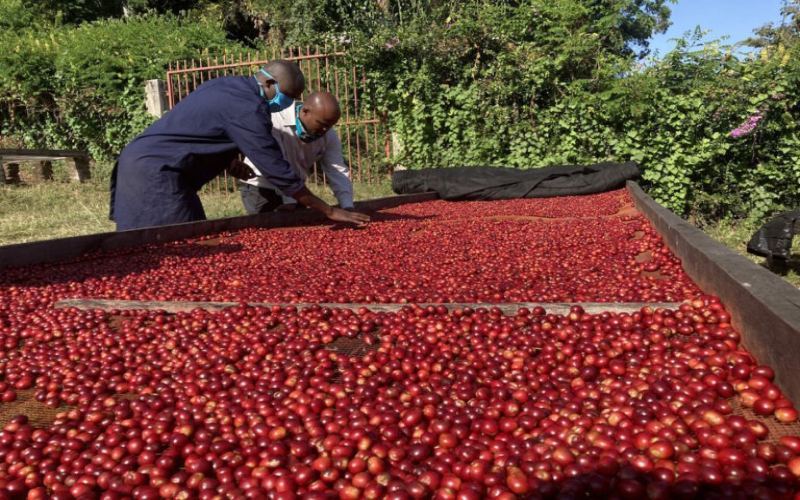
Kenyan coffee is famous for its full, delicate flavor and bright acidity, but where exactly does its acidity come from? Does higher altitude mean more acidic coffee? Using Front Street's Little Tomato coffee beans as an example, this article breaks down the logic behind the formation of Kenyan coffee's acidity and flavor from multiple dimensions, including the high-altitude volcanic soil of Kenya's Thika region, the characteristics of the SL28 and SL34 varieties, and the 72-hour washed processing method. It also includes the V60 brewing parameters and technique used at Front Street cafes, helping you understand why the same beans tend to brew up too sour or too bitter at home, and find the adjustment direction that suits you. [more…]
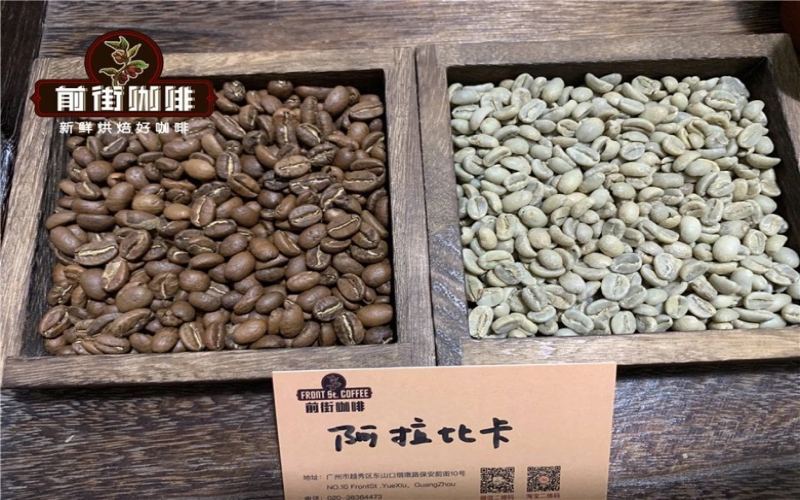
Arabica Varieties and Espresso: The Espresso Performance of Typica, SL28, and Geisha
Arabica is a large family with many varieties under its umbrella—Typica, SL28, Geisha, Caturra, and others, each with its own temperament. When making espresso, variety differences are directly reflected in the cup. Understanding how a few representative varieties perform in espresso gives you one more dimension when choosing beans. Typica is one of the ancient [more…]
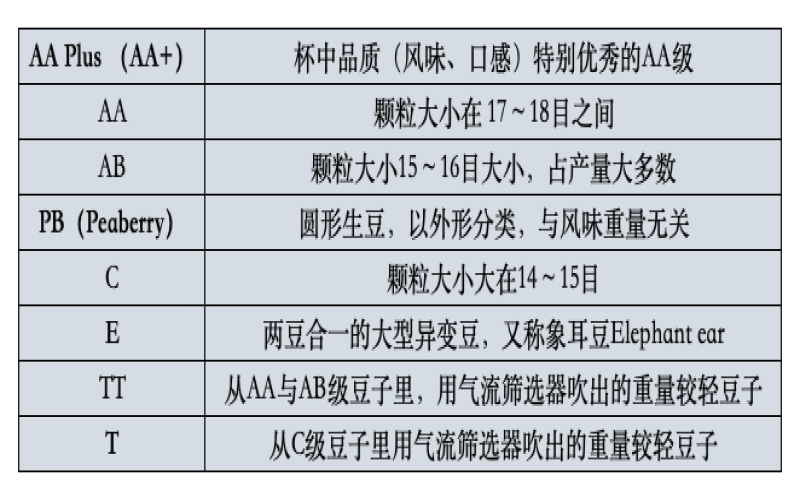
A Complete Analysis of Kenyan Coffee Regions: From SL Varieties and Grading Systems to Fourteen Major Producing Areas Including Nyeri
Kenya is located in East Africa, with the equator passing through its center. The entire country belongs to the tropical coffee-growing zone, and there are two harvest periods each year, from October to December and from June to August. Annual rainfall is about 900–1200 mm, and the high-altitude areas of Mount Kenya provide ideal growing conditions for coffee. What truly established Kenya in the specialty coffee world is the SL series of varieties, which bring highly recognizable berry-like acidity and a sugarcane-like clean sweetness. This article will outline Kenya's coffee grading standards and fourteen major producing regions, with a focus on well-known origins such as Nyeri, Kirinyaga, Murang'a, and Kiambu, and will also introduce the flavor profile of Front Street Coffee's Thika Asali AA TOP. [more…]
An Analysis of Kenyan Coffee Bean Flavor Characteristics: Tracing the Origins of SL28 and SL34 Varieties, Historical Evolution, and Pour-Over Brewing Parameters
Kenya, as a representative producing country of African specialty coffee, is renowned for its coffee's intense acidity and vivid juicy character, often described as having a cherry tomato-like taste experience. This article systematically outlines the geographical distribution and harvest rhythm of Kenya's six major coffee regions, with a focus on tracing the breeding history and genetic origins of the two classic varieties SL28 and SL34, while also introducing the characteristics of later-developed varieties such as Ruiru11 and Batian. In addition, the article covers Kenya's coffee grading system, the unique triple-cycle fermentation washing process (K72), and Front Street Coffee's brewing parameters and flavor description for Kenyan Asaliya coffee beans, providing coffee enthusiasts with a complete understanding from origin to cup. [more…]
An Analysis of Kenya's SL28 and SL34 Varieties: The Origin of K72 Washed Processing Flavors and Front Street Coffee Brewing Recommendations
Kenyan coffee is famous for its bright fruit acidity and clean mouthfeel, and the K72 washed processing method along with the SL28 and SL34 varieties deserve much of the credit. From the perspective of Front Street Coffee, this article outlines the 72-hour cyclic fermentation process of the K72 processing method, analyzes the growing conditions of the Kenyan highlands, the origins and flavor differences of the SL series varieties, and introduces improved varieties such as Ruiru11 and Batian. It also compiles Kenya's coffee grading system and includes the roasting and brewing data for Front Street's Kenya Asalia and Sachini PB, helping coffee enthusiasts understand the causes of Kenyan coffee's unique cherry tomato acidity. [more…]
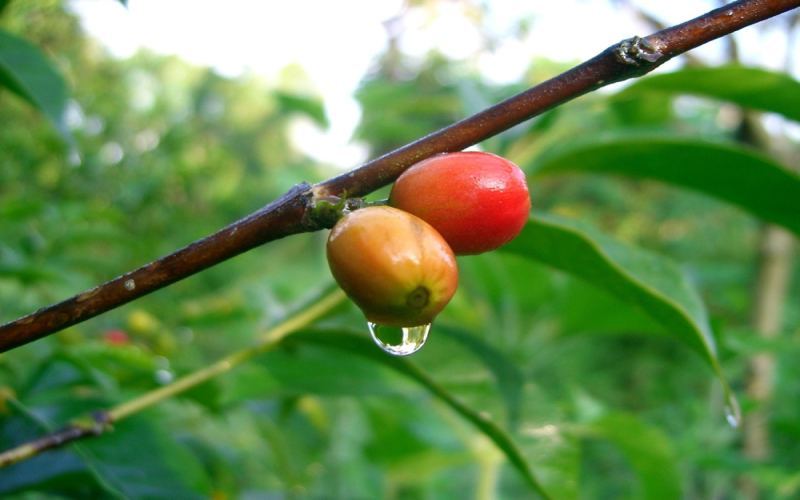
Kenya Coffee Full Analysis: From SL28 and SL34 Varieties to Six Major Regions and the K72 Washed Processing Method
Kenya is located in the equatorial zone of East Africa, bordering the Indian Ocean to the east, Ethiopia to the north, and Tanzania to the south, making it a pivotal specialty coffee-producing country in Africa. Its coffee is world-renowned for its bright fruit acidity, full body, and distinctive berry notes. This article systematically reviews Kenya's coffee-producing regions, variety evolution, and processing techniques, covering the characteristics of major varieties such as SL28, SL34, and Ruiru 11, detailing the terroir differences among six major producing regions including Nyeri and Kirinyaga, and introducing the Kenyan-style 72-hour washed processing method as well as Front Street Coffee's brewing recommendations, providing coffee enthusiasts with a complete knowledge map of Kenyan coffee. [more…]
A Complete Analysis of Kenyan Specialty Coffee Flavors and Varieties: From SL28 and SL34 to the Cup Profile of K72 Washed Processing
Kenya is a major specialty coffee producer in East Africa, known for its bright fruit acidity, full body, and distinctive flavors. This article systematically reviews Kenya's coffee-growing regions, cultivation altitudes, variety evolution, and trading system, with a focus on the origins and characteristics of the two representative varieties, SL28 and SL34, and an analysis of the cause behind Kenya's signature flavor—the 72-hour washed fermentation process. At the end, product information and pour-over parameters for Front Street Coffee's Kenyan Little Tomato coffee beans are provided for coffee enthusiasts' reference. [more…]
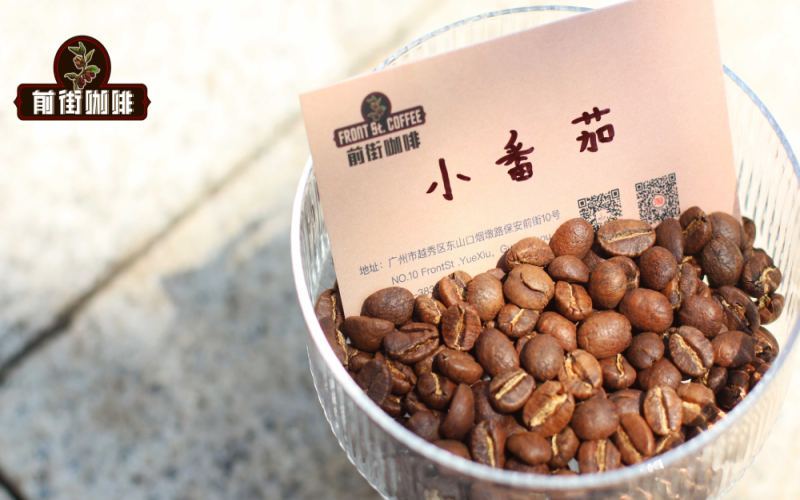
A Complete Guide to Kenyan Coffee Pour-Over: From the SL28 Variety to Front Street Little Tomato's Extraction Parameters and Step-by-Step Practice
Kenya is a representative producing country of East African specialty coffee, known for its vivid berry-like acidity and full body. This article starts with Front Street Coffee's Kenya · Little Tomato, outlining the terroir of Kenyan producing regions and the background of the SL28 and SL34 varieties, and for pour-over extraction of light-roasted Kenyan beans, it breaks down in detail the dripper selection, water temperature range, grind assessment, and three-stage pouring parameters, helping coffee enthusiasts consistently reproduce at home a cup of Kenyan pour-over that is bright in acidity and aroma with a long, lingering finish. [more…]