







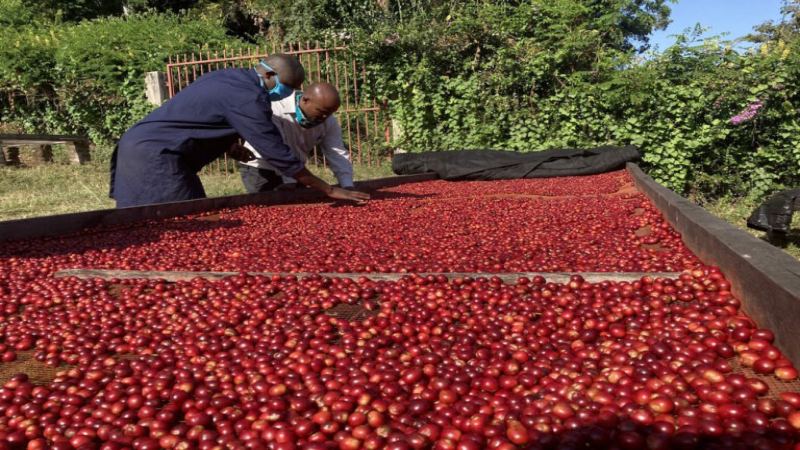
Kenyan coffee is famous for its full, delicate flavor and bright acidity, but where exactly does that acidity come from? Does higher altitude mean more acidity? This article uses Front Street's Little Tomato coffee beans as an example to break down the logic behind Kenyan coffee's acidity and flavor from multiple angles: the high-altitude volcanic soil of Kenya's Thika region, the characteristics of the SL28 and SL34 varieties, and the 72-hour washed processing method. It also includes the V60 brewing parameters and technique used at Front Street's cafe, helping you understand why the same beans can easily brew up too sour or too bitter at home, and find the adjustment direction that suits you.
For more specialty coffee knowledge, please follow our WeChat official account: Front Street Coffee (FrontStreet Coffee)
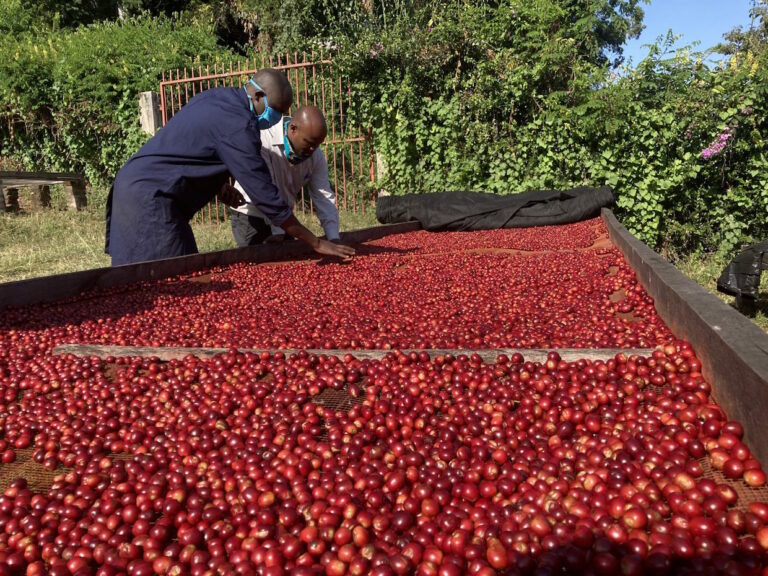
When taking stock of the world's top coffee regions, there aren't actually many that consistently make the top ranks. Front Street believes Kenya deserves one of those spots. Although Kenya's coffee-growing history is shorter than that of many traditional producing countries, it has a complete production and sales chain, and its smallholder-dominated growing model has allowed the industry to grow rapidly in a short time. Kenya's coffee farms are mainly distributed across the highlands and hills around Mount Kenya.
In Front Street's view, Kenyan coffee is the love-it-or-hate-it type—those who adore it are captivated, while those who aren't used to it may keep their distance. Front Street believes the key to Kenyan coffee ranking among the very best of specialty lies in its overall full body, delicate layers, and complexity. These traits don't come out of nowhere; Kenya's coffee farmers enjoy many favorable conditions, from natural terroir to business strategies, all of which support its quality. Today, Front Street uses the Little Tomato coffee beans as a thread to guide you deeper into the charm of Kenyan coffee culture.
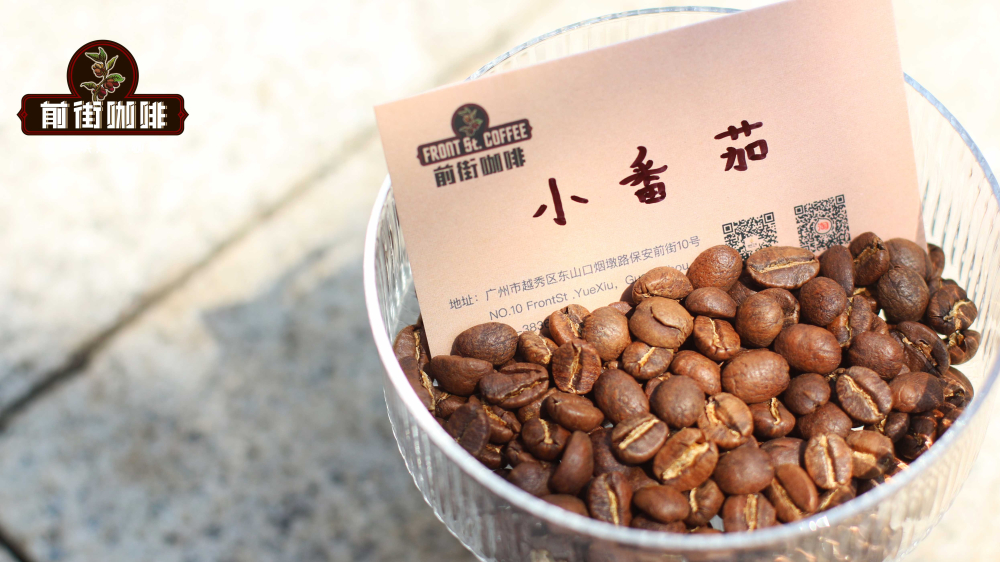
Since opening, Front Street has handled quite a few Kenyan coffees. In Front Street's view, Kenyan beans are not only outstanding in quality but also among the most common single-origin coffees on the market. Currently, Front Street's bean list has only one Kenyan coffee for sale, called "Little Tomato"—you can probably guess its flavor direction just from the name. Here is the specific information for this Front Street Kenyan Little Tomato coffee:
【Kenya Asali AA Top Little Tomato】
Country: Kenya
Region: Thika
Washing Station: Asali Washing Station
Altitude: 1550-1750 meters
Soil: Volcanic soil
Varieties: SL28, SL34
Processing method: 72-hour washed
What are the flavor characteristics of this bean? How does it taste? Friends familiar with coffee should know that Kenyan coffee is known for its full, balanced mouthfeel. However, beans from different regions will have subtle differences, with specific performance depending on the growing area, variety, and processing method.
Depending on variety differences, flavors can range from blackcurrant and other berry notes to citrus fruits. Front Street Coffee (FrontStreet Coffee) Asalia coffee beans have a medium body, rich caramel sweetness, very bright acidity, a faint little-tomato note, prominent dark plum notes, and overall cleanliness. In recent Kenyan coffees, Front Street can only faintly capture the little-tomato flavor. Front Street believes this is mainly related to changes in the soil properties of Kenya's producing regions. The bright, high acidity of Kenyan coffee is precisely one of the key factors that fascinates many coffee lovers. Front Street believes this is inseparable from Kenya's high altitude and volcanic soil.
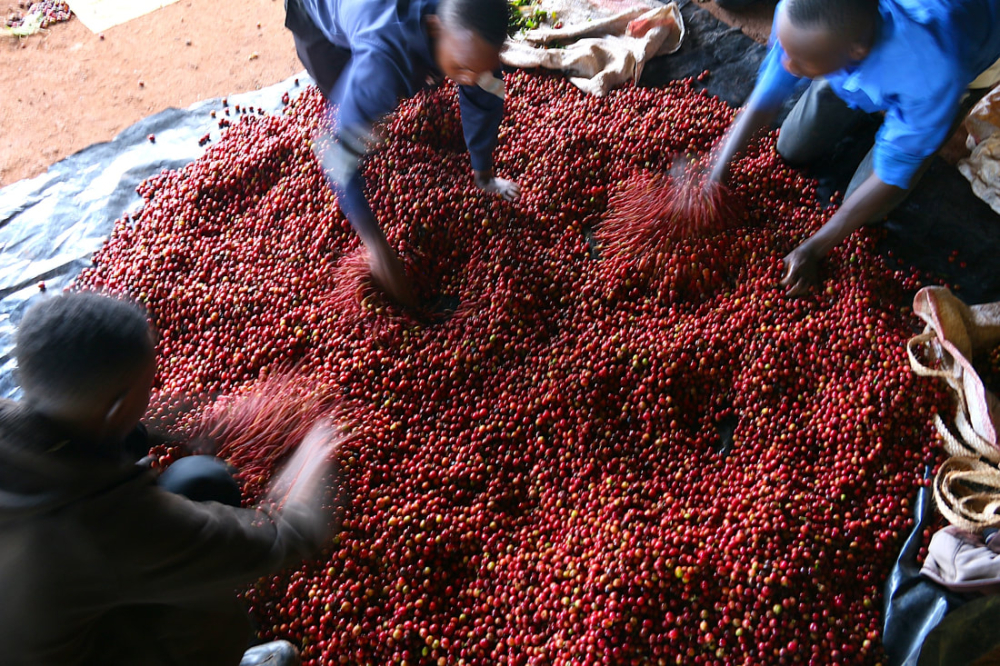
The relationship between altitude and coffee bean flavor
It is generally believed that the higher the altitude at which coffee is grown, the better the quality. In fact, some countries (such as Honduras and El Salvador) even grade coffee directly by altitude—the higher the altitude, the higher the grade. Why is this? Front Street explains it here: the higher the altitude, the lower the temperature. Like many things in life, growing good coffee can't be rushed. Lower temperatures mean coffee beans grow more slowly, and the fruit wrapping the seeds matures more slowly as well.
This extra time allows the coffee fruit to develop complex flavors. The slower the coffee grows, the denser the beans and the better the taste. High altitude also means better drainage, and smooth drainage reduces moisture in the coffee, thereby concentrating sugars and flavors. In addition, coffee trees grown at high altitudes are less susceptible to pests and diseases (such as widespread leaf rust), resulting in fewer crop defects. This is another factor that improves overall quality.
The relationship between volcanic soil and coffee bean flavor
Volcanoes bring many benefits to plant growth. Volcanic soil is nutrient-rich and full of various minerals, providing an extremely fertile growing medium for coffee plants. Nutrients needed for coffee to thrive—such as phosphorus, potassium, boron, iron, and zinc—can all be found in volcanic soil. Volcanic soil is light and loose in texture, with better drainage. Besides soil, volcanoes also provide shade for coffee trees, slowing the ripening of coffee cherries. In addition, volcanoes bring high altitude and microclimates, allowing coffee to grow well in many respects.
Friends familiar with Front Street Coffee (FrontStreet Coffee) will notice that the Kenyan bean varieties listed on Front Street Coffee (FrontStreet Coffee) packaging are different from other producing countries—they read SL28 and SL34, which sound like robot code names. In fact, SL is short for Scott Laboratories, the name of the research institution that first bred these varieties in Kenya in the 1930s. Although there are several other "official" SL varieties recognized by the World Coffee Research organization, SL28 and SL34 are the two most favored in the specialty coffee world. Recent research has confirmed that this series of coffee is related to the Bourbon genome.
The SL-28 tree is tall, with green leaf tips, high yield, and excellent cup quality. They have very low nutrient requirements and are drought-tolerant, but are susceptible to coffee leaf rust, coffee berry disease (CBD), and soil nematodes. SL-28 trees begin producing large cherries after three years, and with proper management, their "milling loss" is very low (that is, the ratio of parchment to green beans is appropriate). By comparison, SL-34's tree structure is similar to SL-28's.
The most obvious visual difference between the two is that SL-34's leaf tips are dark bronze rather than green. SL-34 has higher nutrient requirements and slightly lower yield. Very similar to SL-28, they are also susceptible to CBD, leaf rust, and pest attacks. SL series varieties have been grown in Kenya for decades, far longer than other popular varieties in the country, and are naturally adapted to the country's climate conditions. Today, it is estimated that SL series varieties account for 80% of all Kenyan coffee exports.
Kenyan coffee is not easy to brew well. Many of Front Street's customers have reported after buying beans and taking them home that the brew comes out either too sour or too bitter, and they can't taste anything like what is served in the cafe. Here, Front Street provides the standard brewing parameters used in Front Street's daily cafe service:
Front Street Coffee (FrontStreet Coffee) brewing parameters:
V60 dripper
Water temperature 91℃
Water-to-coffee ratio 1:15
Dose 15g
Grind size (80% passing through a Chinese No. 20 standard sieve)
Front Street brewing technique: First bloom with 30 grams of water for 30 seconds, then pour in a small stream in circles until 125 grams for a split pour; when the water level drops and is about to expose the coffee bed, continue pouring until 225 grams and stop; when the water level drops again and is about to expose the coffee bed, remove the dripper. Total extraction time (timed from the start of blooming) is 2 minutes 00 seconds. Use this standard as a starting point, then adjust according to personal taste preferences to find the brewing method that suits you. With more practice at home, I believe you will definitely be able to brew a delicious cup of Kenyan coffee.
The above content is compiled by CoffeeHunters, a coffee news website.


