







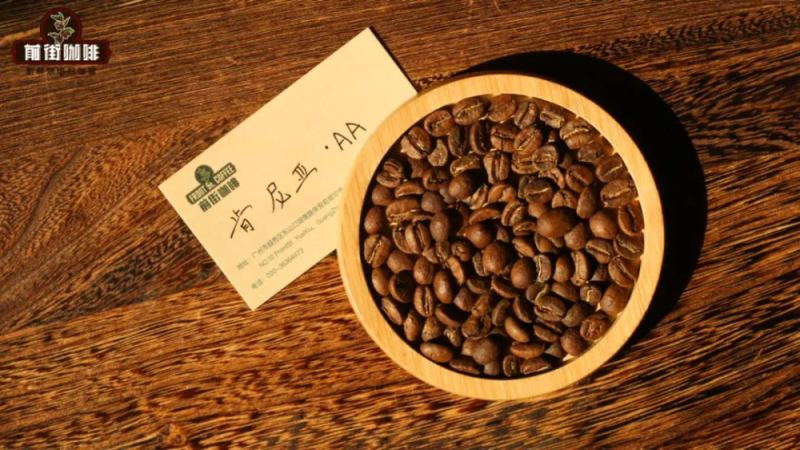
Why does Kenya coffee beans taste so acidic?
Kenya coffee is known for bright fruit acidity and a heavy aroma, often described as blackberry, grapefruit or lemon. Three things cause it: cultivation at 1,200 to 2,000 meters where cherries ripen slowly, the SL28 and SL34 varieties, and a double washed processing method that removes fruit and mucilage in two stages before drying.
SL stands for Scott Laboratories, the Kenyan research body that developed the series in the 1930s; SL28 and SL34 were two of 40 trial varieties and are now among the most sought-after in specialty coffee. SL28 brings dark plum and citrus with wine-like depth, SL34 adds nut and spice notes, and Kenya's high-phosphoric-acid soil supports the structure behind that acidity.
Kenyan coffee is renowned for its bright fruit acidity and rich fruity aroma, often described as having the sweet-tart character of blackberry, grapefruit, or lemon. This flavor is no accident, but rather the result of high-altitude cultivation, SL series varieties, and a unique double washed processing method working together. This article will outline the growing conditions, representative varieties, processing techniques, and grading system of Kenyan coffee, and introduce how Front Street Kenya Small Tomato Coffee Beans present layers of cherry tomato, dark plum, black plum, caramel, and snow pear through a medium-light roast, helping enthusiasts understand the true source of Kenya's acidity.
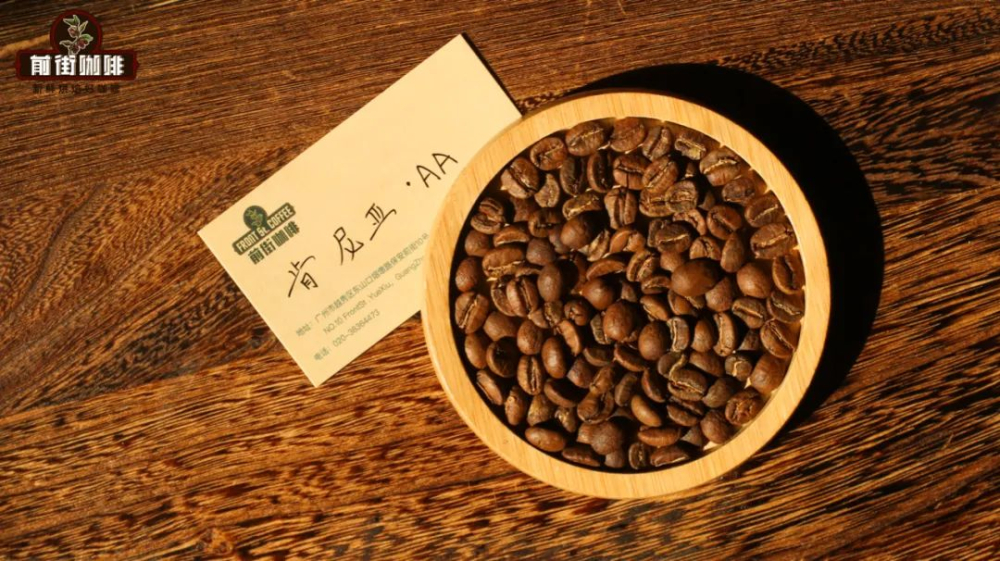
Front Street Kenya Coffee Beans exude a fascinating fruity character, with hints of blackberry and grapefruit on the palate, sometimes interwoven with lemon-like sweet and tart notes, and a rich, full aroma. However, the true soul of Kenyan coffee goes beyond fruity flavors—it lies in its distinct acidity. Although Kenya and Ethiopia are both on the African continent and neighbor each other, the coffees they produce show quite obvious differences in flavor direction.
Kenya's mountain elevations generally range from 1,200 to 2,000 meters. Anyone familiar with coffee cultivation knows that such altitudes are extremely ideal for coffee trees. Mountain temperatures are relatively low, coffee cherries ripen slowly, aromatic substances accumulate fully, fruit acidity becomes more pronounced, and the beans are also harder.
In Kenya, the most representative varieties are SL28 and SL34. SL is short for Scott Laboratories, which is also the name of the Kenya Coffee Research Center; the institution first developed the SL series in the 1930s. SL28 and SL34 were two of the 40 experimental varieties in that research program, and today they have become the most famous and sought-after varieties in the specialty coffee world. SL28 has obvious dark plum and citrus flavors, with a deep, intense stone-fruit acidity and a rich, sweet texture reminiscent of wine; SL34 shows good fruit acidity along with notes of nuts and spices. These varieties, together with Kenya's distinctive high-phosphoric-acid soil, broke the long-held prejudice that artificially selected varieties are inferior to natural varieties, and also earned Kenyan coffee an extremely high international reputation.
In terms of processing methods, Kenyan coffee cherries are usually sent to cooperative farms for unified processing, mainly using the washed method. The unique flavor of Kenyan coffee is also inseparable from the local exquisite washing technique. In Central and South America, washed fermentation generally does not exceed 36 hours, while in Kenya the washing time can last up to 72 hours: after 48 hours of fermentation, the surface pectin is completely removed, and then the beans still need another 24 hours of soaking in clean water. This unique process is called "Kenyan double fermentation" or the "double soaking" washed method. The extra fermentation step gives the coffee an astonishing flavor performance, making the cup bright and clean.
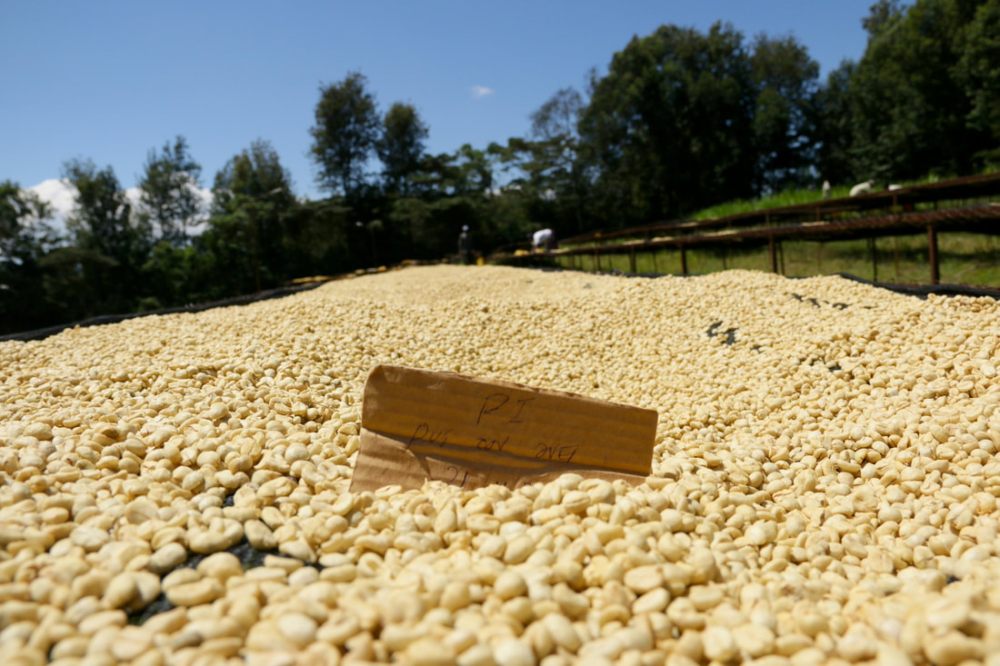
In terms of grading, coffee grading standards vary widely. Kenya mainly classifies by bean size, and it is also one of the few countries that separates round beans for sale.
The grading of Kenyan beans comprehensively considers bean size, shape, and hardness, from best to lowest as follows: PB (highest grade), AA++, AA+, AA, AB (lowest grade). Front Street Kenya Small Tomato Coffee Beans belong to the highest grade, AA, and use K72-hour washed processing, with plump and uniform beans. In order to retain more floral and fruity aromas, Front Street chooses a medium-light roast level, giving the coffee a unique taste of cherry tomato, dark plum, black plum, caramel, and snow pear.
The above content is compiled by CoffeeHunters, a coffee news website.


