







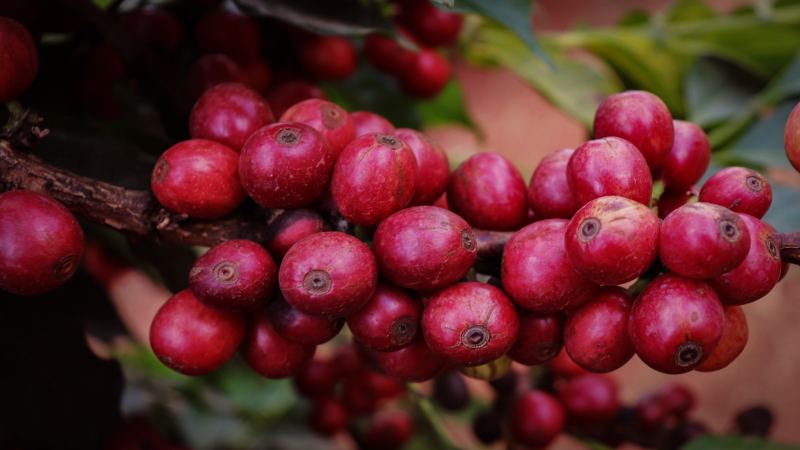
How Do You Brew Kenya Coffee Beans at Home?
Kenyan coffee is known for bright acidity and layered fruit, and the one Kenyan bean currently on Front Street's list, called Cherry Tomato, comes from the Asali processing station in Thika. It is a 72-hour washed lot of SL28 and SL34 grown at 1,550 to 1,750 meters in volcanic soil. A standard pour-over plan, with the right water temperature and grind size, brings out its clean, complex cup.
The high acidity traces back to altitude and volcanic soil, which slow cherry ripening and concentrate sugars and acids. The SL series varieties, bred in Kenya in the twentieth century, add the blackcurrant and tomato-like notes many drinkers associate with the region. Coffee trees on these estates benefit from the same conditions, and the pour-over recipe uses a medium-fine grind with a slow, even pouring rhythm.
Kenyan coffee has always been a polarizing bean in the specialty coffee circle—those who love it are obsessed with its bright acidity and complex layers, while those who aren't used to it find it too stimulating. Front Street Coffee currently has only one Kenyan bean on sale, called "Front Street Cherry Tomato," from the Asali processing station in the Thika region, using a 72-hour washed process, with varieties SL28 and SL34. This article will start from the specific information of this bean, sort out where Kenyan coffee's high acidity comes from, analyze the shaping effect of altitude and volcanic soil on flavor, introduce the history and characteristics of the SL series varieties, and provide Front Street's standard pour-over extraction plan, including water temperature, coffee dose, grind size, and pouring rhythm, to help you reproduce a cup of clean-flavored Kenyan coffee at home.
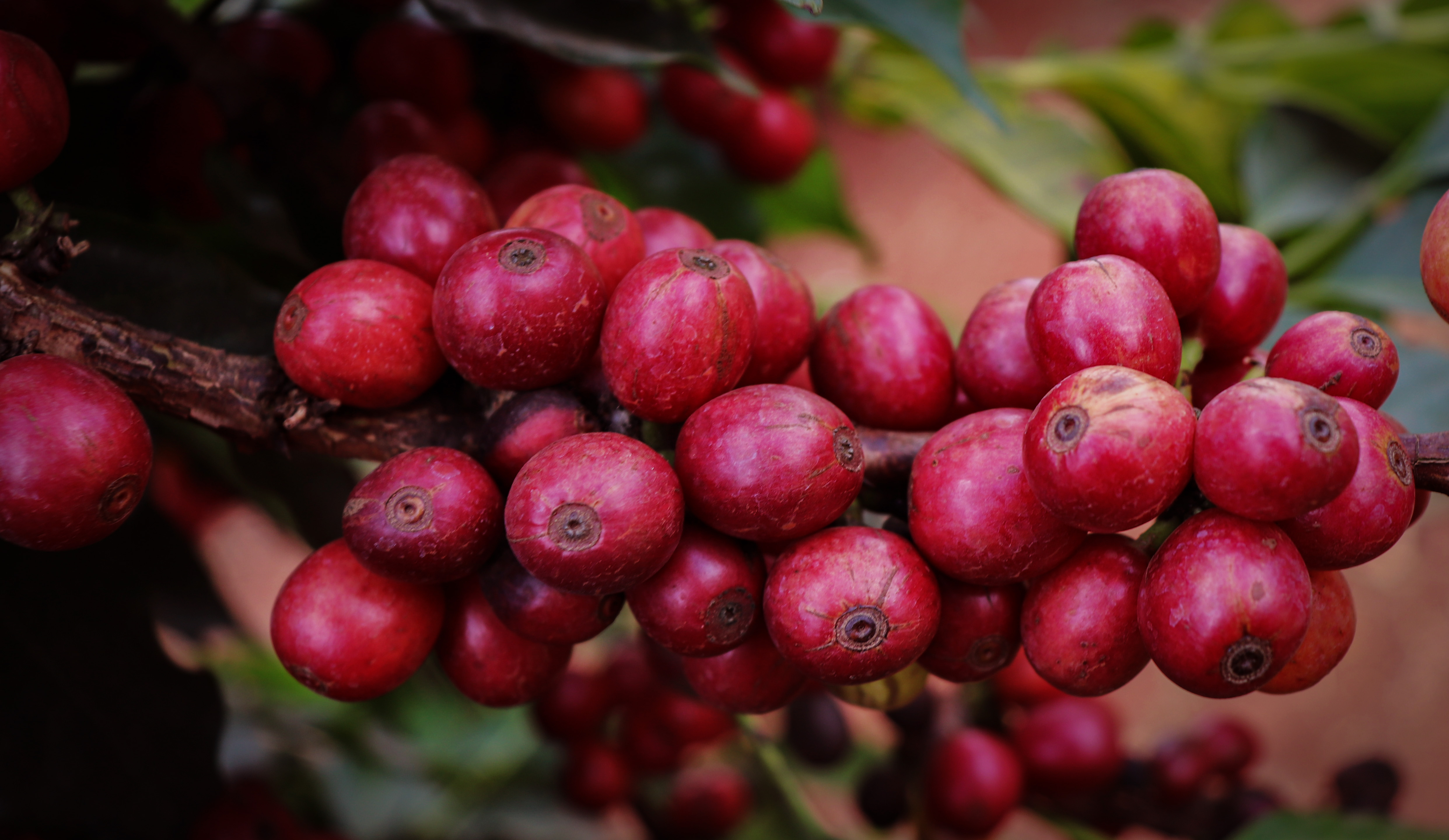
Front Street Kenyan coffee is a rather polarizing bean—those who like it are fascinated by it, while those who aren't used to it keep their distance. The reason it can stand at the forefront of specialty coffee is its overall full yet delicate and complex flavor performance. This quality does not come out of nowhere; Kenyan growers have many inherent advantages, including ideal natural growing conditions and mature commercial operation strategies. Below, taking Front Street Cherry Tomato coffee beans as an example, let's talk specifically about what makes Kenyan coffee culture unique.
Since opening, Front Street has brought in quite a few Kenyan beans, and the current Kenyan coffee is not only stable in quality but also one of the most common single-origin coffees on the market. At present, there is only one Kenyan coffee on Front Street's bean list, named "Front Street Cherry Tomato." Just from the name, you can probably guess its flavor direction. Below is the detailed profile of this bean:
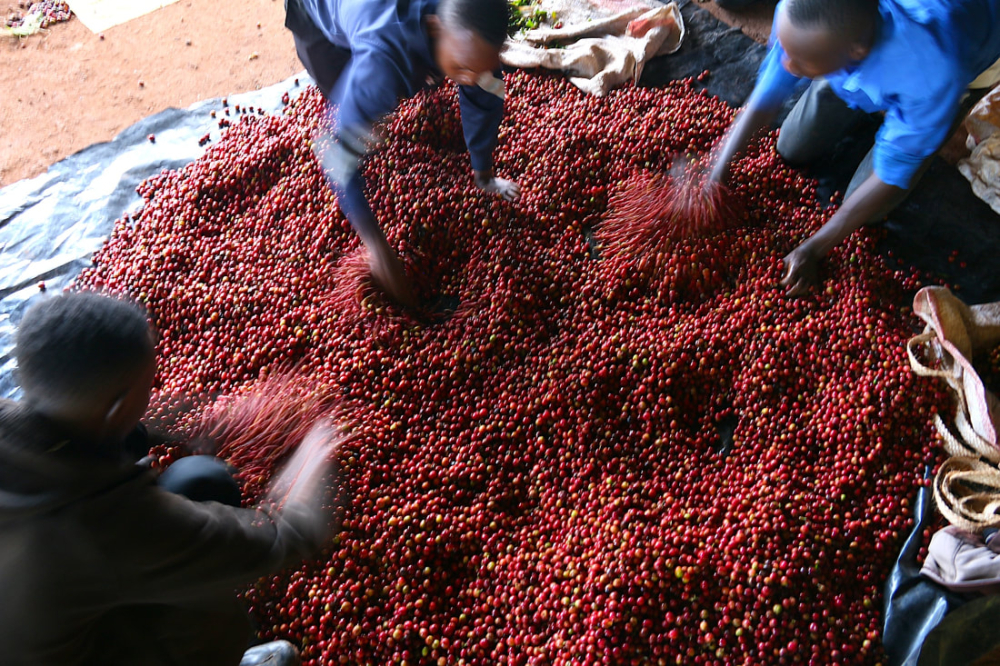
[Front Street Kenya Cherry Tomato AA Top]
Country: Kenya
Region: Thika
Processing Station: Asali Processing Station
Altitude: 1,550-1,750 meters
Soil: Volcanic soil
Varieties: SL28, SL34
Processing Method: 72-hour washed
So what are the flavor characteristics of this bean, and what does it taste like? Friends familiar with Kenyan coffee should know that it has always been known for its full and balanced mouthfeel. However, beans from different regions will have slight differences, and the specific performance depends on the growing area, variety, and processing method.
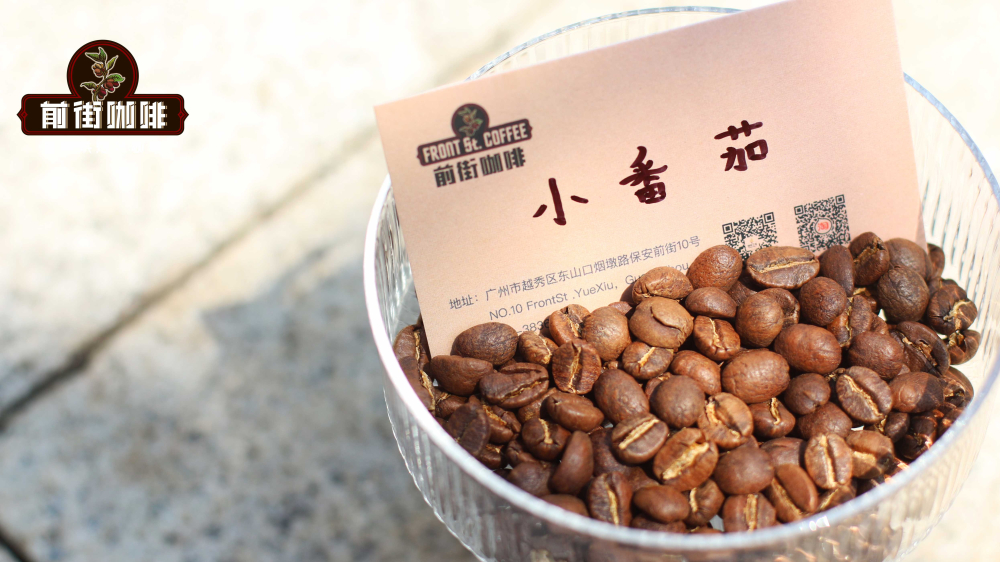
Different varieties can span flavors ranging from blackcurrant-type berries to citrus notes. Front Street Cherry Tomato coffee beans have a medium body, obvious caramel sweetness, very bright acidity, a faint cherry tomato flavor, prominent dark plum notes, and are overall clean. Recently, Front Street can only faintly capture the cherry tomato note in this Kenyan coffee. Front Street speculates that this situation is related to changes in the soil properties of the Kenyan region. The high acidity of Kenyan coffee is an important reason many enthusiasts are fascinated by it, and Front Street believes this is closely related to the region's high altitude and volcanic soil.
The Relationship Between Altitude and Coffee Bean Flavor
It is generally believed that the higher the altitude at which coffee is grown, the better the quality. In fact, countries such as Honduras and El Salvador even grade coffee by altitude, with higher altitude meaning a higher grade. What is the reason behind this? Front Street explains: the higher the altitude, the lower the temperature. Growing good coffee, like many things, cannot be rushed. Lower temperatures mean coffee beans grow more slowly, and the fruit cherries surrounding them mature more slowly as well.
This extra time allows the coffee fruit to develop complex flavors. The slower the growth, the denser the coffee beans and the better the taste. High altitude also means better drainage conditions. Smooth drainage reduces moisture in the coffee, making sugars and flavors more concentrated. In addition, coffee trees in high-altitude areas are less susceptible to pests and diseases, such as widespread leaf rust, so there are fewer crop defects. This is another factor that improves overall quality.
The Relationship Between Volcanic Soil and Coffee Bean Flavor
Volcanoes bring many benefits to plant growth. Volcanic soil is rich in nutrients and contains many minerals, providing coffee trees with a very fertile growing medium. Nutrients needed for coffee to thrive, such as phosphorus, potassium, boron, iron, and zinc, can all be found in volcanic soil. Volcanic soil is light and loose in texture and has good drainage. In addition to the soil itself, volcanoes also provide shade for coffee trees, allowing coffee cherries to mature more slowly. At the same time, volcanoes bring high altitude and microclimates, allowing coffee to grow well in many respects.
Friends familiar with FrontStreet Coffee will notice that the Kenyan bean varieties labeled on FrontStreet Coffee packaging are different from those of other producing countries—they are SL28 and SL34, which sound like robot codes. In fact, SL is the abbreviation of Scott Laboratories, the research institution that first bred these varieties in Kenya in the 1930s. Although there are several other "official" SL varieties recognized by the World Coffee Research organization, SL28 and SL34 are the most popular in specialty coffee, and recent research has shown that these two varieties are related to the Bourbon genome.
SL-28 has a tall tree shape, green leaf tips, high yield, and excellent cup quality. It has very low nutrient requirements and is drought-tolerant, but it is susceptible to coffee leaf rust, coffee berry disease (CBD), and soil nematodes. SL-28 begins producing large cherries after three years, and with proper management, its "milling loss" is low, meaning the ratio of parchment to green beans is appropriate. In comparison, SL-34 has a tree structure similar to SL-28.
The most obvious visual difference between the two is that SL-34's leaf tips are dark bronze rather than green. SL-34 has higher nutrient requirements and slightly lower yield. Very similar to SL-28, it is also susceptible to CBD, leaf rust, and pest attacks. SL series varieties have been planted in Kenya for decades, much longer than other popular varieties in the country, and are naturally adapted to the local climate. Today, it is estimated that SL series varieties account for 80% of all Kenyan coffee exports.
Front Street Kenya Cherry Tomato Coffee Pour-Over Tutorial: Quite a few Front Street customers have reported after buying the beans and taking them home that the brew comes out either too sour or too bitter, and they cannot taste the flavor from the shop at all. Here is the standard brewing and serving plan for Front Street Kenya Cherry Tomato:
Front Street Coffee's brewing parameters:
V60 dripper
Water temperature 91°C
Water-to-coffee ratio 1:15
Coffee dose 15g
Grind size (80% passing rate on China No. 20 standard sieve)
Front Street brewing method: First use 30 grams of water to bloom for 30 seconds, then pour in a small stream in circles until 125 grams for one stage, wait until the water level drops and is about to expose the coffee bed, continue pouring until 225 grams and stop, then wait until the water level drops and is about to expose the coffee bed before removing the dripper. Starting timing from the bloom, the total extraction time is 2 minutes 00 seconds. You can use this standard as a baseline and then adjust according to your own taste to find a brewing method that suits you. Practice a few more times at home, and you will definitely brew a delicious cup of Kenyan coffee.
The above content is compiled by CoffeeHunters, a coffee news website.


