







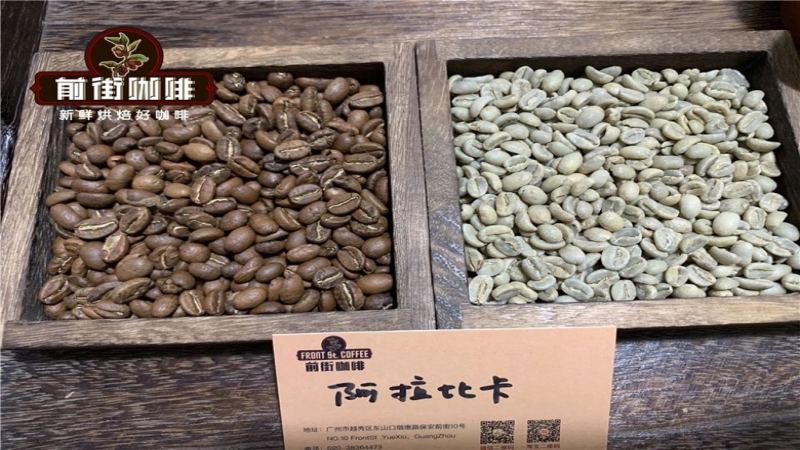
Arabica is a big family with many varieties under its umbrella—Typica, SL28, Geisha, Caturra, and others each have their own character. When making espresso, varietal differences show up directly in the cup. Understanding how a few representative varieties perform in espresso gives you one more dimension when choosing beans.
Typica is an ancient Arabica variety with a clean flavor and prominent sweetness, and it is the signature variety of many well-known origins. Papua New Guinea's Bird of Paradise is a Typica variety, sharing the same lineage as Blue Mountain, grown at 1,600 to 1,800 meters in volcanic rock soil and given three rounds of washed fermentation. It has a clean, pure taste with standout sweetness, and when pulled as espresso it delivers stable sweetness and a smooth mouthfeel—it's called "Little Blue Mountain" for good reason. Yunnan Typica is equally impressive: Front Street Coffee's 2013 Yunnan Natural Typica, medium-dark roasted, interweaves citrus and caramel aromas with medium acidity and harmonious layers, and also performs well with good sweetness in espresso.
SL28 and SL34 are classic Kenyan varieties known for bright acidity and full juicy body. Front Street Coffee's Kenya Cherry Tomato uses SL28 and SL34 varieties with a 72-hour double washed fermentation; as espresso, cherry tomato and smoked plum flavors stand out with bright, solid acidity. If you like fruit-forward SOEs, these varieties are a great choice. However, the SL series has brighter acidity, so when making espresso be careful to extract fully to avoid sharp sourness.
Geisha is the star variety among Arabicas, known for its elegant jasmine aroma and delicate flavor layers. Panama's Hacienda La Esmeralda Red Label Geisha is the benchmark among them; as espresso, jasmine florals along with citrus and bergamot flavors are clearly recognizable, with a clean, transparent mouthfeel and a long, lingering sweetness—an espresso experience for those pursuing flavor expression. Geisha is on the pricier side, so occasionally using it for a specialty espresso to treat yourself carries a real sense of ceremony.
Caturra is a common variety in Central and South America, with high yield, balanced flavor, and stable sweet-acid performance. It is often used in blend recipes to play a brightening role. Front Street Coffee's Autumn Chestnut Blend selects Honduran Caturra and Papua New Guinea Typica; the balanced structure fuses into a warm, delicate, full-bodied flavor, with a roasted chestnut-like nutty sweetness on entry, accompanied by the rich sweetness of caramel and dark brown sugar.
Variety determines the flavor baseline, while roasting and extraction determine how it is presented. Typica has clean sweetness, the SL series has bright fruit acidity, Geisha has elegant florals, and Caturra is balanced and versatile. For espresso, choose Typica lines if you like sweetness, SL lines if you like fruit acidity, and try Geisha if you're after delicate flavors. Match them to each variety's flavor personality, and the world of Arabica espresso opens up with more choices.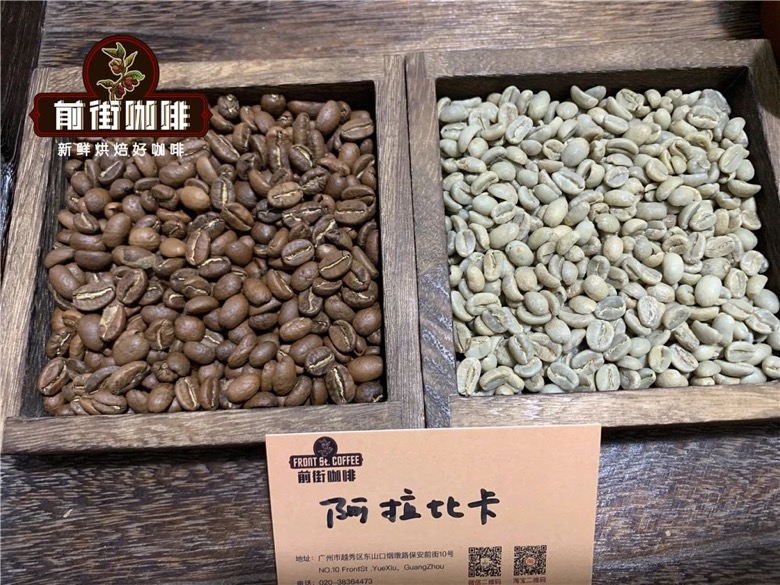
The above content is compiled by CoffeeHunters, a coffee news website.

