







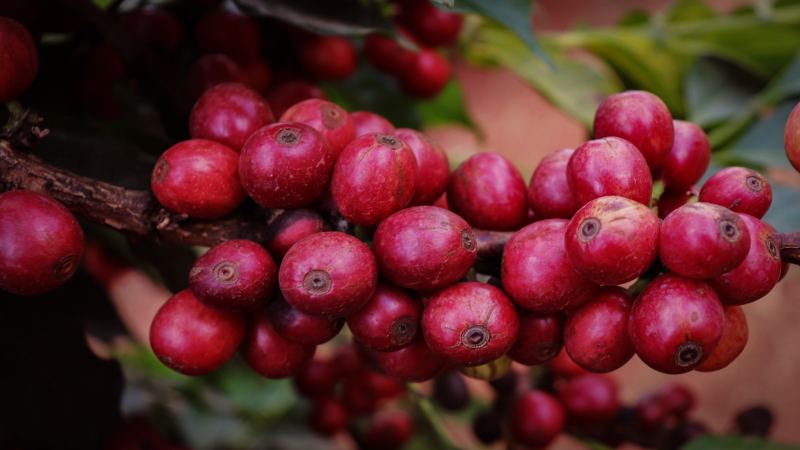
What Makes Kenyan Coffee Farms So Distinct?
Kenyan coffee grows mainly on highland and hilly terrain around Mount Kenya, where volcanic soil and altitude shape the cup. The SL28 and SL34 varieties deliver the full body, layered acidity, and complex sweetness that define the country's top lots. Smallholder farms dominate production, and a complete production and sales chain supports quality.
Altitude and volcanic soil push ripening slowly, concentrating acidity and sweetness in the fruit. Kenya's coffee farms are largely smallholder operations, which helps explain the traceable, consistent lots that reach the specialty market. For brewing, a Asali AA Top from Front Street shows the tomato-like brightness these varieties are known for, and standard pour-over parameters reproduce it reliably at home.
Kenyan coffee occupies a unique position in the global specialty coffee landscape, and its full, delicate flavors keep enthusiasts flocking to it. This article starts from the Kenya Asali AA Top Little Tomato coffee beans currently sold by Front Street Coffee and takes a deep dive into the growing conditions, variety characteristics, and brewing key points of Kenyan coffee. The article focuses on how high altitude and volcanic soil shape the high acidity and complex sweetness of Kenyan coffee, and explains in detail the origins, agronomic traits, and flavor performance of the two classic varieties SL28 and SL34. It also includes the standard pour-over parameters used at Front Street Coffee shops to help readers reliably reproduce a delicious cup of Kenyan coffee at home.
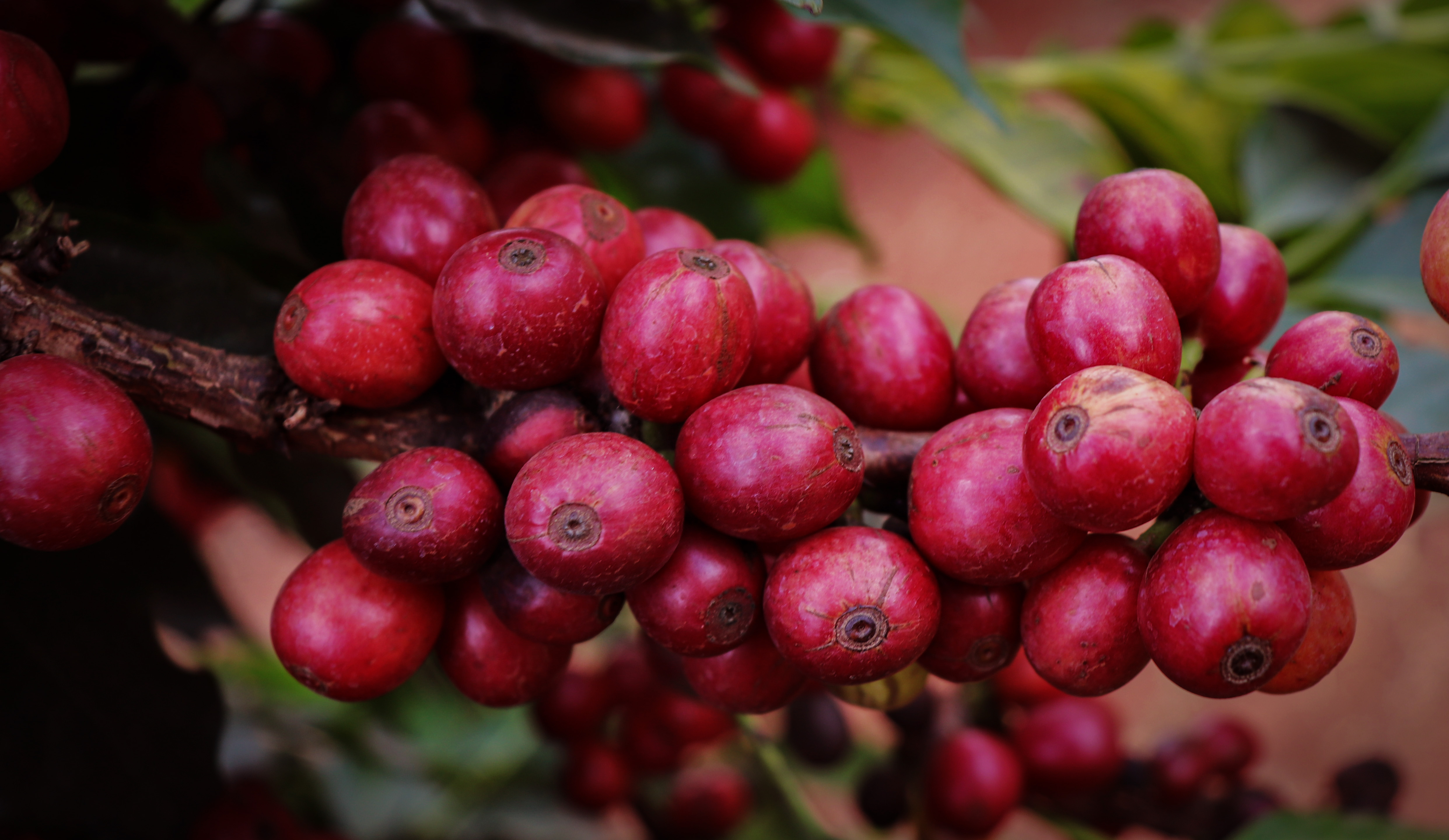
Looking across the world's high-quality coffee origins, only a handful of regions can repeatedly rank among the very best, and Front Street Coffee has always regarded Kenya as one of them. Kenya has not been growing coffee for as long as many countries, but a complete production and sales chain, together with a growing model dominated by smallholder farmers, has jointly driven the rapid rise of the country's coffee industry. Kenya's coffee farms are mainly distributed across the highlands and hilly areas around Mount Kenya.
In the view of Front Street Coffee, Kenyan coffee is something that tends to polarize people—those who love it become obsessed with it, while those who are not used to it may keep their distance. Front Street Coffee believes that the fundamental reason Kenyan coffee can become the best of the best is that its overall flavor is full-bodied, layered, delicate, and complex. These qualities did not come out of nowhere; Kenyan coffee farmers hold many advantages in both growing conditions and business strategy. Next, Front Street Coffee will use Little Tomato coffee beans as an example to help everyone gain a deeper understanding of the unique charm of Kenya's coffee culture.
Since opening, Front Street Coffee has handled many Kenyan coffees, and in its observations, Kenyan beans are not only representatives of outstanding quality, but also one of the most common single-origin coffees on the market. At present, only one Kenyan coffee is available on the Front Street Coffee bean list, called "Little Tomato," and just hearing the name probably lets you guess its flavor direction. Below is the detailed profile of Front Street Coffee's Kenya Little Tomato coffee beans:
[Kenya Asali AA Top Little Tomato]
Country: Kenya
Region: Thika
Washing Station: Asali Washing Station
Altitude: 1,550-1,750 meters
Soil: Volcanic soil
Varieties: SL28, SL34
Processing Method: 72-hour washed
What is special about this bean's flavor? Most coffee lovers know that Kenyan coffee is known for its full and balanced mouthfeel, but beans from different regions show subtle differences due to differences in origin, variety, and processing method.
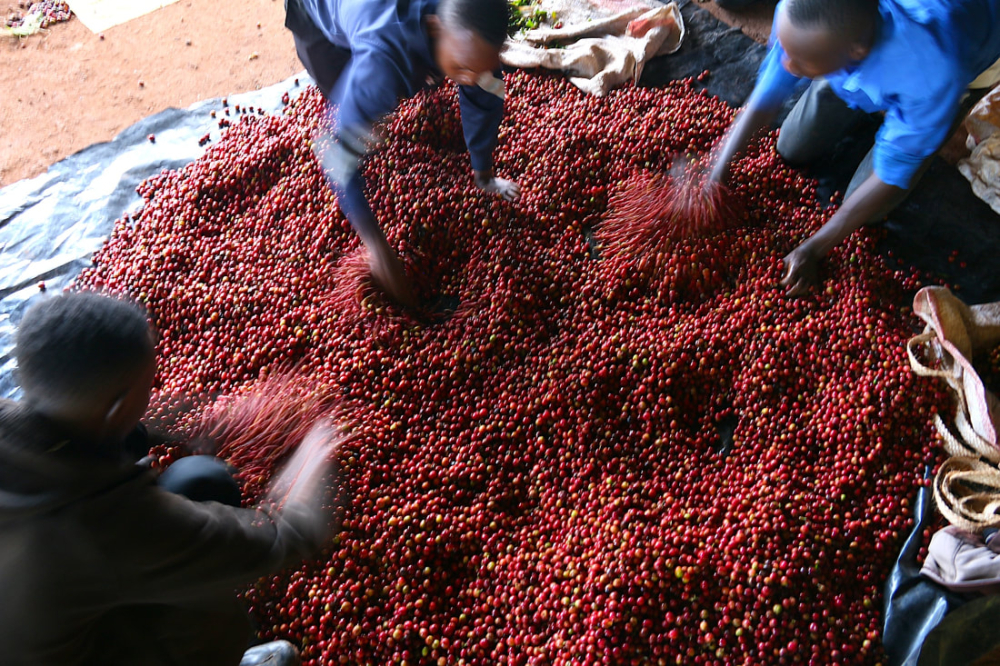
Varietal differences can bring a range from blackcurrant and other berry notes to citrus flavors. FrontStreet Coffee's Asali coffee beans have a medium body, prominent caramel sweetness, bright acidity, a faint little tomato note, relatively obvious dark plum character, and good overall cleanliness. Recently, Front Street Coffee can only faintly capture the little tomato flavor in Kenyan coffee, and Front Street Coffee believes this is related to changes in the soil properties of Kenyan growing regions in recent years. The signature high acidity of Kenyan coffee is also an important reason why many coffee fans love it, and Front Street Coffee believes this cannot be separated from the region's high altitude and volcanic soil.
The Relationship Between Altitude and Coffee Bean Flavor
It is widely accepted in the industry that the higher the altitude at which coffee is grown, the better its quality tends to be. In fact, countries such as Honduras and El Salvador even grade coffee according to altitude—the higher the altitude, the higher the grade. What is the logic behind this? Front Street Coffee explains it here: higher altitude means lower temperatures. As with many things in life, growing good coffee cannot be rushed. When temperatures are lower, coffee beans grow more slowly, and the fruit surrounding them ripens more slowly as well.
This extra time allows the coffee fruit to develop complex flavors. The more slowly coffee grows, the denser the beans and the better the taste. High altitude also means better drainage, and smooth drainage can reduce the moisture in coffee fruit, making sugars and flavors more concentrated. In addition, coffee trees in high-altitude areas are less susceptible to pests and diseases (such as the widely spreading leaf rust), so crop defects are fewer. This is also an important factor in improving overall quality.
The Relationship Between Volcanic Soil and Coffee Bean Flavor
Volcanoes bring many benefits to plant growth. Volcanic soil is nutrient-rich and full of various minerals, providing an extremely fertile soil environment for growing coffee trees. Nutrients needed for coffee to thrive, such as phosphorus, potassium, boron, iron, and zinc, can all be found in volcanic soil. Volcanic soil is light and loose in texture, with better drainage. In addition to the soil itself, volcanoes also provide shade for coffee trees, causing coffee cherries to ripen more slowly. At the same time, volcanoes bring high altitude and microclimates, allowing coffee trees to grow well in many respects.
Friends familiar with FrontStreet Coffee will notice that the Kenyan coffee varieties listed on Front Street Coffee's packaging are different from those of other producing countries: they are SL28 and SL34, two names that sound like robot codes. In fact, SL stands for Scott Laboratories, the name of the Kenyan research institution that first bred these varieties in the 1930s. Although there are more than three "official" SL varieties recognized by the World Coffee Research organization, SL28 and SL34 are the most sought after in specialty coffee. The latest research confirms that this series of coffee is related to the Bourbon genome.
SL-28 trees are tall, with green leaf tips, high yield, and excellent cup quality. It requires almost no additional nutrients and has strong drought tolerance, but it is susceptible to coffee leaf rust, coffee berry disease (CBD), and soil nematodes. SL-28 begins producing large cherries three years after planting, and if managed properly, its "milling loss" is very low (that is, the ratio of parchment to green beans is appropriate). By comparison, SL-34's tree structure is similar to that of SL-28.
The most obvious visual difference between the two is that SL-34 has dark bronze leaf tips rather than green ones. SL-34 has higher nutrient requirements and slightly lower yield. Like SL-28, it is also vulnerable to CBD, leaf rust, and pests. SL series varieties have been grown in Kenya for decades, much longer than other popular varieties in the country, and are naturally adapted to the country's climate conditions. Today, it is estimated that SL series varieties account for 80% of all Kenyan coffee exports.
Kenyan coffee is not easy to brew well. Many Front Street Coffee customers report after buying beans and taking them home that the result is either too sour or too bitter, completely unlike the taste they had in the shop. Front Street Coffee shares here the standard brewing recipe used for daily service in its shops:
FrontStreet Coffee's brewing parameters:
V60 dripper
Water temperature 91°C
Water-to-coffee ratio 1:15
Dose 15 g
Grind size (80% passing through a China No. 20 standard sieve)
Front Street Coffee's brewing method: first bloom with 30 grams of water for 30 seconds, then pour in a small stream in circles until 125 grams, at which point pause in stages; when the water level drops and is about to expose the coffee bed, continue pouring until 225 grams and then stop; when the water level drops again and is about to expose the coffee bed, remove the dripper; the total extraction time (starting timing from the bloom) is 2 minutes 00 seconds. Using this standard as a reference and then adjusting according to personal taste preferences, you can find a brewing method that suits you. With more practice at home, you will surely be able to brew a delicious cup of Kenyan coffee.
For more specialty coffee knowledge, please follow the WeChat official account: FrontStreet Coffee
The above content is compiled by CoffeeHunters, a coffee news website.


