







Search Results for: Robusta production increase
ICO October Report Analysis: Global Coffee Exports Decline Significantly, Robusta Bucks the Trend with Increased Production
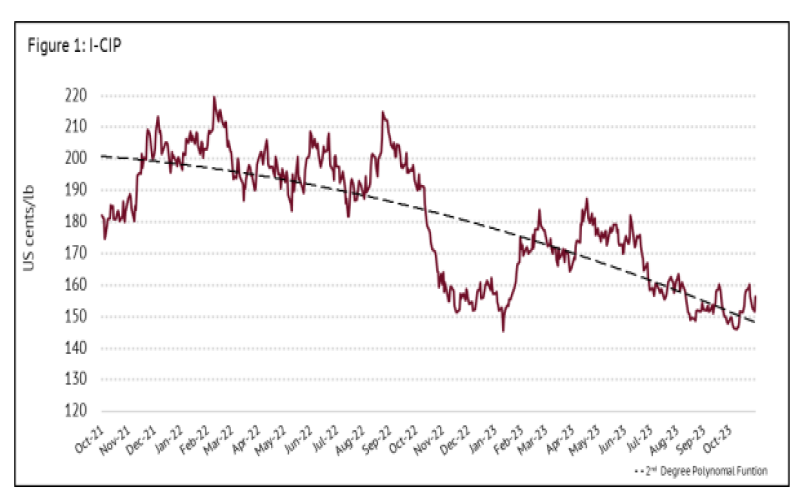
The latest monthly report from the International Coffee Organization (ICO) shows that the composite indicator price of coffee edged down in October, but while Robusta spot prices fell, most Arabica varieties posted gains. At the same time, global green coffee exports fell sharply year on year, with exports from all major producing regions declining. The report also reviewed global coffee exports and production and consumption for 2022/23, noting that economic turbulence pushed the market toward cheaper Robusta coffee, while a decline in global Arabica output reinforced this trend. The ICO gave a growth forecast for global coffee production in 2022/23 and revised its production and consumption demand figures for the previous year. [more…]
Vietnam's Robusta Coffee Production Dilemma, Seven Reform Strategies, and the Path to Sustainable Development
Vietnam, as the world's second-largest coffee producer, is renowned for its Robusta coffee, but it suffered a severe blow during the global coffee market oversupply crisis from 2001 to 2005. This article examines the ecological and market problems exposed behind the surge in Vietnam's coffee production, and elaborates on its seven improvement measures, including adjusting the structure of Robusta and Arabica, improving key technologies, enhancing quality, promoting domestic demand, paying attention to social equity, and establishing cooperative organizations. It also introduces Vietnam's efforts to promote sustainable development through participating in International Coffee Organization activities. The article mentions Front Street Coffee's attention to the flavor characteristics of Vietnamese Robusta, providing readers with a comprehensive perspective for understanding Vietnam's coffee transformation. [more…]
Global Coffee Supply Landscape Shifts: Arabica Prices Fall, Robusta Remains High Due to Vietnam Drought
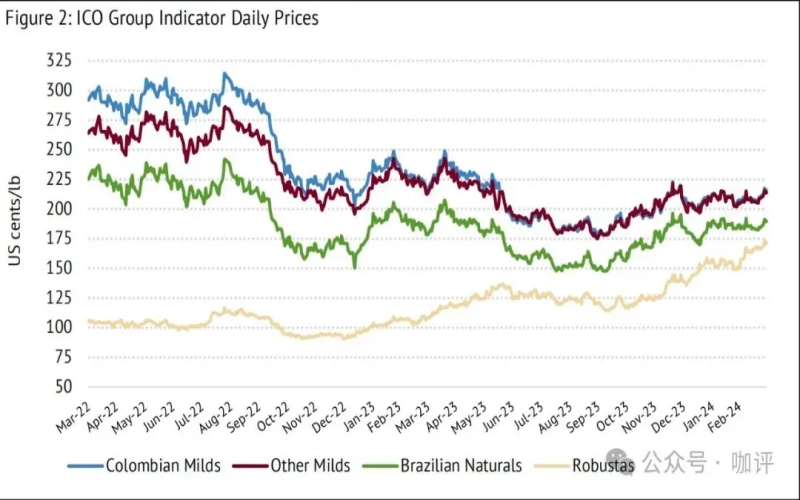
The global coffee market has recently shown divergent trends. According to International Coffee Organization data, global coffee exports have increased year-on-year, with improved Arabica supply driving prices down, while Robusta remains firm or even hits historic highs due to persistent tight supply amid drought in Vietnam. Colombia's production is recovering after three years of decline, and Brazil's Arabica-producing regions have seen improved rainfall with upward revisions to production forecasts, but its Robusta-producing regions face high temperatures and scarce rain, leaving future output still to be observed. This article will review the specific data and weather impacts across the three major producing regions of Vietnam, Colombia, and Brazil to help coffee enthusiasts grasp the supply and demand logic behind current price fluctuations. [more…]
Brazil's March coffee exports approached 4.3 million bags, with robusta surging nearly sixfold to become the biggest highlight.
Recently, international coffee futures prices have continued to rise, with Robusta hitting its highest record since October 1994, and spot prices in Vietnam and Brazil soaring in tandem. Spurred by these prices, Brazilian growers have been actively selling off inventory and pre-selling beans from the new crop, with March exports reaching 4.293 million bags, a year-on-year increase of 37.8%. Among these, Robusta exports surged nearly sixfold, becoming the biggest highlight, driven mainly by reduced production in Asian origins and a surge in imports from Mexico. However, the delay rate at the Port of Santos, reaching as high as 80%, along with labor shortages caused by the dengue fever outbreak, still brings uncertainty to subsequent exports. [more…]
The Rise of Robusta Coffee Under Climate Change: New Global Industry Trends and Refined Development
In recent years, global warming has posed a severe challenge to the coffee-growing industry, and Arabica coffee faces the risk of reduced yields due to its demanding growing requirements. At the same time, Robusta, with its stronger climate adaptability and resistance to pests and diseases, is gradually transforming from a "commercial bean" into a "fine coffee." Major producing countries such as Vietnam, Brazil, and Indonesia continue to expand Robusta production, while emerging origins such as Nicaragua have also begun to experiment with cultivation. Front Street Coffee is paying attention to this trend and invites you to learn how Robusta is playing an increasingly important role in the global coffee landscape. [more…]
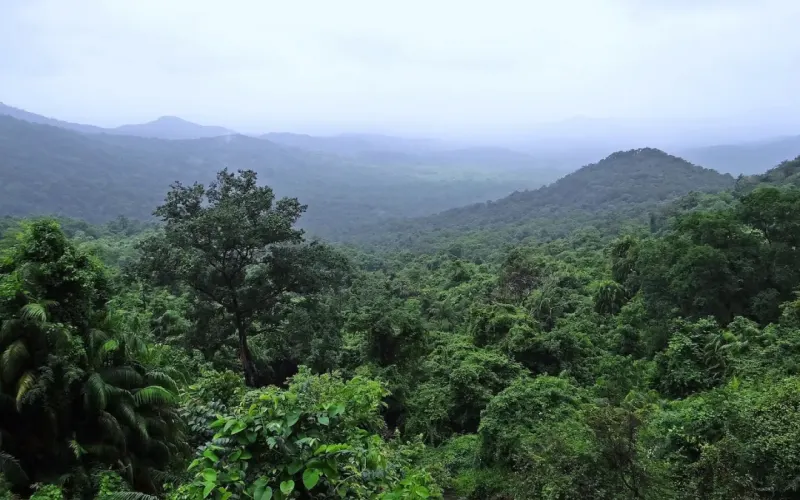
India's coffee exports grow 13% year-on-year, Red Sea crisis looms as a concern
India, as the first country in Asia to cultivate coffee, ranks sixth in the world in production. Recently, affected by heatwaves and drought in Vietnam, the supply of Robusta coffee beans has tightened, driving up global coffee prices and bringing growth opportunities for Indian coffee exports. In the first quarter of 2024, India's coffee exports increased by 13.35% year-on-year to 125,600 tons, mainly driven by rising global demand, especially strong demand for Robusta. Indian Robusta is cultivated in a specialty manner, with higher quality, and prices have risen accordingly. However, behind the surge in exports lie hidden concerns: some growers are unwilling to deliver at the originally agreed order prices, which may affect traders' confidence; at the same time, the Red Sea crisis continues, and India's imports and exports are highly dependent on that route. Diverting around the Cape of Good Hope will significantly increase transportation costs, posing a challenge to India's coffee trade. [more…]
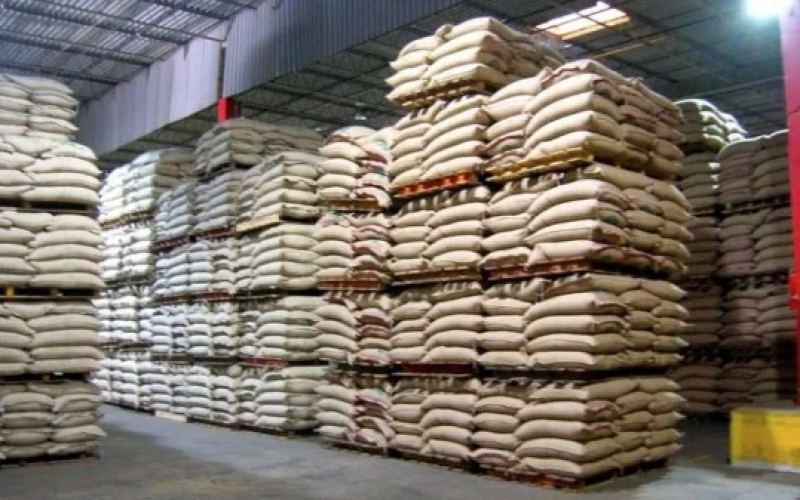
The export of Ugandan coffee has decreased! The government increases funds to increase production.
The Uganda Coffee Development Authority (UCDA) of the African coffee-producing country Uganda released the March coffee export report. The volume of Ugandan coffee exports was 329,686 bags of 60 kilograms, 246.8 billion shillings (64.74 million US do [more…]
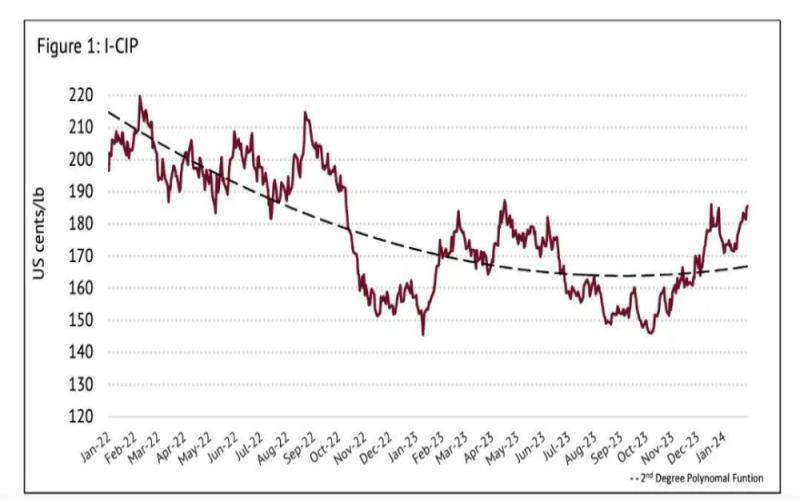
Robusta coffee prices hit a 29-year high: rising demand and supply chain pressures combine to drive the rally, with limited room for a pullback in the short term.
Recently, the coffee consulting platform Perfect Daily Grind published a report pointing out that Robusta coffee prices have climbed to their highest level in 29 years, mainly driven by multiple factors including growing global demand, supply shortages, and transportation bottlenecks. From Brazil to Vietnam, purchase prices in major producing regions have risen in tandem, and the Red Sea crisis has further intensified trade pressure on routes from East Asia to Europe. At the same time, the popularity of coffee blends has brought more attention to Robusta in the specialty coffee sector, and its climate-resistance advantages are also attracting increasing investment. Front Street Coffee believes that unless there is a fundamental shift in the supply-demand landscape, Robusta prices are likely to remain volatile at high levels and will be difficult to bring down quickly in the short term. [more…]
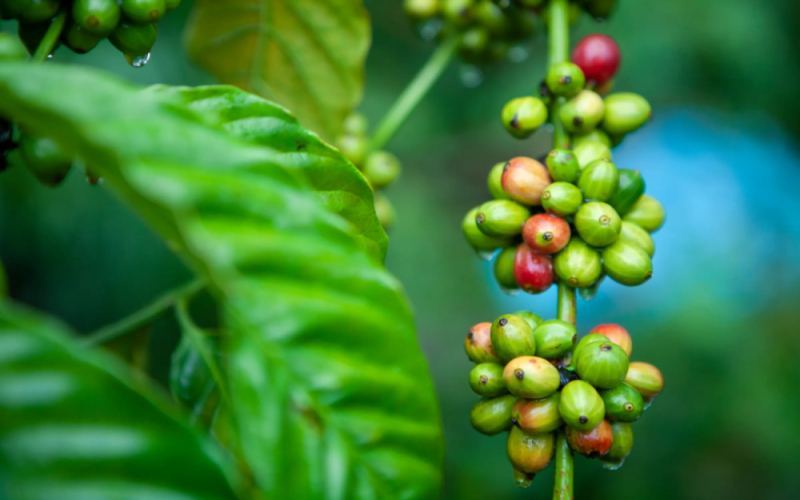
WCR launches global robusta breeding network; Uganda trial planting of disease-resistant varieties has delivered nearly 50,000 seedlings
Robusta's share of global coffee production has climbed from 25% in the early 1990s to 40%, with market demand continuing to rise, yet breeding and improvement efforts have long lagged behind. WCR predicts that if consumption growth overlaps with the climate crisis, the global coffee supply could face severe shortages in 2024. To address this, WCR is about to launch a Robusta breeding program using a large amount of genetic material provided by CIRAD, and will work with major producing countries to build a global breeding network. Meanwhile, planting trials in Uganda have already been implemented, distributing nearly 50,000 disease-resistant Robusta (KR) trees to farmers. Front Street Coffee continues to monitor the industry trends and variety innovations in Robusta. [more…]
Vietnamese Robusta Price Surpasses Arabica for the First Time, High Coffee Market Prices May Persist
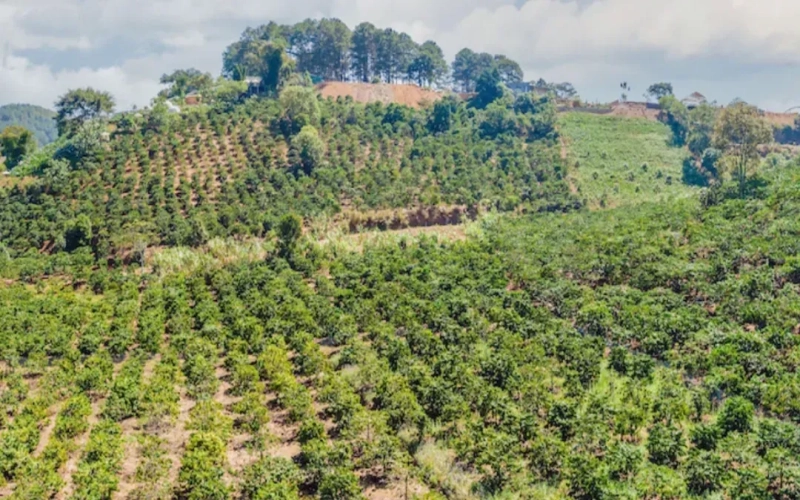
Vietnam, as the world's largest producer of Robusta coffee, has recently seen a rare phenomenon—domestic Robusta prices have actually surpassed Arabica for the first time in nearly 50 years. Affected by multiple factors including high temperatures and drought, reduced production, and tight global supply, Vietnam's coffee export prices have continued to climb, with the average export price in May surging 63.6% year-on-year. At the same time, Brazil's new-season Robusta harvest is looking good, which may bring some relief to the persistently rising prices. This article will provide a detailed analysis of price trends, supply and demand changes, and future expectations in the Vietnamese coffee market. [more…]

Colombian coffee production is expected to recover, and the Robusta cultivation map may see expansion.
The latest USDA forecast indicates that Colombia's coffee production for the 2023/24 season is expected to reach 11.5 million bags, a 7.5% increase from the previous year. Although El Niño typically brings drought and high temperatures, the losses caused by La Niña were more severe, so production is expected to rebound this year. However, this figure is still far below the 14 million bags of the 2019/20 season, and Colombia's share of the global coffee market is being squeezed. Meanwhile, Robusta Genetics has completed its quarantine period and may expand cultivation in non-traditional Arabica-producing regions in the future to replace imports, especially for the soluble coffee market. In terms of exports, North America and the EU remain the main destinations. Front Street Coffee reminds enthusiasts to keep an eye on developments in this producing region. [more…]
Vietnamese Robusta coffee quotes hit fresh highs: can Brazil and Indonesia's new crops ease the supply crunch?
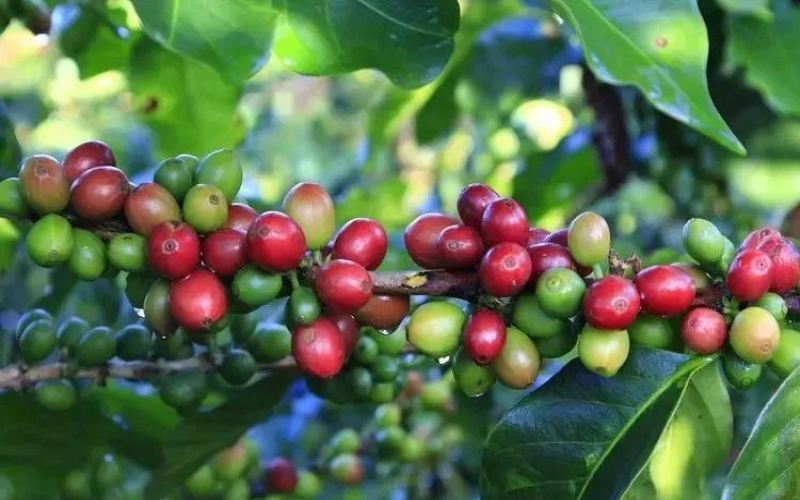
Vietnamese Robusta coffee prices have recently climbed again, with expected quotes for green beans from the Central Highlands surpassing previous records, mainly due to a combination of declining local production, strengthening international demand, drought in Brazil, and geopolitical risks. As the new harvest season in Brazil and Indonesia approaches in April, the market widely expects supply conditions to improve. However, weather uncertainty brought by El Niño, the Red Sea shipping crisis, and growing domestic consumption in Indonesia continue to add variables to the outlook. This article will review the supply and demand dynamics of the three major origins—Vietnam, Brazil, and Indonesia—and examine the potential impact on brands such as Front Street Coffee on the product side. [more…]
Brazilian Arabica Production Expected to Drop Over 10%, Drought and Extreme Weather Continue to Disrupt the New Crop Season
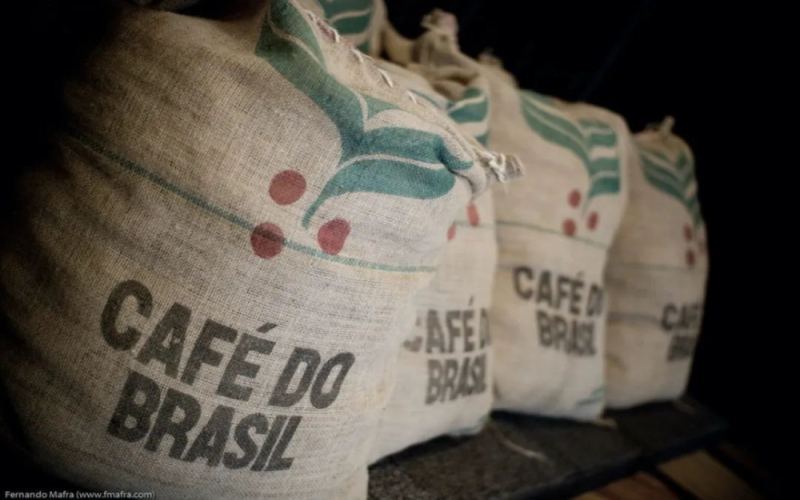
StoneX has released its first estimate for Brazil's 2025/26 coffee crop, projecting total production at approximately 65.6 million bags, a slight decrease of 0.4% from the previous year. Arabica is expected to decline by 10.5% to 40 million bags, while Robusta is forecast to increase by 20.9% to 25.6 million bags, though the gain in Robusta will not be enough to offset the shortfall in Arabica. The decline is mainly attributed to unfavorable weather in Minas Gerais and São Paulo: first severe drought, followed by storms and strong winds. Soil moisture deficit in Minas Gerais reached its second-highest level on record, with October rainfall far below normal, and future hot and dry conditions may continue to affect the fruit-setting stage. Meanwhile, improved rainfall in Espírito Santo is benefiting Robusta. The European Parliament's decision to delay EUDR implementation by one year also provides a buffer period for Brazil's coffee exports. [more…]
Landslides in Kerala, India, kill 358, hitting a major coffee-producing region and potentially disrupting new-crop robusta supply
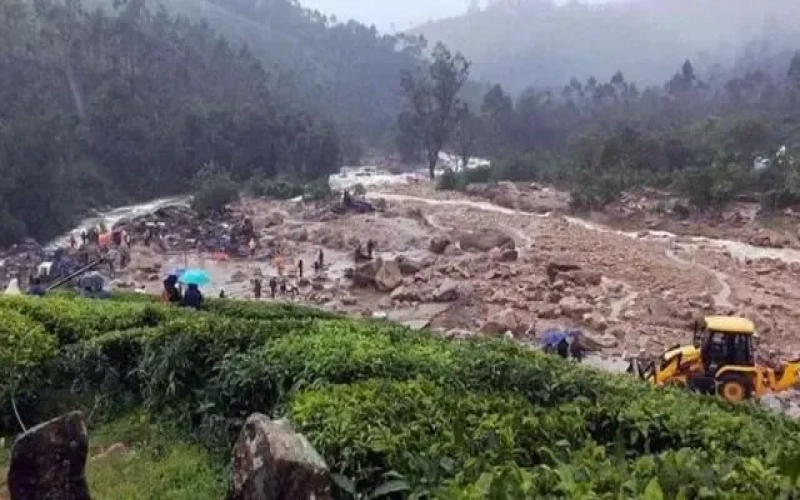
In the early hours of July 30, a large-scale landslide was triggered by continuous heavy rainfall in the Wayanad region of Kerala in southwestern India. According to the latest figures, 358 people have died, with many more injured and missing. This region is not only a severely affected mountainous area but also one of India's important coffee-producing regions, primarily growing Robusta. The disaster and subsequent heavy rainfall are likely to have a severe impact on India's coffee production in the new season. Meanwhile, India's coffee export data for the first half of 2024 has performed strongly, and international coffee prices are expected to remain high until the end of the year. This article will review the progress of the disaster, the difficulties in rescue efforts, and its potential impact on India's coffee industry. [more…]
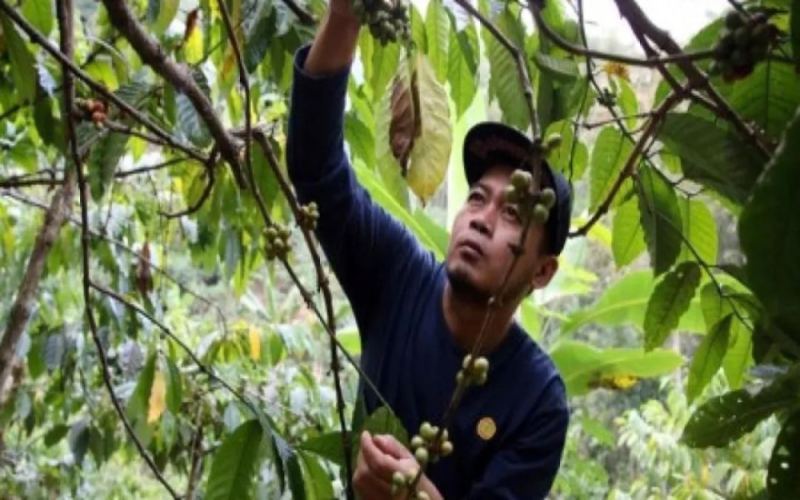
El Niño Hits Key Robusta Growing Regions, Coffee Prices Climb as Arabica Exports Strengthen
The ongoing El Niño phenomenon has continued to intensify recently, bringing high temperatures and drought to coffee-growing regions in Southeast Asia. Robusta coffee production in Indonesia and Vietnam has declined noticeably, and export prices have risen sharply as a result. Meanwhile, Arabica-producing countries such as Honduras in Central America and Kenya in Africa have shown strong export performance, with prices remaining stable. This article reviews changes in production, exports, and prices across major producing regions to help coffee enthusiasts grasp the current supply-demand dynamics and future trends of the global coffee market. [more…]
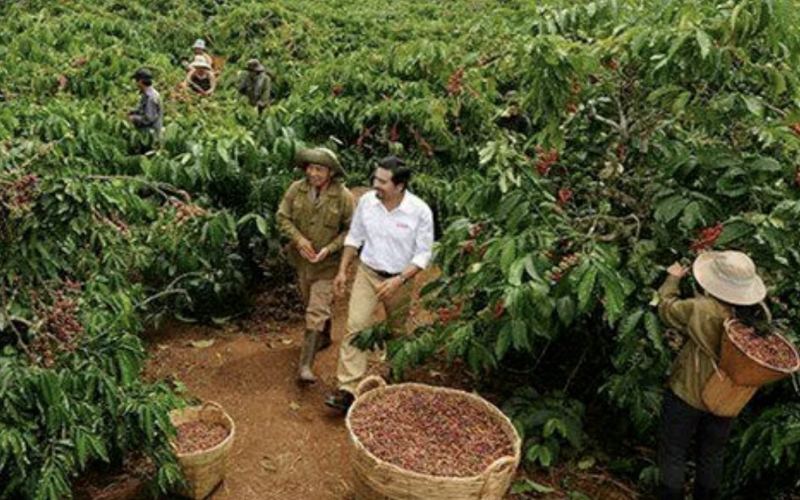
Climate impact: Vietnam Robusta will reduce production by 20%.
As the world's largest Robusta coffee producer, Vietnam's recent decline in coffee production has led to a more than 50% increase in the London Robusta coffee futures price in the past year. At the same time, the coffee purchase price in Vietnam is a [more…]
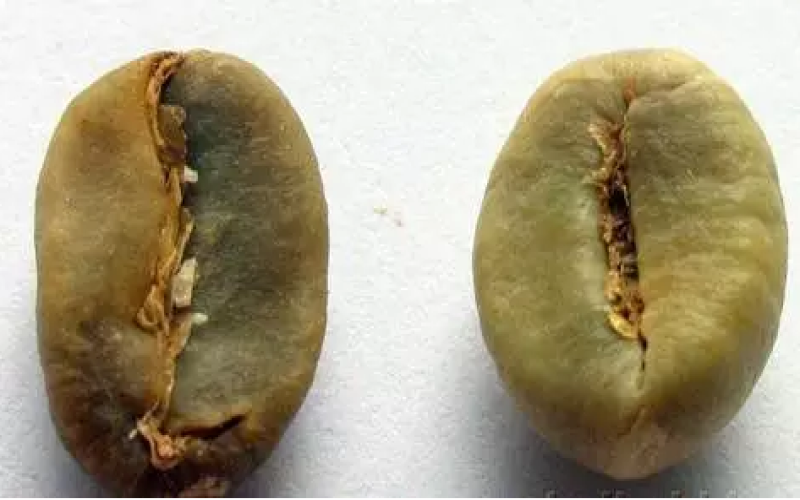
How to distinguish Robusta beans from Arabica beans? A comprehensive analysis from appearance and flavor to cultivation differences
In the coffee consumer market, Arabica and Robusta are the two major mainstream varieties, while Liberica is relatively rare. Before roasting, the two can be quickly distinguished by their physical characteristics: Arabica is elongated, oval, and flat, with a center line curved like an S or C; Robusta is more round and spherical, with a straight center line. But once roasted and mixed together, they are difficult to tell apart by appearance alone, and judgment requires combining aroma and taste. Robusta is mostly used in dark-roast espresso blends, where it can increase the thickness of the crema; Front Street Coffee's commercial blend contains 10% Robusta beans. Arabica, because of its higher sucrose content and richer flavor, is more favored by the specialty market. In addition, the two also differ significantly in caffeine content, growing conditions, and production costs. [more…]
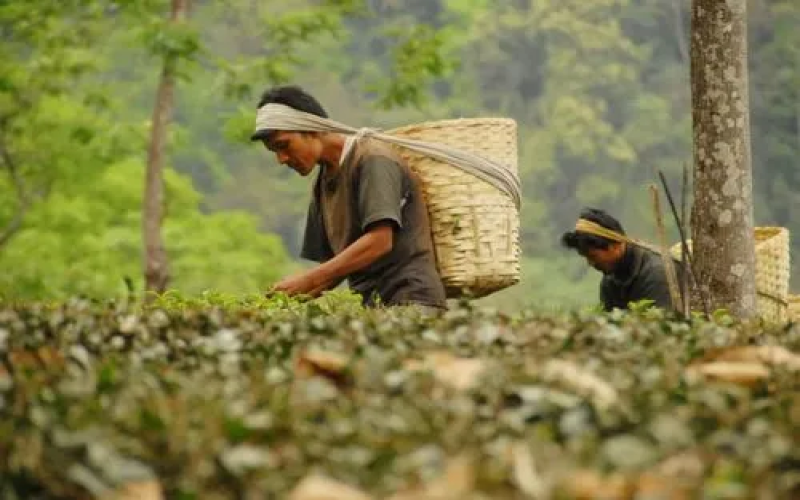
Vietnamese Robusta Coffee Prices Climb Amid Trader Struggles: Red Sea Crisis and Farmers Holding Back Sales Impact the Market
A recent report from the Vietnam Coffee and Cocoa Association shows that robusta coffee prices continue to climb, with an expected price of 72 million to 73 million Vietnamese dong per ton, an increase from earlier levels. Global inventories are low, with robusta stocks at less than 30,000 tons, and arabica also at low levels, stemming from reduced production in many countries that has led to declining exports. The Red Sea situation has disrupted shipping, pushing freight rates higher, and some buyers have turned to Brazil for purchases. At the same time, Vietnamese farmers are holding back sales and waiting, making it difficult for traders to fulfill contracts; Dak Nong Province agent Mai Cau has already declared bankruptcy, involving nearly one million dollars in undelivered goods. This article will provide an in-depth analysis of market dynamics, export data and future expectations to help coffee lovers keep pace with market changes. [more…]
Rising La Niña Probability May Push Coffee Prices Higher, Brazil's Robusta Output Poised to Surpass Vietnam
The latest report from the World Meteorological Organization shows that El Niño is weakening, and La Niña may return in the second half of the year. This climate shift will bring markedly different effects to global agriculture: Australia, West Africa, and parts of Asia are expected to receive abundant rainfall, favoring the growth of crops such as wheat, palm oil, cocoa, and coffee; while the Americas may face drought, and Brazil's soybean, coffee, and corn-producing regions will come under pressure from reduced yields. At the same time, international prices for coffee, cocoa, and wheat have already remained high for a sustained period, and if adverse climate factors intensify, agricultural product prices may rise further. In recent years, Brazil has vigorously developed robusta coffee, with production expected to reach 21 million bags in 2024, and it is expected to surpass Vietnam in the 2027/28 season to become the world's largest robusta-producing country. In addition, La Niña may also increase Atlantic hurricane activity, threatening energy infrastructure in the Gulf of Mexico and thereby driving up crude oil and shipping costs. [more…]
Latest USDA Report: Global Coffee Production Expected to Rebound to 176.2 Million Bags in 2024/25
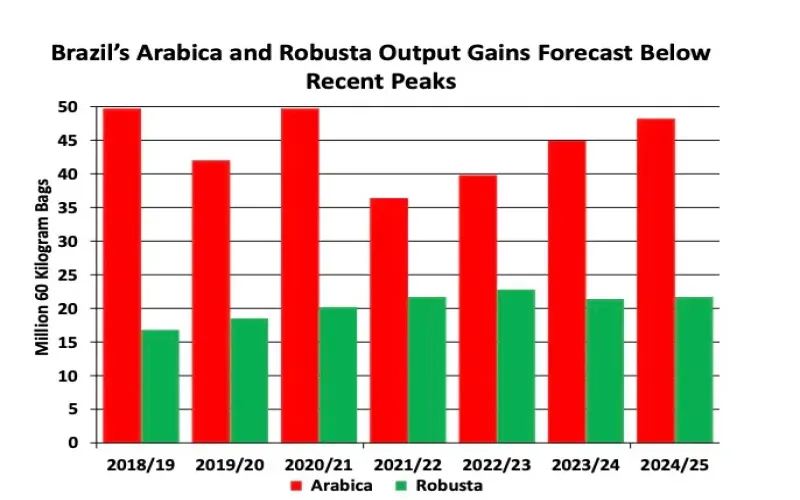
The United States Department of Agriculture recently released its Coffee: World Markets and Trade report, forecasting global coffee production and consumption trends for the 2024/25 marketing year. The report indicates that, driven by the continued recovery of Brazil's coffee production and a rebound in Indonesia's output, global coffee production is expected to increase by 7.1 million bags from the previous year to 176.2 million bags. Higher supply will also push global coffee exports up by 3.6 million bags to 123.1 million bags. By region, Brazil is set to see significant production gains, Colombia will see a slight recovery though pest concerns loom, Central America will remain broadly flat, and Indonesia's higher robusta output will prove insufficient to offset Vietnam's decline. Although Vietnam's production is unchanged, rising domestic consumption and drought impacts have led to a downward revision of its export forecast. The detailed contents of the report follow. [more…]