







What Do the Kerala Landslides Mean for Coffee Production?
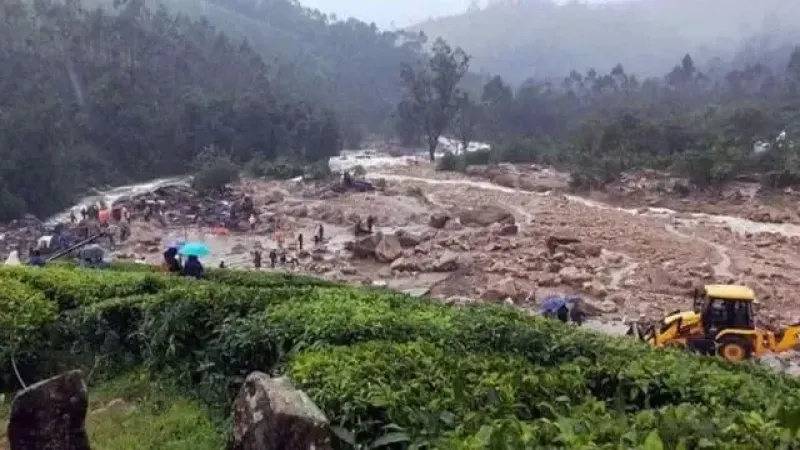
In the early hours of July 30, continuous heavy rain triggered massive landslides in Kerala's Wayanad district in southwestern India. The death toll reached 358, with many more injured and missing. Wayanad is an important Indian coffee-producing region that mainly grows robusta, so the disaster and ongoing rainfall are likely to hurt the new crop.
Rescue work faces washed-out roads, disrupted terrain and forecasts of continued heavy to extremely heavy rain. India's monsoon season runs from June to September and regularly brings floods, mudslides and landslides; Bihar saw 19 deaths from lightning in early July. Experts link this landslide to intensifying global climate change. India's coffee exports performed strongly in the first half of 2024, and international prices are expected to stay high through year end, even as growers elsewhere, including those who supply arabica beans, watch the weather.
In the early hours of July 30, the Wayanad district in Kerala, southwestern India, experienced a massive landslide triggered by continuous heavy rainfall. According to the latest figures, 358 people have died, with many more injured and missing. This region is not only a severely affected mountainous area but also one of India's important coffee-producing regions, primarily cultivating Robusta. The disaster and subsequent heavy rainfall are likely to have a severe impact on India's new coffee crop. Meanwhile, India's coffee export data for the first half of 2024 has shown strong performance, and international coffee prices are expected to remain high until the end of the year. This article will review the progress of the disaster, the difficulties in rescue efforts, and its potential impact on India's coffee industry.
According to Indian media reports, the Wayanad district in Kerala has suffered a severe landslide disaster. The latest statistics show that this incident has caused 358 deaths and significant economic losses.
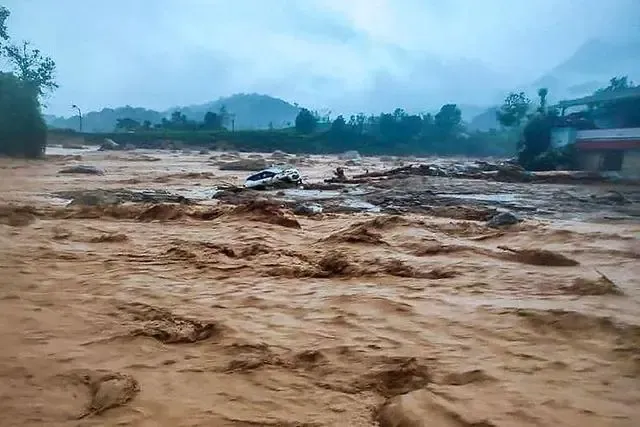
According to reports, the disaster occurred in the early hours of July 30, when continuous heavy rainfall triggered multiple landslides in the area. By local time on August 1, the death toll had reached 295, with over 200 injured and another 240 missing. As the rainfall in the affected area has not stopped, some roads have been washed away by floods, and rescue operations are facing extreme obstacles.
The local government has initiated rescue efforts and dispatched helicopters for assistance, but the complex mountainous terrain and disrupted roads have further increased the difficulty of rescue. The local meteorological department predicts that widespread heavy rainfall will continue, potentially reaching the level of "heavy to extremely heavy downpours," which will undoubtedly bring more challenges to the rescue operations.
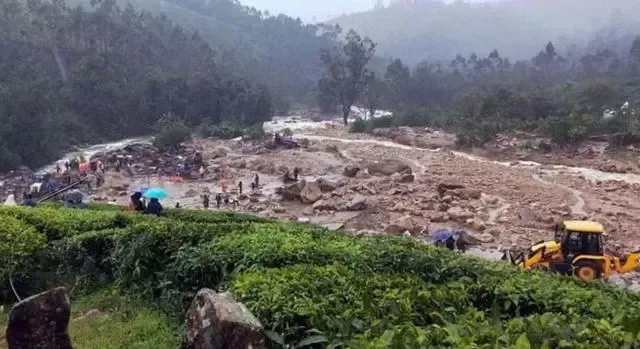
It is understood that India experiences its monsoon season from June to September each year, with frequent thunderstorms, and disasters such as floods, mudslides, and landslides occur from time to time. In early July this year, the Indian state of Bihar experienced 19 deaths and 7 injuries due to lightning strikes during heavy rain and thunderstorms, and local authorities issued warnings for heavy rain and lightning.
Local experts analyze that this severe landslide is closely related to the intensification of global climate change this year. As the region is frequently hit by heavy rainfall, coupled with increasing land development, the mountainous natural environment has been severely damaged, leading to frequent natural disasters such as mudslides and landslides.
It is worth noting that the Wayanad district in Kerala, where this disaster occurred, is located in southwestern India and is one of India's main coffee-producing regions, with coffee output ranking among the highest. The region cultivates Arabica at higher altitudes, while the rest is basically dominated by Robusta. Robusta accounts for over 70% of India's total coffee production, and the harvest period for the new crop of Robusta typically falls between December and February of the following year. Therefore, the current weather conditions are crucial for determining the new crop's Robusta production. The current heavy rainfall and landslides will lead to a severe reduction in coffee production.
According to an earlier coffee report released by India, the country's coffee production for the 2024/25 marketing year is estimated at about 6 million bags (60 kg each), with Arabica estimated at 1.4 million bags (69 kg each) and Robusta estimated at 4.6 million bags (60 kg each).
In June, India's coffee export report showed that in the first half of 2024, India's coffee export volume increased by 13% year-on-year, reaching 244,000 tons, and export revenue rose by 43% to $926 million. Among these, Robusta coffee exports increased significantly, mainly because major Robusta-producing countries in Asia such as Vietnam and Indonesia both reported reduced production, while Brazil is in its harvest season, prompting coffee buyers to turn to Indian Robusta.
Additionally, by the end of this year, the EUDR (EU Deforestation Regulation) will be officially implemented, and European traders and roasters are stockpiling coffee beans on a large scale. With major coffee-producing countries like Brazil, Vietnam, and Indonesia all reporting reduced coffee production, industry insiders believe that international coffee prices will remain high until the end of this year.
The above content is compiled by CoffeeHunters, a coffee news website.


