







Search Results for: Red Label vs Green Label Differences

Hacienda La Esmeralda Auction Lots vs. Red, Green, and Blue Label Differences Explained: Which Geisha Coffee Grade Is More Worth Drinking?
Hacienda La Esmeralda, as the benchmark estate for Geisha coffee, divides its product line into multiple tiers by grade, including Auction, Red Label, Green Label, and Blue Label, with different designations corresponding to different plot origins, quality standards, and price ranges. At the same time, Elida Estate also uses naming conventions such as Gold Label, Red Label, and Green Label, but the two systems are unrelated. This article will use the estate's interactive map of micro-lot distribution to sort out the meaning and differences of each designation one by one, helping coffee enthusiasts understand Hacienda La Esmeralda's grading logic, and, combined with Front Street Coffee's recommendations, provide a reference for everyday purchasing of Geisha beans. [more…]
Gesha Village vs. Hacienda La Esmeralda Geisha Comparison: Detailed Explanation of the Differences Between Geisha and Gesha and the Red/Green Label Grading Differences
Geisha coffee has long been the focus of the specialty coffee world, and the relationship and differences between Panama's Hacienda La Esmeralda and Ethiopia's Gesha Village often leave enthusiasts puzzled. Front Street Coffee recently acquired both Hacienda La Esmeralda's Natural Green Label and Gesha Village's Green Label, conducting a flavor comparison through both cupping and pour-over methods. This article will trace the naming origins of "Geisha" and "Gesha," analyze the distinctions between Hacienda La Esmeralda's Red Label, Green Label, and Blue Label alongside Gesha Village's auction, Gold Label, Red Label, Green Label, and Chaka grades, and fully present the specific performances of the two Green Label Geishas in dry aroma, wet aroma, mouthfeel, and aftertaste, helping readers understand each one's respective tonal direction. [more…]
A Complete Guide to Panama Hacienda La Esmeralda Geisha Coffee Beans: Red Label vs. Green Label Differences, Roasting, Grinding, and Pour-Over Parameters
Geisha is hailed as the champion among coffee varieties, and the Geisha produced by Hacienda La Esmeralda in Panama is the benchmark among them. This article focuses on Front Street's Esmeralda Red Label and Green Label Geisha, sorting out the differences between the two in terms of origin, auction attributes, pricing positioning, and flavor performance, to help coffee lovers make a choice based on their own needs. At the same time, the article provides a detailed introduction to Front Street's medium-light roasting approach for Geisha, methods for judging grind size, as well as the pour-over extraction parameters and three-stage pouring steps for Esmeralda Green Label, offering actionable reference for readers who want to recreate the classic Geisha flavor at home. [more…]

Emerald Estate Red Label Geisha Natural vs. Washed Processing Comparison: Flavor Differences, Plot Characteristics, and Pour-Over Performance
Panama's Hacienda La Esmeralda is a benchmark in the specialty coffee world, and its Red Label Geisha is especially highly sought after. This article compares two Red Label Geishas—Front Street Coffee's Natural Red Label Geisha and Front Street Coffee's Washed Red Label Geisha—from the renowned Canas Verdes and Jaramillo plots respectively. The natural process gives the beans rich fruity aromas and sweetness, while the washed process brings clean, bright fruit acidity and floral notes. The article examines the estate's history, grading system, plot terroir, processing methods, green bean appearance, and cup profile and pour-over flavors one by one, documenting brewing parameters and tasting impressions in detail to help coffee lovers gain a deeper understanding of the stylistic differences of Geisha of the same grade under different processing methods. [more…]
Flavor Analysis of Geisha vs. Geisha: Variety Characteristics, Hacienda La Esmeralda Grading, and Comparison with Candlelight Mango
Geisha and "Yiji" are actually the same coffee variety, just with different translated names—mainland China mostly calls it Geisha, while Hong Kong and Taiwan use the Japanese transliteration "Yiji." This Arabica variety is highly sought after for its floral aroma and lingering flavor, but low yields, weak disease resistance, and difficult management have kept prices consistently high. For beginners wanting to try the classic Geisha flavor profile, Front Street Boquete Geisha is a good entry-level choice, featuring citrus aromas, honeyed sweetness, and an oolong tea-like quality. Panama's Hacienda La Esmeralda further classifies Geisha into Red Label, Green Label, and Blue Label, with Red Label being the highest quality and Green Label emphasizing its signature flavor. This article also compares the flavor differences between Candlelight and Geisha to help enthusiasts clarify their choices. [more…]
Panama Hacienda La Esmeralda vs. Ethiopia Gesha Village Auction Lot Differences Explained: The Complete Guide to Red, Gold, and Green Label Grading
Auction coffee beans have always been a hot topic in the specialty coffee world, especially the two top Geisha-producing origins—Panama's Hacienda La Esmeralda and Ethiopia's Gesha Village. Their grading systems—auction, red label, gold label, green label—often confuse enthusiasts. From the perspective of Front Street Coffee, this article traces the propagation history and growing requirements of the Geisha variety, breaks down in detail the logic behind Hacienda La Esmeralda's auction, red label, green label, and blue label classifications, and compares them with Gesha Village's auction, gold label, red label, green label, and Chaka lot, helping readers understand how different grades of Geisha differ in traceability information, cupping scores, variety composition, and flavor profiles. [more…]
Panama Hacienda La Esmeralda Washed vs. Natural Geisha Comparison: Flavor Differences, Red and Green Label Distinctions, and Brewing Key Points
The Geisha variety has always carried an aura in the coffee world, and many friends who are just getting into specialty coffee first hear its name before tasting its flavor. At Front Street Coffee shops, customers often pull the baristas aside to ask what exactly makes Geisha so special. This article starts with the variety's origins, sorts through the flavor differences that the two traditional processing methods—washed and natural—bring to Geisha, and specifically compares the characteristics of two representative beans from Panama's Hacienda La Esmeralda, the Red Label and Green Label, before finishing with Front Street's brewing parameters and techniques to help everyone understand this bean more completely. [more…]

Panama Hacienda La Esmeralda Red Label vs. Gesha Village Gold Label Geisha Coffee Beans Compared: A Thorough Analysis of Variety Origins, Terroir, and Pour-Over Flavor Differences
Geisha coffee has always been a top-tier player in the specialty coffee world, but when faced with Esmeralda Estate's Red Label and Gesha Village's Gold Label—two "label-tier" products in the Chinese-speaking context—many enthusiasts often can't tell how they relate to or differ from each other. Starting from Front Street Coffee's actual offerings, this article sorts out the naming logic, variety origins, and terroir of the two Geishas, and through comparative brewing, presents the specific performance of Gold Label Geisha and Red Label Geisha in dry aroma, entry-level flavor, and aftertaste. If you're about to try Geisha for the first time, or want to know whether Red Label or Gold Label is more worth trying, this article will provide a clear reference. [more…]
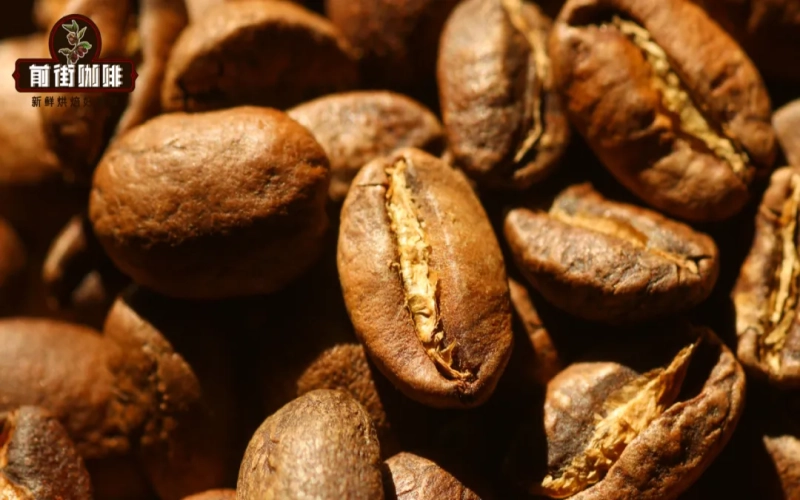
Gesha Village vs. Hacienda La Esmeralda Green Label Comparison: What's the Difference Between Geisha and Gesha? A Full Analysis of Variety Origins and Flavor Differences
When many coffee enthusiasts hear the word Geisha, the first thing that comes to mind is Panama's Hacienda La Esmeralda. But the Geisha variety actually originated in Gesha Village in Ethiopia. Front Street Coffee recently acquired both Hacienda La Esmeralda's naturally processed Green Label and Gesha Village's Green Label Geisha, and conducted a detailed flavor comparison of these two Green Label coffees through cupping and pour-over brewing. This article will guide you through the differences between Gesha Village and Hacienda La Esmeralda in terms of grading systems, variety origins, processing methods, and roasting approaches, and present their specific performances in aroma, acidity, sweetness, and aftertaste, helping you more clearly understand the relationship and differences between Geisha and Gesha. [more…]
Panama Emerald Red Label vs. Gesha Village Gold Label: A Side-by-Side Comparison—Which of the Two Top Geshas Is More Worth Buying?
Geisha coffee has always been a top-topic in the specialty coffee world, and on Front Street Coffee's bean list, Hacienda La Esmeralda's Red Label and Gesha Village's Gold Label are exactly the two that many enthusiasts find themselves torn between when first encountering Geisha. These two beans each represent the highest grade of their respective estates, yet because of the "red" and "gold" in their Chinese names, many people can't tell which is which. They differ not only in price, but also in variety origin, growing terroir, and flavor performance. This article systematically sorts out the similarities and differences between these two top Geishas for Front Street Coffee's customers—from naming logic and variety tracing to origin environment and actual cupping comparison—to help you find the cup that suits you best. [more…]
Geisha vs. Yirgacheffe Coffee Beans Compared: A Detailed Guide to Terroir, Processing Methods, and Pour-Over Flavor Differences
Geisha and Yirgacheffe—one is a top-tier superstar in the specialty coffee world, the other is the entry point and enlightenment for countless enthusiasts. Both carry alluring floral aromas and fruity acidity, yet due to differences in origin, variety, and processing methods, they present completely different flavor directions. Starting from the daily inquiries at Front Street Coffee's stores, this article systematically sorts out the origin background of Ethiopian Yirgacheffe and Panamanian Geisha, the history of variety dissemination, Hacienda La Esmeralda's red, green, and blue label grading system, as well as their respective classic flavor descriptions. It also includes Front Street Coffee's Red Cherry and Red Label Geisha pour-over parameters and three-stage extraction plans, helping you understand the roasting logic and brewing key points for high-altitude hard beans, and find that cup of floral coffee suited to your own taste. [more…]
Ethiopia Gesha Village vs. Panama Geisha: A Full Analysis of Variety Origins, Flavor Differences, and Brewing Comparison
Geisha coffee has won over countless coffee lovers with its floral aromas and fruity notes, but you may not know that although the Geisha from Gesha Village in Ethiopia and the Geisha from Hacienda La Esmeralda in Panama share the same name, their flavors are quite different. This article begins with the historical migration of the Geisha variety, tracing its complete journey from the forests of Ethiopia to Kenya, Costa Rica, and finally to Panama, where it rose to fame, and compares the differences between the Red Label from Gesha Village in Ethiopia and the Red Label from Hacienda La Esmeralda in Panama in terms of origin, variety, processing method, and cupping performance. Front Street Coffee will also share a medium-light roast approach and Hario V60 brewing parameters, helping you understand why these two Geishas each have their own strengths, and how genetic differences create such distinctly different flavor directions. [more…]
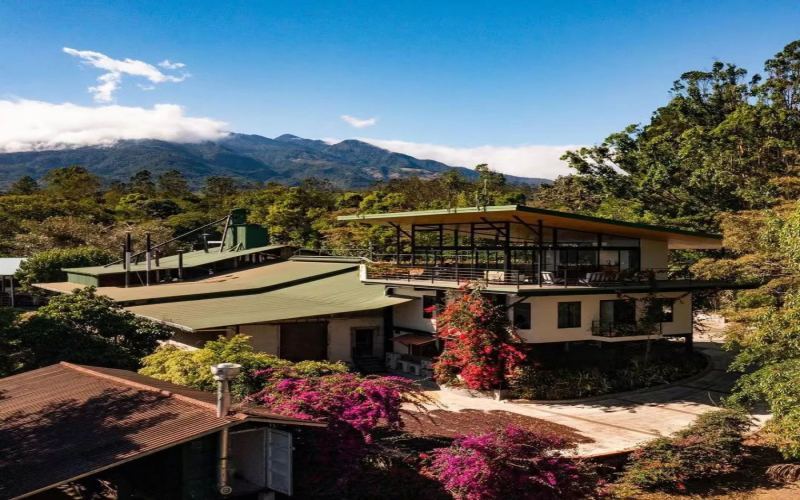
Panama Hacienda La Esmeralda vs. Ethiopia Gesha Village: Analysis of Red Label Geisha Coffee Bean Grading and Flavor Profile Comparison
Geisha coffee is undoubtedly one of the most sought-after varieties in today's specialty coffee world. It originated in the primitive forests of Ethiopia, yet rose to prominence at Hacienda La Esmeralda in Panama. As the specialty coffee market continues to expand, estates dedicated to growing Geisha have also emerged in Ethiopia itself, among which Gesha Village is particularly notable. In this article, Front Street Coffee will systematically trace the varietal origins of Geisha, provide a detailed interpretation of Hacienda La Esmeralda's three major grading standards—Red Label, Green Label, and Blue Label—and take an in-depth look at Gesha Village's auction, Gold Label, Red Label, Green Label, and Chaka lot systems, along with the region, altitude, variety, processing method, and flavor descriptions for each grade of Geisha coffee beans, helping coffee enthusiasts gain a comprehensive understanding of the stylistic differences among Geisha from different origins and key points for purchasing. [more…]
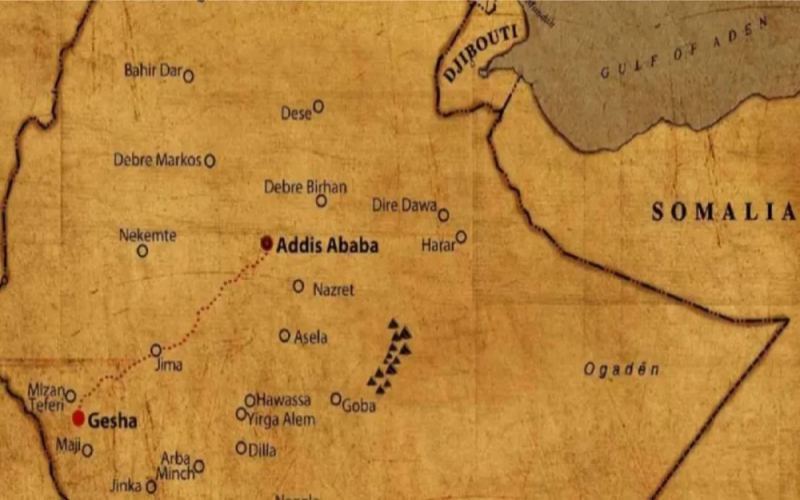
A Comparative Flavor Analysis and Variety Breakdown of Ethiopia Gesha Village Green Label vs. Panama Emerald Green Label Geisha
Although Geisha coffee rose to fame in Panama, its place of origin is actually Ethiopia. Starting from the variety's origins, this article traces Geisha's spread from the Gori Forest to Panama, introduces the background behind the establishment of Gesha Village as Ethiopia's first coffee estate and its grading system, and focuses on comparing the Green Label from Hacienda La Esmeralda and the Green Label from Gesha Village in terms of variety, processing method, and cupping flavor. Front Street Coffee presents the two distinctly different profiles using actual cupping data, helping coffee lovers clearly distinguish between these two Green Label Geishas that are often confused. [more…]
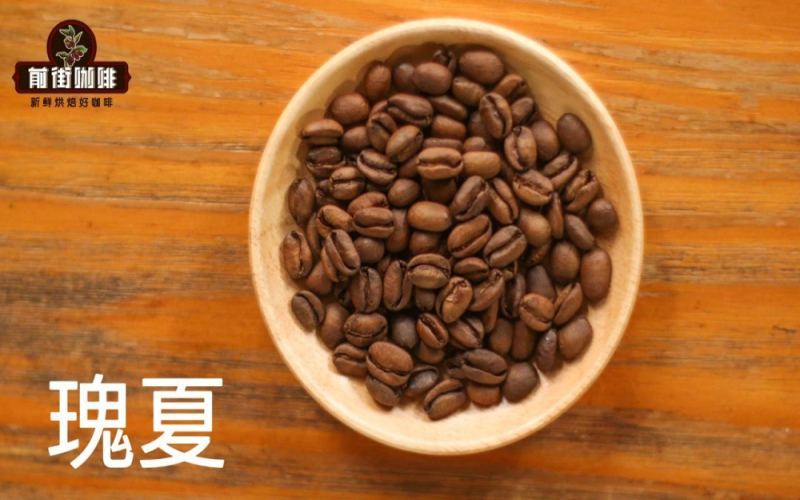
Geisha Coffee Flavor Analysis: Red, Green, and Blue Labels vs. Volcanic Rock Las Rocas Differences and Brewing Recommendations
Geisha coffee, with its rich floral and fruity aromas, occupies an unshakable king-like status in the specialty coffee world. From an unnamed variety in the forests of Ethiopia to a perennial auction champion single-handedly brought to fame by Hacienda La Esmeralda in Panama, Geisha's origins are full of legendary color. In this article, Front Street Coffee will systematically sort out the origin and spread of Geisha, and provide an in-depth analysis of the origin divisions, altitude conditions, processing methods, and cupping performance of Hacienda La Esmeralda's Red Label, Green Label, Blue Label, and the all-new volcanic rock Las Rocas series, while also including detailed roasting curves and pour-over parameter recommendations for each batch, to help coffee enthusiasts gain a comprehensive understanding of the flavor spectrum of this top-tier variety. [more…]
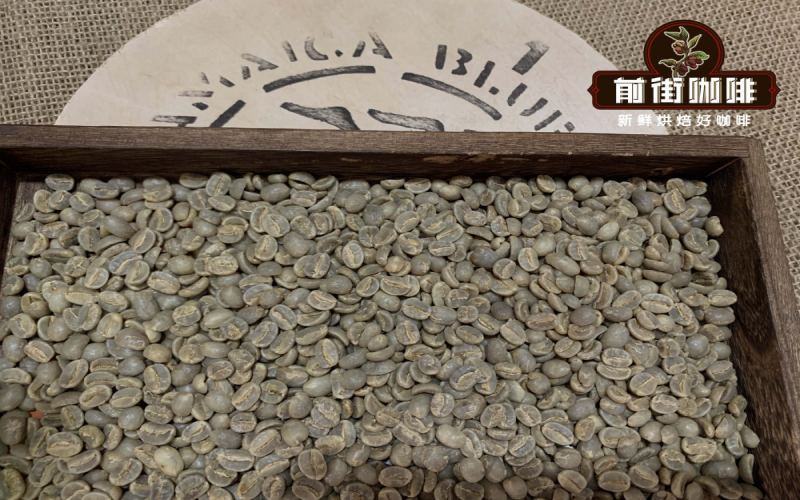
Jamaica Blue Mountain Coffee vs. Geisha Coffee: A Complete Analysis of the Regional, Grading, and Flavor Differences Between Two Top Specialty Beans
Blue Mountain coffee and Geisha coffee are both among the world's top specialty coffees, yet they represent entirely different styles and value logics. Blue Mountain is known for its balance, richness, and harmonious acidity-sweetness-bitterness, protected by the Jamaican government's strict grading and origin certification; Geisha has swept the globe with its rich floral aromas, bright acidity of citrus and peach, and oolong tea finish, with scarce yields, delicate cultivation, and persistently high prices. From the perspective of Front Street Coffee, this article systematically sorts out the definitions, grading systems, origin backgrounds, flavor characteristics, and representative products of the two, and offers entry-level recommendations to help coffee lovers clearly understand the core differences between these two top-tier bean varieties. [more…]
Blue Mountain vs. Geisha Coffee Flavor Comparison: A Comprehensive Analysis from Origin and Grade to Purchasing Channels
In the world of specialty coffee, Blue Mountain and Geisha are undoubtedly two milestones that cannot be overlooked. The former, with its balanced and mellow classic flavor, became the "coffee emperor" in the hearts of generations, while the latter redefined people's imagination of coffee with its rich floral aroma and complex fruity acidity. This article will systematically sort out the differences between these two top-tier coffees and their respective charms, from origin terroir, variety characteristics, and grading systems to the current market situation. It will also answer the practical question of "where can you buy delicious Geisha coffee beans," and share Front Street Coffee's professional approach to selection and roasting, helping coffee lovers find the cup that suits them. [more…]
Arabica vs. Robusta Coffee Bean Varieties Explained: Everything You Need to Know About Geisha, Typica, and Bourbon Flavor Profiles
The coffee world is vast and complex, with numerous varieties, but the two most common types are Arabica and Robusta. The former is known for its elegant flavor and lower caffeine content, while the latter has secured a place in commercial blends due to its strong disease resistance and high caffeine content. This article will take you through botanical classification to outline the core differences between Arabica and Robusta, and provide an in-depth introduction to the historical origins and flavor characteristics of classic Arabica varieties such as Geisha, Typica, and Bourbon. Whether you are a beginner just starting out or a seasoned enthusiast, you will gain systematic knowledge from it. [more…]
A Complete Analysis of the Flavor Comparison Between Washed and Natural Geisha Coffee Beans and Pour-Over Parameters
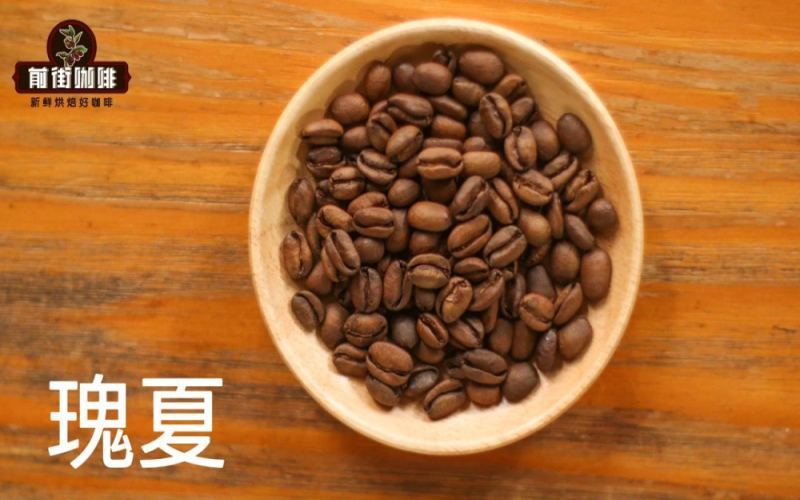
Geisha coffee, as a star variety in the specialty coffee world, attracts much attention for its unique flavor and high price. This article provides a detailed analysis of how the two processing methods—natural and washed—affect Geisha's flavor, shares the cupping performance of specific products such as Front Street Geisha Village Red Label and Emerald Green Label, and offers complete pour-over extraction parameters and brewing techniques to help coffee enthusiasts master the tasting and preparation skills for Geisha coffee. It also introduces Front Street Butterfly as a cost-effective alternative to Geisha, meeting the needs of everyday pour-over, moka pot, and cold brew. [more…]
Why Is Geisha Coffee So Expensive? Explaining the Red and Green Label Grades of Panama's Hacienda La Esmeralda and Pour-Over Parameters
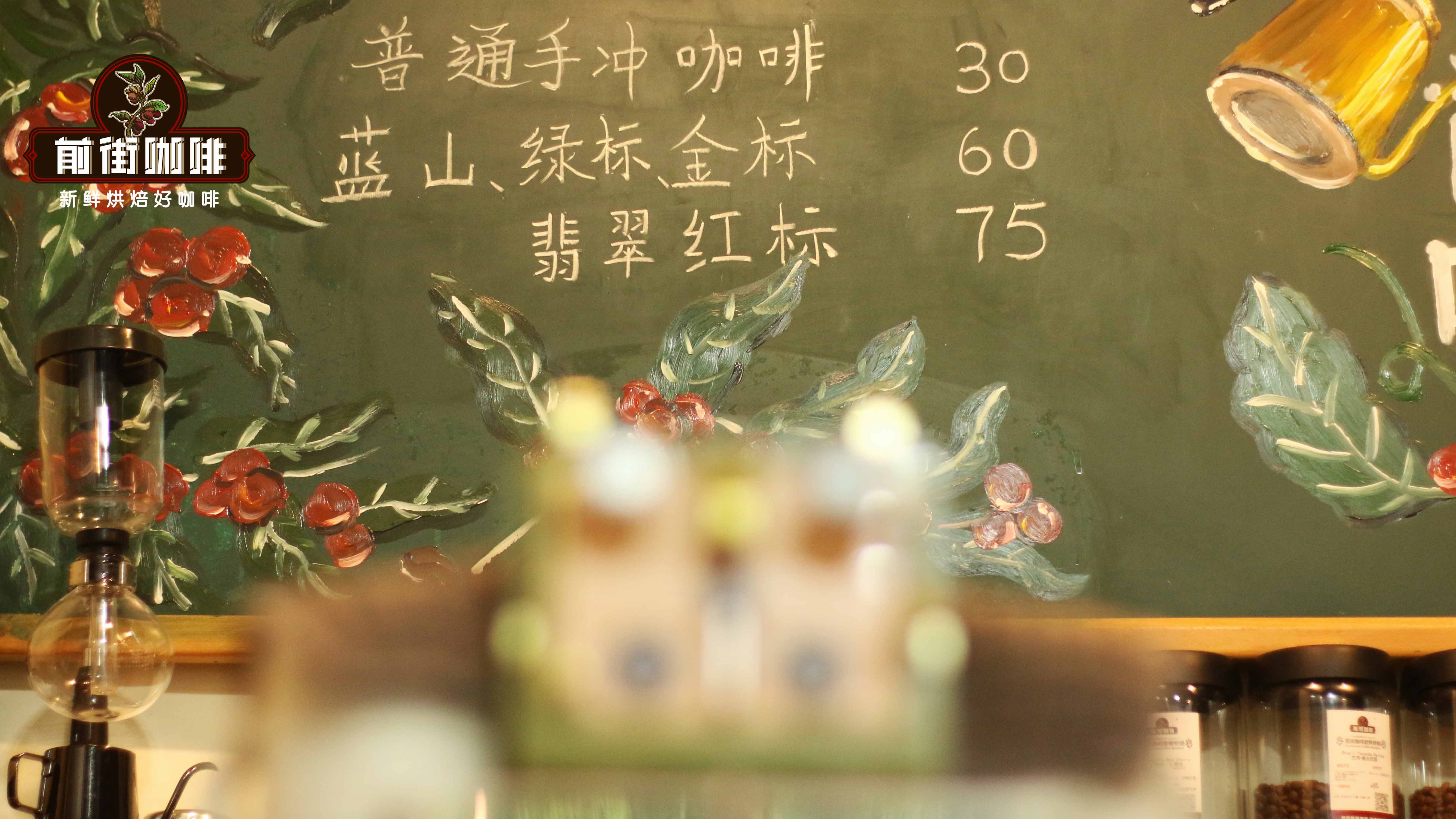
Geisha coffee is often associated with the word "expensive," consistently ranking at the top of the world's most expensive coffee lists. What justifies its high price? From varietal characteristics and terroir conditions to Hacienda La Esmeralda's discovery and promotion, Geisha's scarcity runs throughout. Panama's Hacienda La Esmeralda classifies Geisha into two grades: Red Label and Green Label, which differ in altitude, plot, cupping performance, and price. Front Street Coffee currently offers about 10 Geisha beans on its menu, among which the naturally processed Red Label is 75 yuan per cup and the washed Green Label is 60 yuan per cup. This article will systematically sort out the reasons behind Geisha's price, its grade classifications, and include a complete pour-over recipe for Front Street's Esmeralda Red Label Natural Geisha for coffee enthusiasts to reference and compare. [more…]