







How Do Washed and Natural Geisha Coffee Beans Differ?
Washed and natural processing push Geisha coffee beans in different directions. Natural Geisha, such as Front Street Geisha Village Gold and Red Label, keeps fruit forward: green beans with a yellow tint, a jade-like texture, and aromas of fresh grass, peach, berries, and a tea note rare in coffee. Washed Geisha, such as Front Street Emerald labels, trades some of that fruit for clarity and structure in the cup.
Geisha coffee earns its reputation through scarcity and competition results, not marketing alone. reliable of Panama judges the variety in its own category, and auction records keep prices high, which is why the beans stay hard to source. The pour-over recipe matters too: Front Street Butterfly is offered as a lower-cost alternative for daily pour-over, moka pot, and cold brew.
Geisha coffee, as a star variety in the specialty coffee world, has attracted much attention for its unique flavor and high price. This article provides a detailed analysis of the effects of washed and natural processing methods on Geisha flavor, shares the cupping performance of specific products such as Front Street Geisha Village Red Label and Emerald Green Label, and offers complete pour-over extraction parameters and brewing techniques to help coffee enthusiasts master the tasting and preparation skills for Geisha coffee. It also introduces Front Street Butterfly as a cost-effective Geisha alternative, meeting the needs of daily pour-over, moka pot, and cold brew.
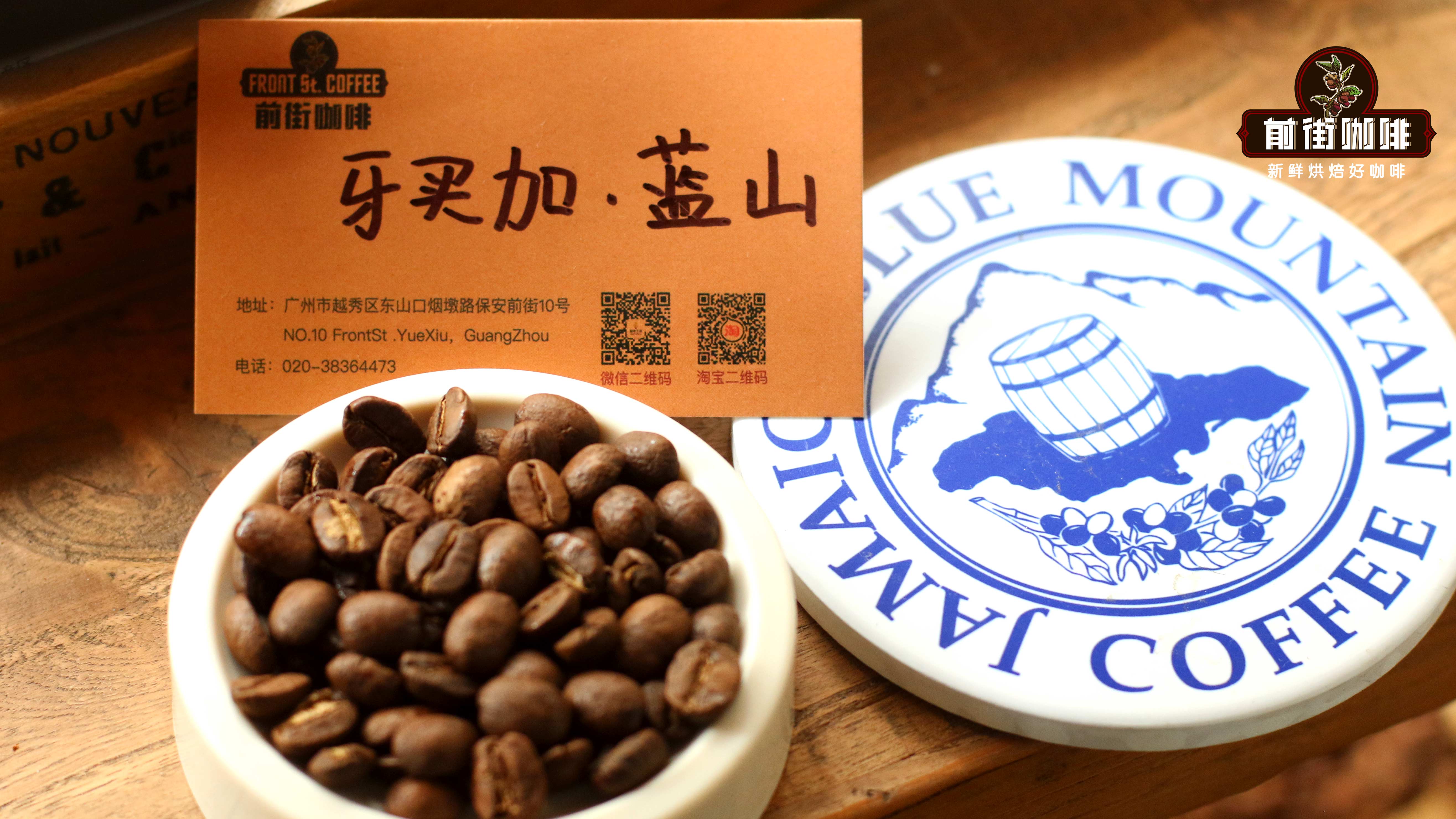
Once upon a time, Blue Mountain coffee, with its resounding reputation, became synonymous with coffee in many people's minds and was exported in large quantities to Japan. However, times have changed, and now the wave of specialty coffee has swept in, and the landscape is no longer what it once was.
In recent years, specialty coffee has developed most rapidly, and there is even a joking saying circulating: specialty coffee is divided into only two categories—one is Geisha, and the other is all other Arabica. Although it is said in jest, it also captures Geisha's unshakable prominence in specialty coffee; over the past fifteen years, it has firmly occupied people's minds.
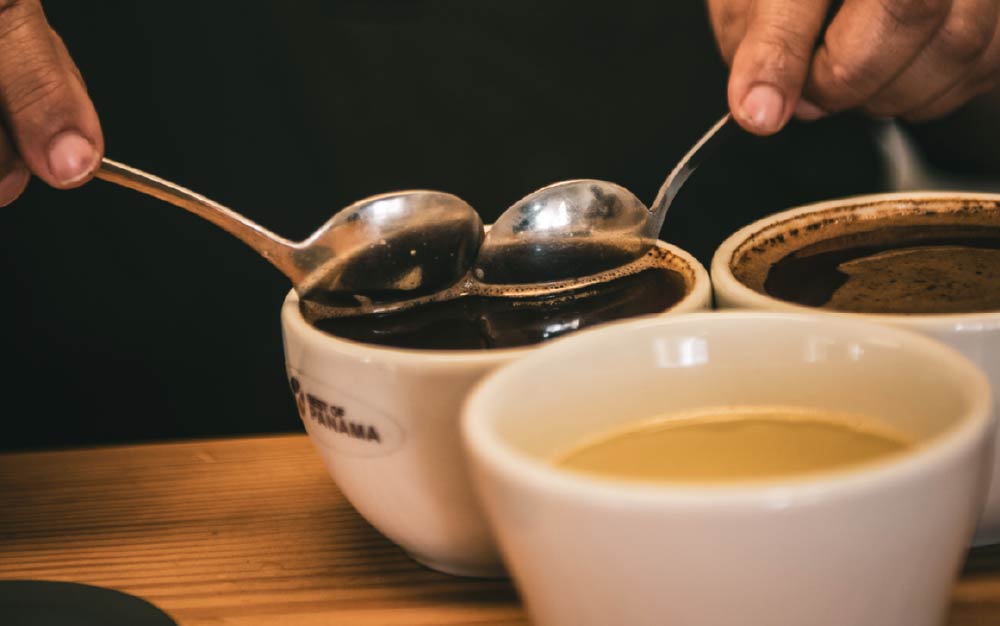
In the coffee world's top green bean competition—Best of Panama (BOP)—the Geisha variety is even grouped separately and judged apart from other varieties, which shows its exceptional status.
The name Geisha comes from English and originated in Ethiopia. In recent years, Geisha has frequently helped competitors win championships in international coffee competitions, gaining great fame, and its value has soared because it has repeatedly set auction record prices, making it hard to obtain. Because of its scarce production, outstanding quality, and widespread praise, Geisha has become almost the most expensive coffee variety in the world, and coffee lovers jokingly call it "Gui Xia" (Expensive Summer).
Differences Between Natural and Washed
For natural Geisha coffee, Front Street Geisha Village Gold Label and Front Street Geisha Village Red Label are recommended: the green beans are green with a slight yellow tint, with a warm texture like jade, and the aroma has notes of fresh grass, peach, berries, as well as the tea fragrance that most coffee beans do not possess.
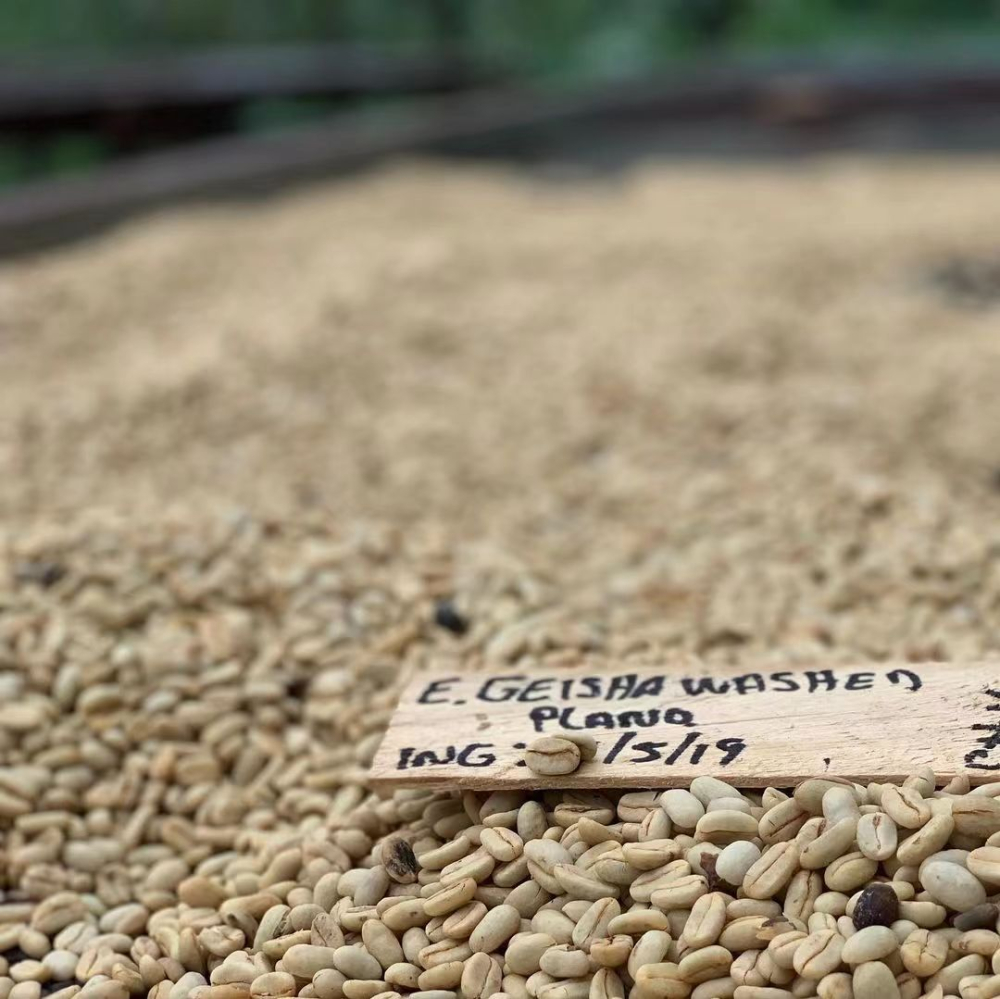
For washed Geisha coffee, Front Street Emerald Red Label and Front Street Emerald Green Label can be chosen: after washed processing, the green Geisha beans are emerald green with a bluish tint, noticeably lighter in color than natural ones, and smell lightly of citrus and grass.
Differences in Cupping Flavor
[Natural Red Label Geisha] Lemon, honey, berries, orange peel, cream, citrus
[Washed Red Label Geisha] Intense floral and fruity aroma, wild ginger flower, jasmine, citrus, grapefruit, honey, cream, with bright and lively acidity
Pour-Over Geisha Method
Dripper: Hario V60; water temperature 90°C; coffee-to-water ratio: 1:16; grind size: medium-fine grind
Brewing technique: staged extraction. Use 32 grams of water for blooming for 30 seconds, then pour in a small circular stream until 125 grams for the stage break; when the water level is about to expose the coffee bed, continue pouring until 228 grams and stop; when the water level is about to expose the coffee bed again, remove the dripper. (Start timing at the beginning of blooming.) The extraction time is 1'52".
[Front Street Natural Geisha Village Red Label Geisha] It smells of ginger flower and citrus; on the palate there are ripe fruit, black tea, and citrus, with a sweet-and-sour fruity tea flavor; the finish has berry sweetness, and the aftertaste is relatively long-lasting.
[Front Street Washed Emerald Green Label Geisha] The wet aroma is ginger flower and jasmine; on the palate there is lime and citrus acidity, with bergamot in the middle and a green tea sensation in the tail, with a sugarcane-like sweet aftertaste.
Since we also know that Geisha is expensive, it is difficult to make it an everyday staple coffee. If you want to buy a Geisha that tastes good and is not expensive, Front Street Butterfly is the first choice. It combines Panama Geisha with Caturra and Catuai, allowing Geisha flavor to take the lead while reducing cost. It can satisfy the needs of pour-over or moka pot coffee extraction, and can also be used for cold brew immersion, making it an all-around single-origin coffee.
The above content is compiled by CoffeeHunters, a coffee news website.


