







How do Blue Mountain and Geisha coffee beans differ?
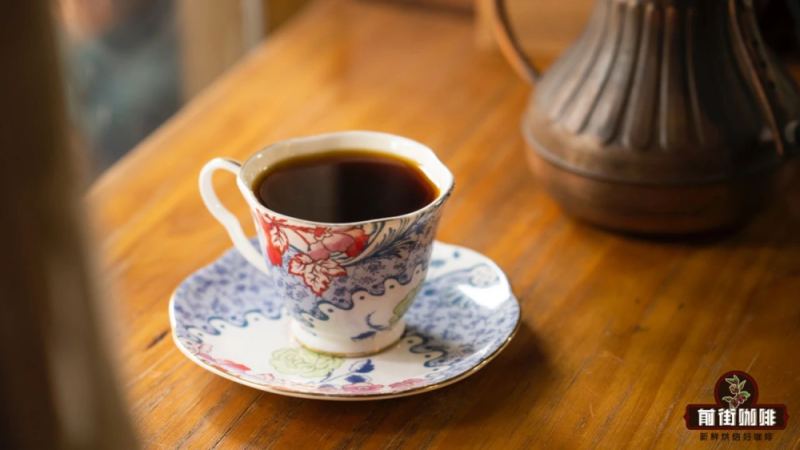
Blue Mountain delivers a balanced, mellow cup with chocolate and roasted hazelnut notes, where acidity, sweetness, bitterness, aroma and body sit in equilibrium. Geisha built its reputation on intense floral aroma and complex fruit acidity instead. One represents the classic profile, the other the modern specialty style, and the contrast comes from variety, terroir and grading as much as from marketing.
Blue Mountain's standing rests on careful Jamaican cultivation and a strict grading system; Geisha rose later, once the specialty coffee idea spread. Buyers looking for geisha coffee beans should check origin, grade and roast date rather than rely on the name alone. Comparing a washed Blue Mountain with a roasted Geisha side by side shows how differently the two varieties express sweetness and acidity.
In the world of specialty coffee, Blue Mountain and Geisha are undoubtedly two milestones that cannot be overlooked. The former, with its balanced and mellow classic flavor, became the "coffee emperor" in the hearts of generations, while the latter redefined people's imagination of coffee with its rich floral aroma and complex fruit acidity. This article will systematically sort out the differences between these two top coffees and their respective charms, from origin terroir, variety characteristics, grading systems to current market conditions. At the same time, it will answer the practical question of "where can you buy delicious Geisha coffee beans," and share Front Street's professional approach to bean selection and roasting, helping coffee lovers find the cup that suits them.
People always yearn for beautiful things, pursuing the richest wine, the most fragrant cigars, or the finest champagne, and the same is true for coffee. Tasting an excellent cup of coffee brings joy to the heart, so everyone keeps searching for more delicious coffee beans—from the early Jamaican Blue Mountain to today's rising star Geisha, the exploration of unique flavors has never stopped. Today, Front Street will introduce these two iconic beans of the specialty coffee era and see what makes them so distinctive in flavor and mouthfeel.
What is Blue Mountain coffee? Why is it so famous?
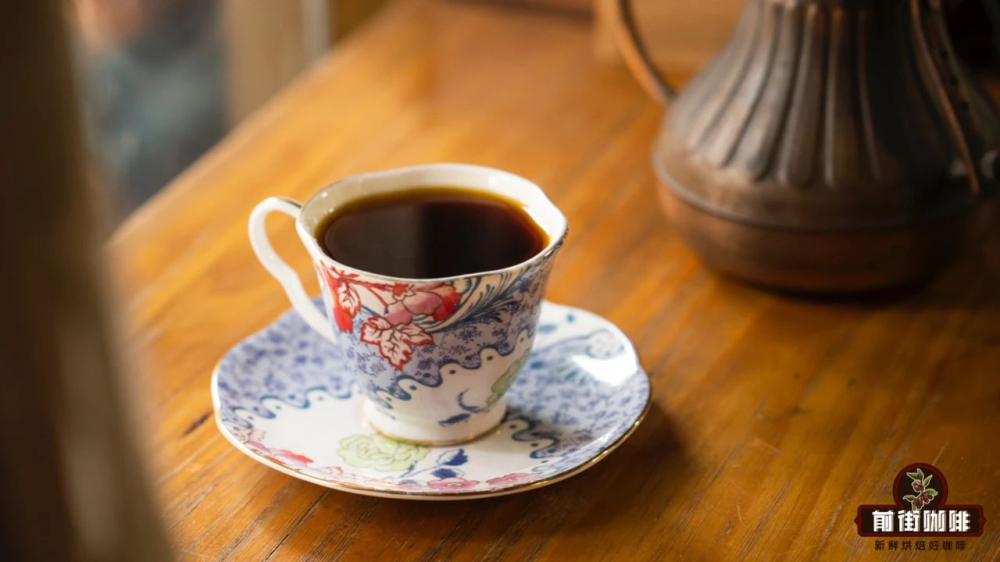
In an era when the concept of specialty coffee had not yet become widespread, even elders who did not drink coffee had heard of Blue Mountain, and its fame far exceeded that of coffee from any other single origin. Blue Mountain was once crowned the "Hermès of the coffee world." Authentic Blue Mountain can deliver a rich, solid, and lasting aroma of chocolate and roasted hazelnut, while acidity, sweetness, bitterness, aroma, and body all reach an exquisite balance. Front Street believes that Blue Mountain's ability to accumulate such prestige is inseparable from Jamaican growers' meticulous management and strict grading system.
Blue Mountain enjoys exceptional natural conditions, and the combination of multiple factors makes this place an ideal location for coffee cultivation. But coffee is ultimately an agricultural product, and variety, altitude, picking methods, and post-processing will all influence the final aroma performance.
According to the official designation of the Jamaica Coffee Industry Board (CIB), only Typica grown within specified forest areas at an altitude of about 910 to 1,700 meters is qualified to be called true "Jamaican Blue Mountain Coffee." Typica needs a high-altitude environment to fully express its flavor, and this variety also has weak disease resistance and is prone to infection, while the fruit yield per tree is low, so it requires a great deal of manpower and careful care. In addition, the high-altitude areas of Blue Mountain have rugged terrain, making management and harvesting difficult and demanding highly skilled pickers, which further limits production. In recent years, less than 15% of coffee beans produced in Jamaica can bear the Blue Mountain label, only about 900 tons.
Many friends may have heard the saying: "Authentic Blue Mountain coffee is all monopolized by Japan." This rumor is not entirely unfounded. UCC is a Japanese coffee company, formerly Ueshima Coffee Co., Ltd. In 1981, it established a farm in Jamaica to operate a Blue Mountain project. The Jamaican side promised to sell 90% of the Blue Mountain coffee quota to Japan, and together with extensive promotion of Blue Mountain within Japan, this created a situation where Blue Mountain was expensive and hard to obtain. Today, coffee culture has long since flourished in many directions, and drinking a cup of Blue Mountain is no difficult task. At Front Street, for 60 yuan you can taste a cup of Blue Mountain No. 1 pour-over black coffee.
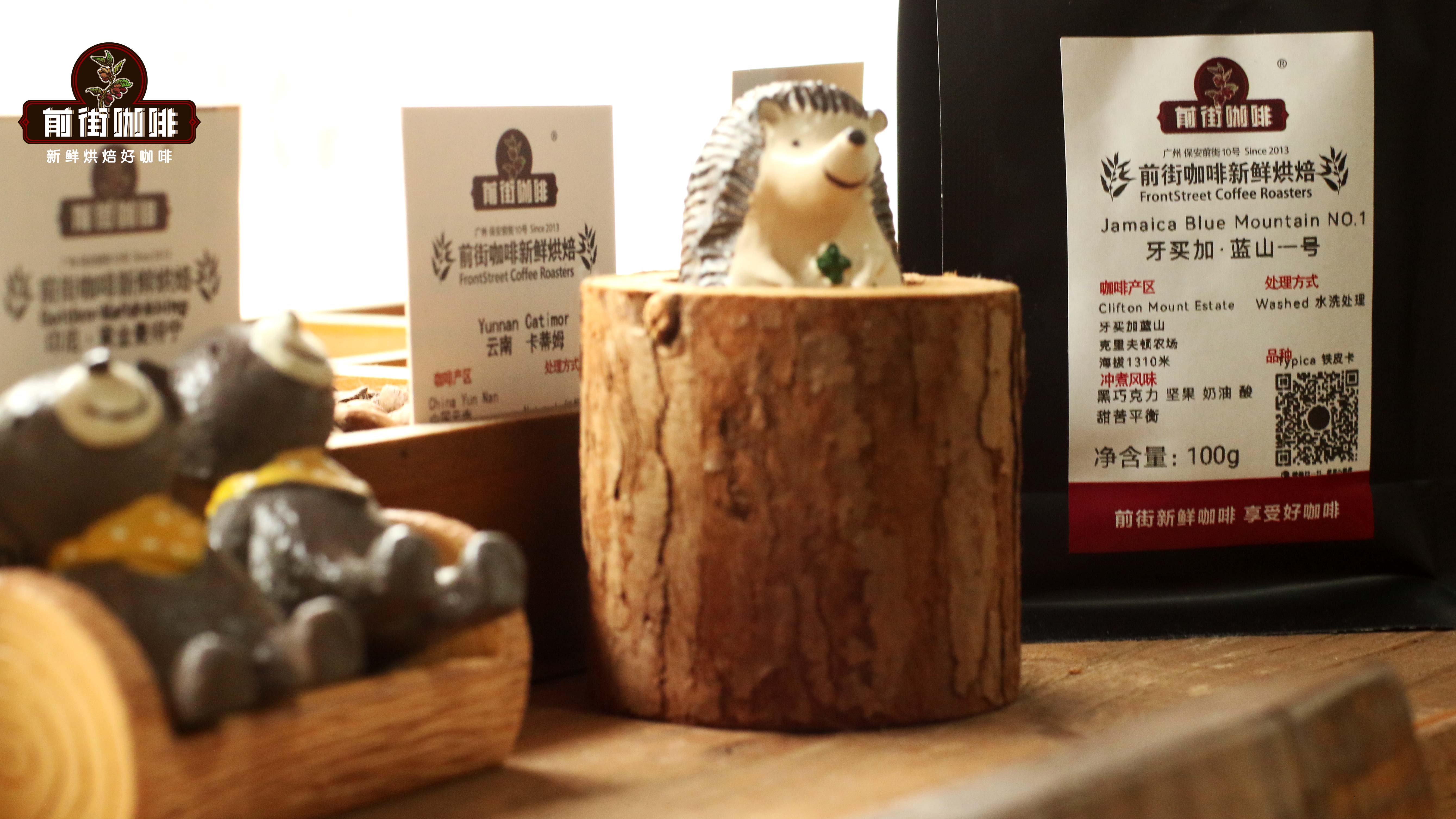
Blue Mountain No. 1 is the highest grade among Jamaican Blue Mountain coffees. Through professional and meticulous processing, it produces extremely high-quality Blue Mountain beans and can be called Jamaica's national treasure-level product. Before export, Blue Mountain green beans are packed and sent for inspection, and coffee beans from the Blue Mountain region are graded according to various standards. CIB was the earliest institution to use scientific and objective methods to assess coffee quality, grading comprehensively based on green bean size, color, uniformity, defect rate, moisture content, and cupping performance. Blue Mountain coffee is divided into four grades: Blue Mountain No. 1, Blue Mountain No. 2, Blue Mountain No. 3, and Blue Mountain Peaberry, among which Blue Mountain No. 1 ranks in the highest tier.
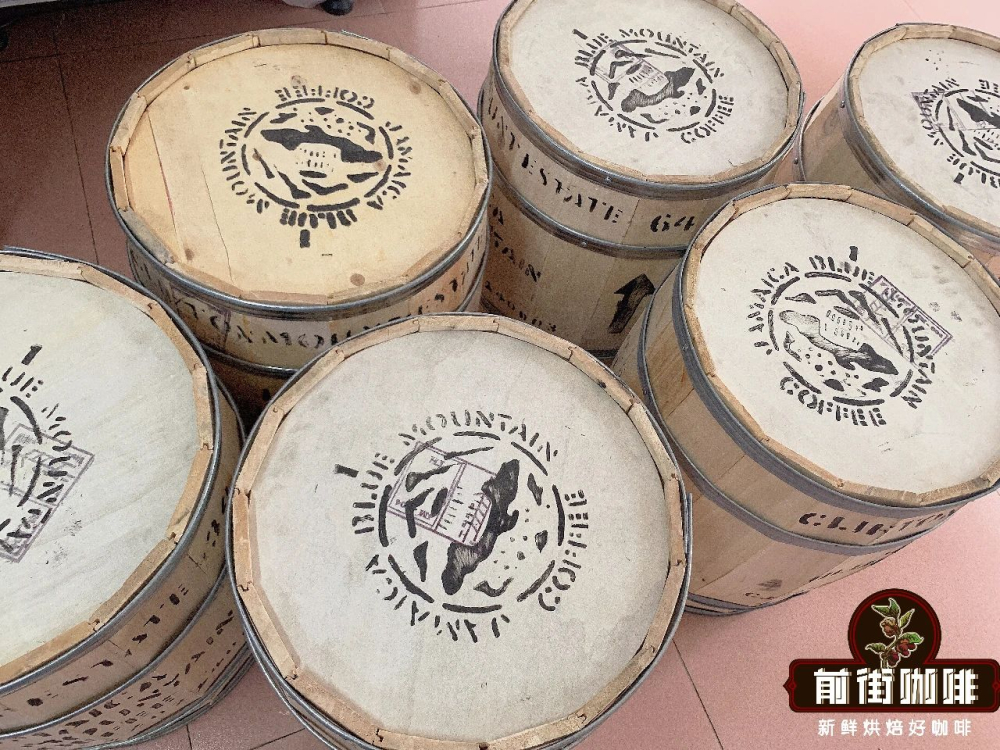
Top-grade Blue Mountain No. 1 green beans must reach a screen size of 17 or above, a defect rate below 3%, and a moisture content of about 13%. In cupping, they present rich aroma, a smooth and balanced mouthfeel, low acidity, and a lasting sweet aftertaste. To ensure that Blue Mountain coffee beans remain in good condition before roasting and to avoid moisture intrusion during transport, Jamaicans insist on packing Blue Mountain green beans in handmade wooden barrels, and the barrel has thus become one of the important symbols of Jamaican Blue Mountain coffee.
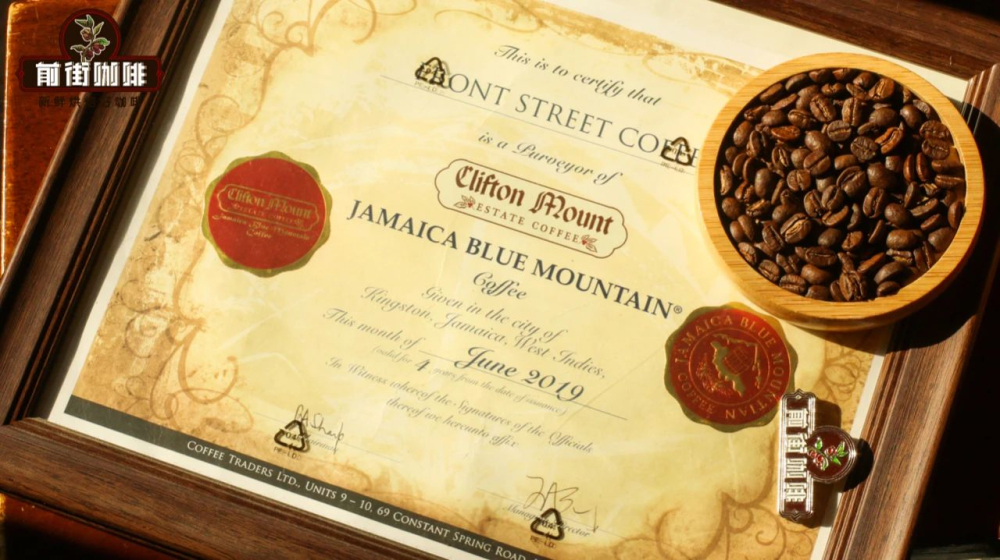
Front Street's roasting philosophy is to present coffee's most classic flavor profile, such as the bright lemony acidity of Yirgacheffe and the rich, roasty aroma of Indonesian Mandheling, and Blue Mountain naturally should also highlight its classic flavor. Front Street uses a medium-dark roast to maximize the display of chocolate and nutty aromas while retaining soft acidity and sweetness, making the overall mouthfeel more balanced.
After discussing the "coffee emperor" Blue Mountain, let us now look at the new king of the specialty coffee era—Geisha.
What makes Geisha coffee special? Why is it so expensive?
Today, even if you do not drink pour-over coffee, you often hear the name Geisha, and it is usually tied to the word "expensive," while also frequently appearing at the top of lists of the world's most expensive coffees. So exactly why is Geisha so expensive?
Front Street believes that a large part of Geisha's current illustrious reputation must be credited to Panama's Hacienda La Esmeralda. The estate's third-generation owner, Daniel, once said that the discovery of the "Geisha variety" was only finally confirmed in 2003 after several years of comparative testing. Two weeks before the 2003 Best of Panama competition (BOP), while selecting competition lots on the internal cupping table, he discovered that the Geisha variety exhibited outstanding flavors such as jasmine, citrus, peach, blueberry, bergamot, and sugarcane. These flavors differed from the preferences of people in the coffee circle at the time, but Daniel still chose to enter Geisha in the competition and won first place in one fell swoop.
In 2005, Hacienda La Esmeralda sent Geisha to compete in the Specialty Coffee Association of America (SCAA) evaluation, defeating many star contenders, winning the honor of world-class specialty coffee, and sweeping the world championship in 2006 and 2007, once again attracting the attention of coffee people around the world. After that, coffee-producing regions everywhere introduced Geisha, including Yunnan in our country, which also began growing this popular variety. Although Geisha can now be produced all over the world, Front Street believes that as the discoverer of Geisha's flavor, Hacienda La Esmeralda not only checks coffee quality at every level, but its natural processing method also best presents the classic "Geisha taste."
Geisha coffee, popular around the world, displays in the cup a rich and elegant floral aroma, a complex fruit acidity of citrus and peach, a creamy and smooth mouthfeel, and a sweet oolong tea note in the aftertaste. The exquisite flavors make it seem as if you are not drinking coffee, but tasting a fragrant fruit tea. Front Street has mentioned in many articles that coffee, as an agricultural product, always has its flavor closely related to variety, climate, altitude, soil, management, and other factors. It is a true expression of the variety and local terroir, and post-processing and roasting should do their utmost to retain, restore, and display these true flavors. The reason Geisha is so outstanding is precisely the combined result of all the factors above.
As the saying goes, things are precious because they are rare, and Geisha coffee production is extremely limited. Panama's total annual coffee production is about 10,000 tons, while the famous Hacienda La Esmeralda produces only 150 bags of green beans each year, about 9,000 kilograms. Calculating on the basis that Geisha accounts for only 3% of production, that is only 270 kilograms. Coupled with media hype about Geisha's flavor, people's enthusiasm for Geisha only grows, so prices naturally remain high.
Compared with other Arabica varieties, Geisha not only has low fruit yield, but the plant is also especially fragile and quite picky about its growing environment. It needs high altitude, fertile soil, cloud cover or shade from plants, and cannot be directly exposed to the sun. The leaf system of the Geisha coffee tree is very thin, its photosynthetic efficiency is very low, and its root system is also fragile, absorbing water and nutrients slowly, so yields are extremely small; combined with the high-altitude growing environment, the fruit also matures later. A single Geisha coffee tree produces only half the fruit of a Caturra variety, which is also one of the reasons Geisha is expensive.
The owner of Hacienda La Esmeralda, Geisha's "discoverer," once said that the estate needs a large number of shade trees to block sunlight for the delicate Geisha, and in the early planting stage traditional pruning must also be used, otherwise the plants easily die. Geisha planted at higher altitudes takes longer for the fruit to mature, and only then can the flavor expression be more complex and unique. Geisha fruit needs to be harvested at the most appropriate ripeness and immediately post-processed, which is a great test of the estate owner's professional judgment and the quality of the labor force; once the timing is missed, it leads to reduced quality and waste.
On Front Street's bean list, there are about 10 Geisha coffees alone to choose from. If you are trying Geisha for the first time, Front Street would recommend Hacienda La Esmeralda's natural Red Label or washed Green Label. The so-called Red Label refers to the Esmeralda Special grade (including auction lots); Green Label refers to Private Collection.
The highest-grade Red Label is picked from coffee cherries of high-altitude Geisha (1,600-1,800 meters), with a cupping score above 90, mainly from the Jaramillo and Cañas Verdes farms. Although high altitude brings challenges to cultivation and harvest, in the Boquete region, Geisha's floral and fruity charm is most prominent. Hacienda La Esmeralda holds independent auction events, and among the divided plots, the Red Label lots put out for competition are called auction lots. Auction lots have unique numbers, and each number corresponds to an entire lot from one plot. The one we most often hear about should be the Mario plot of the Jaramillo farm. The Hacienda La Esmeralda Red Label Geisha coffee beans that Front Street offers come from the Mario plot and use natural processing.
In addition, Front Street also has a washed Green Label grade Geisha, whose cupping performance shows fresher, more natural flavors of lemon, berries, pomelo, and Tieguanyin tea. Green Label is selected from micro-lots grown at an altitude of 1,600-1,800 meters, originating from Jaramillo, Cañas Verdes, and other areas without specific plot separation. Green Label does not participate in auctions. Although its grade is not as high as Red Label, it mainly expresses the signature classic flavor of high-altitude Geisha.
Front Street believes that to present the classic "Geisha flavor," more floral aroma and acidity must be retained, so Front Street's Geisha coffee beans are all lightly roasted, with roasting curves adjusted accordingly for different processing methods and flavor differences.
The above content is compiled by CoffeeHunters, a coffee news website.


