







What Do the Hacienda La Esmeralda Geisha Coffee Labels Mean?
Hacienda La Esmeralda, the estate that set the benchmark for geisha coffee, divides its output into auction lots and red, green, and blue label tiers. Each label points to a different micro-plot source, quality standard, and price range, so the grade on the bag tells you where the beans were grown and roughly what to expect in the cup.
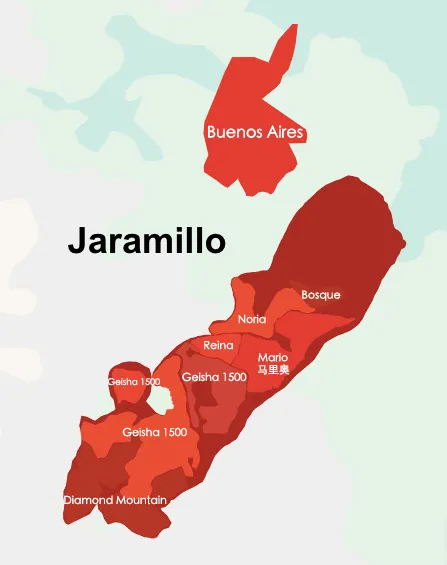
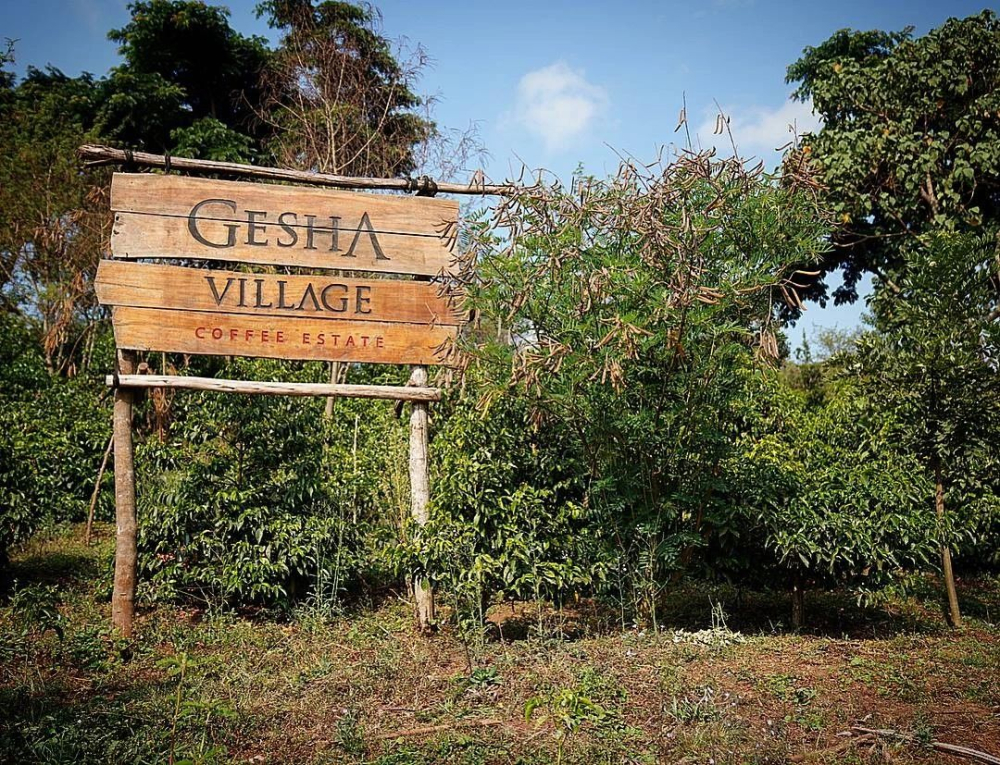
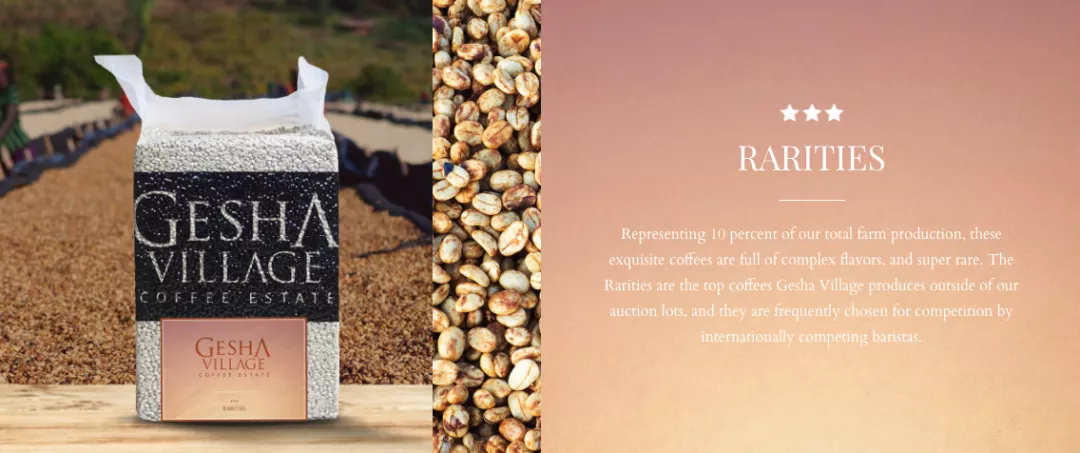
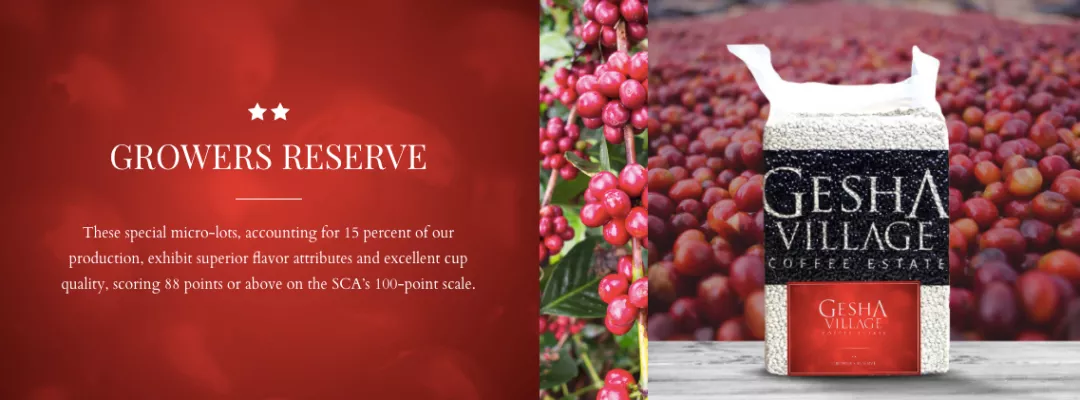
The estate publishes an interactive map of its four sub-estates, and zooming in on a production area such as Jaramillo reveals individual plot names. The section marked Geisha1500, for instance, is the source of blue label beans. Gesha Village Coffee Estate also uses gold, red, and green labels, but the two naming systems are unrelated and should not be confused when buying gesha coffee.
Hacienda La Esmeralda, as the benchmark estate for Geisha coffee, divides its product line by grade into multiple tiers such as auction, red label, green label, and blue label, with different labels corresponding to different plot sources, quality standards, and price ranges. At the same time, Gesha Village Coffee Estate also uses naming conventions such as gold label, red label, and green label, but the two systems are not related. This article will use the estate's interactive map of micro-plot distribution to sort out the meaning and differences of each label one by one, helping coffee enthusiasts understand Hacienda La Esmeralda's grading logic, and combining Front Street Coffee's recommendations to provide a reference for everyday purchasing of Geisha beans.

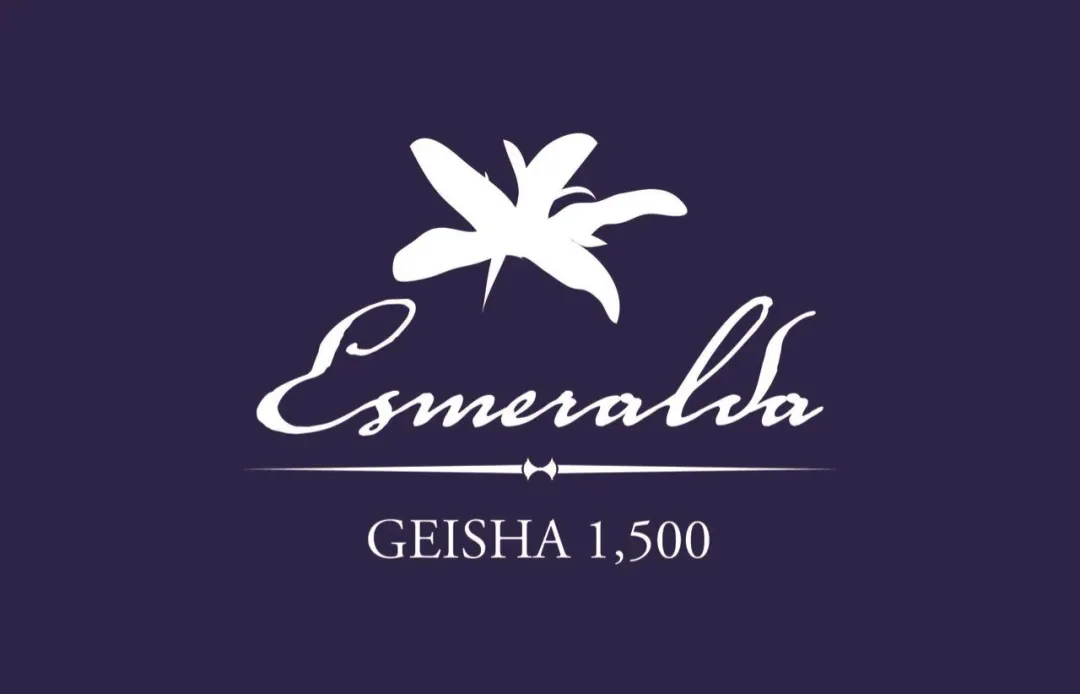
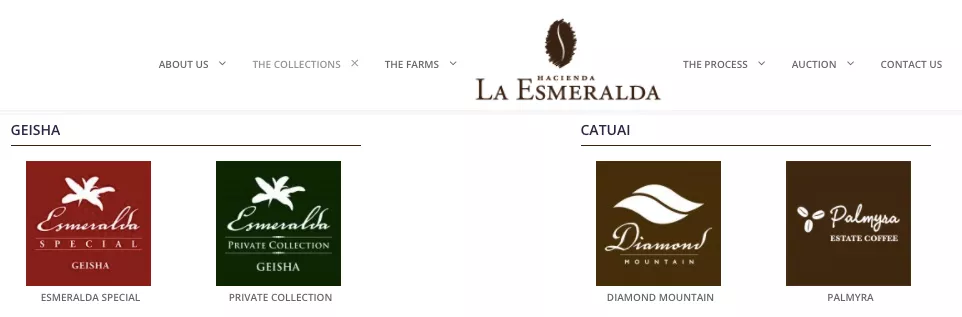
In the interactive map launched by Hacienda La Esmeralda, the micro-lot plot divisions of the four sub-estates are clear at a glance. Taking the Jaramillo production area as an example, if you gradually zoom in on the map, the names of each small plot will appear one by one. The area marked with the words Geisha1500 is precisely where the coffee beans of the blue label grade are produced.
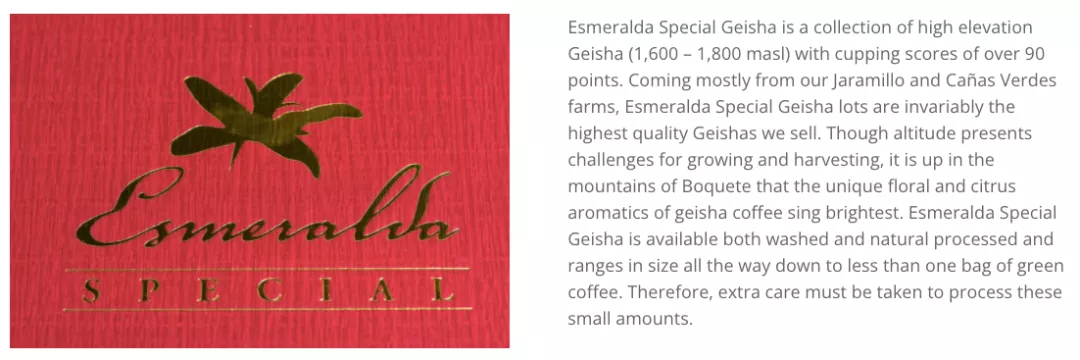
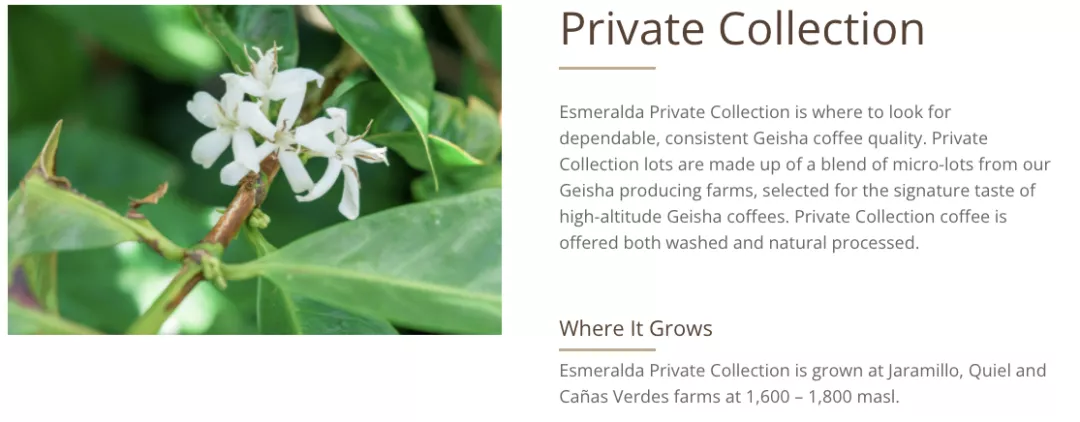
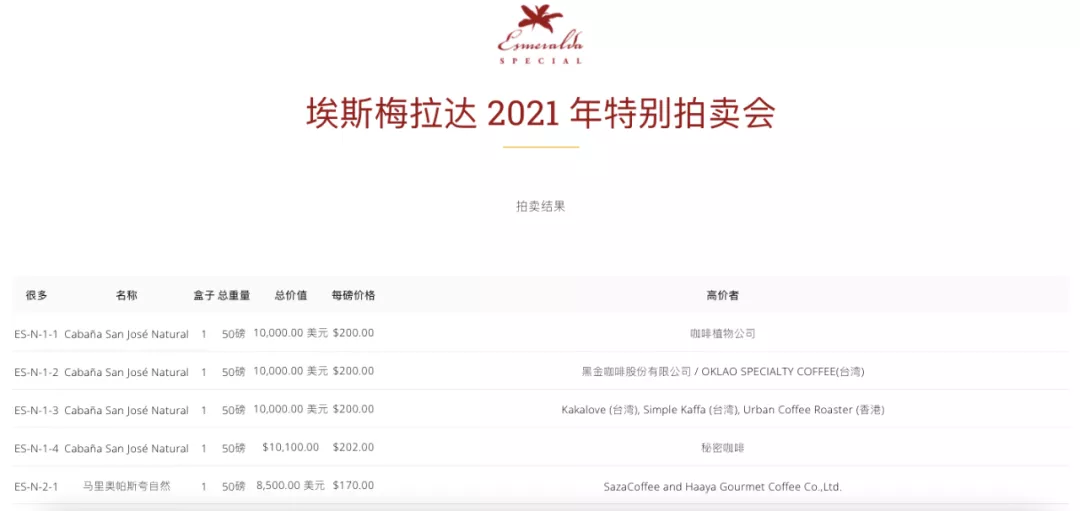
It should be noted that, apart from Hacienda La Esmeralda's own set of "labels," Gesha Village Coffee Estate also uses gold label, red label, and green label to name its products. However, there is no affiliation or cooperative relationship whatsoever between Gesha Village's product line and Hacienda La Esmeralda. Objectively speaking, the relatively mature production and sales grading mechanism established by Hacienda La Esmeralda does have aspects worth referencing by other estates.
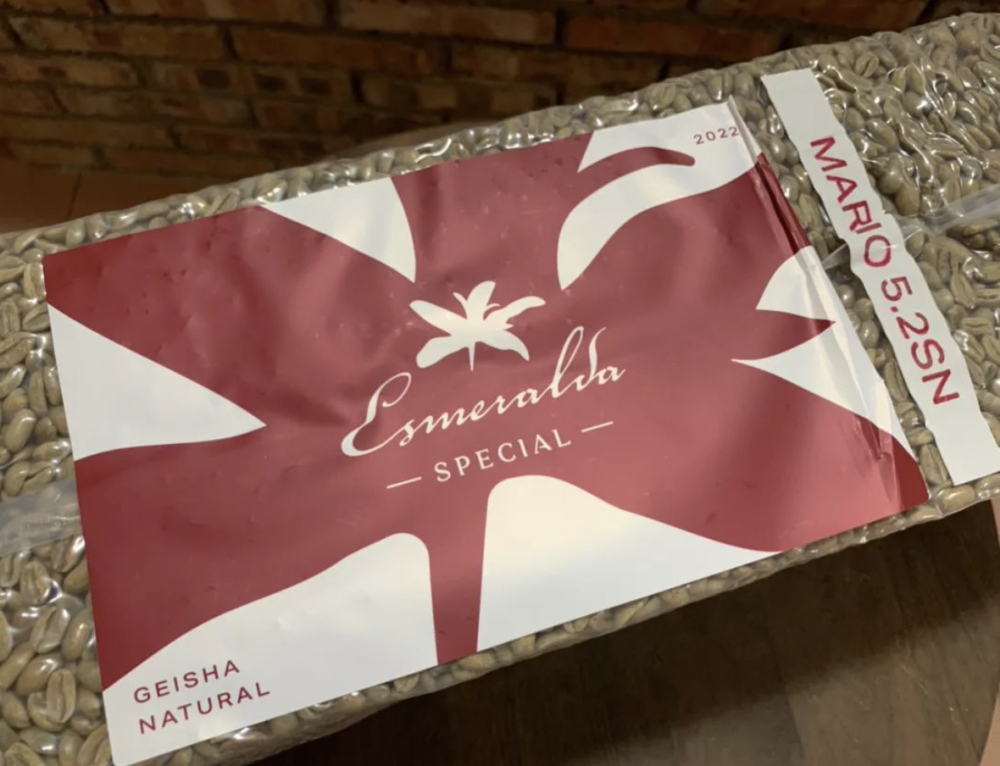
The above content is compiled by CoffeeHunters, a coffee news website.


