








How Do Natural and Washed Geisha Coffee Lot Styles Differ?
Hacienda La Esmeralda in Panama is a benchmark for geisha coffe, and its Red Label lots from the Canas Verdes and Jaramillo plots show how processing changes the cup. The natural version leads with intense fruity aroma and sweetness, while the washed version brings clean, bright fruit acidity and clear floral notes at the same grade.
The estate was founded in 1964 and was consolidated from scattered land by Hans Elliot in 1940; the Peterson family bought it in 1967. Geisha is graded into Red, Green, and Blue Label by planting altitude and cup quality, and Red Label lots are sold through the estate's own annual auction. Few lots reach the prices seen in most expensive coffee bean poop stories, but Red Label Geisha sits at the top of the specialty market.
Panama's Hacienda La Esmeralda is a benchmark in the specialty coffee world, and its Red Label Geisha is highly sought after. This article compares two Red Label Geishas—Front Street Coffee's Natural Red Label Geisha and Front Street Coffee's Washed Red Label Geisha, from the renowned Canas Verdes and Jaramillo plots respectively. The natural process gives the beans intense fruity aroma and sweetness, while the washed process brings clean, bright fruit acidity and floral notes. The article covers the estate's history, grading system, plot terroir, processing methods, green bean appearance, and cup profile and pour-over flavors one by one, with detailed records of brewing parameters and tasting notes, helping coffee lovers gain a deeper understanding of the stylistic differences between the same grade of Geisha under different processing methods.
LA ESMERALDA Hacienda La Esmeralda
In the specialty coffee circle, the name Hacienda La Esmeralda is almost universally known. It was founded in 1964 and has now passed more than fifty years. In 2004, Hacienda La Esmeralda's Geisha stood out in the BOP competition and rose to fame overnight, which also further solidified the estate's position in the specialty coffee field.
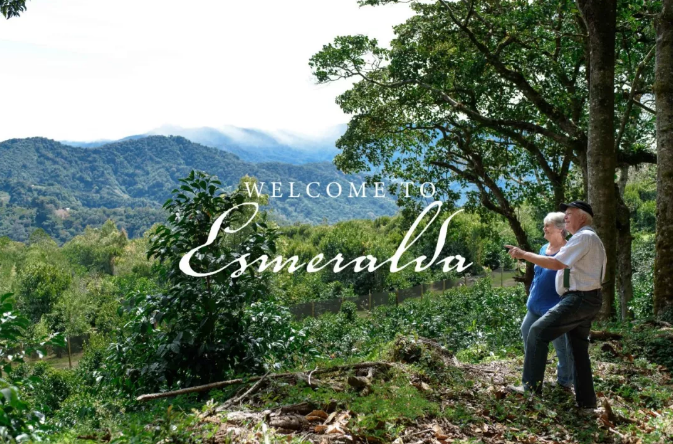
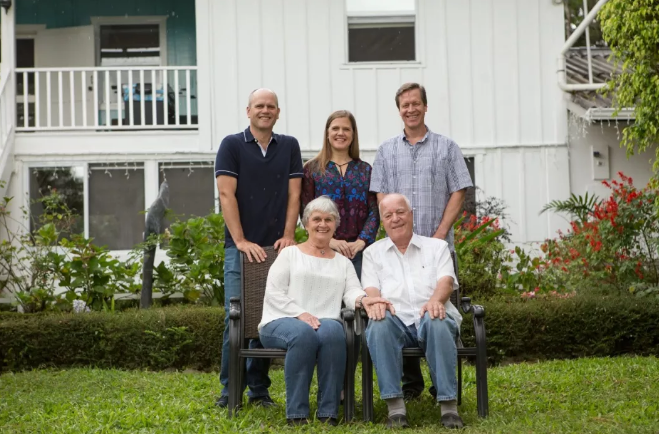
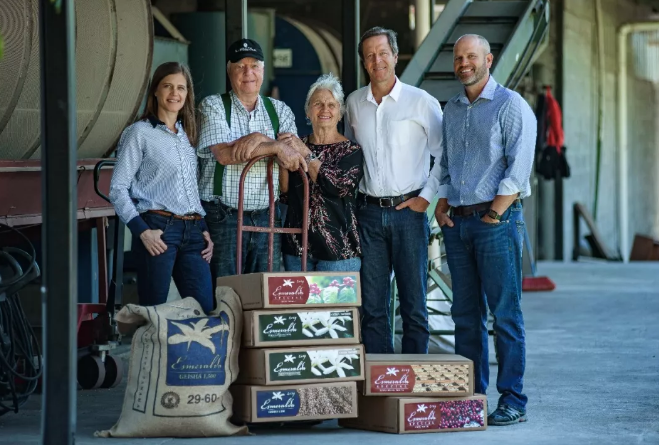
In 1940, a Swede named Hans Elliot consolidated previously scattered land into a single estate and named it La Esmeralda. In 1967, Swedish-American financier Rudolph A. Peterson moved to Panama after retirement and bought La Esmeralda estate in Boquete, though at the time it was still mainly a dairy operation. In 1973, his son Price Peterson returned to Boquete to help his father run the farm. After taking over, Price divided the market into three brands for sales based on altitude and microclimate, cup performance, and planted varieties (Esmeralda Special, Diamond Mountain grows, Palmyra). From 2012 onward, the Geisha brand was added, forming four major brands.
When speaking of Panama's Hacienda La Esmeralda, one cannot fail to mention its coffee grading: Red Label, Green Label, and Blue Label. Based on Geisha planting altitude and cup flavor, the estate divides Geisha into three grades:
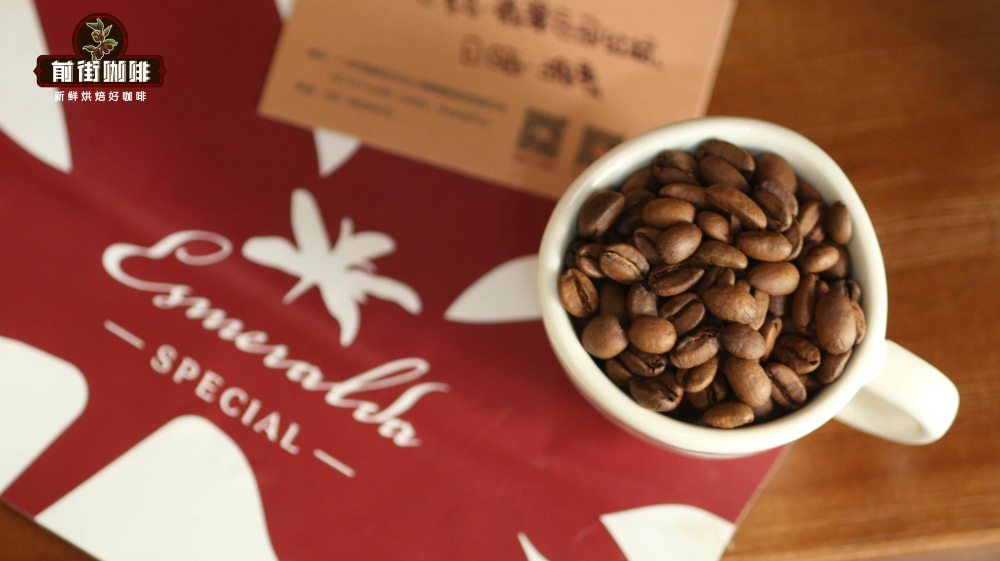
Front Street Coffee Red Label Geisha · Esmeralda Special
Geisha from the Esmeralda Special lot can only be purchased through the estate's own annual cupping event. The estate organizes an independent auction, and the participants are basically all Geisha coffees.
Hacienda La Esmeralda first divides by planting plot, then subdivides each plot into small lots for auction. Only Geisha lots put up for independent auction can use the name Esmeralda Special. Since 2013, Esmeralda Special has had a total of nine lots.
The two Geishas we are comparing today belong to this grade!
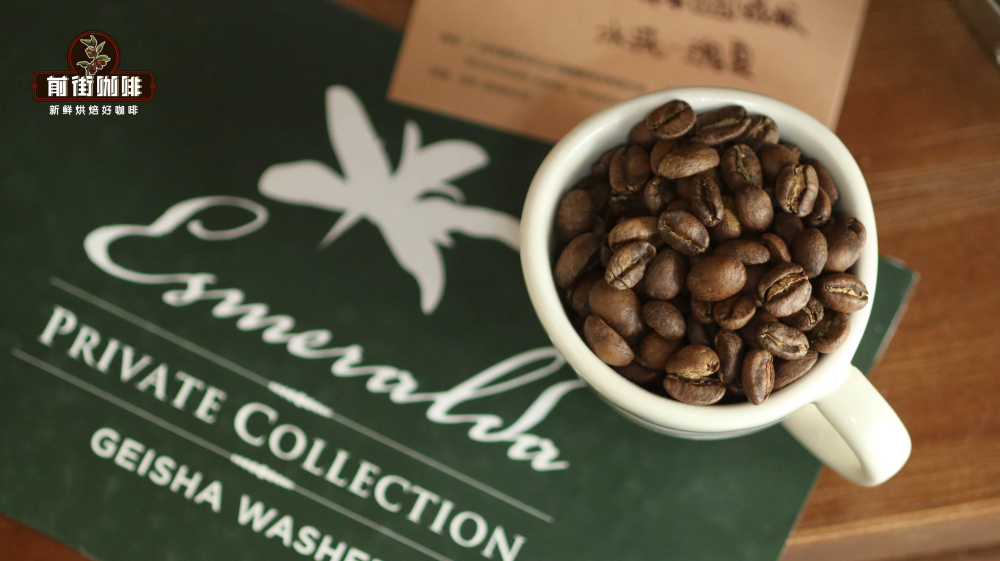
Front Street Coffee Green Label Geisha · Private Collection lot
Although Green Label Geisha is not the highest-level auction bean, it is grown at an altitude of 1,600-1,800 meters and comes from micro-lots from three different estates: Jaramillo, Quiel, and Canas Verdes. The most suitably ripe coffee cherries are selected, creating a sweet, bright fruity acidity and delicious flavor.
Front Street Coffee Blue Label Geisha · Select lot
Blue Label Geisha is grown at around 1,500 meters and comes from a blend of beans from three different estates: Jaramillo, Canas Verdes, and El Velo. In addition, Blue Label Geisha is only washed.
Plot Introduction
[Natural Red Label Geisha] comes from the Canas Verdes plot.
Canas Verdes has three to four fairly distinct dry seasons each year, but even so, the air remains cool.
Half of Canas Verdes was purchased by Peterson in 1967. It was initially used for livestock and beef production, and later also produced dairy products, but due to inconvenient transportation and sparse population, it gradually shifted to coffee cultivation. After 2004, the Peterson family also began buying small plots of land nearby for coffee cultivation.
[Washed Red Label Geisha] comes from the Jaramillo plot.
Jaramillo can be said to be the most prestigious plot in Hacienda La Esmeralda, with an average altitude above 1,650 meters. It is the discovery and cultivation site of the Geisha that won the 2004 BOP competition. The Jaramillo plot is wrapped in a unique climate formed by moist and cold air at high altitudes, which allows Geisha to absorb the essence of nature during its growth period and exhale fragrance.
Processing Methods
Natural

The picked coffee cherries are placed directly in the courtyard to dry. Depending on weather and plot differences, and in order to make the coffee cherries dry evenly, they are sun-dried for 3-5 days. After reaching sufficient dryness, these coffee cherries are then put into a dryer for 72 hours to prevent continued fermentation during drying. Coffee processed this way carries obvious fruity aroma and flavor.
Washed
The harvested coffee cherries are placed into a fermentation tank, floating debris is screened off the water surface, the water is drained, and then the selected ripe coffee cherries are pushed down the funnel; the skin and pulp of the coffee cherries are mechanically removed, and these removed skins and pulp are collected for use as fertilizer on farms and pastures; then the coffee beans with skin and pulp removed are put into a water channel and rubbed against each other to remove the pectin on the beans. After that, the coffee beans left only wrapped in parchment are placed in a container and soaked overnight, then dried the next day.
Green Bean Comparison
Comparing the two beans, both have relatively slender bodies with pointed ends, which is fairly typical of the Geisha variety.
[Front Street Coffee Natural Red Label Geisha] The green beans are yellow-green and smell of sweet aromas like strawberry and grape;
[Front Street Coffee Washed Red Label Geisha] The green beans are blue-green and smell of a light grassy aroma.
Flavor Comparison
● Cupping
[Front Street Coffee Natural Red Label Geisha] Lemon, honey, berries, orange peel, cream, citrus [Front Street Coffee Washed Red Label Geisha] Wild ginger flower, jasmine, citrus, grapefruit, honey, cream
● Pour-over
Dripper: Hario V60; water temperature 91~93°C; coffee-to-water ratio: 1:16; grind size: medium-fine (EK43s setting 10: 82% passing through a Chinese standard No. 20 sieve)
Brewing method: staged extraction. Use 32 grams of water for a 30-second bloom, pour in a small stream in circles until 125 grams and then pause, and when the water level drops and is about to expose the coffee bed, continue pouring until 228 grams and stop. When the water level drops and is about to expose the coffee bed, remove the dripper. (Timing starts at the beginning of the bloom.) The extraction time is 1'52".
[Front Street Coffee Natural Red Label Geisha] It smells of ginger flower and citrus aromas; on the palate there are ripe fruit, black tea, citrus, and a sweet-and-sour fruit tea flavor; the finish has berry sweetness, with a relatively lasting sweet aftertaste.
[Front Street Coffee Washed Red Label Geisha] The wet aroma is ginger flower and jasmine; on the palate there is lime and citrus acidity, with bergamot flavor in the middle, a green tea note in the tail, and a sugarcane sweet aftertaste.
Conclusion
Although both are Red Label Geisha, the difference in flavor is still quite large. What they have in common is that both beans carry ginger flower aroma and citrus acidity.
[Front Street Coffee Natural Red Label Geisha] has relatively richer flavor layering, leaning toward fruit tea, with obvious sweetness;
[Washed Red Label Geisha] has a relatively clean flavor, with bright fruity acidity.
The above content is compiled by CoffeeHunters, a coffee news website.


